Address
304 North Cardinal St.
Dorchester Center, MA 02124
Work Hours
Monday to Friday: 7AM - 7PM
Weekend: 10AM - 5PM
Address
304 North Cardinal St.
Dorchester Center, MA 02124
Work Hours
Monday to Friday: 7AM - 7PM
Weekend: 10AM - 5PM


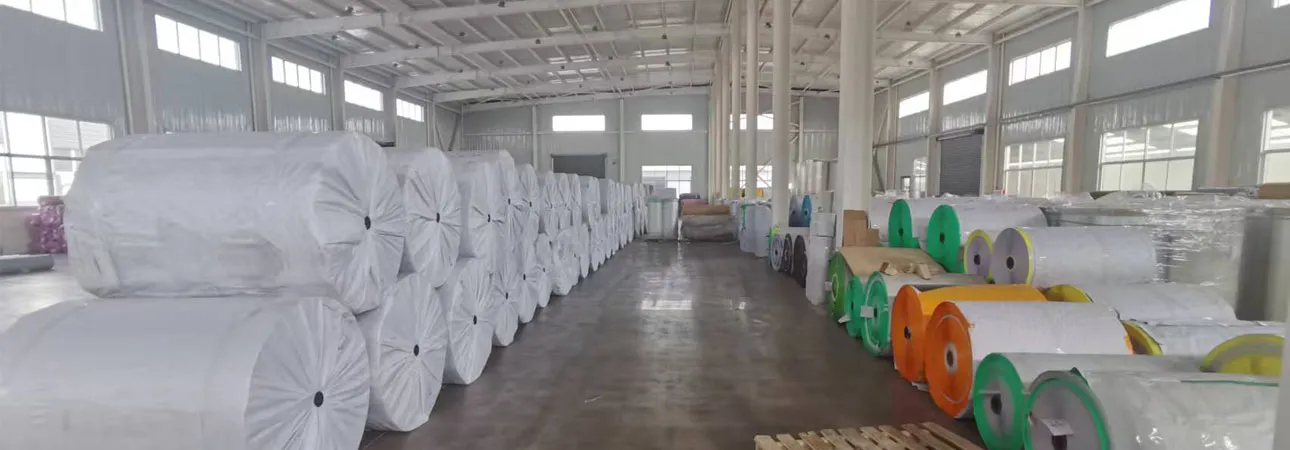
PE protective film is a versatile, low-cost solution for surface protection across industries — from construction and furniture to electronics and automotive. If you’re shopping for protective film, understanding price drivers, common formats, and how suppliers quote can help you get the best value.
Manufacturers price PE protective film based on several key variables: material thickness (microns), film width and roll length, adhesive type, surface treatment (antistatic, anti-scratch), printing or color, and order volume. Suppliers may quote by the square meter (m²), by the roll, or by weight depending on the buyer’s needs.
Per square meter: Useful for comparing material cost across widths and lengths. Per roll: Practical for installers and manufacturers who buy standard roll sizes.
The table below shows illustrative price ranges for commonly used PE protective film grades. Prices vary by region, raw material costs, and supplier terms.
| Film Type | Thickness (µm) | Price per m² (USD) | Typical Price per Roll* |
|---|---|---|---|
| Thin / Light Duty | 20–30 | $0.02 – $0.06 | $10 – $40 (e.g., 1.2m x 100m) |
| Medium / General Purpose | 40–60 | $0.06 – $0.15 | $40 – $120 |
| Thick / Heavy Duty | 80–120 | $0.15 – $0.40 | $120 – $400 |
| Specialty (printed, anti-static) | 20–120+ | $0.20 – $0.60+ | $200 – $600+ |
*Roll prices are examples and vary with width, length, and adhesive type.
Raw material prices (PE resin), adhesive quality, and production scale affect cost. Custom printing, UV stabilizers, flame retardants, or antistatic coatings add to unit price. Small orders with custom specifications typically carry higher per-unit costs than large-volume, standard runs.
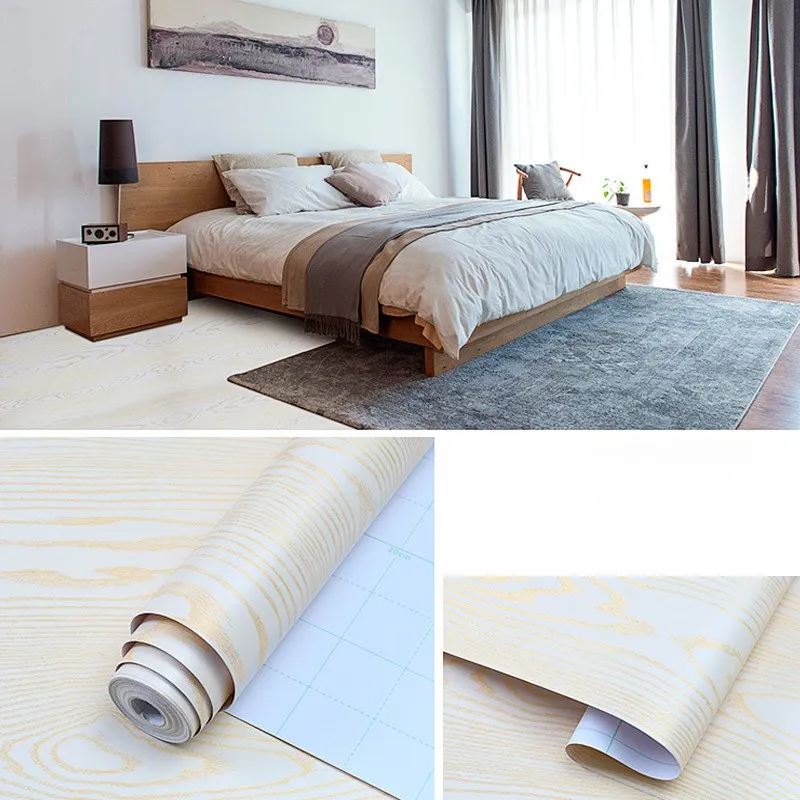
To estimate total cost, calculate the m² needed, choose the required thickness and adhesive, then add printing and finishing charges if any. Don’t forget shipping and import fees. For bulk projects, request FOB and CIF quotes to compare supplier and logistics costs.
Standard PE protective films are often available with short lead times (days to 2 weeks) when stocked. Custom printed or special-coated films usually require 2–6 weeks depending on the production schedule and MOQ. Work with suppliers that control full in-house production if you need tighter lead times and consistent QC.
For reliable pricing and fast turnarounds, consider suppliers with full in-house production capabilities and export experience. Contact Pulivk for tailored quotes and sample runs if you need OEM packaging, printed designs, or specific film specs.
Q: Is thicker always better? A: Not necessarily. Choose thickness for the specific protection task—thin for light scratch protection, thick for heavy abrasion or long-term protection.
Q: Will printing increase cost a lot? A: Yes—printing setup and color runs increase per-unit cost, but large runs dilute setup costs.
Q: How much does adhesive type change the price? A: High-performance removable or specialty adhesives add cost, especially for anti-residue or extreme-temperature applications.
Prepare a brief with required thickness, width, roll length, adhesive preference, and any printing needs before requesting quotes. This makes supplier responses faster and more accurate — helping you compare like-for-like pricing and delivery terms.