Address
304 North Cardinal St.
Dorchester Center, MA 02124
Work Hours
Monday to Friday: 7AM - 7PM
Weekend: 10AM - 5PM
Address
304 North Cardinal St.
Dorchester Center, MA 02124
Work Hours
Monday to Friday: 7AM - 7PM
Weekend: 10AM - 5PM


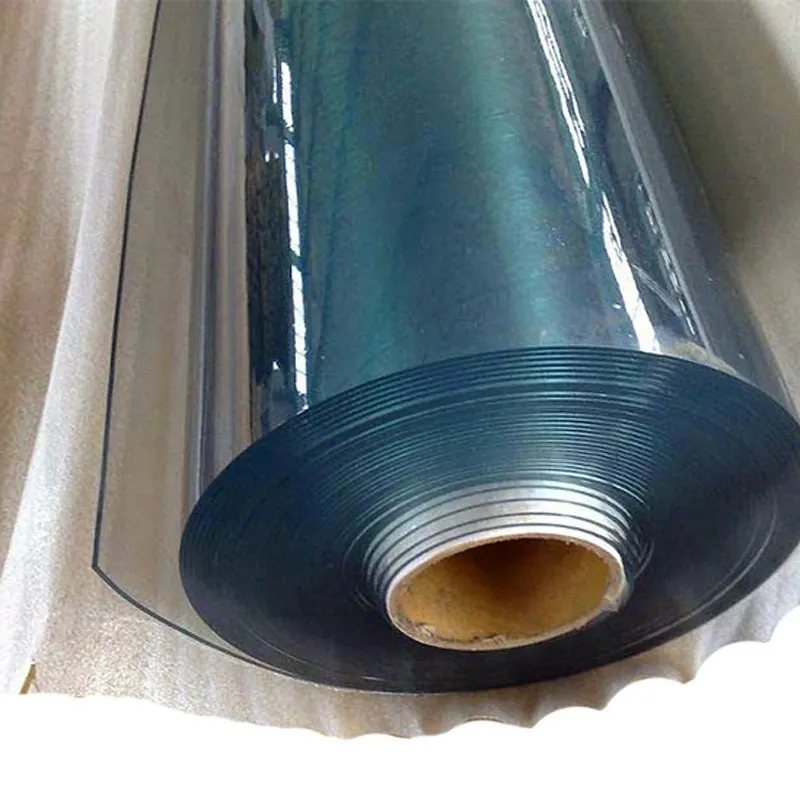
PE stretch film price varies widely depending on film type, thickness, roll size, and additional features like anti-static, UV resistance, or printing. If you’re researching “PE wrapping film cost” for packaging, shipping, or retail use, this guide breaks down the main cost drivers, typical price ranges, and smart buying strategies to help you estimate budgets or request quotes with confidence.
Raw material costs (virgin vs. recycled PE), production method (cast vs. blown vs. calendered), and process control all influence price. Other factors include thickness (microns), roll length and width, whether the film is pre-stretched, and any value-added finishes (printing, anti-slip, antistatic).
Hand stretch film is typically thinner and sold on smaller rolls for manual pallet wrapping. Machine stretch film and pre-stretched films used in automated lines cost more per roll but usually offer better yield and lower cost per pallet. Printed or colored films require extra steps and increase unit price.
The following table shows approximate price ranges to help you benchmark quotes. Prices are indicative and can fluctuate with market conditions.
| Film Type | Thickness (µm) | Typical Roll Size | Approx. Price per Roll (USD) |
|---|---|---|---|
| Hand stretch film (clear) | 12–17 | 500mm x 150m | 1.50 – 6.00 |
| Machine stretch film (blown/cast) | 15–23 | 500mm x 1000–3000m | 6.00 – 18.00 |
| Pre-stretched film (economy) | 7–12 | 500mm x 1500m | 4.00 – 12.00 |
| Printed / Colored / Specialty | 12–25 | Varies | 8.00 – 30.00+ |
| Bulk jumbo rolls (per kg benchmark) | varies | Bulk | ~0.8 – 1.8 USD/kg |
To estimate the cost per pallet: calculate the total meters required per pallet, multiply by roll price per meter (roll price ÷ roll meters), and add labor or machine operating cost. Example: a machine roll 1000m priced at $10 ≈ $0.01/m; if one pallet uses 60m, the film cost is about $0.60 per pallet (excluding labor and overhead).
Buy in bulk: larger roll sizes and palletized shipments lower the price per kg. Choose pre-stretched or higher-elasticity films to reduce overall consumption. Negotiate based on forecasted volumes and ask suppliers about recycling or regrind blends if acceptable for your use case.
Minimum order quantities and shipping costs significantly affect landed cost. For international buyers, freight and duties can outweigh a small unit price saving—so request CIF or FOB comparisons. Lead time depends on factory capacity and inventory; planning helps avoid expedited freight premiums.
When comparing quotes, evaluate production capabilities, quality control, and customization support in addition to price. A proven factory that handles calendering, printing, and split-packaging in-house can lower hidden costs and improve consistency. Pulivk offers full in-house production—helpful when you need reliable quality and flexible OEM options.
– Define film application (hand wrap, machine, pre-stretch) and required specs.
– Ask suppliers for price per roll and price per kg, plus lead times and MOQ.
– Request sample testing for cling, puncture, and load retention.
– Compare total landed cost, not only unit price.
Q: Is recycled PE cheaper?
A: Yes, recycled blends often reduce material cost, but verify performance and contamination risk for your application.
Q: How often do prices change?
A: PE film prices respond to raw material (PE resin) market swings and energy or freight cost changes—expect periodic fluctuations.
PE stretch film price can vary widely—benchmarks and clear specs help you get accurate quotes. Use the price ranges above as a starting point, calculate cost per pallet, and choose a supplier with transparent production and QC processes to avoid surprises.