Address
304 North Cardinal St.
Dorchester Center, MA 02124
Work Hours
Monday to Friday: 7AM - 7PM
Weekend: 10AM - 5PM
Address
304 North Cardinal St.
Dorchester Center, MA 02124
Work Hours
Monday to Friday: 7AM - 7PM
Weekend: 10AM - 5PM


 ByPulivk
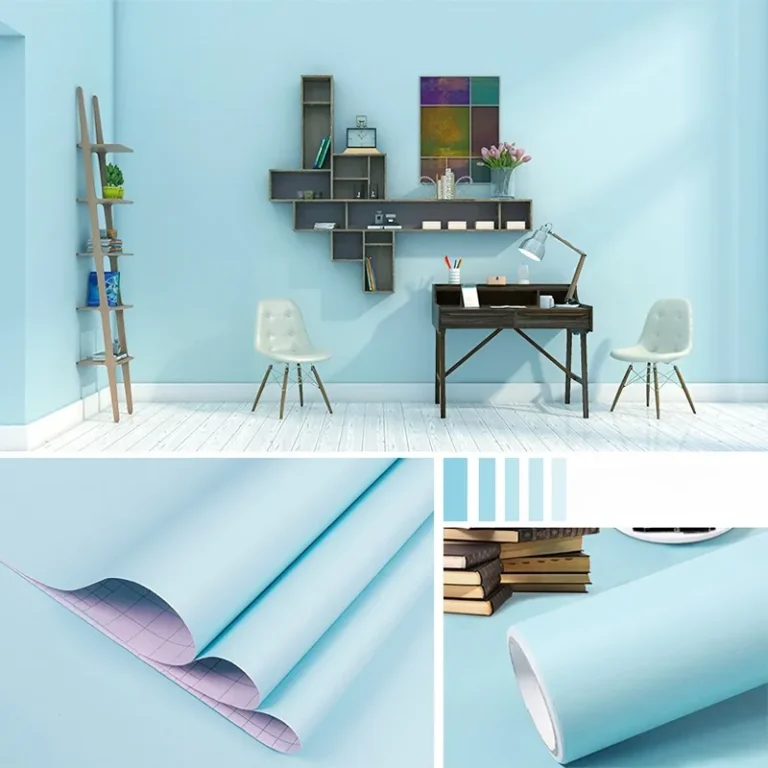
Understanding the physical properties of PVC film is essential for manufacturers, designers, and engineers who rely on this versatile material for countless applications. From furniture surfaces and wall coverings to flooring and protective packaging, PVC film delivers a unique combination of strength, flexibility, and long-term durability that few other materials can match. Its performance is defined by a range of measurable characteristics, including tensile strength, elongation, tear resistance, surface gloss, and dimensional stability under varying temperatures. Whether you are sourcing PVC calendered film for decorative or industrial use, a solid grasp of these physical attributes ensures the right material selection for your project.
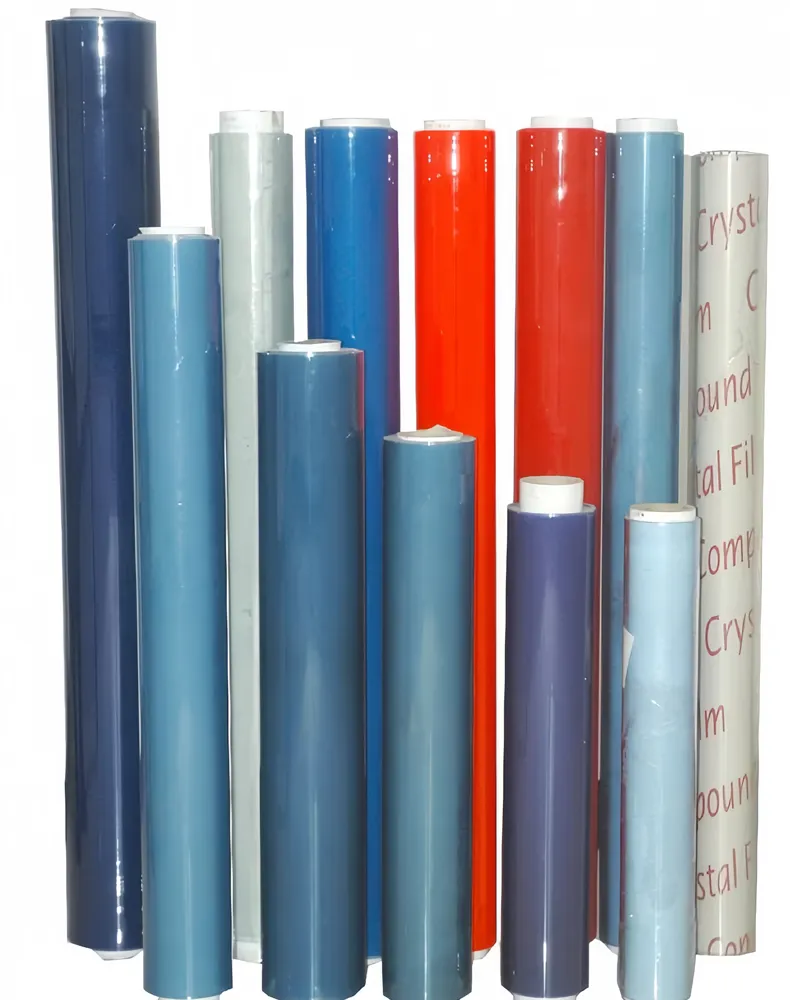
Tensile strength is one of the most critical indicators when evaluating the physical properties of PVC film. It measures the maximum stress a film can withstand while being stretched before breaking. PVC films typically exhibit excellent tensile strength, making them resistant to tearing during application and everyday use. According to plastic film tensile testing standards such as ASTM D882, PVC films used in furniture and flooring applications often show tensile strength values that ensure reliable performance under mechanical stress.
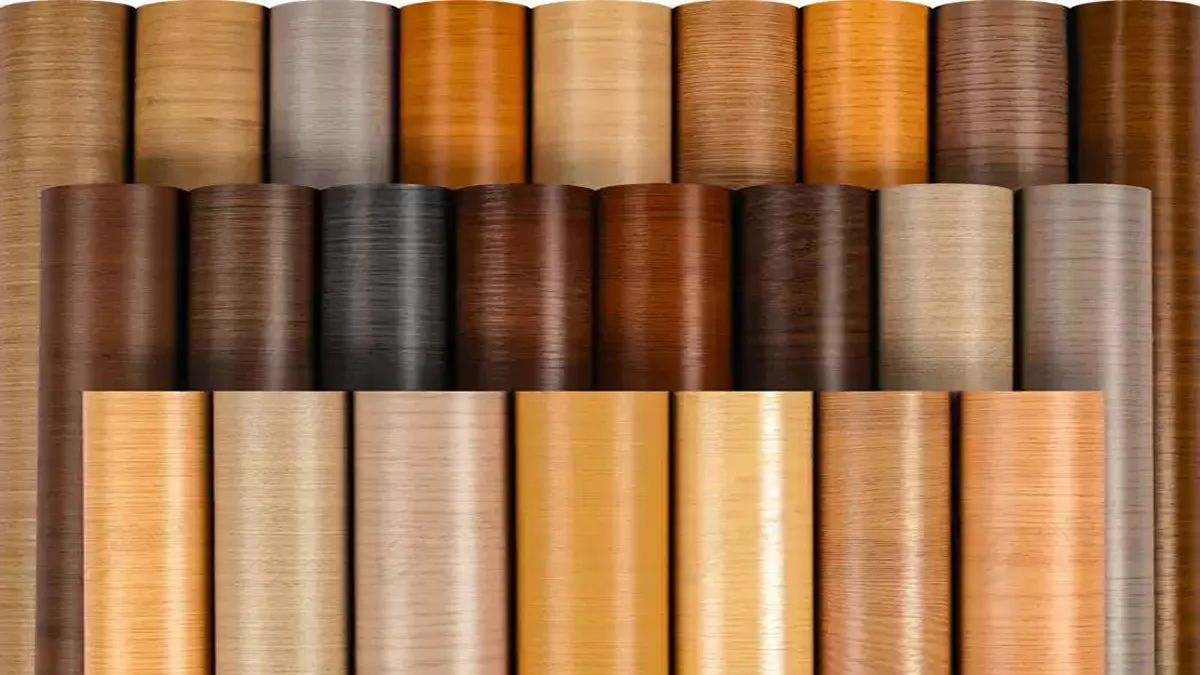
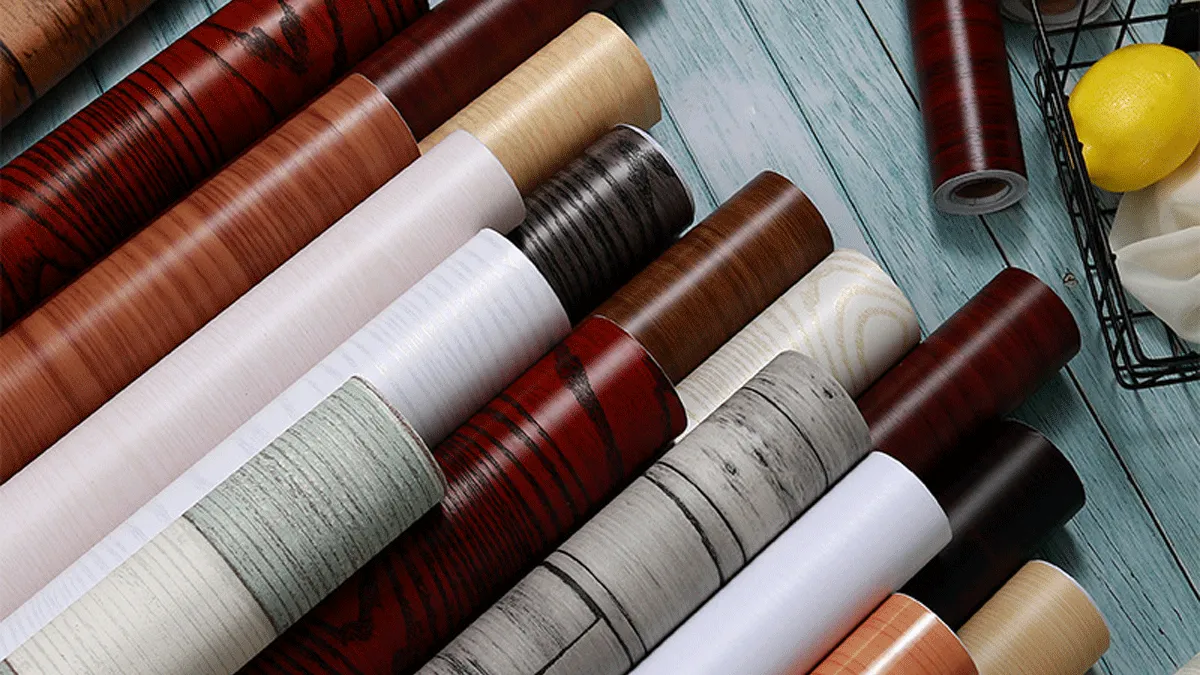
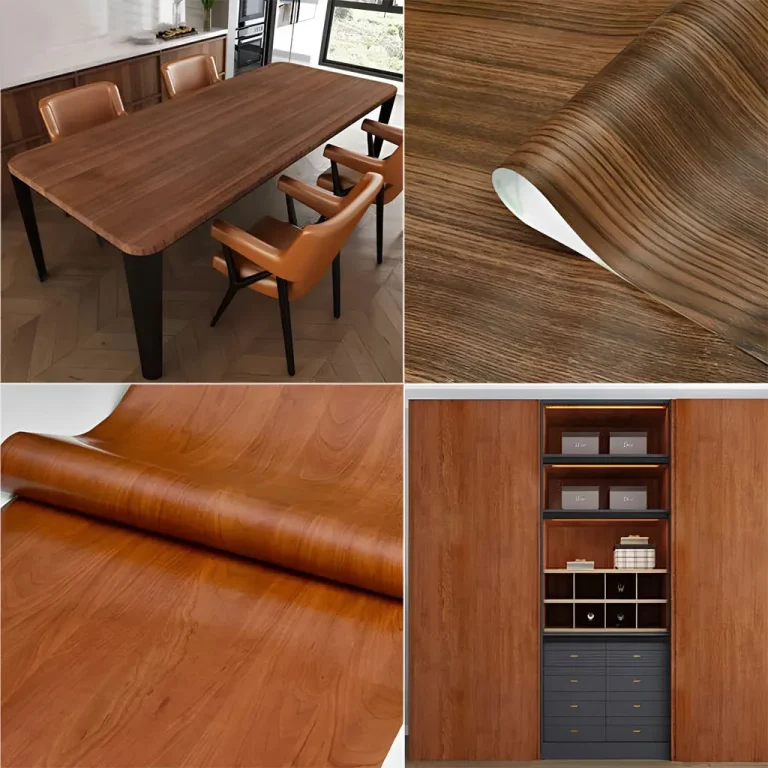
Elongation at break, which measures how much a film can stretch before failure, is equally important. High elongation values indicate superior flexibility, allowing the film to conform to curved or irregular surfaces without cracking. This property is especially valuable in wood grain film applications for furniture edges and door panels, where the material must wrap around complex profiles seamlessly.
Flexibility is a defining characteristic of high-quality PVC film. The material’s inherent pliability allows it to be applied over substrates with varying geometries, including MDF, particleboard, plywood, and even metal surfaces. This property is influenced by plasticizer content and the film’s formulation, which can be adjusted to achieve the desired balance between softness and rigidity. For decorative applications, superior conformability means fewer installation defects and a smoother, more professional finish.
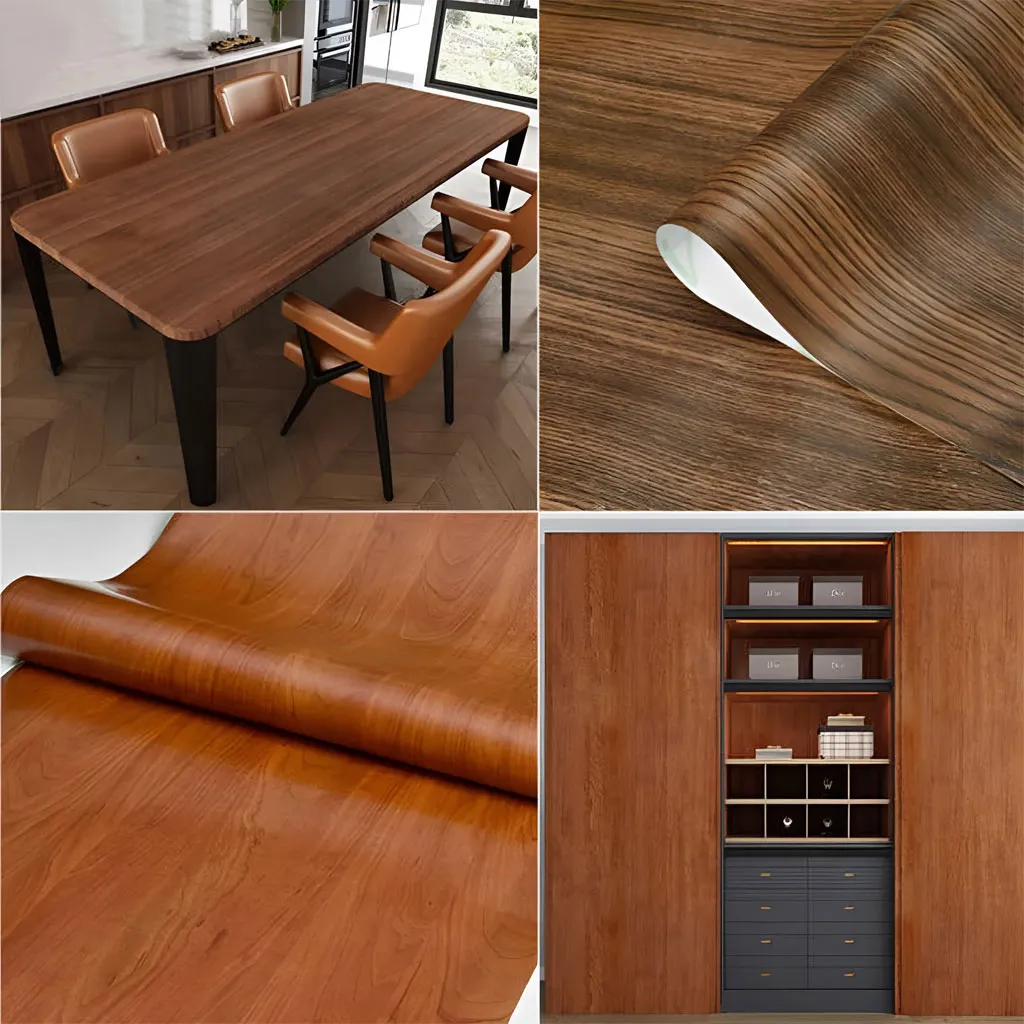
Durability in PVC film is closely linked to its tear resistance and long-term mechanical integrity. Testing methods such as ASTM D1004 and D1922 evaluate a film’s ability to resist tearing under force, which is critical for products exposed to daily wear and tear. Plastic film tear resistance testing provides quantitative data that helps manufacturers ensure consistent product quality across production batches.
PVC films designed for high-traffic environments, such as flooring and wall coverings, are engineered with enhanced durability features. These include thicker gauge options and surface treatments that improve scratch and abrasion resistance. The combination of mechanical strength and chemical stability allows PVC films to maintain their appearance and functionality over extended periods, even in demanding commercial settings.
Impact resistance is another key parameter when assessing the physical properties of PVC film. This property determines how well the film can absorb sudden forces without puncturing or deforming. The ASTM D1709 standard for plastic film impact resistance provides a reliable framework for evaluating this characteristic. PVC films with high impact resistance are ideal for protective applications, including surface guards, isolation films, and transportation packaging.
The visual performance of PVC film is defined by several optical properties that directly affect the end product’s appearance. Gloss levels can range from high-gloss mirror finishes to deep matte textures, depending on the surface treatment and embossing technology used. Haze and light transmittance, measured per ASTM D1003, are particularly relevant for transparent and translucent films used in packaging and protective overlays. Consistent optical quality is a hallmark of well-manufactured PVC films, ensuring uniform appearance across large production runs.
Dimensional stability refers to a film’s ability to retain its shape and size when exposed to temperature changes. PVC film dimensional stability testing, conducted according to ASTM D1204, measures shrinkage and expansion under controlled heating conditions. This property is crucial for applications where precise fit and appearance must be maintained over time, such as in laminated furniture panels and interior wall coverings. Thermal shrinkage testing per ASTM D2732 further ensures that PVC films perform reliably in environments subject to temperature fluctuations.
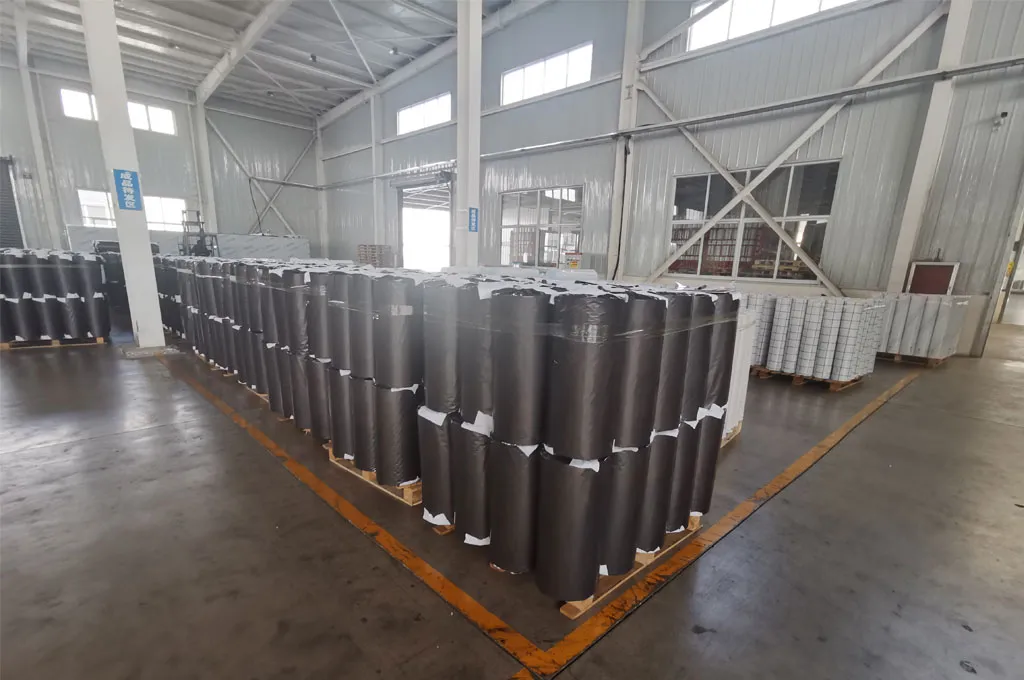
The coefficient of friction (COF) of PVC film affects both processing efficiency and end-use performance. A controlled surface friction level facilitates smooth unwinding, cutting, and lamination during manufacturing, while also influencing the tactile feel of the finished product. Soft-touch films, for example, are formulated to provide a pleasant velvety surface with optimized slip characteristics. Testing per ASTM D1894 helps manufacturers quantify and control these friction properties to meet specific application requirements.
The following table summarizes the primary physical properties evaluated for PVC films and the corresponding industry standards used for testing:
| Physical Property | Relevant Standard | Significance |
|---|---|---|
| Tensile Strength & Elongation | ASTM D882 / ISO 527-3 | Measures load-bearing capacity and stretch before break |
| Tear Resistance | ASTM D1004 / ASTM D1922 | Indicates resistance to tearing during use and installation |
| Impact Resistance | ASTM D1709 | Evaluates toughness under sudden force |
| Gloss & Haze | ASTM D2457 / ASTM D1003 | Defines visual appearance and clarity |
| Dimensional Stability | ASTM D1204 / ISO 11501 | Measures shrinkage under heat exposure |
| Coefficient of Friction | ASTM D1894 / ISO 8295 | Affects handling, stacking, and surface feel |
| Thickness & Gauge Control | ASTM D6988 / ISO 4593 | Ensures uniformity across production batches |
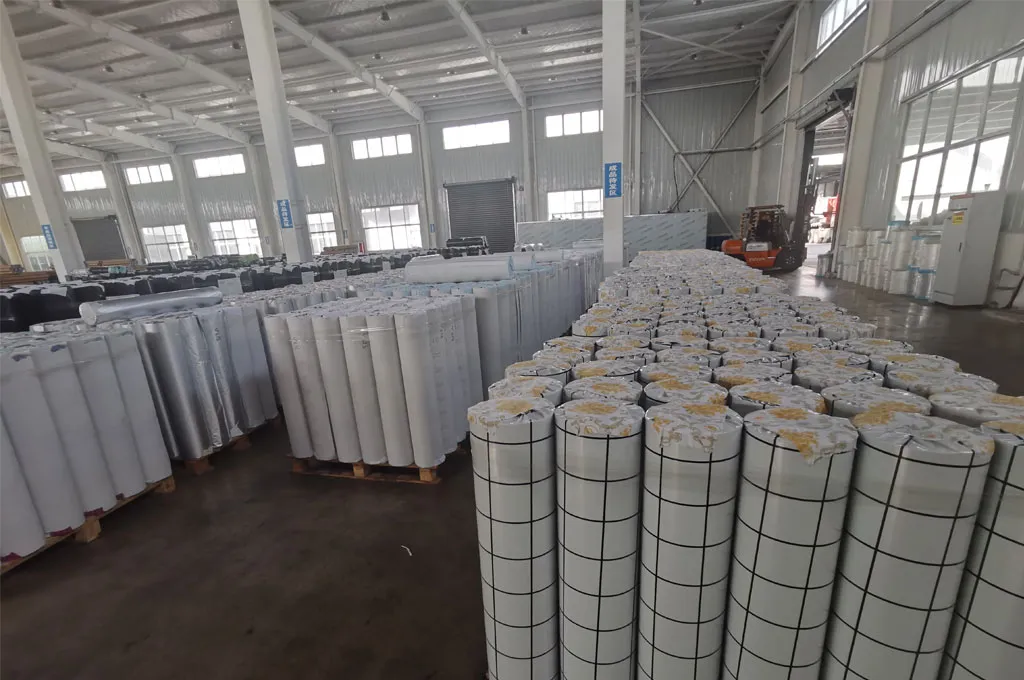
Achieving reliable and repeatable physical properties in PVC film requires precision manufacturing and rigorous quality control. Henan Pulivk New Materials Co., Ltd. operates advanced calendering lines, printing lines, and split-packaging lines under one roof, enabling full oversight of the production process from raw material processing to finished packaging. This integrated approach ensures that every roll of film delivered to customers meets strict specifications for thickness, color consistency, surface finish, and mechanical performance. In-house quality control checkpoints monitor key parameters at every stage, guaranteeing that the physical properties of PVC film remain stable and predictable across all orders.
Explore our range of high-performance PVC films engineered for superior physical properties and reliable application results:
For more information about our PVC film solutions and to discuss your specific application requirements, contact our team or browse our complete product catalog to find the right film for your project.