Address
304 North Cardinal St.
Dorchester Center, MA 02124
Work Hours
Monday to Friday: 7AM - 7PM
Weekend: 10AM - 5PM
Address
304 North Cardinal St.
Dorchester Center, MA 02124
Work Hours
Monday to Friday: 7AM - 7PM
Weekend: 10AM - 5PM


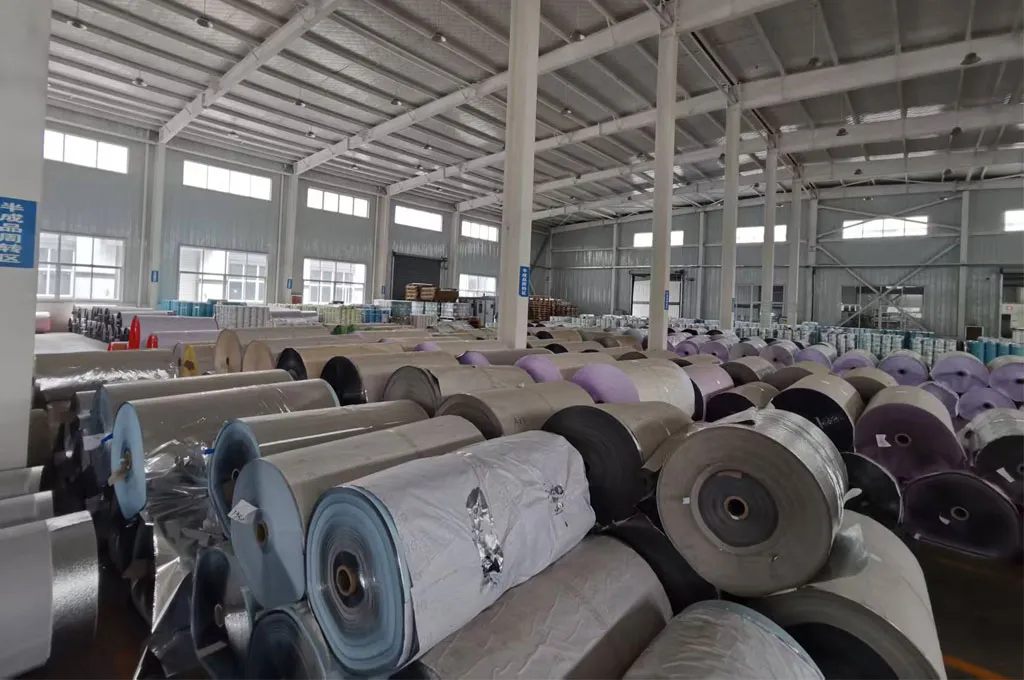
The choice between PP protective film and PET film matters for packaging, surface protection, and industrial uses. This guide compares polypropylene (PP) protective film vs polyethylene terephthalate (PET) film, explains practical differences, common applications, and clear criteria for choosing the right film for your project.
PP protective film (polypropylene) is lightweight, cost-effective, and offers good chemical resistance and flexibility. It’s widely used for temporary surface protection, packaging, and wrapping fragile goods. PET film (polyethylene terephthalate) delivers higher tensile strength, excellent clarity, and superior heat resistance—commonly used where dimensional stability, optical clarity, or thermal performance is required.
| Property | PP Protective Film | PET Film |
|---|---|---|
| Material | Polypropylene (semi-crystalline) | Polyethylene terephthalate (amorphous/crystalline) |
| Transparency | Good, slightly hazy at thicker gauges | Excellent optical clarity |
| Tensile strength & stiffness | Moderate — flexible | High — dimensionally stable |
| Heat resistance | Lower — softens earlier | Higher — good for hot processes |
| Chemical resistance | Good against many solvents | Excellent, durable against cleaners |
| Cost | Lower cost — economical for high-volume jobs | Higher cost — premium performance |
| Typical applications | Surface protection, packaging, labels, temporary wraps | Optical films, electronics, heat-sealable layers, decorative overlays |
Transparency & finish: PET offers near-glass clarity ideal for displays and printed overlays. PP is available in clear and matte finishes; choose PP when glare reduction or cost savings matter.
Strength & durability: For heavy-duty protection—resistant to tearing and stretching—PET usually performs better. PP provides flexibility and is less brittle at low temperatures.
Thermal & process compatibility: PET withstands higher processing temperatures, making it better for heat-seal or high-temperature assembly lines. PP is suitable for ambient or low-heat applications.
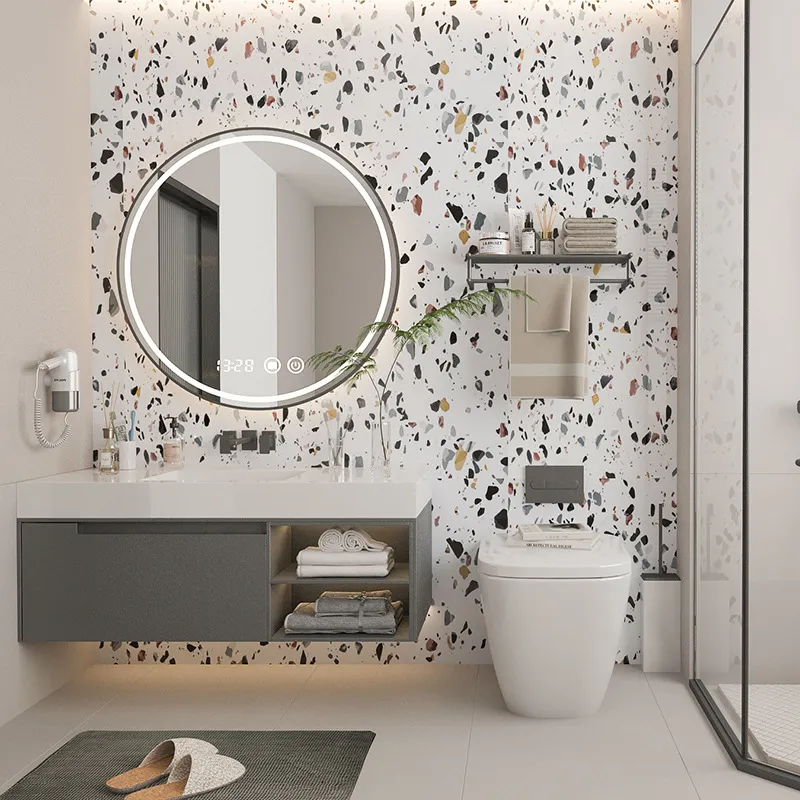
PP protective film use cases: temporary protection for painted surfaces, furniture, glass, metal sheets; economical packaging wrap; anti-scratch film during transport.
PET film use cases: protective overlays for LCD/LED screens, high-clarity packaging, insulation layers in electronics, and applications requiring stable dimensions and heat resistance.
If your priority is cost and flexibility, choose PP protective film. If you need optical clarity, heat resistance, and higher strength, PET film is the better choice.
Consider these criteria:
Budget: PP is more economical for large volumes.
Surface sensitivity: For delicate finishes, choose the film with the right adhesive level—low-tack PP for very sensitive paints.
Thermal exposure: Use PET for processes above PP’s softening point.
Clarity needs: Use PET for display-grade transparency.
Installation: Keep surfaces clean, apply slowly to avoid trapped air, and use a roller for uniform adhesion. Match adhesive tack to surface sensitivity.
Removal: Remove within the recommended dwell time to avoid adhesive residue—PET adhesives often allow cleaner removal at higher temps.
Recycling & disposal: Both PP and PET are recyclable in many programs, but local recycling availability varies—check municipal guidelines for film plastics.
For tailored sizes, custom printing, and stable production lead times, consider suppliers with full in-house capabilities like Pulivk (Henan Pulivk New Materials Co., Ltd.) — https://pvcfilmtec.com/.
Choose PP protective film for budget-conscious, flexible protection tasks and PET film when clarity, strength, and heat resistance are critical. Match adhesive types and film thickness to the substrate and intended dwell time to ensure optimal protection and easy removal.