Address
304 North Cardinal St.
Dorchester Center, MA 02124
Work Hours
Monday to Friday: 7AM - 7PM
Weekend: 10AM - 5PM
Address
304 North Cardinal St.
Dorchester Center, MA 02124
Work Hours
Monday to Friday: 7AM - 7PM
Weekend: 10AM - 5PM


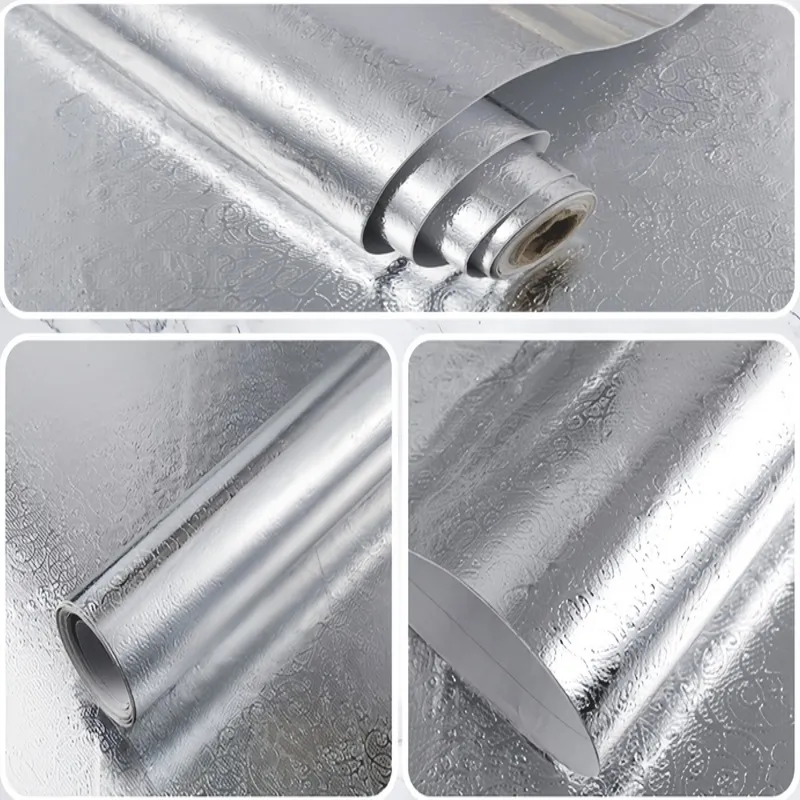
PVC anti-fouling film surface treatment is a critical step for achieving long-lasting, easy-to-clean finishes on furniture, cabinetry, flooring and protective overlays. Proper treatment improves stain resistance, reduces maintenance, and extends service life—especially in high-traffic or food-prep environments. This guide explains proven methods, practical application tips, and testing points to help manufacturers, specifiers and installers choose the best approach for durable, clean PVC film finishes.
Surface treatment changes surface energy, adds protective chemistry, or creates microtextures that repel oils, water, and grime. For commercial kitchens, hospitals, or busy homes, a well-treated PVC film reduces cleaning time and preserves appearance. Treatments can also improve scratch resistance and print stability for decorative films.
The most effective surface treatments fall into two categories: surface energy modification and protective coatings. Choose based on end-use, budget, and required lifetime.
Corona and low-pressure plasma treatments raise surface energy to improve adhesion of subsequent coatings, primers, or inks. They are ideal before applying hydrophobic or oleophobic coatings and are commonly used in continuous production lines for PVC films.
Fluorinated or silicone-based topcoats create surfaces that repel oils and water, preventing stains from bonding. These coatings are often thin, transparent, and can be applied by roll coating, spray or gravure. They are a standard for kitchen-grade anti-oil films and wear surfaces.
UV-curable anti-fouling coatings deliver fast cure, excellent abrasion resistance and excellent chemical resistance. They support high-speed production and provide a hard, cleanable surface—useful for decorative and flooring films.
Silicone-based treatments provide low surface energy and easy-release properties for grease and adhesives. These are useful for temporary protective films or applications where residue-free removal is important.
Anti-static agents reduce dust attraction on decorative films and coated PVC. Combining anti-static with hydrophobic treatments helps keep surfaces cleaner longer in dusty climates or industrial settings.
Micro-embossing creates surface channels that reduce visible fingerprints and help distribute liquid into discrete areas, reducing streaking. Textured anti-fouling films combine aesthetic benefits with functional cleanliness.
| Method | Best for | Durability | Typical lifespan |
|---|---|---|---|
| Corona / Plasma | Adhesion prep | N/A (pre-treatment) | Immediate (enables coatings) |
| Hydrophobic / Oleophobic Coatings | Kitchen, bathrooms, touch surfaces | High | 2–7 years (varies by wear) |
| UV-cured Coatings | High-wear floors, furniture | Very High | 5–10 years |
| Silicone Release | Temporary protection, release liners | Medium | Months to years |
| Anti-static Finish | Electronics, low-dust surfaces | Medium | 1–5 years |
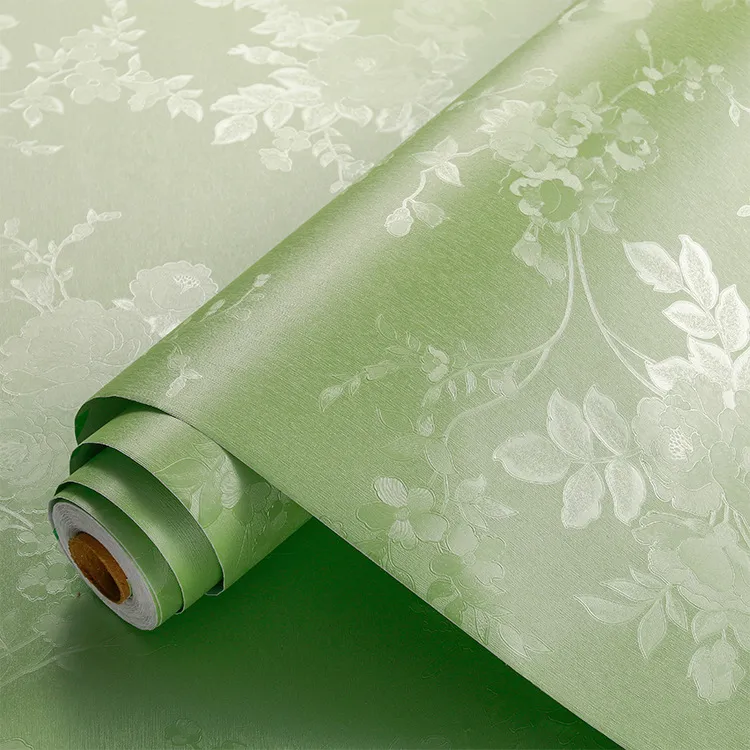
To preserve anti-fouling performance, use neutral pH cleaners and soft cloths. Avoid aggressive solvents or abrasive pads that can remove thin functional coatings. For kitchen and public settings, schedule regular cleaning cycles and periodic re-coating depending on wear—spot test to determine when hydrophobic properties decline.
Key QC tests include contact angle (hydrophobicity), abrasion resistance (taber/tester values), adhesion (cross-cut), chemical resistance (common oils and detergents) and visual gloss or haze measurements. Combining these metrics provides a reliable prediction of in-service performance.
Match the treatment to end-use: UV-cured hardcoats for heavy wear; hydrophobic/oleophobic for kitchens and bathrooms; silicone release for temporary protection. For manufacturers seeking turnkey options or OEM customization, Pulivk (https://pvcfilmtec.com/) offers full in-house PVC film production and coating capabilities to support tailored anti-fouling finishes.
Optimizing anti-fouling performance is a balance of surface preparation, correct coating chemistry, and controlled curing. Well-executed surface treatments reduce maintenance, preserve aesthetics and provide measurable ROI—especially where cleanliness and appearance are essential.