Address
304 North Cardinal St.
Dorchester Center, MA 02124
Work Hours
Monday to Friday: 7AM - 7PM
Weekend: 10AM - 5PM
Address
304 North Cardinal St.
Dorchester Center, MA 02124
Work Hours
Monday to Friday: 7AM - 7PM
Weekend: 10AM - 5PM


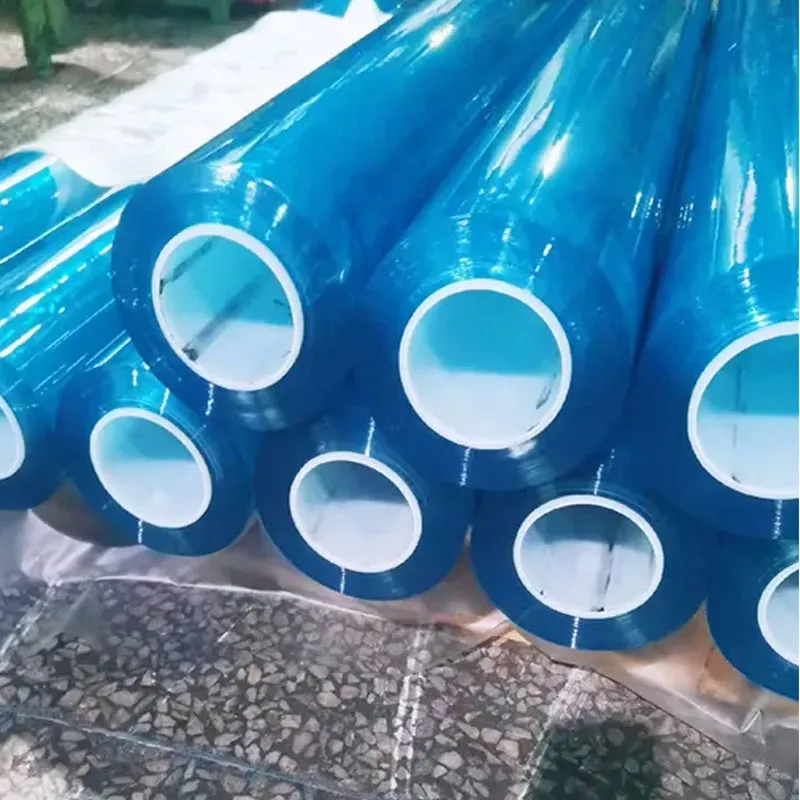
PVC anti-static film is a specialized surface film engineered to control static charge on plastic-coated surfaces. For manufacturers, designers, and specifiers, understanding surface resistance — how it is measured, what performance ranges mean, and why it matters in real-world applications — helps you choose the right film for electronics packaging, cleanroom covers, or decorative surfaces that must avoid static dust attraction.
Surface resistance (often expressed as surface resistivity, in ohms per square, Ω/□) describes how easily electrical charge moves across the film surface. Lower numbers mean charges bleed away quickly; higher numbers mean the surface holds charge and behaves like an insulator. For anti-static PVC film, the target is usually a controlled, dissipative range so charges decay safely without sudden discharges.
Choosing a conductive film can be risky in many environments because it may short circuit sensitive components, while an insulative film will allow charges to build up, attracting dust and risking electrostatic discharge (ESD). Dissipative PVC anti-static films provide the ideal middle ground: they safely drain static charge at a controlled rate.
Anti-static performance is achieved through additives, coatings, or embedded conductive/dissipative layers. Common approaches include permanently bonded antistatic agents dispersed in the polymer matrix or surface-applied coatings that attract moisture to lower surface resistance. These methods ensure the film moves charges away from a point of contact and prevents static build-up over time.
Intrinsic additives: Mixed into the PVC during calendering to provide long-lasting, uniform dissipation.
Surface coatings: Applied after film formation for targeted performance (may require reapplication in harsh conditions).
Composite layers: Multi-layer films combine decorative or protective layers with a thin dissipative layer to preserve aesthetics while providing ESD control.
Surface resistivity is commonly measured using standardized methods (for example ASTM D257 or IEC standards for ESD materials). Results are reported in ohms per square (Ω/□). The classification below helps translate numbers into practical selection guidance.
| Category | Surface Resistivity (Ω/□) | Typical Use |
|---|---|---|
| Conductive | < 1×10^5 | Specialized grounding/EMI shielding |
| Dissipative (anti-static) | 1×10^5 – 1×10^12 | Electronics packaging, cleanrooms, protective overlays |
| Insulative | > 1×10^12 | Decorative finishes where static is not managed |
When selecting anti-static PVC film, surface resistance influences:
• Electronics packaging: lower dissipative values prevent charge accumulation that could damage components.
• Cleanrooms & labs: controlled dissipation reduces particulate attraction and contamination risk.
• Decorative and functional overlays: keeps dust away from glossy and matte surfaces while maintaining aesthetic performance.
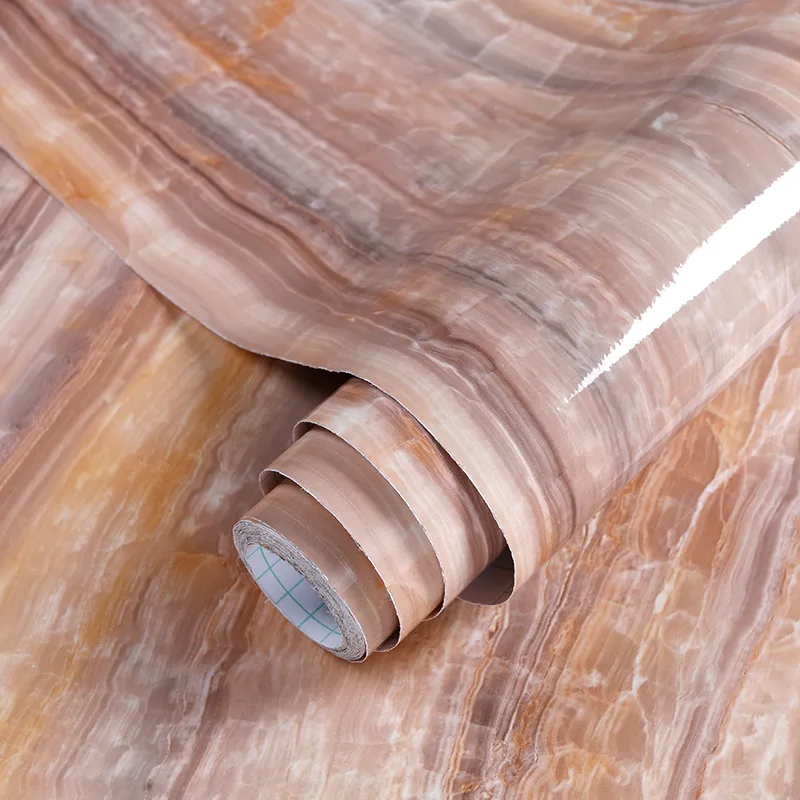
Higher anti-static performance can sometimes affect film clarity, gloss, or dry feel. Modern calendered and multi-layer films manage this trade-off, delivering consistent anti-static behavior without sacrificing appearance in many cases.
Consider these factors before ordering:
• Target surface resistivity range based on application and ESD sensitivity.
• Durability of anti-static treatment — permanent vs. temporary coatings.
• Visual and tactile requirements (gloss, texture, color).
• Environmental conditions: humidity affects surface resistivity; dissipative films perform more predictably across a range of humidity levels.
Regular testing with a surface resistance meter is recommended for mission-critical uses. If the film uses a surface-applied antistatic coating, periodic inspection and reconditioning may be necessary to keep performance in spec. When possible, choose films with intrinsic antistatic additives for long-term stability.
Before finalizing your supply, confirm the following with suppliers:
• Measured surface resistivity values and test method (ASTM/IEC).
• Durability statement for the anti-static treatment.
• Samples for visual and ESD testing.
• Lead times and OEM customization options if you need printed or colored anti-static films.
Henan Pulivk New Materials Co., Ltd. offers full in-house production with calendering, printing, and split-packaging lines—supporting tailored anti-static PVC films, stable lead times, and global export experience.
Request a sample to measure surface resistance in your operating environment, and review appearance and adhesion properties under real-world conditions. A short material validation will ensure the PVC anti-static film you choose meets both ESD control and aesthetic needs.