Address
304 North Cardinal St.
Dorchester Center, MA 02124
Work Hours
Monday to Friday: 7AM - 7PM
Weekend: 10AM - 5PM
Address
304 North Cardinal St.
Dorchester Center, MA 02124
Work Hours
Monday to Friday: 7AM - 7PM
Weekend: 10AM - 5PM


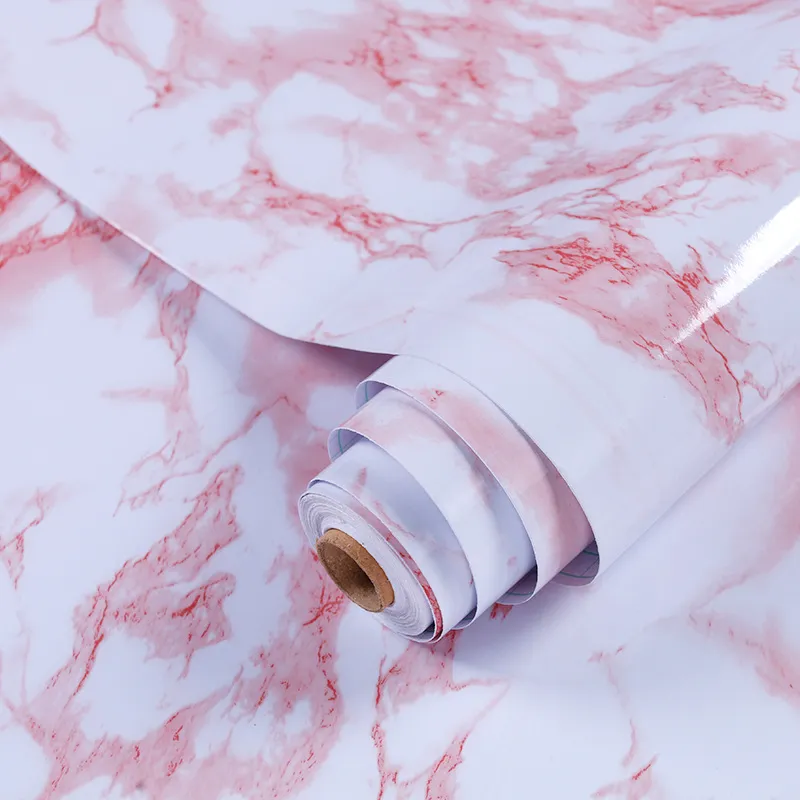
PVC anti-yellowing film is a critical advancement for manufacturers, interior designers, and homeowners who need decorative and protective PVC films that retain color and clarity over time. This guide explains the science, production techniques, selection tips, and real-world applications so you can choose durable, long-lasting PVC films for furniture, skirting, flooring, and more.
Yellowing in PVC films is primarily caused by oxidation and UV-induced polymer degradation. Heat, light, and additives (or their absence) accelerate chain scission and formation of chromophores that create a yellow tint. Understanding these mechanisms helps manufacturers target the right anti-yellowing strategies during formulation and production.
UV exposure: UV photons break molecular bonds, producing free radicals that oxidize PVC.
Heat and processing: High calendering temperatures can trigger thermal discoloration if stabilizers are insufficient.
Impurities and plasticizers: Contaminants and certain plasticizers can accelerate yellowing over time.
Modern anti-yellowing PVC films rely on a balanced package of stabilizers and UV blockers. Manufacturers combine primary and secondary stabilizers, light absorbers, and radical scavengers to protect polymer chains during both processing and service life.
Lead-free thermal stabilizers: Calcium-zinc and organic stabilizers replace older lead systems for long-term thermal stability.
UV absorbers: Benzotriazoles and benzophenones absorb harmful UV wavelengths before they damage the film.
Hindered amine light stabilizers (HALS): HALS capture and neutralize free radicals generated by UV exposure, providing long-term protection.
Antioxidants: Phenolic antioxidants delay thermal oxidation during processing and service life.
Controlled processing and finishing are as important as formulation. High-quality calendered PVC films benefit from precise temperature control, clean compounding, and optional protective coatings or lacquer layers to further block UV and chemical attack.
In-line filtration and impurity control: Reduces catalysts for degradation.
Optimized calendering parameters: Lower residence times and stable roll temperatures minimize thermal stress.
Surface coatings: UV-resistant lacquers or acrylic topcoats add a sacrificial barrier for high-exposure applications.
Choosing the right film means checking standardized test results. Look for UV resistance (accelerated weathering hours), color stability indexes (ΔE values), and adhesion/durability tests relevant to your application.
| Specification | Typical Measurement | Application Relevance |
|---|---|---|
| UV Accelerated Weathering | 500–2000 hours (higher = better) | Outdoor trim, wet areas, kitchens |
| ΔE Color Change | ≤ 2 (premium films) | Visible color stability for furniture finishes |
| Thermal Stability | Process-safe at recommended calender temps | Manufacturing yield and consistency |
For cabinets, wardrobes, and skirting boards choose glossy or matte PVC films with high HALS content and UV absorbers to maintain color when exposed to indoor sunlight through windows.
Use films with additional protective coatings and high chemical resistance to oils and detergents. These often include anti-yellowing lacquer layers designed to withstand steam and cooking vapors.
Even the best anti-yellowing films benefit from proper handling and care. During installation, avoid exposure to excessive heat sources and use recommended adhesives. For maintenance, clean with pH-neutral detergents and avoid abrasive cleaners that damage top coats.
Do: store rolls in shaded, cool conditions; perform adhesion tests before full application.
Don’t: expose fresh films to direct, intense sunlight for extended periods immediately after installation.
Is your PVC film yellowing prematurely? Check for high-temperature exposure, incompatible adhesives, or a lack of UV stabilizers in the product specification. A ΔE test and accelerated UV exposure test can help diagnose whether the issue is formulation or installation-related.
Verify processing temperatures, confirm the film’s UV/weathering ratings, and inspect surrounding materials (paints, sealants) for volatile compounds that can migrate into the film and cause discoloration.
Choose PVC films produced with lead-free stabilizers and minimal harmful plasticizers. Where possible, select manufacturers offering split-packaging to reduce waste and options for film recycling. Improved formulations can extend service life, reducing replacement frequency and overall environmental impact.
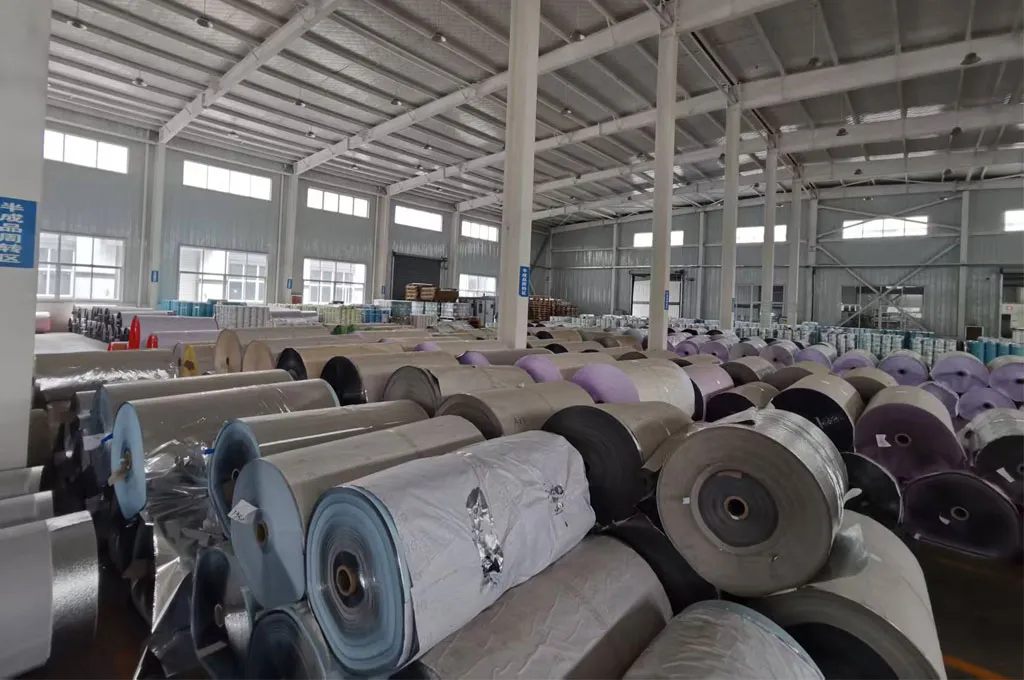
For private label or custom projects, many suppliers offer tailored thicknesses, colors, prints, and protective coatings. For sourcing direct from an integrated manufacturer, consider partners with complete in-house production capabilities and quality control across calendering, printing, and packaging, such as Pulivk.
Look for stable lead times, strict QC checkpoints, and proven export experience if you plan large-volume or international orders. Flexible split-packaging and OEM capabilities speed time-to-market for branded products.
Match film specs to exposure conditions, verify anti-yellowing additive packages, confirm accelerated weathering results, and select appropriate surface finishes and coatings to extend visual life. Proper selection and handling will maximize the lifespan and aesthetic value of PVC films across applications.