Address
304 North Cardinal St.
Dorchester Center, MA 02124
Work Hours
Monday to Friday: 7AM - 7PM
Weekend: 10AM - 5PM
Address
304 North Cardinal St.
Dorchester Center, MA 02124
Work Hours
Monday to Friday: 7AM - 7PM
Weekend: 10AM - 5PM


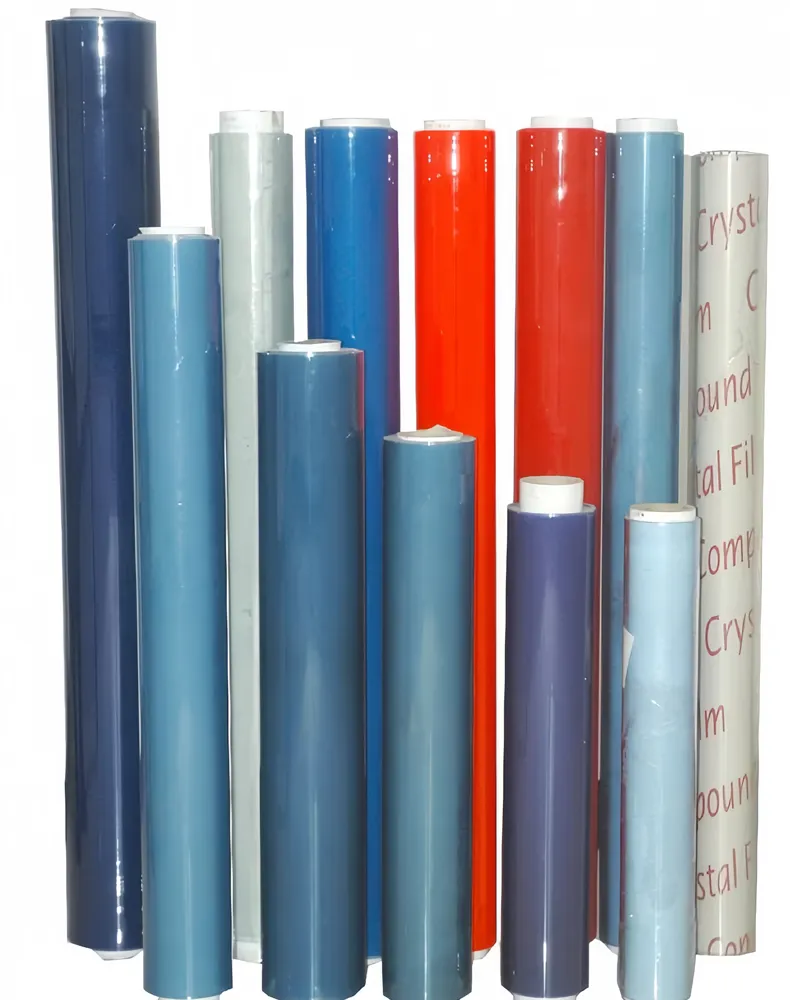
PVC calendered film is a versatile, cost-effective plastic sheet widely used in industrial and commercial projects for decoration, protection, and packaging. This article explains what calendered PVC film is, its main benefits, common applications, specification guidance, and selection tips for manufacturers, contractors, and procurement teams.
PVC calendered film is produced by passing polyvinyl chloride compounds through heated rollers to form thin, uniform sheets. The calendering process delivers films with consistent thickness, excellent surface finish, and a wide range of textures—from glossy and matte to wood grain and metallic effects. These films can be produced in single-layer or multi-layer constructions, and they are often printed, embossed, or laminated for added functionality.
• Dimensional stability: Good flatness and predictable shrinkage control for most indoor applications.
• Surface finish: Available in glossy, matte, silk, and textured patterns to match aesthetic requirements.
• Chemical resistance: Resists water, many household chemicals, and mild solvents when properly formulated.
• Adhesion-ready: Works with pressure-sensitive adhesives or can be laminated to substrates like MDF, metal, glass, and plastic.
• Cost-efficiency: Calendered PVC offers an economical balance between performance and price compared with cast or extrusion films.
• Quick customization: Fast color changes and printing runs make calendered film ideal for private-label and short-lead projects.
• Wide application range: Suitable for furniture wrapping, wall coverings, floor protective films, and packaging layers.
• Consistent quality: Calendering lines maintain tight thickness tolerances that help production repeatability and installation predictability.
| Type | Thickness (mm) | Typical Uses |
|---|---|---|
| Transparent/Frosted Film | 0.05–0.30 | Protective overlays, appliance covers, barrier films |
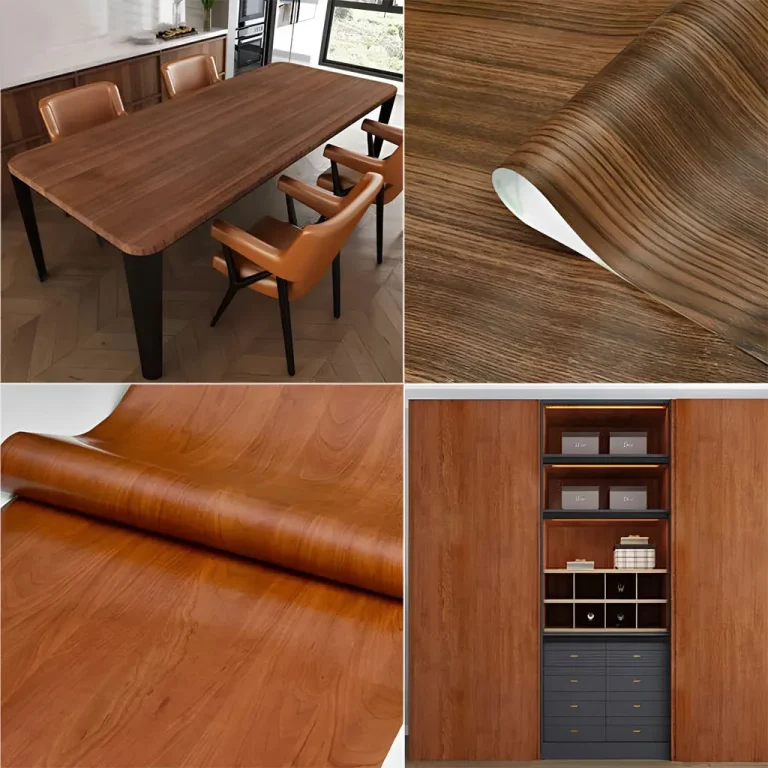
| Decorative (Wood/Marble/Gloss) | 0.08–0.35 | Furniture wrapping, cabinetry, wardrobe panels |
| Antistatic / Protective | 0.05–0.20 | Electronics protection, surface guards |
| Self-adhesive Film | 0.08–0.30 | Decorative stickers, signage, retail displays |
• Furniture and interior finishes: Calendered film is widely applied to MDF doors, panels, and skirting to provide durable, visually consistent surfaces with budget-friendly installation.
• Protective packaging: Thin transparent calendered films are used as dust-proof and scratch-proof inner layers for appliances and furniture during transit.
• Automotive & marine trim: Decorative or protective films can be used on interior trims, protective masking, and temporary covers during assembly.
• Point-of-sale and signage: Printed calendered films offer high-resolution graphics for short-to-medium-term displays.
• Floor and wall coverings: Cost-effective alternatives to natural materials for retail fit-outs and office renovations.
• Kitchen & bathroom applications: Oil-proof and water-resistant film finishes simplify maintenance and reduce renovation costs.
• Confirm thickness and surface type against the intended substrate and expected wear.
• Request sample rolls to test adhesion, print compatibility, and edge-sealing behavior before bulk purchase.
• Check UV and heat resistance if the film will be exposed to sunlight or high temperatures.
• Evaluate whether single-layer or multi-layer films better meet barrier and mechanical requirements.
• Proper substrate preparation (clean, dry, smooth) ensures strong adhesion and longer life.
• Use compatible adhesives and primers for best results on metal, glass, and coated surfaces.
• Routine cleaning with mild detergents preserves appearance; avoid strong solvents that may damage the PVC surface.
Modern PVC calendered films can be formulated for lower emissions and improved recyclability. For projects requiring environmental compliance, ask suppliers about phthalate-free options, recyclability programs, and material safety data sheets (MSDS) to ensure alignment with regulatory or corporate standards.
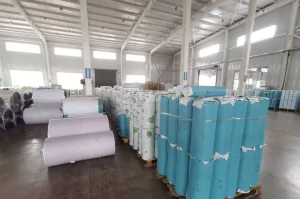
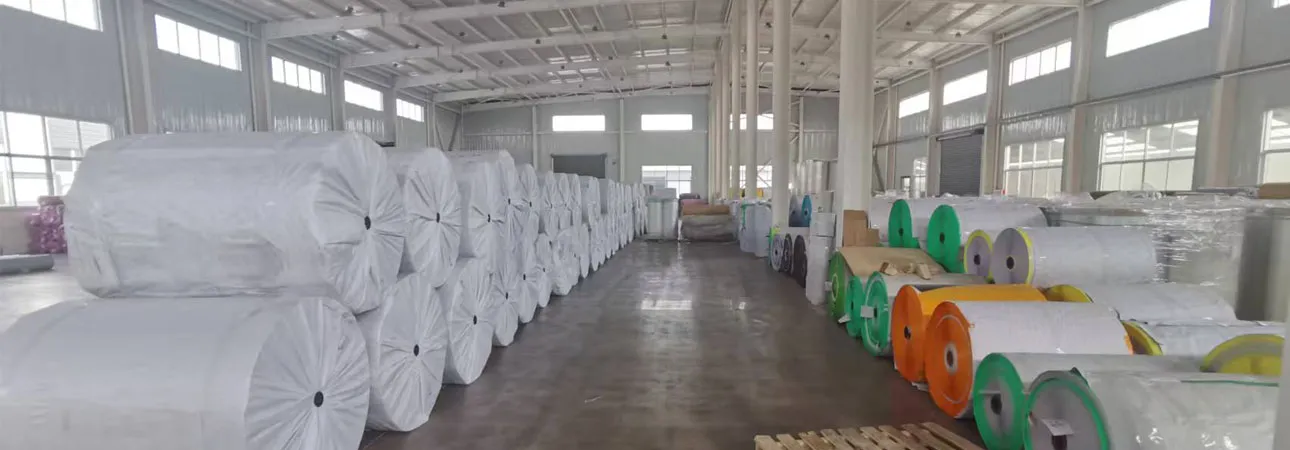
Henan Pulivk New Materials Co., Ltd. (Pulivk) operates a full in-house production chain—calendering, printing, and split-packaging—allowing for tight quality control and customized OEM options: https://pvcfilmtec.com/
• Desired texture & color confirmed
• Minimum order quantity and lead time agreed
• Certification & MSDS provided
• Sample approved for adhesion and durability
For industrial or commercial projects where appearance, protection, and budget control matter, PVC calendered film is a proven choice. Selecting the right type and working closely with a supplier that can provide samples, consistent production, and reliable lead times will reduce risk and keep projects on schedule.