Address
304 North Cardinal St.
Dorchester Center, MA 02124
Work Hours
Monday to Friday: 7AM - 7PM
Weekend: 10AM - 5PM
Address
304 North Cardinal St.
Dorchester Center, MA 02124
Work Hours
Monday to Friday: 7AM - 7PM
Weekend: 10AM - 5PM


 ByPulivk
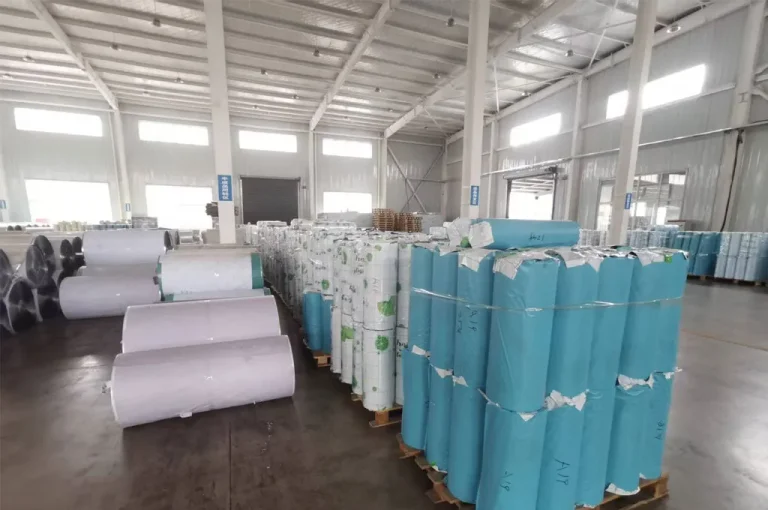
The PVC cast film process is a specialized manufacturing method that produces high-quality, thin-gauge polyvinyl chloride films with exceptional clarity, uniform thickness, and smooth surface finishes. Unlike calendering, the casting method dissolves resin in plasticizers and solvents before spreading the mixture onto a moving carrier belt or release paper. This guide explores every stage of the PVC cast film process, from raw material selection to finished product applications, helping you understand why it is the preferred choice for premium decorative and functional films.
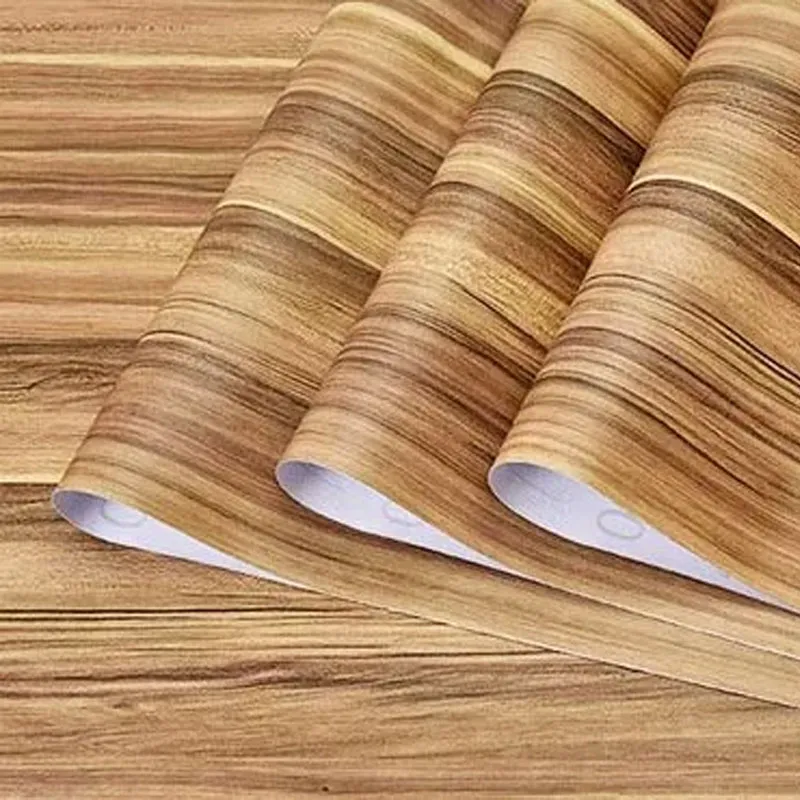
PVC cast film is a high-performance plastic film produced through a solvent-based or plastisol casting technique. The process allows for precise control over thickness, optical properties, and surface texture. Films produced via this method are widely used in industries requiring superior finish and consistency, including automotive interiors, furniture lamination, and medical device packaging. The flexibility of the PVC cast film process enables manufacturers to create everything from ultra-clear transparent films to deeply embossed Wood Grain Film textures that mimic natural materials.
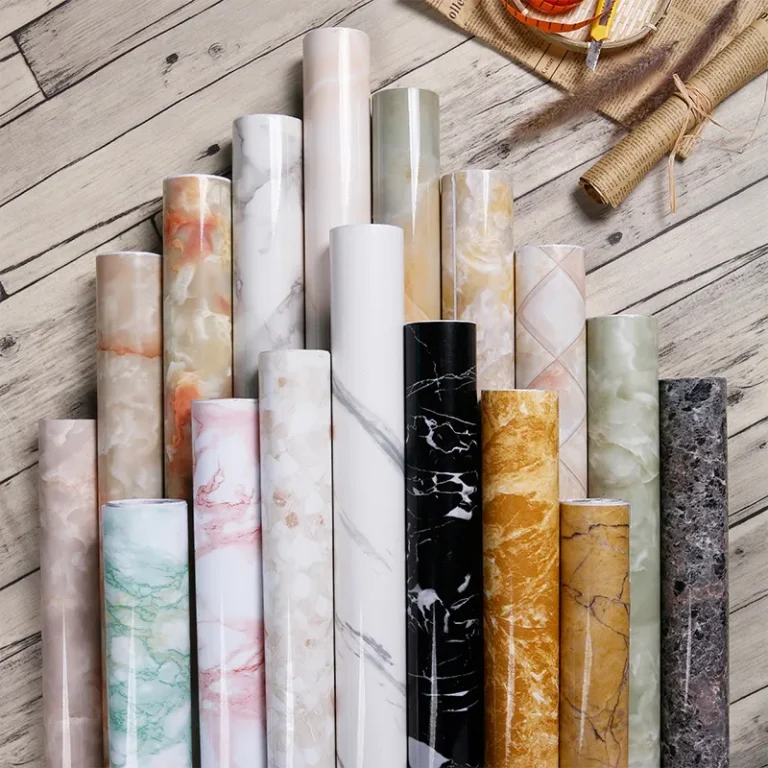
While both casting and calendering are common PVC film production methods, the cast film process offers distinct benefits. Cast films typically exhibit lower internal stress, better gauge uniformity, and enhanced optical clarity. The process operates at lower temperatures, reducing thermal degradation and allowing for the incorporation of heat-sensitive additives. This makes it ideal for producing high-gloss Glossy Wardrobe Film and optically clear overlays.
The foundation of any successful cast film operation lies in raw material formulation. The primary components include PVC resin (typically emulsion or suspension grade), plasticizers (phthalates or non-phthalates for flexibility), stabilizers (to prevent thermal degradation), and solvents (to create the liquid plastisol). Additional additives like pigments, UV absorbers, and flame retardants are incorporated based on the intended application.
| Component | Function | Common Examples |
|---|---|---|
| PVC Resin | Film structure and strength | Emulsion PVC, Suspension PVC |
| Plasticizers | Flexibility and softness | DOP, DINP, DOTP, ATBC |
| Stabilizers | Prevent heat and UV degradation | Ca/Zn, Ba/Zn, Organotin |
| Solvents | Dissolve resin for casting viscosity | Ketones, Aromatics |
The manufacturing sequence transforms liquid plastisol into solid film through a series of controlled stages. Each step must be precisely managed to achieve the desired physical and aesthetic properties. Below is a detailed breakdown of a typical PVC cast film process line.
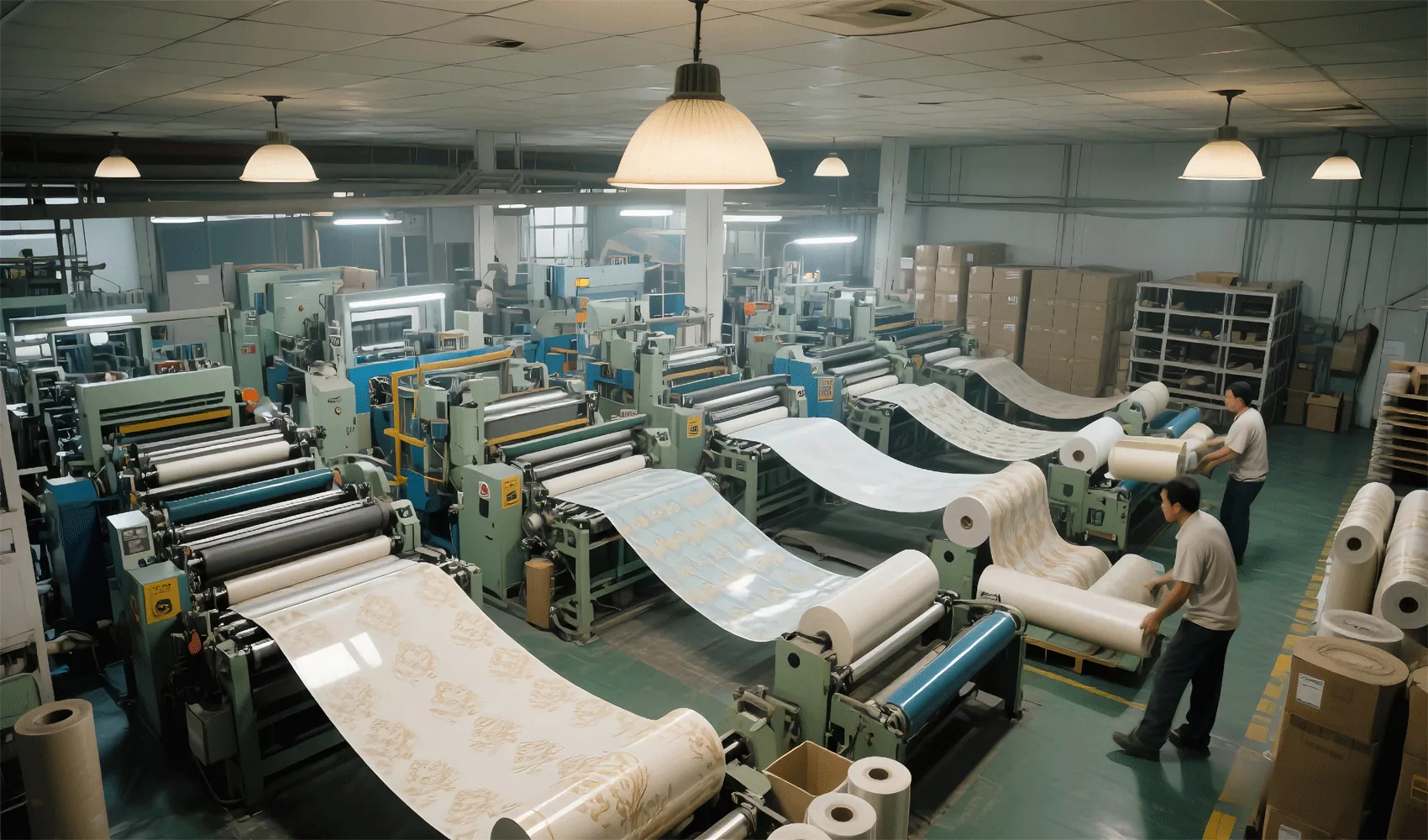
Raw PVC resin is blended with plasticizers, stabilizers, and pigments in high-speed mixers to form a homogeneous plastisol. The mixture is then deaerated under vacuum to remove trapped air bubbles that could cause defects in the final film. Precise temperature control during mixing is critical to prevent premature gelation.
The liquid plastisol is precisely metered onto a moving carrier belt or release paper using a knife-over-roll or reverse roll coater. The gap setting determines the wet film thickness. Modern lines use automated thickness gauges to ensure uniformity. This stage defines the film’s gauge profile and surface smoothness.
The coated carrier passes through a series of heated ovens where the solvent evaporates and the PVC particles swell and fuse together. Temperature profiling is essential: gradual heating prevents blistering, while final high-temperature zones complete the fusion. The result is a solid, homogeneous film with the desired mechanical properties.
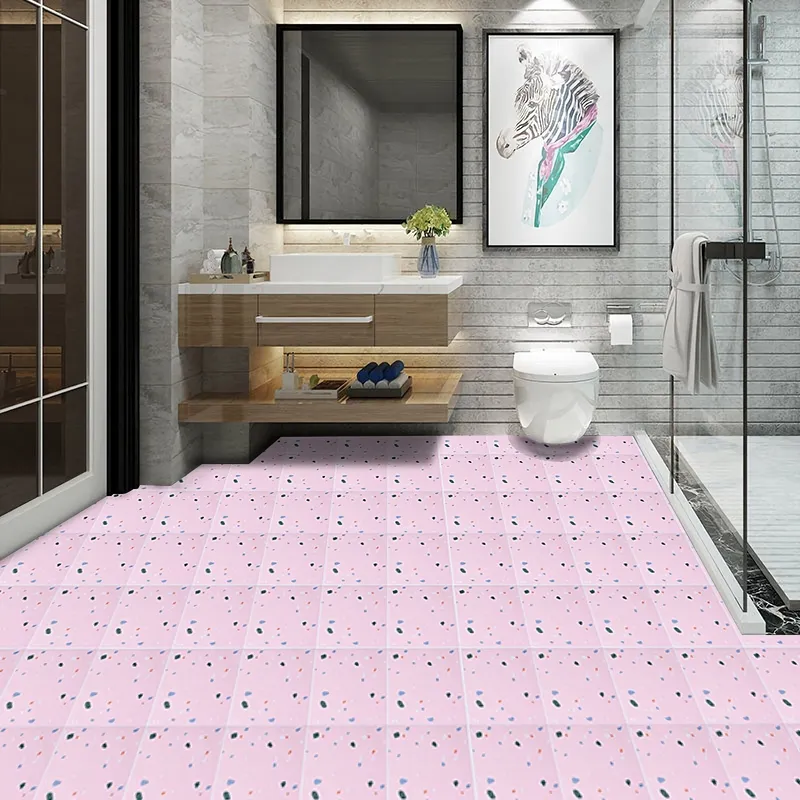
While still warm and pliable, the film may pass through embossing rollers to impart textures such as matte, leather grain, or geometric patterns. This is the stage where decorative effects for PVC Skirting Film and furniture foil are created. Corona treatment can also be applied here to improve printability and adhesive bonding.
After fusion, the film is cooled on chill rolls to stabilize its dimensions before being stripped from the carrier. Controlled cooling prevents shrinkage and ensures flatness. The release paper or belt is separated and wound up for reuse.
The finished film is wound into master rolls. Depending on customer specifications, these master rolls are then slit into narrower widths and packaged for shipment. Advanced winding systems maintain consistent tension to avoid telescoping or stretching.
Investing in the right equipment is crucial for efficient and consistent cast film manufacturing. A complete line integrates several specialized machines working in perfect synchronization. Below is an overview of the core components.
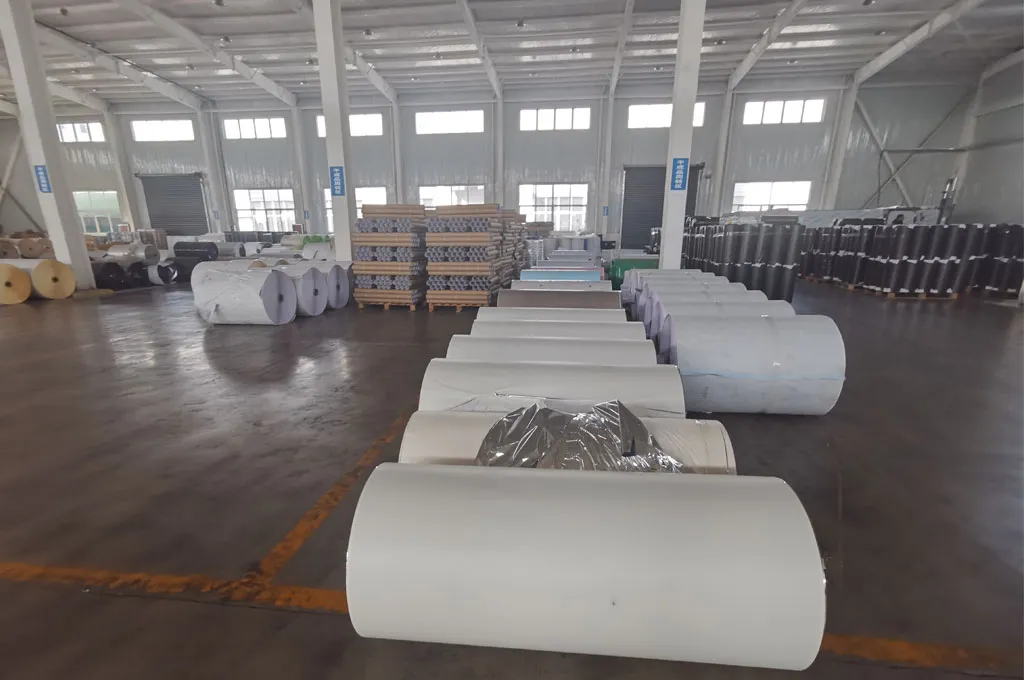
Consistent quality is non-negotiable in film manufacturing. Integrating standard testing protocols ensures every batch meets performance specifications. The PVC cast film process benefits from a range of established testing methods that validate mechanical, optical, and thermal properties.
| Property Tested | Standard Method | Relevance |
|---|---|---|
| Tensile Strength & Elongation | ASTM D882 | Mechanical durability |
| Thickness Uniformity | ASTM D6988 | Coating precision |
| Tear Resistance | ASTM D1922 | Handling and application |
| Specular Gloss | ASTM D2457 | Aesthetic appearance |
| Dimensional Stability | ASTM D1204 | Shrinkage resistance |
The versatility of the cast film process opens doors to numerous high-value markets. The ability to produce both rigid and flexible formulations extends the use of these films across industrial and consumer segments. Henan Pulivk New Materials Co., Ltd. leverages these capabilities to supply a diverse range of industries with tailored film solutions.
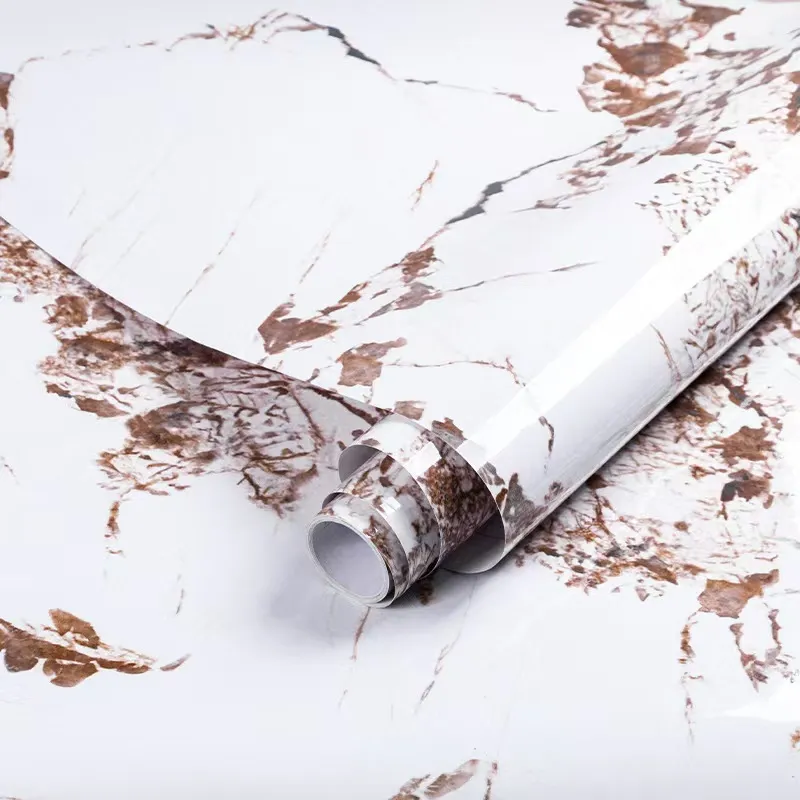
Understanding the differences between these two dominant PVC film processes helps in selecting the right material for a given application. While both produce flexible PVC films, their manufacturing dynamics differ significantly in terms of investment cost, operational flexibility, and product characteristics.
| Feature | Cast Film Process | Calendered Film Process |
|---|---|---|
| Thickness Range | 0.02 mm – 0.30 mm | 0.05 mm – 0.80 mm |
| Optical Clarity | Excellent | Good to Very Good |
| Gauge Tolerance | ±2–5% | ±5–10% |
| Initial Investment | Moderate | High |
| Production Speed | Slower | Faster |
| Residual Stress | Very Low | Moderate to High |
Modern cast film manufacturing must align with global regulatory and sustainability trends. The PVC cast film process has evolved to address environmental concerns through reformulation and process optimization. Solvent recovery systems capture and reuse volatile organic compounds, significantly reducing emissions. Formulation shifts toward non-phthalate plasticizers and calcium-zinc stabilizers comply with regulations like PVC REACH Restrictions and the U.S. EPA’s vinyl chloride evaluations. PVC Circular Economy initiatives are also driving increased use of post-industrial recycled content in cast films.
Even with automated controls, various factors can lead to quality issues. Pinpointing the root cause is essential for maintaining yield. Common defects include gels (unmelted resin particles), pinholes (entrapped air or contamination), and chatter marks (inconsistent coating speed). Regular equipment maintenance, plastisol filtration, and precise temperature profiling are effective countermeasures that uphold the integrity of the PVC cast film process.
Selecting a reliable manufacturing partner is critical to securing a consistent supply of high-quality cast film. Look for suppliers with integrated production capabilities, from raw material compounding to final slitting and packaging. Henan Pulivk New Materials Co., Ltd. exemplifies this model with its comprehensive in-house production lines that include calendering, printing, and split-packaging operations. This full-chain control ensures stable quality, faster lead times, and the ability to offer flexible OEM and ODM services. A reputable supplier should provide full technical support, material certifications, and sample evaluation services to validate the film’s suitability for your specific application.
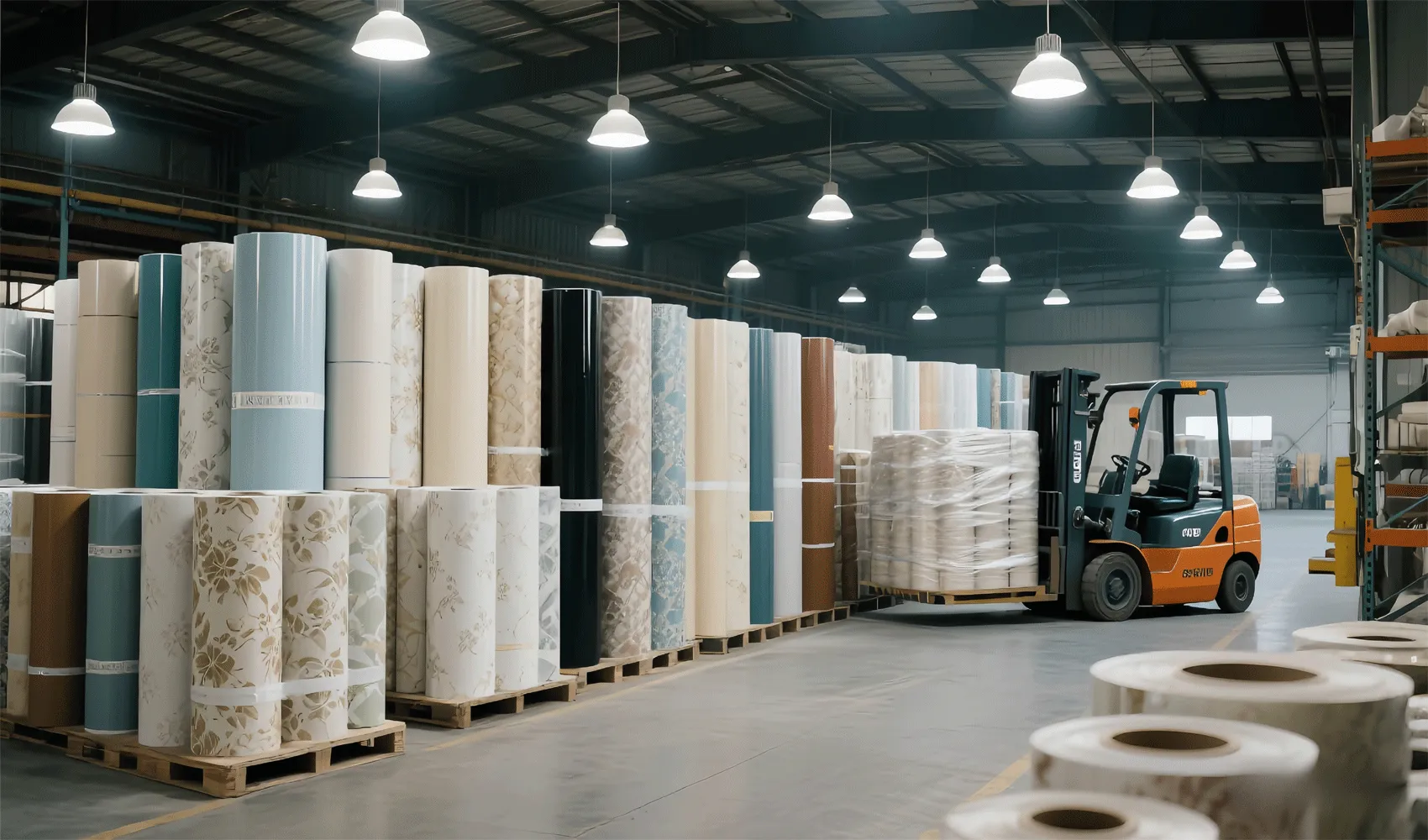
For more information on custom PVC film solutions and technical specifications, explore our complete product catalog.