Address
304 North Cardinal St.
Dorchester Center, MA 02124
Work Hours
Monday to Friday: 7AM - 7PM
Weekend: 10AM - 5PM
Address
304 North Cardinal St.
Dorchester Center, MA 02124
Work Hours
Monday to Friday: 7AM - 7PM
Weekend: 10AM - 5PM


PVC composite decorative film is a versatile, cost-effective surface solution used across furniture, interiors, flooring, and packaging. Lightweight and available in many finishes—wood grain, marble, gloss, matte, and textured—these films deliver aesthetic upgrades without heavy renovation costs. This guide explains where PVC composite decorative film works best, its benefits, and common use-cases to help architects, designers, contractors, and DIY homeowners choose the right product.
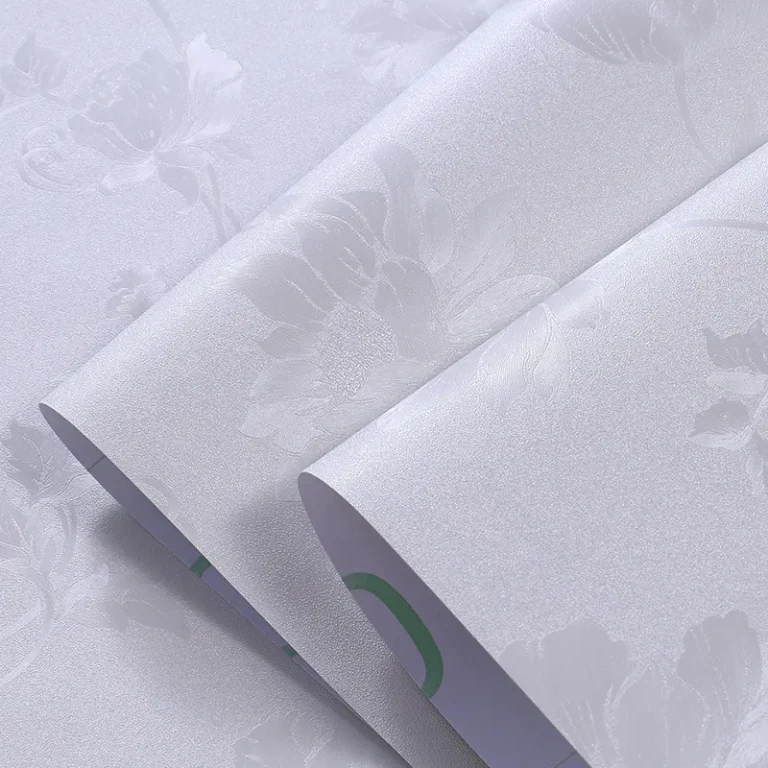
PVC composite decorative film is a layered polymer film that combines PVC with printed designs, protective coatings, and sometimes fabric or foam backings. Produced on calendering and printing lines, these films can mimic natural materials while adding durability and water resistance. Typical film types include single-layer and multi-layer composite films with finishes like 3D silk texture, pearlescent, and embossed patterns.
Durability: Scratch and abrasion resistance for daily use. Variety: Wide palette of colors and patterns. Moisture Resistance: Suitable for kitchens and bathrooms. Cost-efficiency: Lower cost than natural stone or wood surfaces.
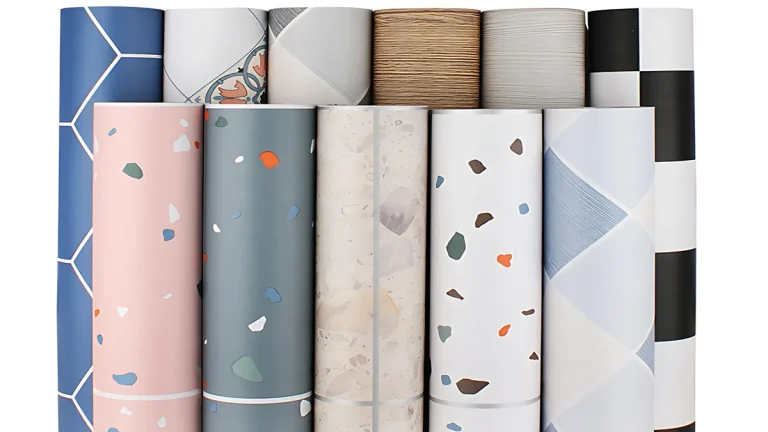
Wood grain, marble, glossy, matte, brushed metal, 3D silk texture, and anti-slip floor films are popular finishes. These options allow manufacturers and designers to match contemporary and traditional aesthetics while meeting practical needs like anti-slip or oil-proof properties.
Decorative film is widely used for wardrobe doors, kitchen cabinets, and office furniture. It provides a premium look (e.g., wood or marble) without the weight or expense of real materials, and can be applied to MDF, particleboard, and metal surfaces.
Wall cladding with PVC film offers fast installation, easy maintenance, and long-term color stability—ideal for hotels, retail stores, and residential living rooms where a consistent aesthetic is important.
Floor films and skirting membranes provide waterproofing and protect subfloors from scratches. Specialized anti-slip and wear-resistant floor stickers are common in bathrooms, kitchens, and commercial areas with high foot traffic.
Oil-proof, anti-mildew, and waterproof variants are tailored for kitchen countertops, cabinet fronts, and bathroom panels. These films are easy to clean and resist stains from cooking oils and soaps.
Beyond decoration, PVC composite films are used as protective layers during transport and as printed advertising films for displays and packaging. Split-packaging services make it easy to supply fixed-length rolls for assembly lines.
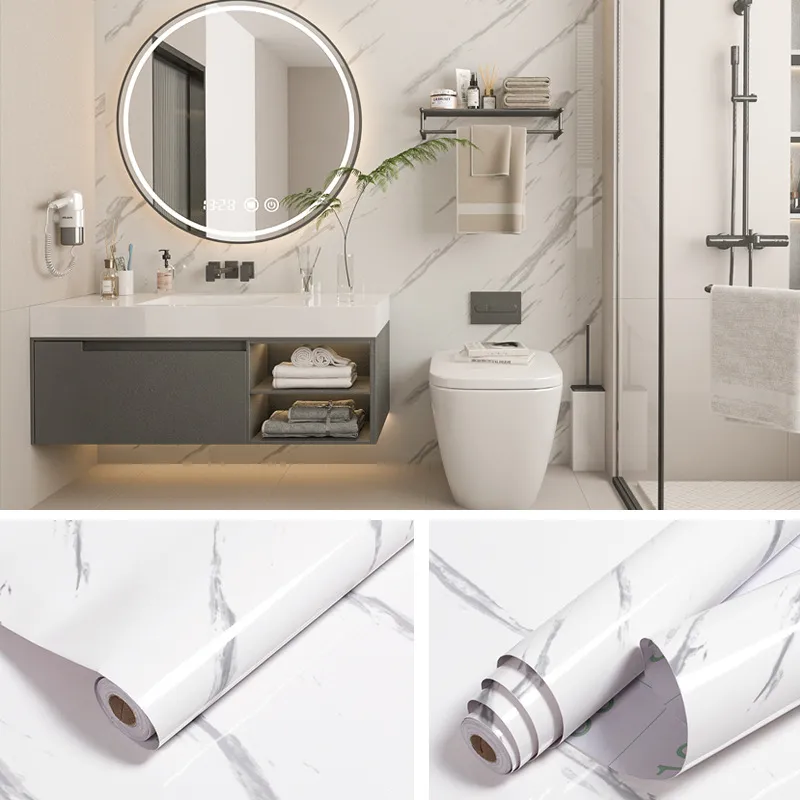
Affordability: Simulates premium materials at a fraction of the cost. Customization: OEM printing and color matching allow unique brand or project-specific designs. Fast Installation: Reduces labor and downtime compared with full material replacement.
Many PVC films offer UV resistance, anti-scratch coatings, and fire-retardant formulations. These features improve long-term appearance and ensure safety standards for commercial projects.
| Type | Thickness (mm) | Finish | Typical Uses |
|---|---|---|---|
| Calendered film | 0.1–0.6 | Glossy / Matte | Furniture, wall panels |
| Embossed / 3D | 0.2–1.0 | Textured (wood, silk) | Wardrobes, doors |
| Floor sticker film | 0.3–1.2 | Anti-slip / Waterproof | Bathrooms, kitchens, commercial floors |
| Self-adhesive film | 0.08–0.6 | Multiple patterns | DIY, retail displays |
Ensure substrates are clean, dry, and flat. For best adhesion, remove dust and oils. For furniture, use roller tools to smooth out bubbles during application.
Use mild detergent and soft cloths; avoid abrasive cleaners and harsh solvents. For oil-proof films, wipe spills promptly to prevent staining. Regular gentle cleaning preserves gloss and print clarity.
Interior designers, cabinet manufacturers, renovation contractors, property developers, and DIY homeowners benefit from PVC decorative films. Commercial buyers in hospitality and retail prefer films for fast refurbishing and consistent branding across properties.
Match the film thickness and finish to usage: choose thicker, textured films for high-wear floors and thin self-adhesive films for temporary or promotional applications. Ask suppliers about UV and fire ratings for exterior or high-sunlight installations.
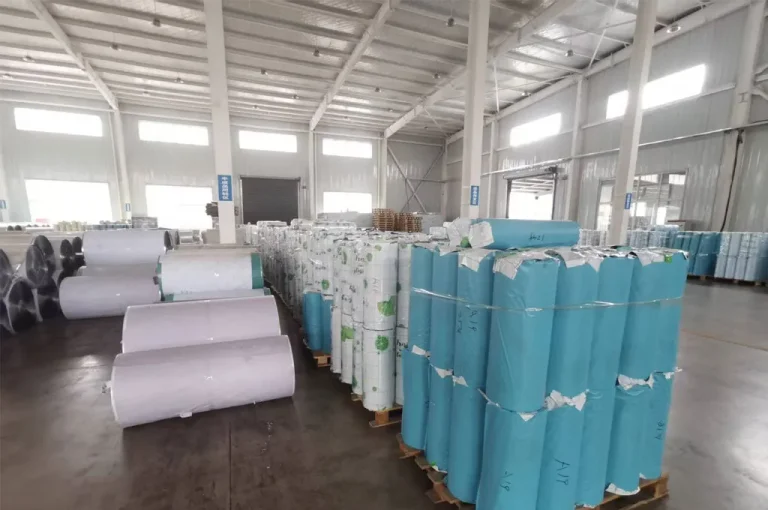
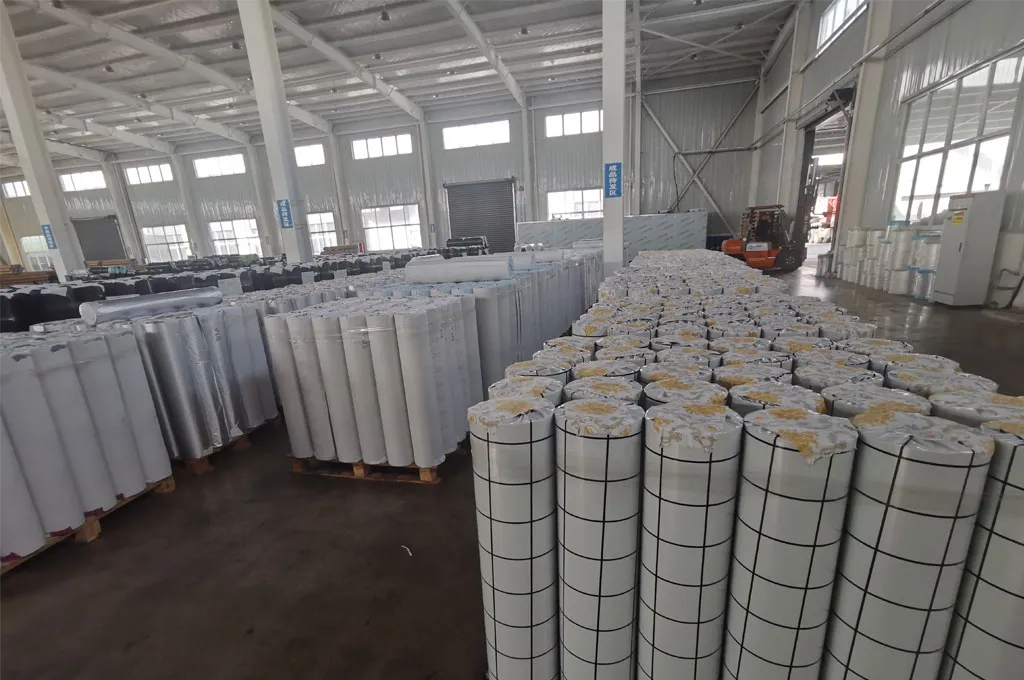
Reliable suppliers offer full in-house production—including calendering, printing, and split-packaging—so you can order custom widths, prints, and private-label packaging. Look for partners with consistent QC checkpoints and export experience for smoother logistics.
Henan Pulivk New Materials Co., Ltd. provides calendered film, printed decorative films, and split-packaging services with flexible OEM options. Visit https://pvcfilmtec.com/ for product details and contact information.
Many formulations are designed to be waterproof and oil-resistant—ideal for kitchens and bathrooms.
PVC film provides a visual replacement for wood or stone at much lower cost and weight, though it does not offer the same structural properties as solid materials.
With proper installation and care, high-quality PVC decorative films can last 5–10 years or more in residential settings; commercial lifespans depend on traffic and maintenance.