Address
304 North Cardinal St.
Dorchester Center, MA 02124
Work Hours
Monday to Friday: 7AM - 7PM
Weekend: 10AM - 5PM
Address
304 North Cardinal St.
Dorchester Center, MA 02124
Work Hours
Monday to Friday: 7AM - 7PM
Weekend: 10AM - 5PM


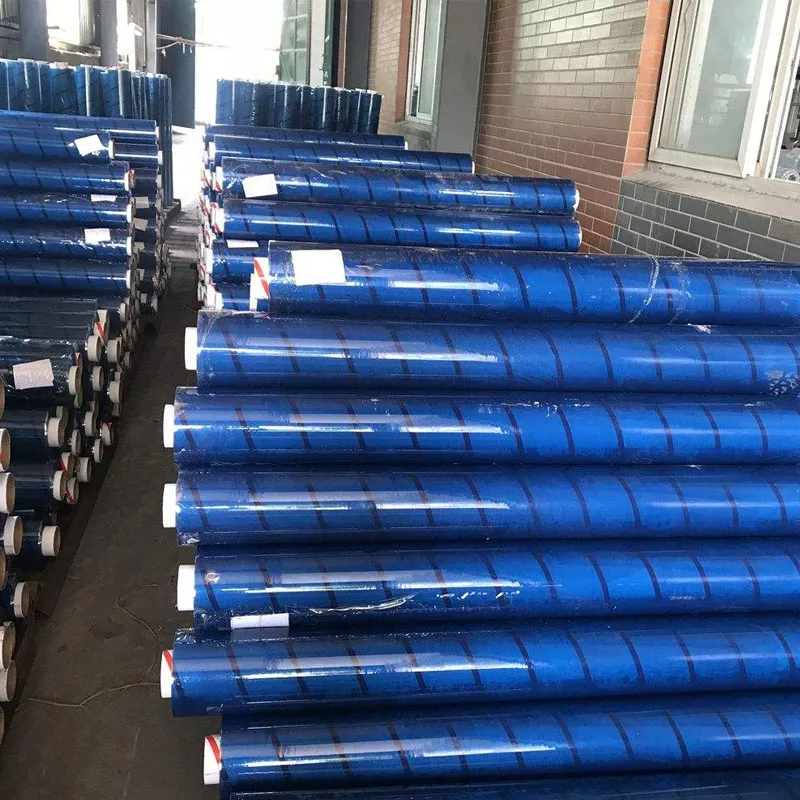
PVC composite membrane structure layer is a critical component in modern calendered and multi-layer films. This page explains what a structure layer is, its common formulations, key performance features, and practical applications across interior decoration, flooring, packaging, and industrial protection.
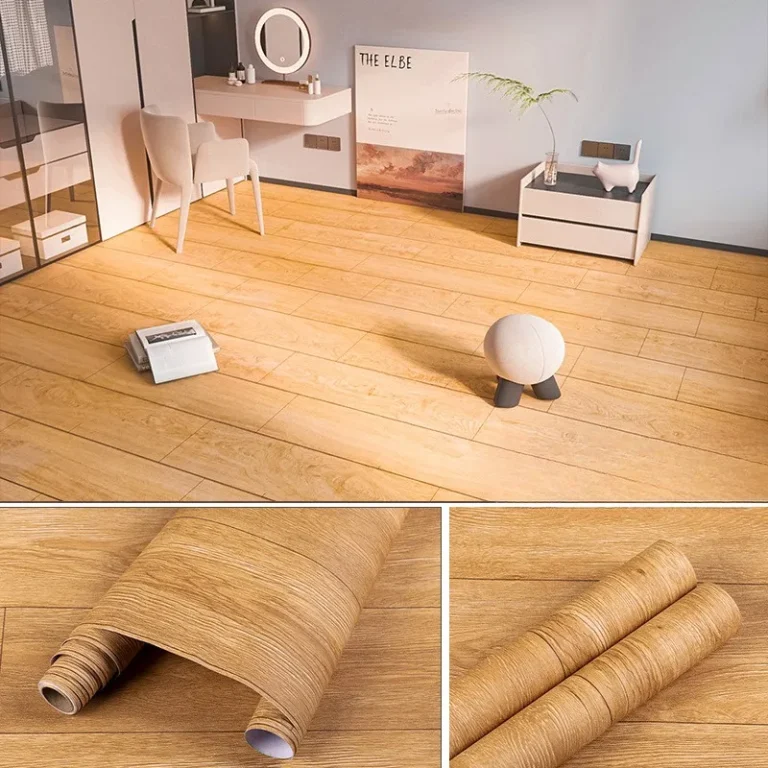
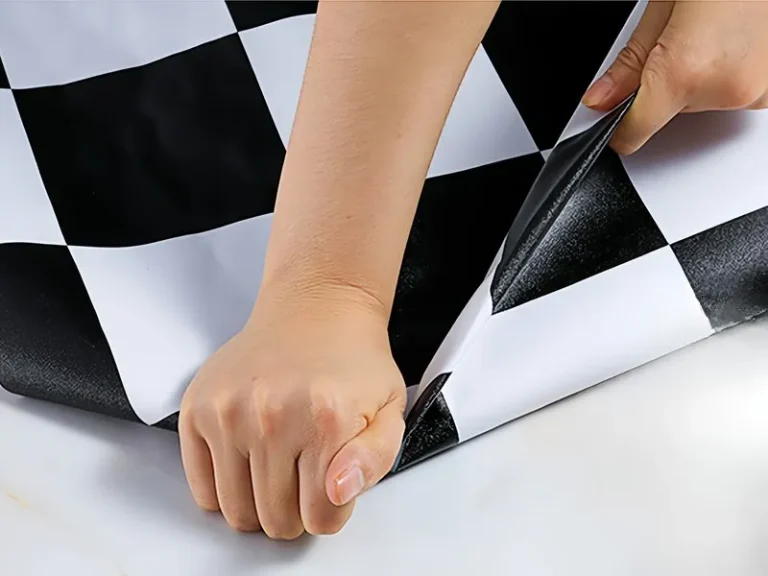
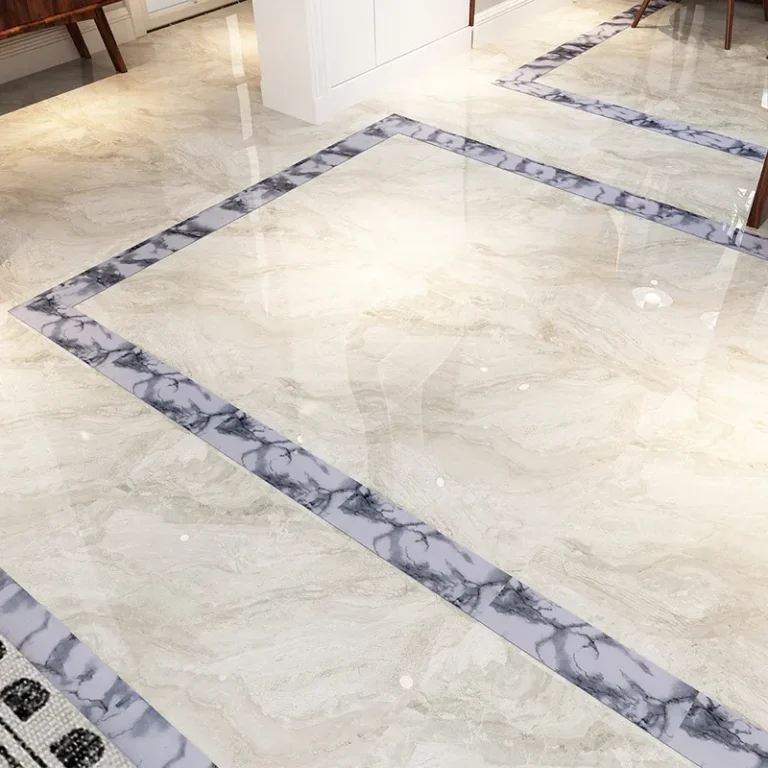
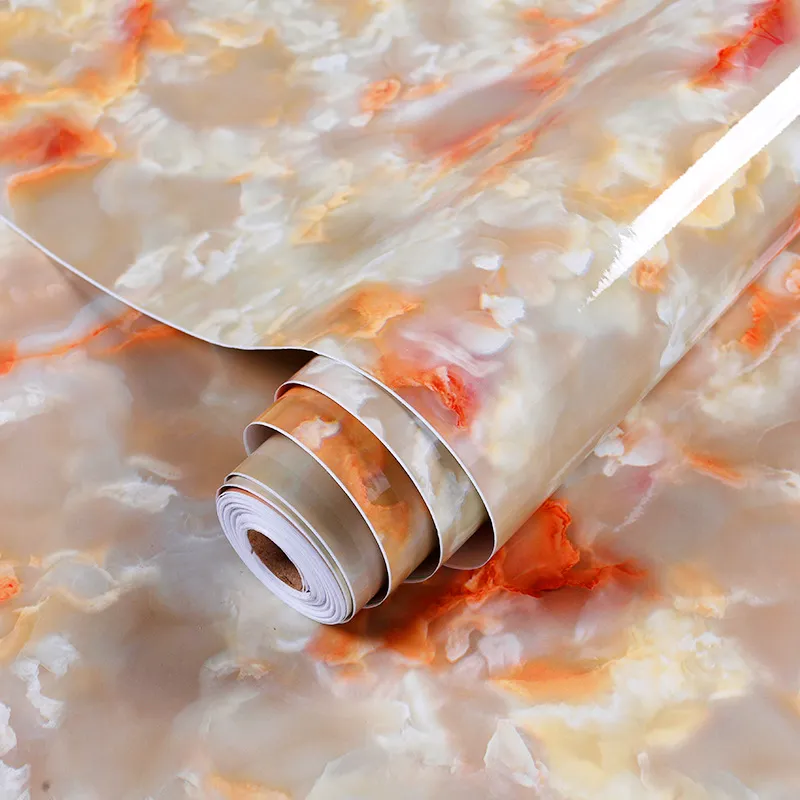
The structure layer in a PVC composite membrane refers to one or more internal film layers engineered to provide mechanical strength, flexibility, barrier properties, and adhesion for surface finishes. These layers are often combined with decorative faces, protective coatings, and adhesive backings to produce high-performance films used in furniture, flooring, wallcoverings, and protective films.
– Base film (calendered PVC or cast PVC) that provides tensile strength and stability.
– Functional interlayers with plasticizers, impact modifiers, or fillers to control flexibility and cost.
– Barrier or anti-release layers that improve chemical and moisture resistance.
– Surface layers for printing, embossing, or UV/abrasion protection.
PVC composite membranes are engineered to meet specific demands. Below are the typical features that designers and specifiers look for:
| Property | Typical Range | Benefit |
|---|---|---|
| Tensile Strength | 20–50 MPa | Structural support for laminates |
| Elongation at Break | 50–300% | Flexibility for wrapping and contouring |
| Water Vapor Transmission | Low to Moderate | Suitable for moisture-resistant finishes |
| Service Temperature | -20°C to 80°C | Wide temperature window for indoor use |
PVC composite membrane structure layers are used across many sectors. Below are the most common application areas and how the structure layer contributes:
When selecting or specifying PVC composite membranes, manufacturers evaluate:
Choose a membrane structure that meets these minimum criteria for long-term performance:
Producers with integrated calendering, printing, and split-packaging lines can control layer composition and quality more tightly. That vertical control reduces lead times, lowers costs, and simplifies OEM customization—benefits that matter for high-volume and private-label projects.
Q: Can structure layers be recycled?
A: Some PVC composite membranes can be recycled, but multi-material laminates are more challenging. Designing layers for recyclability improves circularity.
Q: How thick should the structure layer be for flooring film?
A: Typical core layers range from 0.2 mm to 1.0 mm depending on wear expectations and installation method.
For production-ready PVC composite solutions and OEM capabilities, Pulivk provides tailored calendered and multi-layer film services to meet design and supply requirements.