Address
304 North Cardinal St.
Dorchester Center, MA 02124
Work Hours
Monday to Friday: 7AM - 7PM
Weekend: 10AM - 5PM
Address
304 North Cardinal St.
Dorchester Center, MA 02124
Work Hours
Monday to Friday: 7AM - 7PM
Weekend: 10AM - 5PM


Understanding PVC decorative film price helps homeowners, contractors, and importers get the best value without sacrificing durability or finish. This guide breaks down the key cost drivers, realistic price ranges, and practical tips to choose the right film for furniture, kitchens, floors, skirtings, and commercial projects.
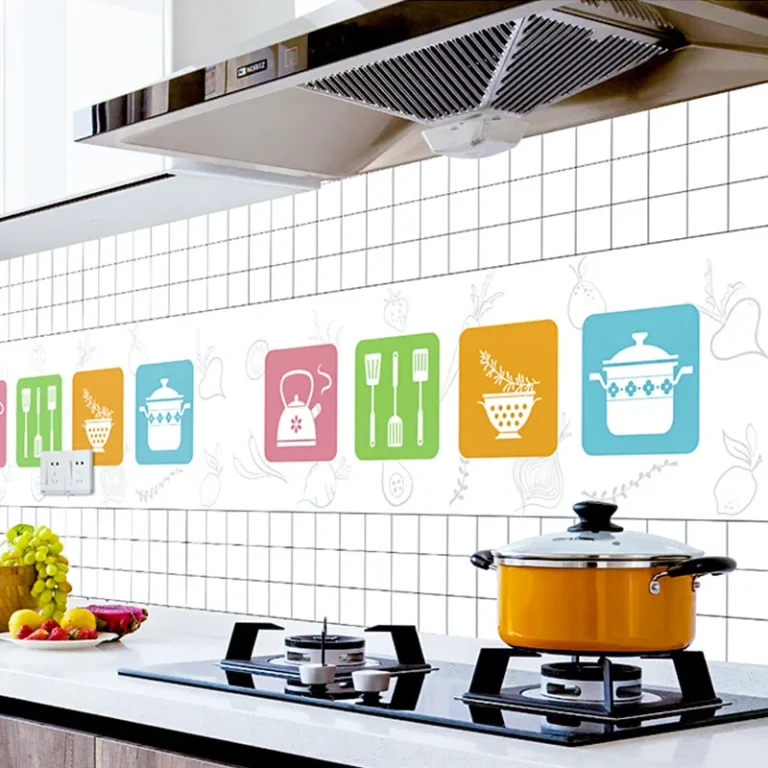
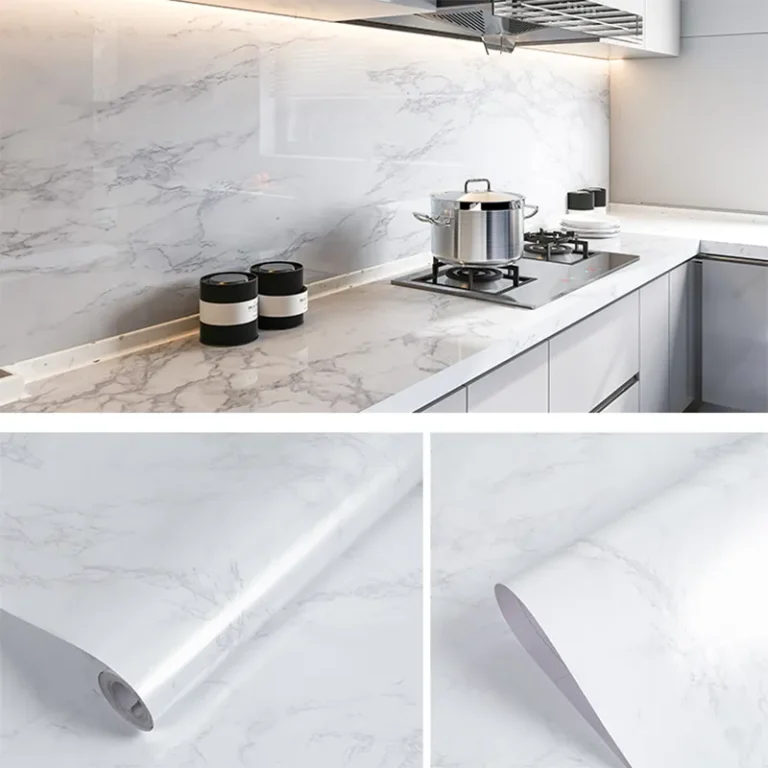
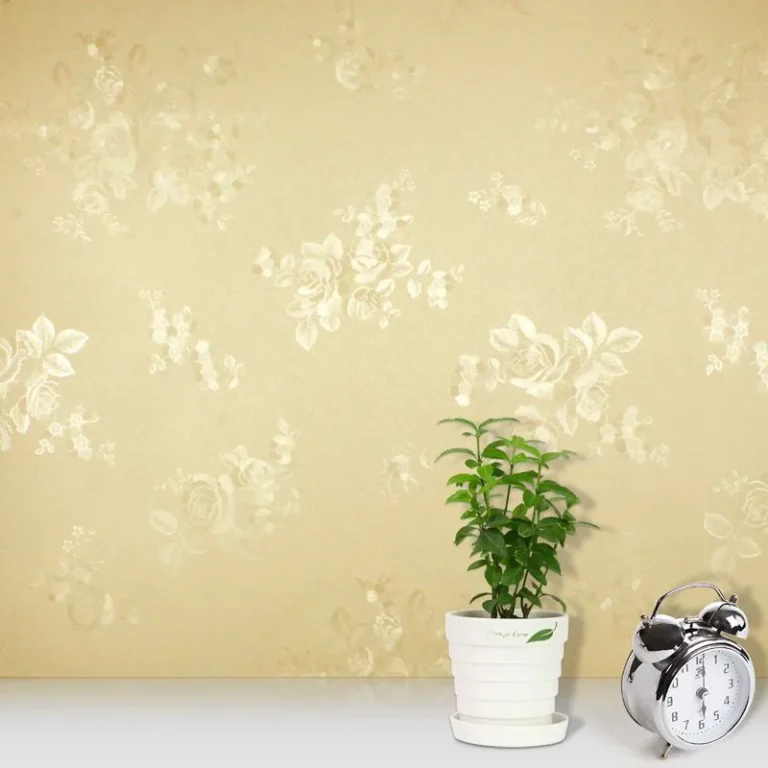
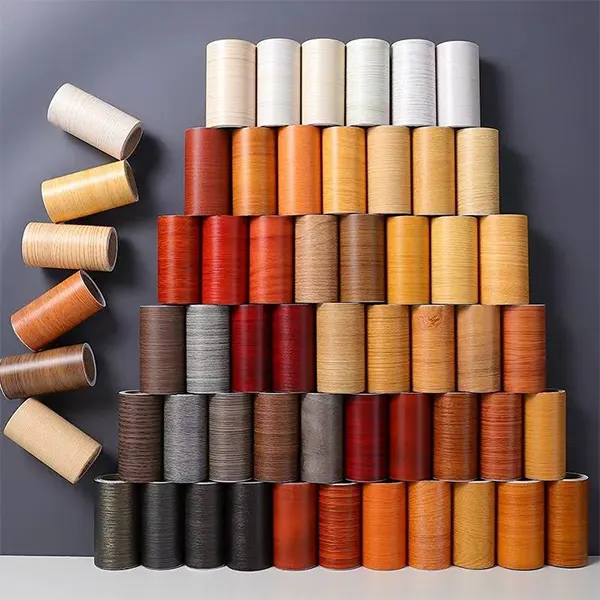
PVC decorative film is a thin, flexible covering applied to surfaces to mimic wood, marble, metal, or solid colors. It’s widely used for wardrobe panels, kitchen cabinets, skirting boards, floor stickers, and more. Different finishes—glossy, matte, 3D silk, embossed wood-grain—affect both appearance and cost.
The raw PVC compound, plasticizers, stabilizers, and UV/anti-scratch additives determine base cost. Higher-grade formulations deliver better longevity and less color shift, which raises price but reduces long-term replacement cost.
Thicker films (e.g., heavy-duty floor or furniture film) cost more per square meter than thinner decorative wraps. Thickness influences durability, heat resistance, and the film’s ability to hide substrate imperfections.
Finishes like gloss, matte, 3D silk texture, brushed metal, or embossed wood-grain require different calendering and embossing steps. Printed or multi-layer composite films and pearlescent/metallic effects increase production complexity and cost.
Self-adhesive films versus dry-apply films have different adhesive systems. Removable or high-tack adhesives, as well as anti-static or antirust backings, add to material and processing costs.
Custom patterns, multi-color printing, and precision color matching (especially for branded projects) increase setup and per-unit cost, but are essential for premium OEM orders.
Larger rolls are cheaper per meter. Split-packaging (cut rolls and individual wrapping) and custom roll lengths raise handling and packing expenses but improve convenience for distributors and installers.
Bulk orders reduce unit cost due to economies of scale. Small orders or rush production typically carry surcharges. Stable lead times often tie to manufacturer capacity and inventory—guaranteed schedules may cost more.
Films with flame-retardant, food-safe, or medical-grade certifications require additional testing and documentation, which increases price but opens regulated markets.
Below are representative price bands to help with budgeting. Actual prices vary by supplier, region, and custom specs.
| Product Type | Typical Thickness | Estimated Price (USD / m²) |
|---|---|---|
| Basic solid-color film (interior use) | 40–100 micron | $0.60 – $2.50 |
| Printed wood-grain / marble film | 60–150 micron | $1.50 – $5.00 |
| 3D silk / embossed premium film | 80–200 micron | $3.00 – $10.00 |
| Self-adhesive floor / kitchen oil-proof film | 120–300 micron | $5.00 – $15.00 |
Proper cleaning (mild detergent, non-abrasive cloth) and avoiding prolonged heat exposure extends film life. For high-wear areas, choose films with UV and anti-scratch coatings.
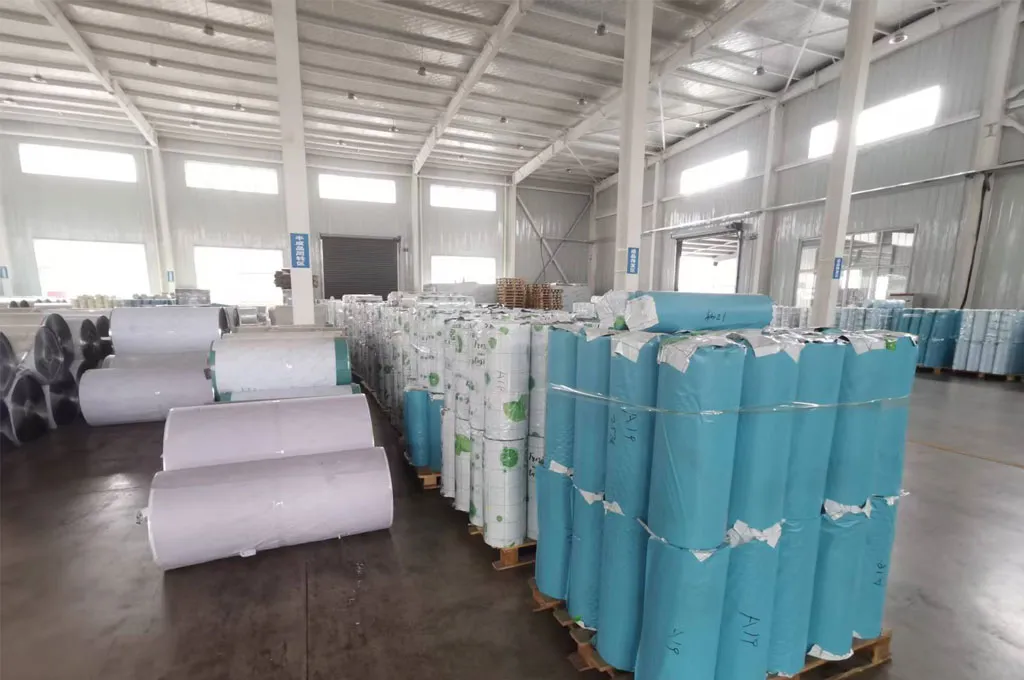
For suppliers with full in-house capabilities and flexible OEM options, consider Pulivk (https://pvcfilmtec.com/) when you need consistent quality, cost-effective manufacturing, and global export experience.
Balance initial price with performance: in many cases spending slightly more on a higher-grade film reduces lifecycle cost by cutting replacement and labor. Use samples, compare total installed cost, and verify supplier quality controls before committing to large orders.
Custom prints, thicker films, special coatings, certified materials, and small order quantities are the primary drivers of higher PVC decorative film prices.