Address
304 North Cardinal St.
Dorchester Center, MA 02124
Work Hours
Monday to Friday: 7AM - 7PM
Weekend: 10AM - 5PM
Address
304 North Cardinal St.
Dorchester Center, MA 02124
Work Hours
Monday to Friday: 7AM - 7PM
Weekend: 10AM - 5PM


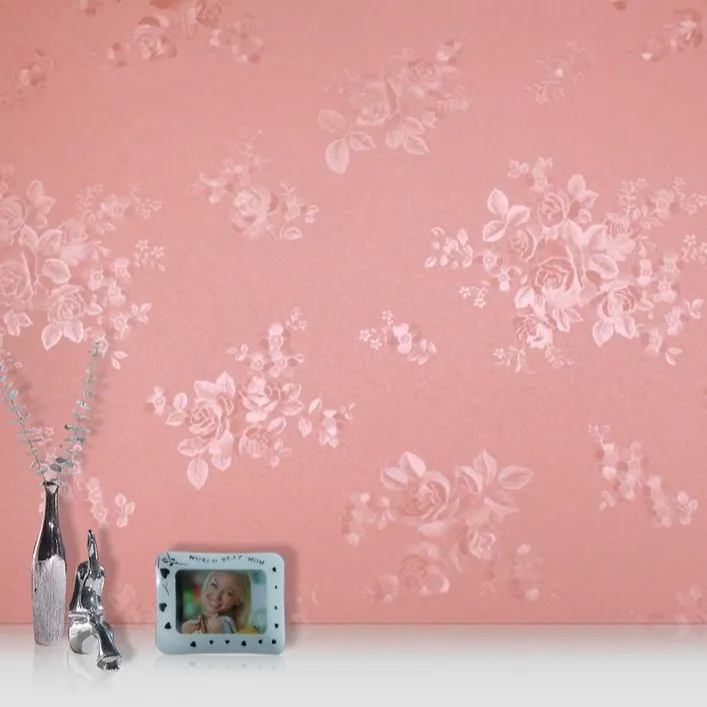
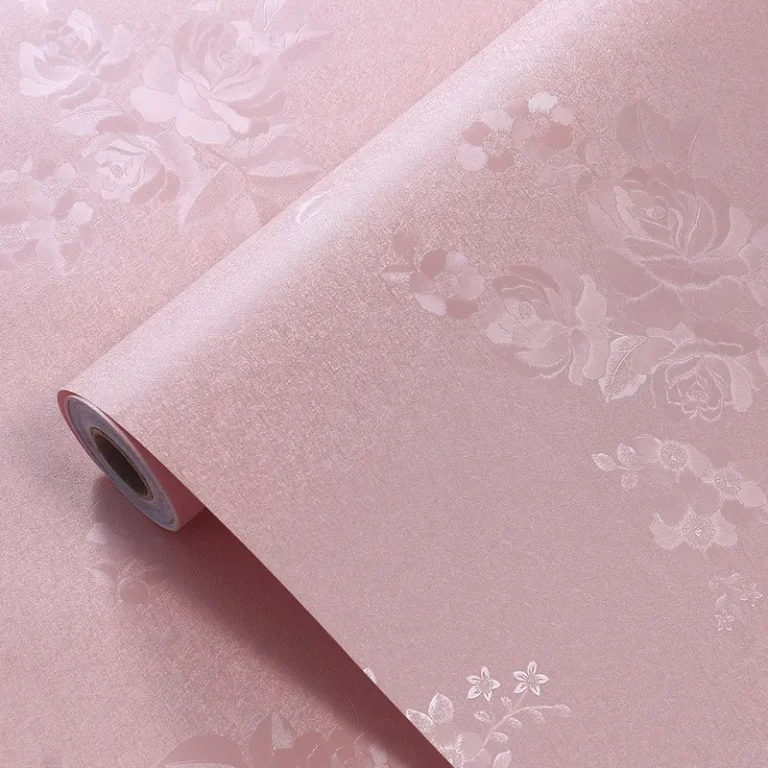
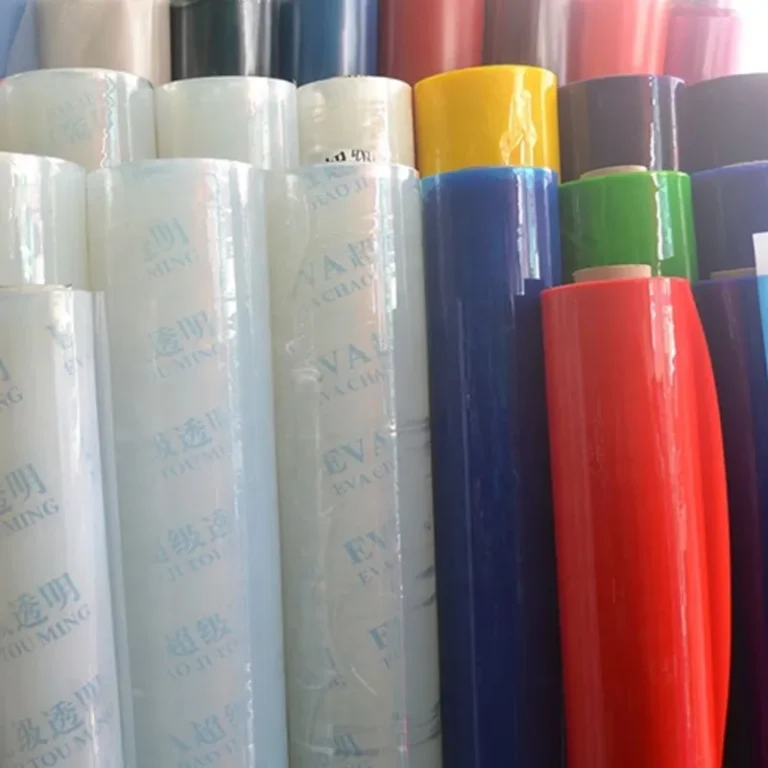
In the world of interior design, manufacturing, and construction, surface finishing plays a pivotal role in defining aesthetics, durability, and functionality. Among the versatile materials available, PVC decorative laminate film stands out for its remarkable adaptability and performance. This thin, flexible sheet of polyvinyl chloride is engineered to provide a high-quality surface layer to various substrates, transforming ordinary materials into visually appealing and resilient products.
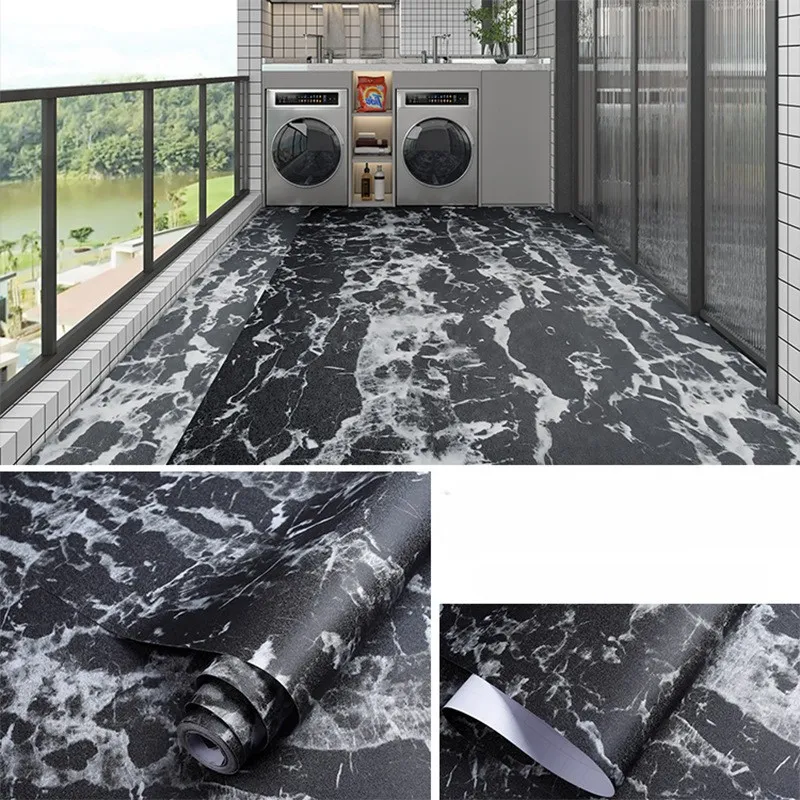
The versatility of PVC film begins with its extensive range of types, each designed to meet specific aesthetic and functional needs. Understanding these varieties is key to selecting the right material for your project.
Glossy & Matte Films: These films define the light reflection of a surface. Glossy films offer a shiny, reflective finish that enhances color vibrancy and creates a modern, sleek look, ideal for cabinet doors and contemporary furniture. In contrast, matte films provide a soft, non-reflective surface that minimizes fingerprints and scratches, offering an elegant, understated aesthetic perfect for office furniture and wall panels.
Textured Films (Wood Grain, Stone, Fabric): This category is where PVC film truly mimics nature. Wood grain films replicate the intricate patterns of oak, walnut, or maple, providing a warm, natural look without the cost and maintenance of real wood. Stone and marble films offer the luxurious veining of natural stone for countertops and feature walls. Fabric or cloth-textured films add a tactile, soft-touch dimension to surfaces.
Metallic & Special Effects Films: For a touch of industrial chic or luxury, metallic films (brushed aluminum, chrome, copper) are unmatched. 3D texture films and films with pearl or iridescent effects create depth and visual interest, often used in decorative accents and high-end retail displays.
Beyond aesthetics, PVC films are engineered for performance. Self-adhesive films come with a pre-applied adhesive backing for easy, tool-free application on clean, smooth surfaces. Fire-retardant films meet strict safety codes for public spaces and transportation. Anti-bacterial films, infused with additives, are crucial for healthcare environments, kitchens, and high-touch surfaces.
The application of PVC decorative laminate film spans across numerous sectors, revolutionizing how products are made and finished.
This is one of the largest application areas. PVC films are laminated onto particleboard, MDF, or plywood to create finished panels for kitchen cabinets, wardrobes, office furniture, and shelving. They offer a cost-effective alternative to solid wood or painted finishes, with superior consistency, a vast array of designs, and enhanced resistance to moisture, stains, and daily wear. A high-gloss wardrobe film, for instance, can give a bedroom a modern, spacious feel.
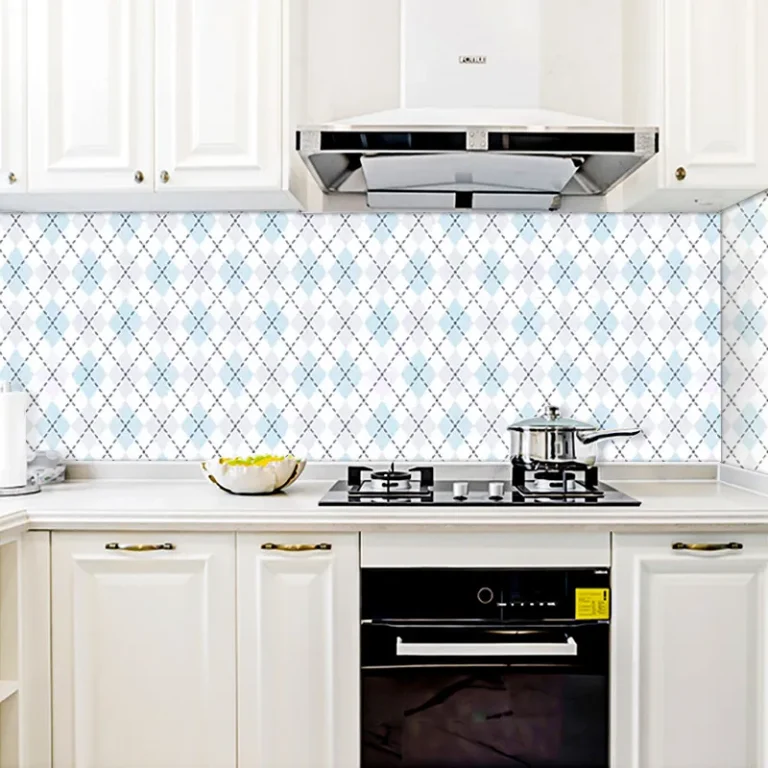
In construction and fit-outs, PVC films provide decorative and protective surfaces for interior elements. They are used for wall cladding, ceiling panels, column wraps, and door skins. Their lightweight nature makes them easier to install than many traditional materials. Films with specific textures, like solid color or subtle texture films, are popular for creating feature walls or seamless, easy-to-clean surfaces in commercial spaces like hotels and offices.
The visual appeal and printability of PVC films make them ideal for the advertising world. They are used for point-of-sale displays, exhibition booth graphics, backlit sign boxes, and window decals. Their durability ensures graphics remain vibrant and intact in high-traffic retail environments.
Inside vehicles, trains, and aircraft, PVC films cover interior panels, dashboards, and trim pieces. They are selected for their durability, ease of cleaning, and ability to withstand UV exposure and temperature fluctuations without cracking or fading, all while providing a pleasing aesthetic.
From the control panels of washing machines and microwaves to the exterior housings of speakers and gadgets, PVC films offer a durable, decorative, and often functional (e.g., anti-fingerprint) finish that is both cost-effective and reliable for mass production.
While standard films cover many needs, the true power of modern PVC film technology lies in customization. Leading manufacturers like Pulivk Film offer comprehensive OEM/ODM services, allowing clients to develop films that are perfectly aligned with their specific project requirements.
Physical Specifications: Thickness, width, and roll length can be tailored. Thickness affects durability and handling, while custom widths minimize waste during lamination. Special roll sizes can be configured for automated production lines.
Color & Design Matching: Advanced digital and gravure printing technologies enable precise color matching to Pantone codes, brand colors, or physical samples. Unique patterns, logos, and bespoke graphic designs can be printed directly onto the film, enabling true brand differentiation. This is essential for furniture brands or hotel chains seeking a unique identity.
Performance Enhancement: Films can be engineered with added functionalities. This includes enhanced UV resistance for outdoor or sun-exposed applications, improved scratch and abrasion resistance for high-traffic areas like flooring, or specific chemical resistance for laboratory or industrial settings.
Packaging & Logistics: Customization extends to how the product is delivered. Films can be wound on specific cores, slit to precise narrower widths, and packaged with protective interleaving or in custom-labeled boxes to integrate seamlessly into a client’s supply chain and production process.
Engaging with a manufacturer that controls the entire calendering, printing, and finishing process is crucial. It typically involves: 1) Consultation to define needs, 2) Lab development of samples, 3) Sample testing and approval, and 4) Pilot or full-scale production with stringent quality checks. This end-to-end control, as practiced by integrated producers, ensures consistency, protects intellectual property, and allows for rapid iteration.
Partnering with a manufacturer that oversees the process from raw material to finished roll offers distinct advantages:
Uncompromised Quality Control: Every production stage is monitored internally, ensuring the final film meets exact specifications for color, thickness, adhesion, and surface quality.
Cost Efficiency & Stability: Vertical integration reduces reliance on multiple suppliers, often leading to better raw material pricing and protection from supply chain volatility, with savings passed to the client.
Faster Innovation & Response: An in-house R&D and production team can quickly develop new textures, effects, or functional films in response to market trends or specific client challenges.
Reliable and Scalable Supply: With control over production planning and capacity, an integrated manufacturer can guarantee stable lead times and scale production up or down to match client demand, from initial sample rolls to container-load orders.
PVC film is a thin, flexible layer (typically 0.1mm to 0.5mm) that is laminated onto a substrate. It is more flexible than rigid high-pressure laminates (HPL), allowing it to wrap around edges and curves. Compared to veneers, it is more consistent, cost-effective, and offers better moisture and stain resistance.
Reputable manufacturers produce films that comply with international safety standards like REACH, RoHS, and FDA (for specific applications). They use non-toxic, phthalate-free formulations and eco-solvent or water-based inks. Many films are also recyclable, contributing to sustainable manufacturing practices.
High-quality PVC films are highly durable, offering excellent resistance to scratches, impacts, moisture, and household chemicals. Maintenance is simple: regular dusting and cleaning with a soft cloth dampened with a mild soap solution are usually sufficient. Avoid abrasive cleaners or scouring pads.
Yes, specifically formulated waterproof and moisture-resistant PVC films are excellent for these areas. They are commonly used on cabinet surfaces around sinks, as wall panels in showers (in some systems), and for skirting boards. Always ensure the film specification matches the environmental conditions.
To receive an accurate quotation and samples, you should provide: desired finish (gloss, matte, texture), color/pattern references (Pantone code, physical sample, or digital file), required physical properties (thickness, width, adhesive type), intended application, and estimated annual usage volume.