Address
304 North Cardinal St.
Dorchester Center, MA 02124
Work Hours
Monday to Friday: 7AM - 7PM
Weekend: 10AM - 5PM
Address
304 North Cardinal St.
Dorchester Center, MA 02124
Work Hours
Monday to Friday: 7AM - 7PM
Weekend: 10AM - 5PM


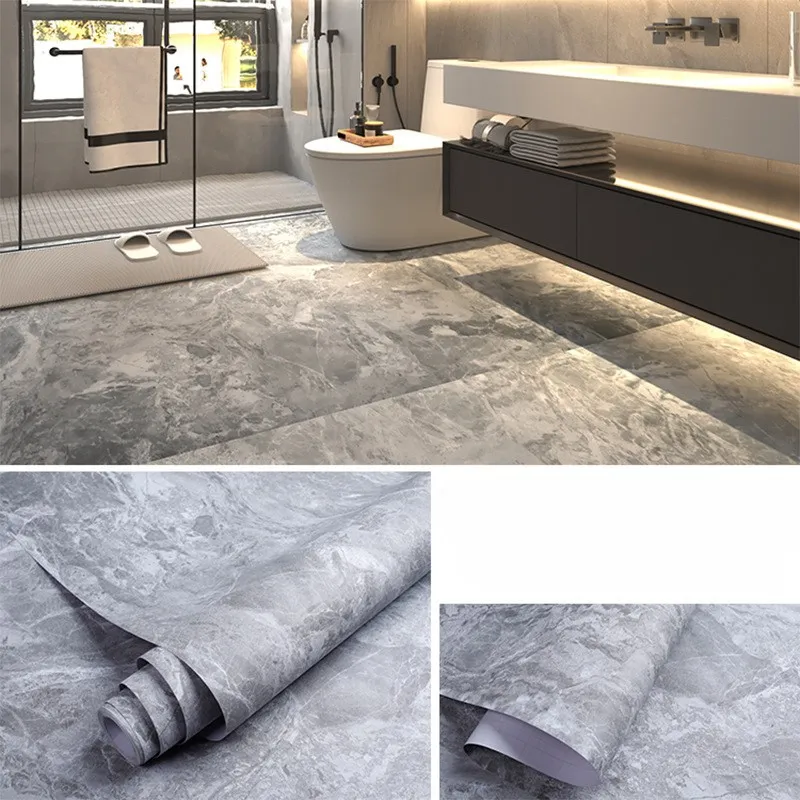
PVC door panel film is a cost-effective way to refresh doors, protect surfaces, and achieve consistent finishes across rooms. Depending on material type, installation quality, environment, and maintenance, a PVC door film can last anywhere from a few years to over a decade. This guide explains expected lifespans, the factors that affect durability, and practical tips to get the most life from your door film.
PVC door panel film is a thin decorative and protective layer applied to door surfaces. It comes in finishes such as wood grain, marble, glossy, matte, and textured 3D effects. Films are produced by calendering, extrusion, or lamination and may be single-layer or multi-layer composite structures that include UV stabilizers and scratch-resistant coatings.
Actual life expectancy varies. Below are general categories to help set realistic expectations:
| Film Type / Quality | Typical Lifespan | Key Notes |
|---|---|---|
| Budget (thin, low UV additives) | 3–5 years | Fades and peels sooner in strong sunlight or humid areas. |
| Standard (better thickness & coating) | 6–10 years | Good for interior doors with moderate use. |
| Premium (UV-stabilized, scratch-resistant) | 10–15 years | Durable finish for busy homes and light commercial use. |
| Exterior / Heavy-Duty (special UV & weather barrier) | 15–25 years | Suitable for doors exposed to sun, rain, and extremes. |
The composition and production method matter. Films with higher PVC content, proper plasticizers, and UV stabilizers resist cracking and yellowing. Calendered films are common and cost-effective, while premium laminated or UV-coated products offer better resistance to abrasion and sunlight.
Thicker films generally last longer. Typical decorative door films range from 60–200 microns. Thicker films provide better abrasion resistance and hide minor substrate imperfections.
Anti-scratch coatings, matt or gloss finishes, and protective lacquers extend life. Films with top coats resist daily wear, stains, and cleaning chemicals better than uncoated options.
Proper cleaning, priming, and temperature control during installation reduce edge lifting and bubbling. Adhesive selection and professional application have a major impact on long-term adhesion.
Exposure to strong UV light, high humidity, frequent contact, or harsh chemicals shortens lifespan. High-traffic doors (entryways, bathrooms, kitchens) will naturally show wear faster than closet doors.
Clean with mild soap and water; avoid abrasive pads and strong solvents.
Wipe spills quickly to prevent staining and edge blistering.
Avoid prolonged direct sunlight where possible or choose UV-stable films for sun-exposed doors.
Repair small lifted edges promptly with appropriate adhesive to stop further peeling.
Use door bumpers and soft hardware to reduce impact damage.
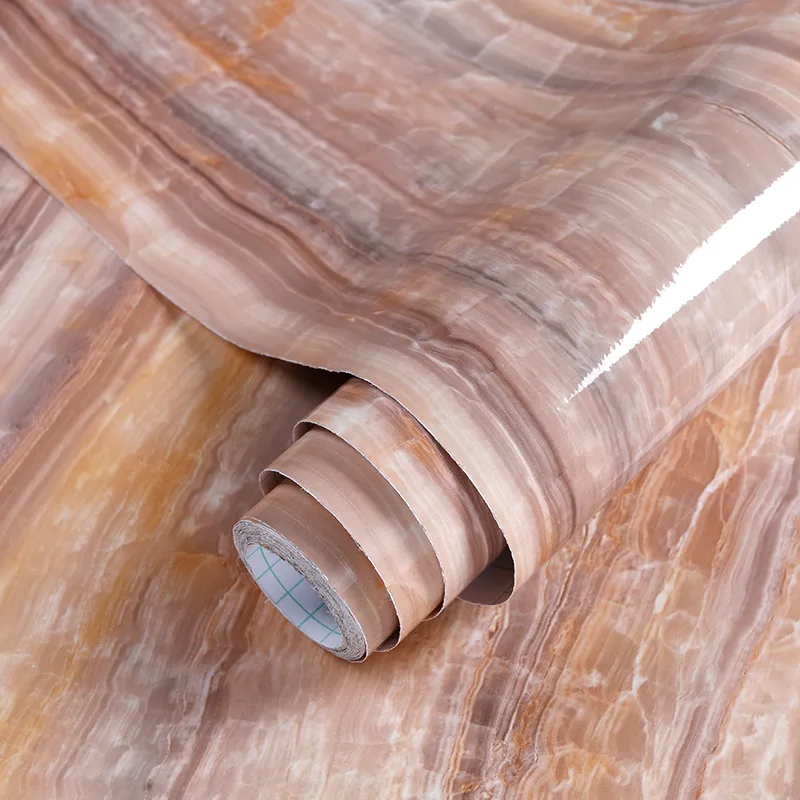
For best results: prepare the substrate by removing grease and sanding glossy surfaces lightly; maintain ambient temperature during adhesion; avoid applying film to wet or unstable substrates. Professional installation reduces the risk of bubbles, misalignment, and edge failures.
Consider these priorities when selecting film:
Exposure: Choose UV-rated films for sunlit doors.
Traffic level: Select anti-scratch coatings for heavy use.
Aesthetic: Pick textured or printed films that match interior design trends.
Warranty & QC: Look for manufacturers with strict quality control and clear warranties.
Warranties vary by producer and film grade. Interior decorative films often carry 1–5 year warranties; premium or exterior-grade films may offer longer coverage. Read warranty specifics for fade, delamination, and abrasion coverage.
Lower-cost films save money up front but can require replacement sooner. Investing in a higher-quality film with UV and scratch resistance usually reduces lifetime cost by avoiding frequent rework. Consider total cost of ownership when comparing quotes.
Yes, if you choose an exterior-grade film with UV stabilizers and weatherproof adhesives. Exterior use demands special products designed to tolerate thermal cycling and moisture.
PVC film can hide minor surface imperfections but will not repair deep dents. For shallow scratches, textured films can mask damage better than glossy finishes.
DIY installation is possible for experienced users, but for critical doors and long-term performance, professional installation is recommended.
Pulivk provides full in-house production—calendering, printing, and split-packaging—so product specs, thickness options, and quality checkpoints can be customized to meet your project needs.