Address
304 North Cardinal St.
Dorchester Center, MA 02124
Work Hours
Monday to Friday: 7AM - 7PM
Weekend: 10AM - 5PM
Address
304 North Cardinal St.
Dorchester Center, MA 02124
Work Hours
Monday to Friday: 7AM - 7PM
Weekend: 10AM - 5PM


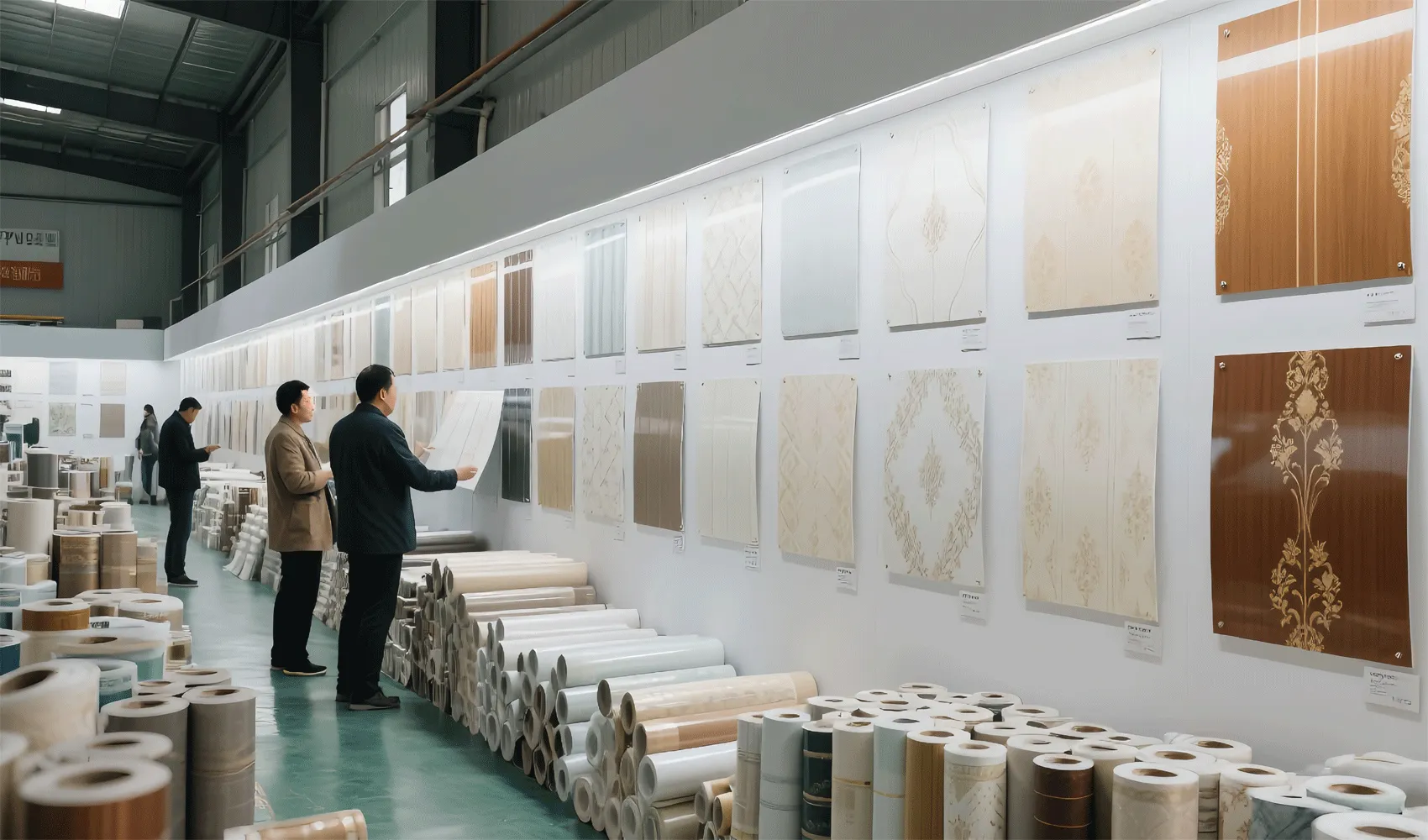
The right adhesive coating weight makes the difference between a PVC film that peels cleanly and one that fails in service. This guide explains how much glue (coat weight) you need for optimal bonding of PVC film, how to convert between wet and dry coating weights, and practical tips to balance adhesion, cost, and application performance.
Adhesive coating weight (expressed in g/m² or gsm) directly affects peel strength, tack, durability, and cost. Too little adhesive causes early delamination, while too much adds unnecessary material cost and can cause squeeze-out, slow drying, or surface blooming. Understanding the right range for your application, adhesive type, and substrate is essential for consistent results.
Below are general ranges for dry coat weights used on PVC decorative and protective films. These ranges assume modern acrylic PSAs or similar water/solvent-based systems. Use them as starting points and validate with tests on your exact substrates.
| Application | Recommended Dry Coat (g/m²) | Notes |
|---|---|---|
| Light protective film (temporary) | 8–15 | Low tack, easy-peel films for short-term protection. |
| Decorative/self-adhesive PVC (indoor) | 12–25 | Standard acrylic adhesives—balance peel and repositionability. |
| High-tack or outdoor bonding | 25–45+ | Higher coat weight for porous or low-energy surfaces, outdoor durability. |
| Floor stickers / heavy-duty films | 20–40 | Designed for mechanical wear and sustained shear forces. |
Manufacturers often apply an adhesive as a wet coating; the dried solid content determines the final dry coat weight. Use this formula:
Wet coat (g/m²) = Dry coat (g/m²) ÷ Solids fraction
Example: if your target dry coat is 15 g/m² and the adhesive has 60% solids (0.60), then wet coat = 15 ÷ 0.60 = 25 g/m². Always measure solids before production and adjust the wet coat accordingly to hit the desired dry coat weight.
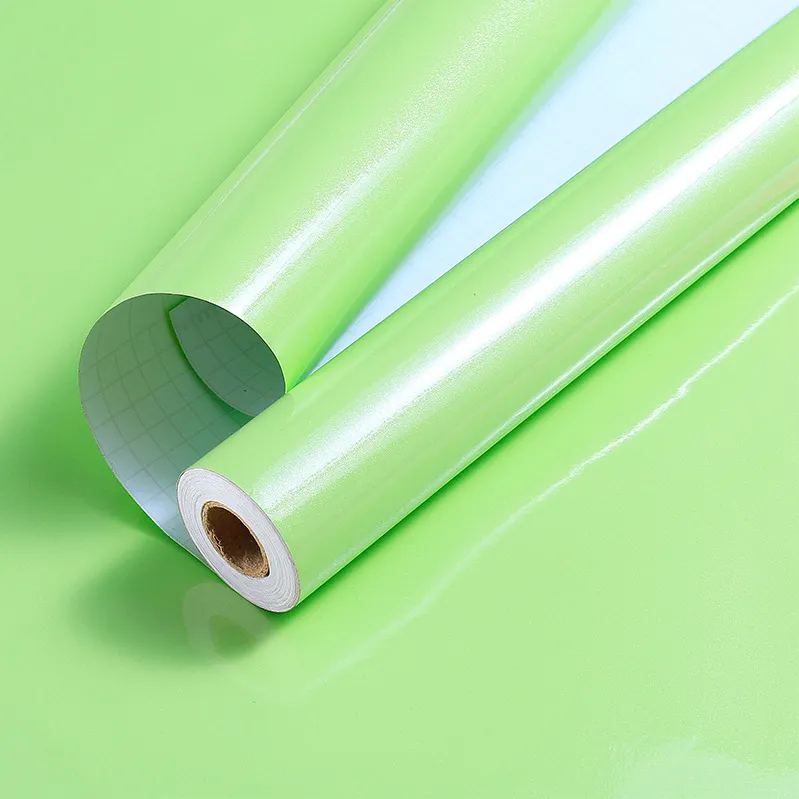
Several variables determine the optimal adhesive amount:
Validate adhesive performance using measurable tests: 180° peel (N/25mm or oz/in), shear (hours at load), and initial tack. As an example, many indoor decorative films aim for a 180° peel of 2–6 N/25mm depending on removability requirements; long-term outdoor bonds target higher peel plus shear strength.
To optimize glue usage and performance:
Goal: Decorative PVC film for furniture panels with a target dry coat of 18 g/m². Adhesive solids = 55% (0.55).
Calculation: Wet coat = 18 ÷ 0.55 = 32.7 g/m². Round to process capability (e.g., set wet coat to 33 g/m²), then validate with peel tests.
Adhesive is a major cost driver in coated PVC films. Optimize by lowering coat weight only after ensuring surface preparation and proper adhesive selection. In many production environments, reducing coat by 1–2 g/m² across large volumes yields significant savings—but only if performance targets remain met.
Use this checklist to lock in your adhesive specification:
For manufacturers and brands sourcing PVC film lamination services or custom film orders, working with a full-chain supplier streamlines trials and scale-up—Pulivk provides integrated production capabilities that can help teams optimize adhesive coat weight and production parameters quickly.