Address
304 North Cardinal St.
Dorchester Center, MA 02124
Work Hours
Monday to Friday: 7AM - 7PM
Weekend: 10AM - 5PM
Address
304 North Cardinal St.
Dorchester Center, MA 02124
Work Hours
Monday to Friday: 7AM - 7PM
Weekend: 10AM - 5PM


 ByPulivk
Choosing the right pvc film adhesive is critical to ensuring long-term performance in furniture manufacturing, interior decoration, automotive interiors, and consumer goods. The adhesive must not only bond effectively with the substrate but also remain compatible with the plasticizers, surface coatings, and processing conditions of modern calendered film and decorative vinyl. Whether you are laminating flat MDF panels or wrapping complex 3D profiles, understanding adhesive chemistry, application environment, and film properties will help you avoid delamination, bubbling, and early failure.
Unlike bonding metal or wood, pvc film adhesive formulas must address the unique surface energy and chemical migration characteristics of flexible PVC. Plasticizers can migrate from the film into the adhesive over time, softening the bond line and reducing strength. Therefore, a well-formulated adhesive acts as a barrier, maintains dimensional stability, and provides consistent peel strength across a wide temperature range. Adhesion to substrates such as MDF, particleboard, ABS, and primed metals must be tested according to recognized industry standards like ASTM PVC Film Standard specifications to guarantee product reliability.
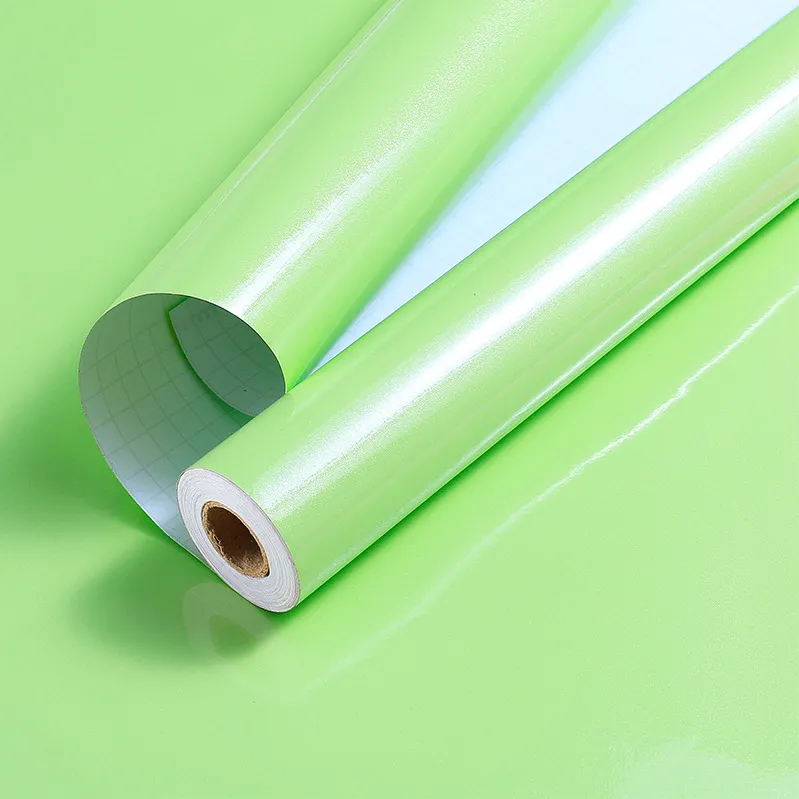
Manufacturers typically select from several adhesive technologies based on the application method, production speed, and end-use environment. The table below outlines the most common pvc film adhesive systems used across industries today.
| Adhesive Type | Key Characteristics | Typical Applications |
|---|---|---|
| Water-Based Acrylic | Low VOC, good initial tack, easy cleanup, plasticizer resistant | Furniture lamination, wall panels, interior doors |
| Solvent-Based Polyurethane | Very high bond strength, heat resistant, moisture resistant, excellent gap-filling | 3D membrane pressing, kitchen cabinets, automotive interiors |
| Hot Melt (PUR) | Fast setting, high green strength, moisture-curing, very thin glue line | High-speed profile wrapping, edge banding, continuous pressing |
| Pressure Sensitive (PSA) | Permanent tack, repositionable, no heat required, easy application | Self-adhesive decorative films, floor stickers, wall decals |
| Epoxy & Two-Component | Chemical crosslinking, extreme durability, solvent and heat resistant | Industrial flooring, laboratory surfaces, exterior cladding |
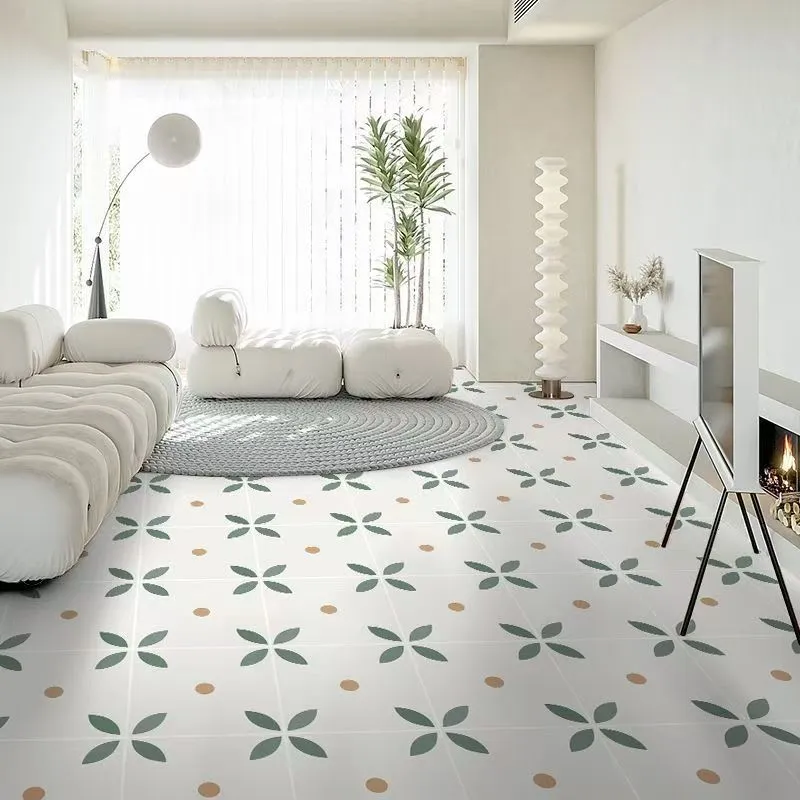
In wardrobe panels, kitchen doors, and office furniture, pvc film adhesive is applied via vacuum membrane presses or roll laminators using solvent-based PU or water-based acrylic systems. The deep drawing capability of a quality adhesive ensures perfect wrap on routed MDF grooves and 3D edges.
Luxury vinyl tile (LVT) and floor film demand pressure-sensitive or two-part adhesives that remain dimensionally stable under rolling loads. Wall decoration films often rely on repositionable PSA layers that allow easy alignment during installation without damaging delicate paint or plaster surfaces.
Instrument panels, door inserts, and seat back covers use heat-activated adhesive films that bond to ABS and PP substrates. These must withstand extreme thermal cycling from -30°C to 90°C while resisting plasticizer migration from soft-touch top layers.
Protective films with anti-static properties rely on clean-peel pvc film adhesive layers that do not leave residue on glass displays or brushed metal panels. Adhesion must be tuned precisely to avoid slipping during die-cutting yet release smoothly after assembly.
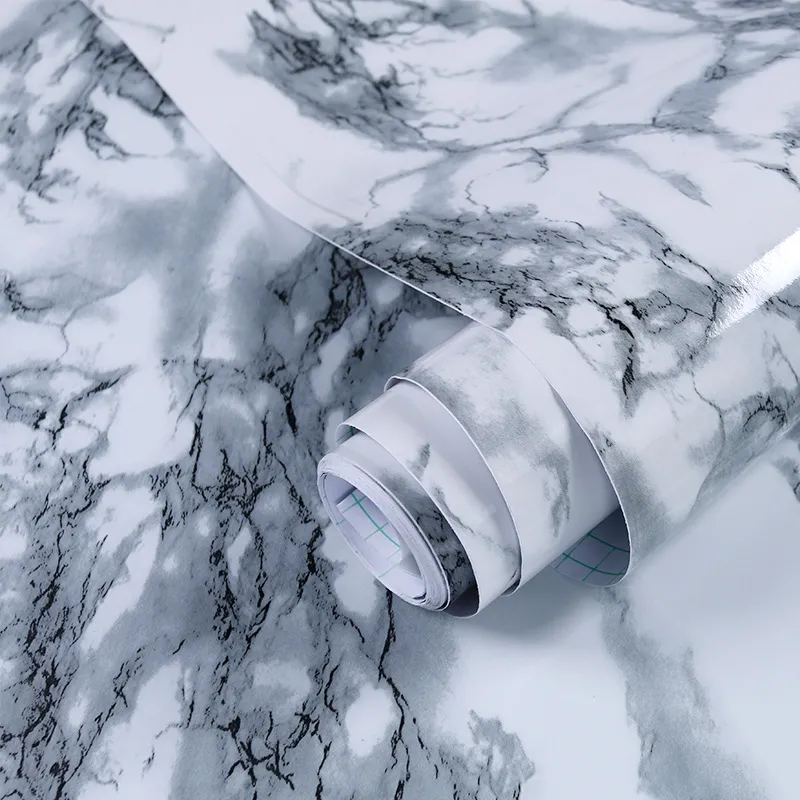
Evaluating pvc film adhesive candidates requires a systematic approach. By working through the selection criteria below, manufacturers can significantly reduce field failures and costly rework.
Consistent adhesion performance depends on rigorous testing. Leading manufacturers reference a range of ASTM and ISO methods to evaluate bond strength, heat resistance, and chemical compatibility. Below are key standards that guide pvc film adhesive selection and quality control in global supply chains.
| Standard | Scope |
|---|---|
| ASTM D903 | Peel or Stripping Strength of Adhesive Bonds |
| ASTM D1204 | Dimensional Changes of Nonrigid Thermoplastic Sheeting |
| ISO 527-3 | Determination of Tensile Properties of Films and Sheets |
| ISO 4591 | Determination of Thickness and Yield of Plastic Film |
| ASTM D2457 | Specular Gloss of Plastic Films and Solid Plastics |
At Henan Pulivk New Materials Co., Ltd., we maintain full in-house production lines for calendered film, decorative film, and self-adhesive film, ensuring that every product we supply is fully compatible with major pvc film adhesive systems used worldwide. Our technical team can recommend adhesive partners and provide sample panels for peel testing before bulk orders.
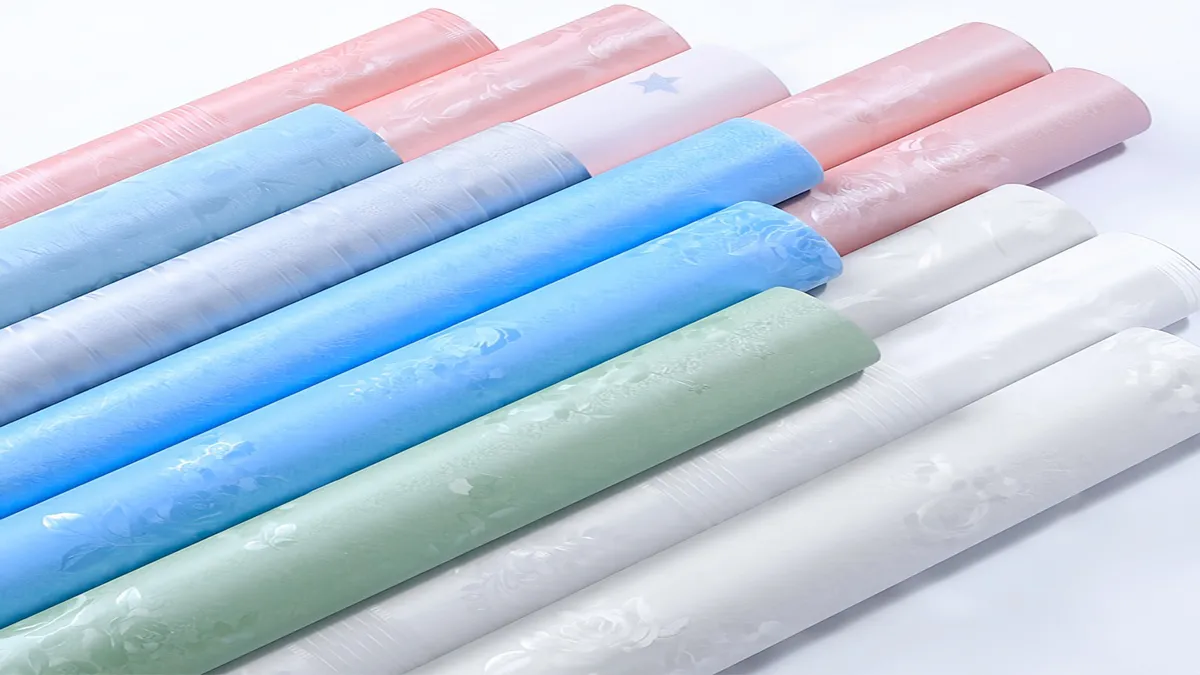
The industry is rapidly moving toward bio-based polyurethane dispersions, UV-curable hot melts, and debondable adhesives designed for circular economy recycling. Innovations in microencapsulation allow one-part adhesives to be activated on demand, reducing waste and energy consumption. As global regulations tighten around VOCs and chemical safety, next-generation pvc film adhesive products will continue to balance high performance with environmental responsibility. To explore compatibility with your specific film and process parameters, reach out to a reputable supplier who can provide technical data sheets and real-world application support.