Address
304 North Cardinal St.
Dorchester Center, MA 02124
Work Hours
Monday to Friday: 7AM - 7PM
Weekend: 10AM - 5PM
Address
304 North Cardinal St.
Dorchester Center, MA 02124
Work Hours
Monday to Friday: 7AM - 7PM
Weekend: 10AM - 5PM


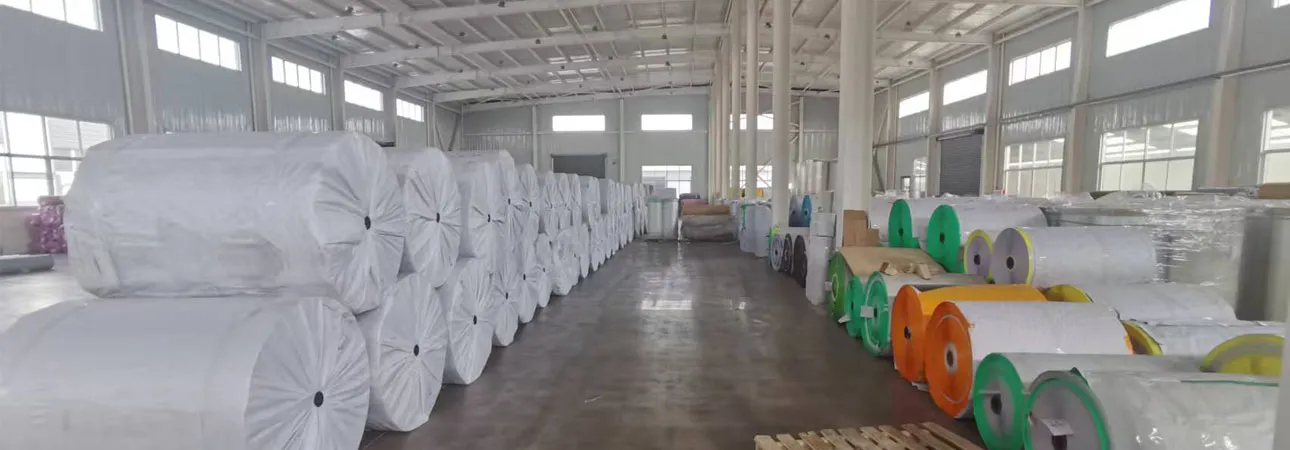
Automatic PVC film lamination machines transform how manufacturers apply decorative and protective films to substrates — delivering consistent adhesion, precise alignment, and high throughput for modern production lines. This guide explains how automated lamination improves efficiency, what to look for when selecting equipment, and practical tips to get precise film application every time.
Consistency: Automated tension control and servo-driven feeders remove human variability, reducing wrinkles, bubbles, and misalignment.
Speed: Modern machines run continuous rolls at high m/min rates while maintaining cut-to-length and overlap precision — ideal for large batches and repeat orders.
Material Versatility: Designed for PVC, PET, and composite films, automatic laminators handle glossy, matte, textured, and adhesive-backed films with minimal setup changes.
Unwind/Rewind Systems: Active tension feedback keeps film flat and concentric during high-speed spooling.
Lamination Heads & Rollers: Heated or cold nip roller options provide even pressure and temperature distribution for strong, uniform bonds.
Alignment & Registration: Vision sensors and edge guides maintain accurate print-to-film registration for printed or patterned films.
| Metric | Typical Range | Why It Matters |
|---|---|---|
| Lamination Speed | 5–60 m/min | Balancing output and bond quality for different film types. |
| Max Film Width | 500–3200 mm | Determines compatibility with wide-format furniture, flooring, and panel projects. |
| Registration Accuracy | ±0.2–1.0 mm | Critical for printed patterns and repeatable decorative finishes. |
| Tension Control | Closed-loop servo control | Prevents distortions, stretching, and edge lift on delicate films. |
The automatic lamination process is ideal for furniture surfacing, flooring films, kitchen and bathroom protective membranes, automotive trim covers, and packaging sleeves. Manufacturers targeting retail and contract markets benefit from repeatable finishes and reduced defect rates.
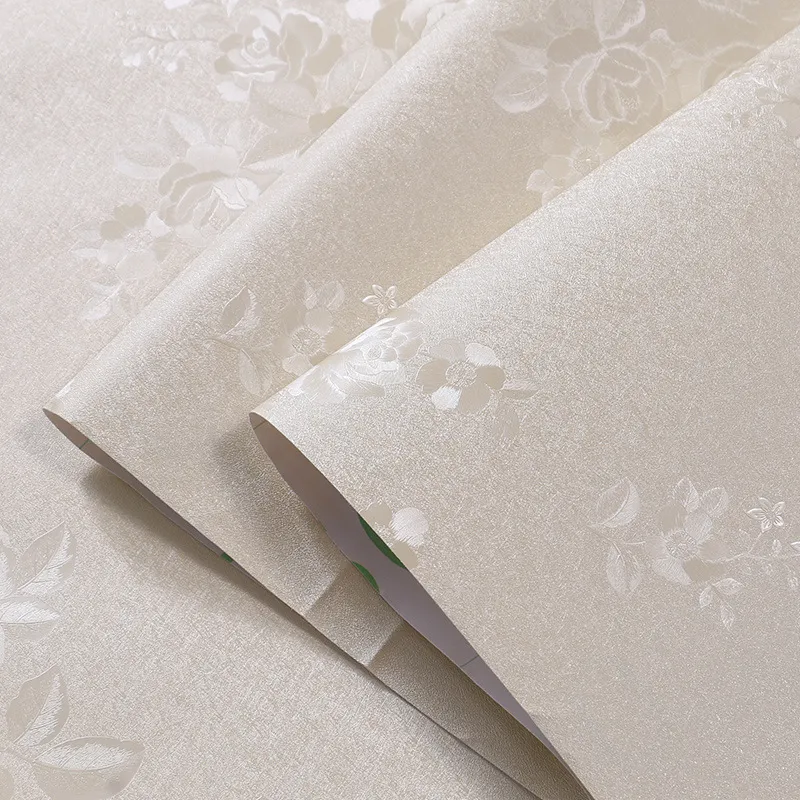
Film compatibility: Confirm compatibility with film thicknesses (e.g., 20–500 μm) and surface textures.
Automation level: PLC & HMI controls, automatic tension, and recipe memory shorten changeover times.
Service access & support: Choose vendors with clear spare parts availability and technical support for uptime.
Regularly inspect nip rollers, clean sensors, and verify tension setpoints before each production run. Scheduled calibration of vision-guidance and alignment systems ensures lasting registration accuracy. Keep spare rubber rollers and heating elements on hand to minimize downtime during critical orders.
If delamination or bubbles appear: reduce line speed, lower nip temperature slightly, and check for adhesive contamination. For edge lift: increase edge guide pressure or adjust tension differential between unwind and laminate rolls.
High-precision lamination reduces scrap and rework, delivering meaningful cost savings at scale. Efficient heat control and optimized line speeds also cut energy use per square meter laminated. When combined with bulk film sourcing and smart inventory, automated lamination supports greener production footprints.
Pulivk — https://pvcfilmtec.com/ provides full in-house calendering, printing and split-packaging capabilities, plus flexible OEM options, strict quality control, and streamlined lead times to support modern lamination lines.