Address
304 North Cardinal St.
Dorchester Center, MA 02124
Work Hours
Monday to Friday: 7AM - 7PM
Weekend: 10AM - 5PM
Address
304 North Cardinal St.
Dorchester Center, MA 02124
Work Hours
Monday to Friday: 7AM - 7PM
Weekend: 10AM - 5PM


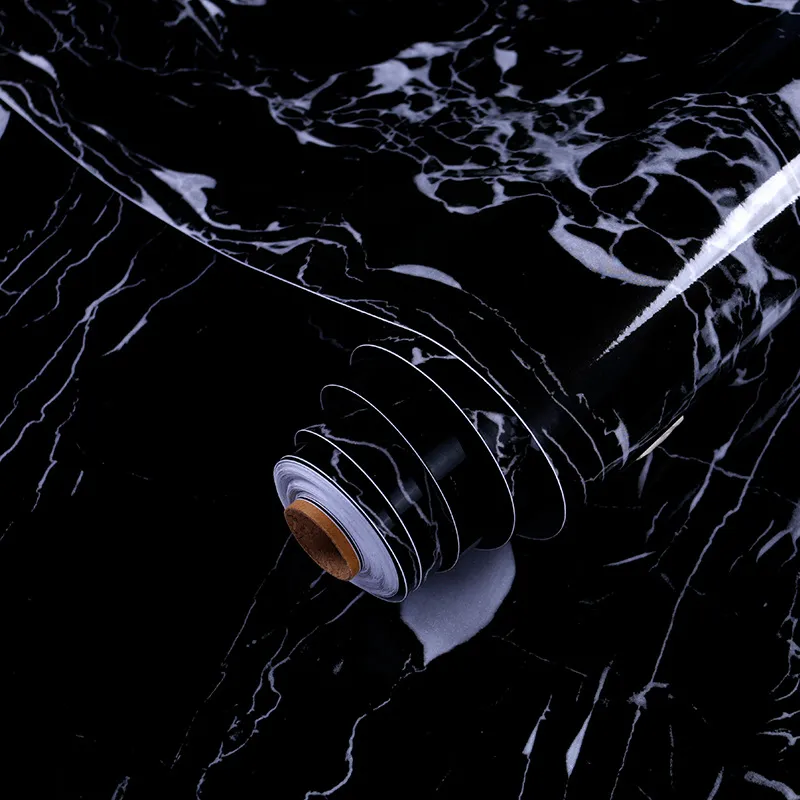
Understanding PVC film bending performance is essential for designers, manufacturers, and specifiers who need materials that combine flexibility with long-term durability. This guide breaks down the factors that control how PVC films behave during bending, forming, and installation, and offers practical tips to improve performance in real-world applications.
Flexibility in PVC film mainly comes from the polymer formulation and the amount/type of plasticizer used. Higher plasticizer content generally increases flexibility, but excessive plasticization can reduce mechanical strength and long-term dimensional stability. Other influences include film thickness, molecular weight distribution, and whether the film is calendered, cast, or laminated.
Plasticizers: Phthalates and non-phthalate alternatives change the Tg (glass transition) of PVC. Lower Tg = more pliable film at room temperature. Choose stable, low-migration plasticizers for outdoor or high-temperature applications to avoid embrittlement over time.
Polymer grade & additives: Impact modifiers, UV stabilizers, and fillers affect both flexibility and durability. Balanced additive packages can maintain bendability while enhancing abrasion and weather resistance.
How a PVC film is made—calendering vs. casting—directly impacts its microstructure and bend performance. Calendered films often have more orientation and surface finish consistency, while cast films can deliver different stress relaxation behaviors.
Calendered production lines control thickness and surface texture precisely. Controlled cooling and annealing reduce residual stresses that could cause cracking or delamination during tight bends. Printing and coatings must also be formulated to remain flexible with the base film.
Thickness is one of the most straightforward predictors of bending performance: thinner films allow tighter radii but may sacrifice tear resistance and wear life.
| Metric | Typical Range | Impact on Bending |
|---|---|---|
| Thickness (μm) | 50 – 500 | Lower = tighter bend radius; higher = better wear resistance |
| Elongation at break | 100% – 400% | Higher values = better ability to deform without cracking |
| Tensile strength (MPa) | 10 – 40 | Affects load-bearing during installation and forming |
| Minimum bend radius | 0.5 – 10 × thickness | Depends on film formulation and temperature during forming |
Temperature, humidity, UV exposure, and chemical contact change bending performance over time. For example, films installed in hot climates can soften and flow, whereas cold environments make PVC stiffer and more prone to cracking if not formulated for low-temperature flexibility.
In regions with hot summers (e.g., southern areas), select heat-stable plasticizers and UV stabilizers. For colder climates, choose PVC grades with good low-temperature impact modifiers. Anticipate thermal cycling in exterior applications to prevent fatigue cracking.
Surface coatings, printing inks, and adhesive systems must be matched to the film’s mechanical behavior. Coatings that cure into rigid layers will form cracks on tight bends; pressure-sensitive adhesives must maintain tack without becoming brittle.
Use flexible primers and adhesives formulated for PVC. Laminated multi-layer films can combine a flexible printed face with tougher backing to improve bend endurance while protecting the decorative surface.
Standard tests that predict bending performance include tensile testing (ASTM D882), elongation at break, mandrel bend tests, and accelerated weathering. Consistent QC at every production stage reduces variations that lead to field failures.
– Measure elongation and tensile strength across production batches.
– Run mandrel bend or cold flex tests for intended installation radii.
– Perform UV and heat aging to forecast long-term flexibility retention.
To maximize both flexibility and durability:
– Specify film formulation to match the expected bend radius and service temperature.
– Use proper heating and annealing during forming to relieve stresses.
– Avoid overly aggressive cleaning chemicals or solvents that extract plasticizers.
– Allow for expansion gaps where thermal movement is expected.
If tight radii, heavy foot traffic, or outdoor exposure are required, opt for films specifically engineered for those conditions—these include enhanced plasticizer stability, reinforced backings, or thicker wear layers.
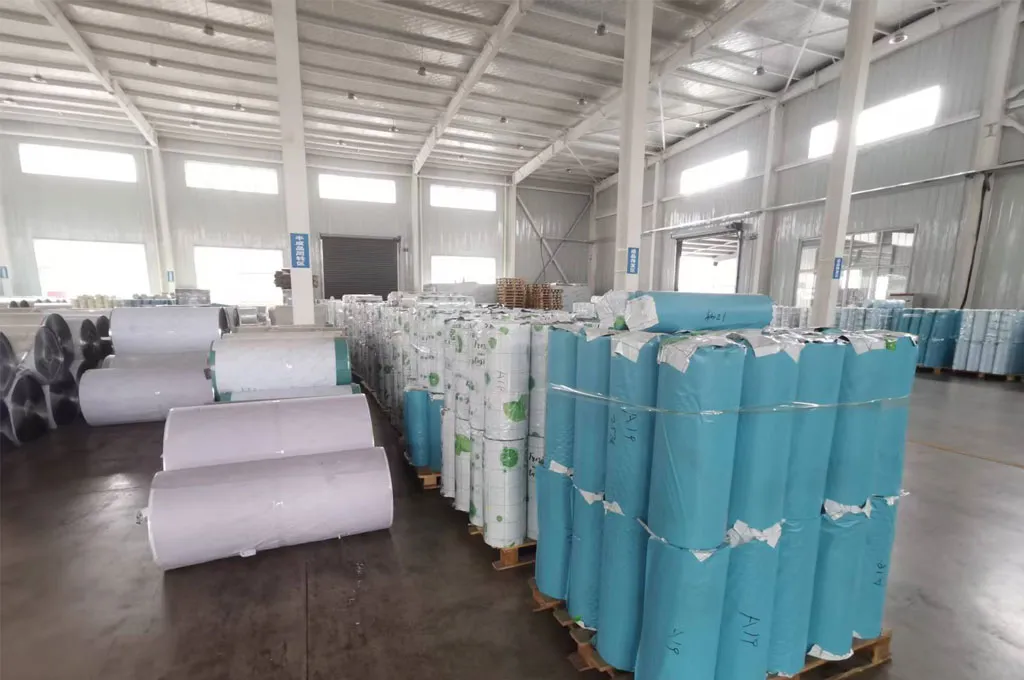
Pulivk (Henan Pulivk New Materials Co., Ltd.) provides calendered PVC films and full in-house production services, including printing and split-packaging. For tailored specifications or OEM runs, visit https://pvcfilmtec.com/ to learn more.