Address
304 North Cardinal St.
Dorchester Center, MA 02124
Work Hours
Monday to Friday: 7AM - 7PM
Weekend: 10AM - 5PM
Address
304 North Cardinal St.
Dorchester Center, MA 02124
Work Hours
Monday to Friday: 7AM - 7PM
Weekend: 10AM - 5PM


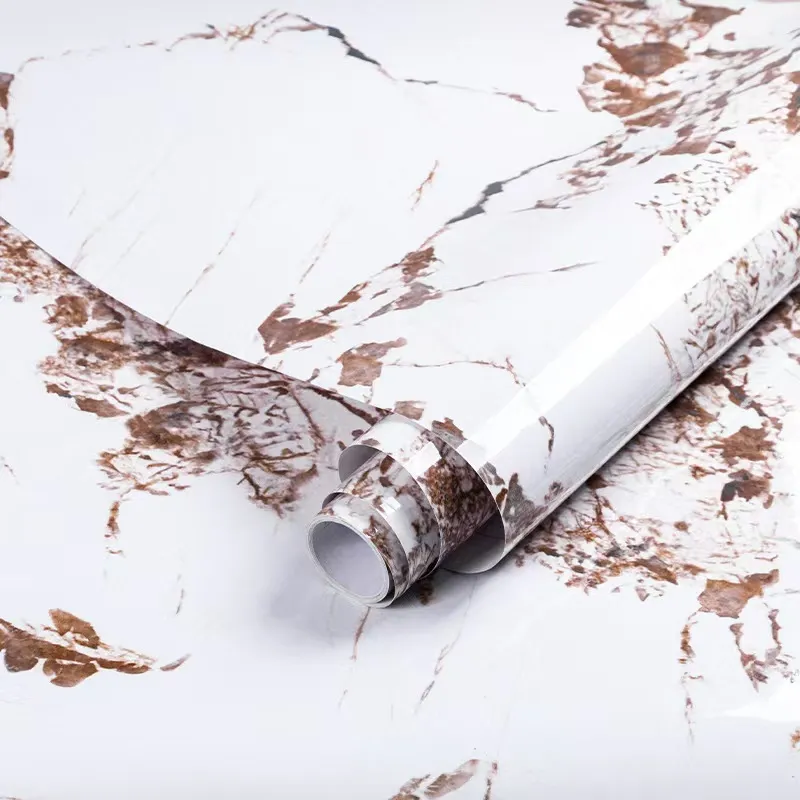
PVC film is a versatile decorative and protective material used on furniture, floors, kitchens, bathrooms, and signage. Proper daily maintenance extends its life, preserves appearance, and prevents common problems like scratches, discoloration, or adhesive failure. The tips below are practical, SEO-friendly, and designed for both homeowners and professional installers.
Regular cleaning prevents dirt and oils from building up and attacking the film’s surface. PVC surfaces exposed to kitchens or high-traffic areas accumulate grease and grime faster, while glossy finishes show fingerprints and micro-scratches more easily than matte finishes. Daily care keeps the film looking new and reduces the need for replacements or intensive restoration.
Cleaner surfaces: removes contaminants before they bond to the film.
Longer lifespan: reduces UV and chemical degradation over time.
Better appearance: preserves gloss and pattern fidelity for decorative films.
Follow these short, repeatable steps each day or after heavy use. They work for most PVC films including glossy, matte, wood-grain, and marble-effect films.
1. Dust and dry wipe: Use a soft microfiber cloth or a dry non-abrasive duster to remove loose dust and grit. This prevents scratching when you follow up with wet cleaning.
2. Mild soap solution: Mix a few drops of neutral liquid soap in warm water. Dampen a clean microfiber cloth and gently wipe the surface. Avoid soaking the film—use only a damp cloth and dry immediately.
3. Grease removal: For kitchen or cooking areas, use a small amount of diluted dishwashing liquid or a gentle all-purpose cleaner. Rinse with a cloth dampened in clean water and dry to avoid streaks.
4. Stain spot test: Before using any new cleaner, test on a hidden edge for 24 hours to check for color change or adhesive weakening.
| Cleaner | Suitable For | Notes |
|---|---|---|
| Warm water + neutral soap | All PVC films | Safest daily option |
| Diluted dish soap | Kitchen films, anti-oil films | Removes grease; rinse well |
| Isopropyl alcohol (10–20%) | Spot cleaning only | Test first; avoid prolonged use |
| Abrasive cleaners | Not recommended | May scratch or dull film |
Use a soft microfiber cloth and avoid circular scrubbing that can create swirl marks. Polish lightly with a clean dry cloth after cleaning to restore shine.
Matte surfaces hide fingerprints but show oil. Use gentle straight-line wiping and avoid polishing agents that can create glossy patches.
Keep edges dry and avoid aggressive solvents near seams. If edges lift, clean the area and re-press with a roller; consult professional installers for permanent repairs.
Apply a damp cloth with diluted isopropyl alcohol (10–20%), rub gently, rinse, and dry. If residue remains, consult the film manufacturer’s care guidelines.
Minor scuffs on glossy films can sometimes be reduced by gentle buffing with a microfiber cloth and a small amount of non-abrasive polish—test first in an inconspicuous area.
Small bubbles often disappear after smoothing with a roller and light heat from a heat gun (on low) — keep the heat source moving and maintain a safe distance to avoid film damage.
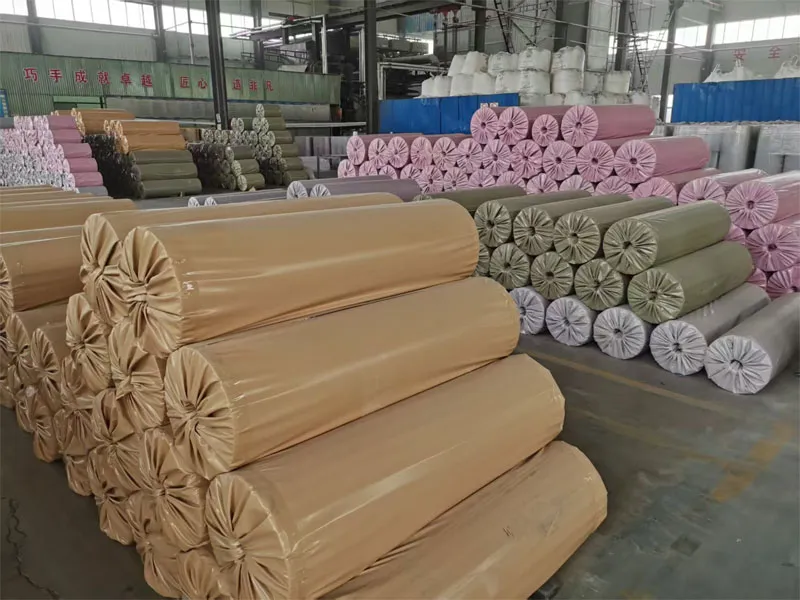
Store spare rolls flat or upright in a clean, dry place away from direct sunlight and high heat. Avoid folding or creasing. For regions with high humidity or strong sun (common in many Southeast Asian and Middle Eastern climates), ensure film is kept in cool, shaded storage and use UV-resistant variants where possible.
– Wipe high-touch areas with a damp cloth.
– Inspect seams and edges for lifting.
– Check for grease buildup in kitchens and clean promptly.
Use biodegradable soaps and microfiber cloths that trap dirt without showing abrasive wear. Avoid harsh chemical cleaners that can release VOCs and damage the PVC surface over time.
For large-scale adhesive failures, discoloration across a full panel, or major surface damage, contact a professional installer or your film supplier for assessment and repair recommendations.
Pulivk — Henan Pulivk New Materials Co., Ltd. provides full in-house production of PVC films including calendering and printing lines. For specification questions, OEM options, or bulk supply details, visit https://pvcfilmtec.com/.