Address
304 North Cardinal St.
Dorchester Center, MA 02124
Work Hours
Monday to Friday: 7AM - 7PM
Weekend: 10AM - 5PM
Address
304 North Cardinal St.
Dorchester Center, MA 02124
Work Hours
Monday to Friday: 7AM - 7PM
Weekend: 10AM - 5PM



 ByPulivk
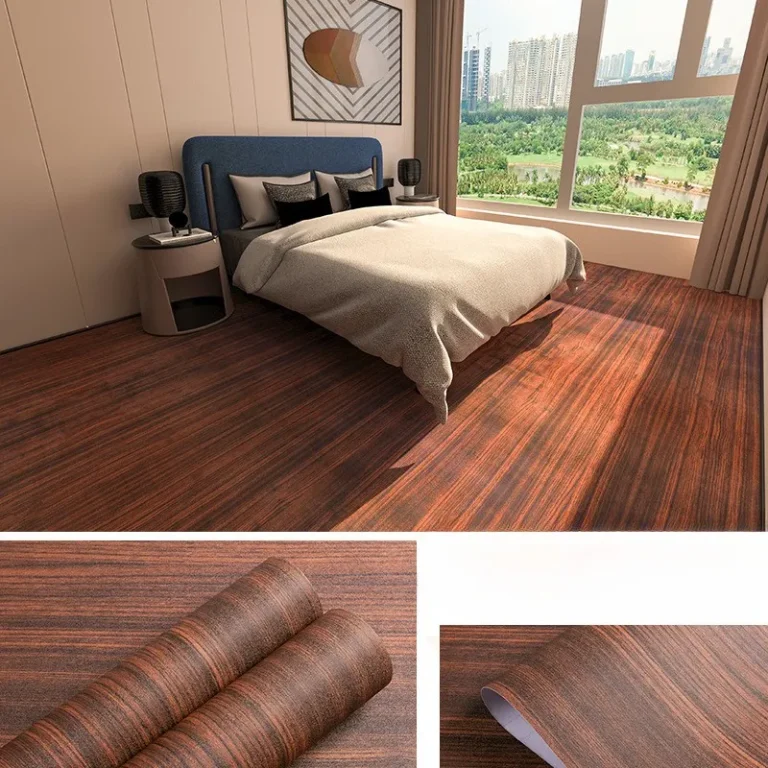
When sourcing PVC film for furniture decoration, wall panels, or flooring, two technical specs dominate procurement decisions: density and factory price. Understanding the relationship between material density and cost structure helps buyers avoid overpaying while securing consistent quality. This guide breaks down how factory price pvc film density calculations work, what influences final pricing, and how to evaluate suppliers effectively.
PVC film density refers to the mass per unit volume of the material, typically measured in grams per cubic centimeter (g/cm³). Standard rigid PVC has a density around 1.30–1.45 g/cm³, while plasticized or foamed variants can be lighter. Density directly correlates with mechanical strength, flexibility, and surface hardness — all of which affect how the film performs on wood grain film applications or high-traffic floor film installations.
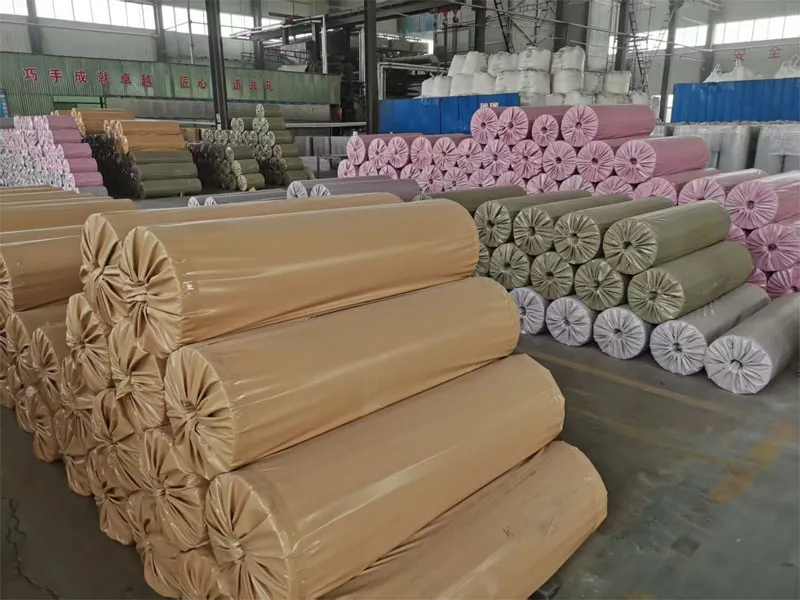
Three primary density categories exist in calendered film production:
Manufacturers calculate factory price pvc film density based on raw material consumption. Higher density means more PVC resin per square meter, which raises production costs but often improves quality. The table below illustrates typical cost-density relationships for standard calendered films:
| Density Range | Typical Application | Price Impact | Thickness (mm) |
|---|---|---|---|
| 1.30–1.35 g/cm³ | Flexible packaging, soft décor | $0.80–$1.20/m² | 0.08–0.15 |
| 1.35–1.40 g/cm³ | Wall panels, door skins | $1.00–$1.60/m² | 0.10–0.30 |
| 1.40–1.45 g/cm³ | Furniture surfaces, flooring | $1.40–$2.50/m² | 0.12–0.50 |
Price varies significantly based on whether you order 3D silk texture film with embossed surfaces versus standard flat finishes. Testing standards such as the ASTM PVC Film Standard and Plastic Film Classification provide benchmark methods for verifying density claims from factories.
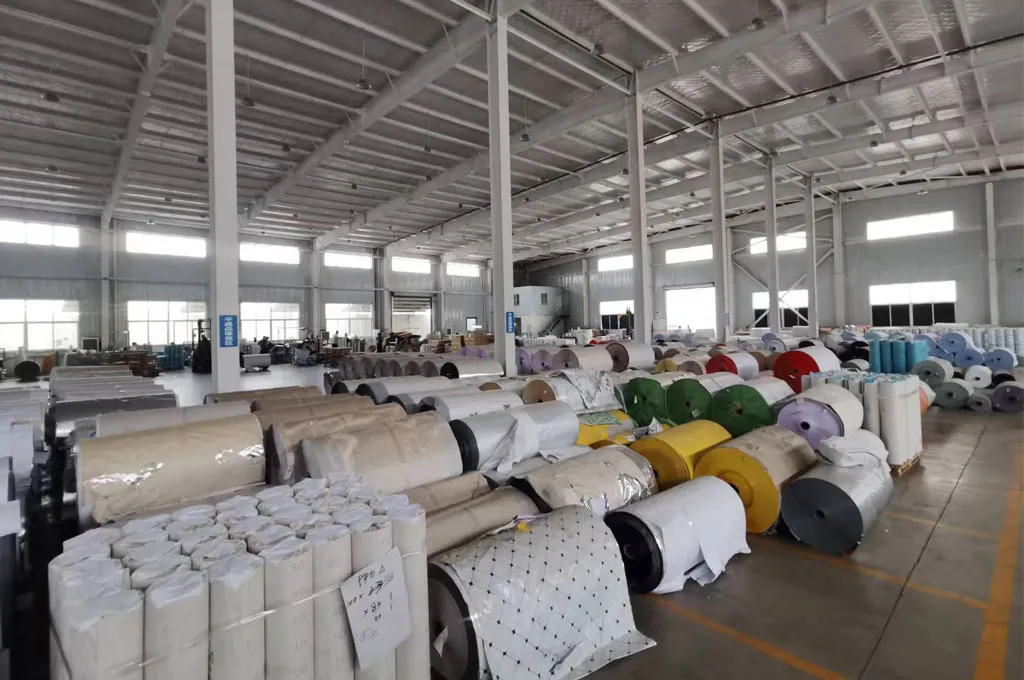
Beyond density, several variables shape the final factory price pvc film density equation:
According to the PVC Life Cycle Assessment, energy consumption during calendering also contributes to regional pricing differences. Factories in industrial clusters with lower energy costs can offer more competitive rates for the same density specifications.
Smart buyers approach factory price pvc film density as an optimization problem rather than a simple tradeoff:
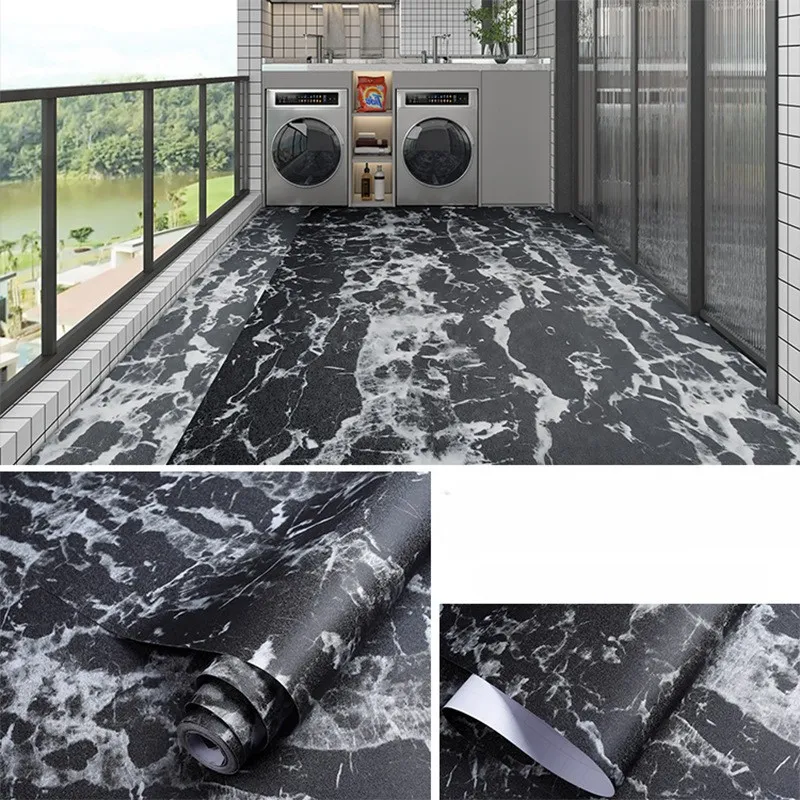
Factory-direct pricing eliminates intermediary markups, but you need to verify that the factory price pvc film density relationship is transparent. Look for suppliers who openly share technical data sheets with density specifications per product code. Companies with in-house calendering and printing lines — like Henan Pulivk New Materials Co., Ltd. — control both density consistency and cost from raw material stage to finished rolls, which translates to more stable pricing for buyers.
Before finalizing an order, request sample rolls and test them against application requirements. The ASTM Plastics Standards offer protocols for evaluating tear resistance, tensile strength, and dimensional stability — all of which correlate with density. A slightly higher per-square-meter price often pays off through reduced rejects and fewer installation failures.
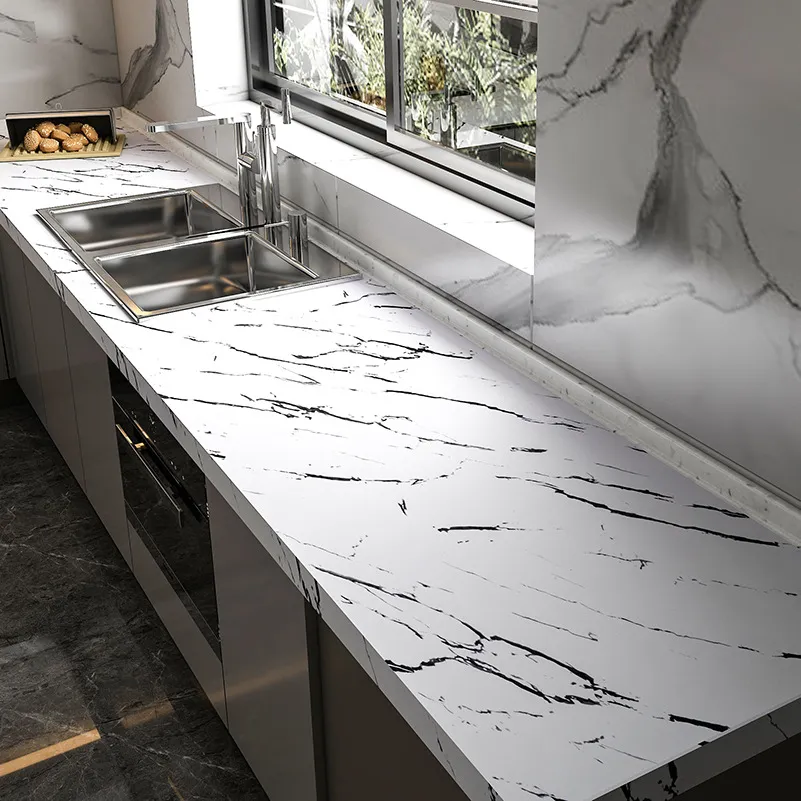
Ultimately, effective procurement means treating factory price pvc film density as a specification to be managed, not a mystery. With clear density targets, verified supplier data, and awareness of how material properties drive cost, you negotiate from a position of technical confidence.