Address
304 North Cardinal St.
Dorchester Center, MA 02124
Work Hours
Monday to Friday: 7AM - 7PM
Weekend: 10AM - 5PM
Address
304 North Cardinal St.
Dorchester Center, MA 02124
Work Hours
Monday to Friday: 7AM - 7PM
Weekend: 10AM - 5PM


 ByPulivk
PVC film extrusion is a high-efficiency continuous manufacturing process that transforms polyvinyl chloride resin and specialized additives into thin, flexible sheets used across countless industries. From furniture surface lamination to medical packaging, understanding the extrusion process helps buyers make informed decisions about material selection, quality expectations, and supplier capabilities. In European markets, this manufacturing method is widely researched as pvc estrusione film, reflecting the global demand for precision-engineered PVC sheeting.
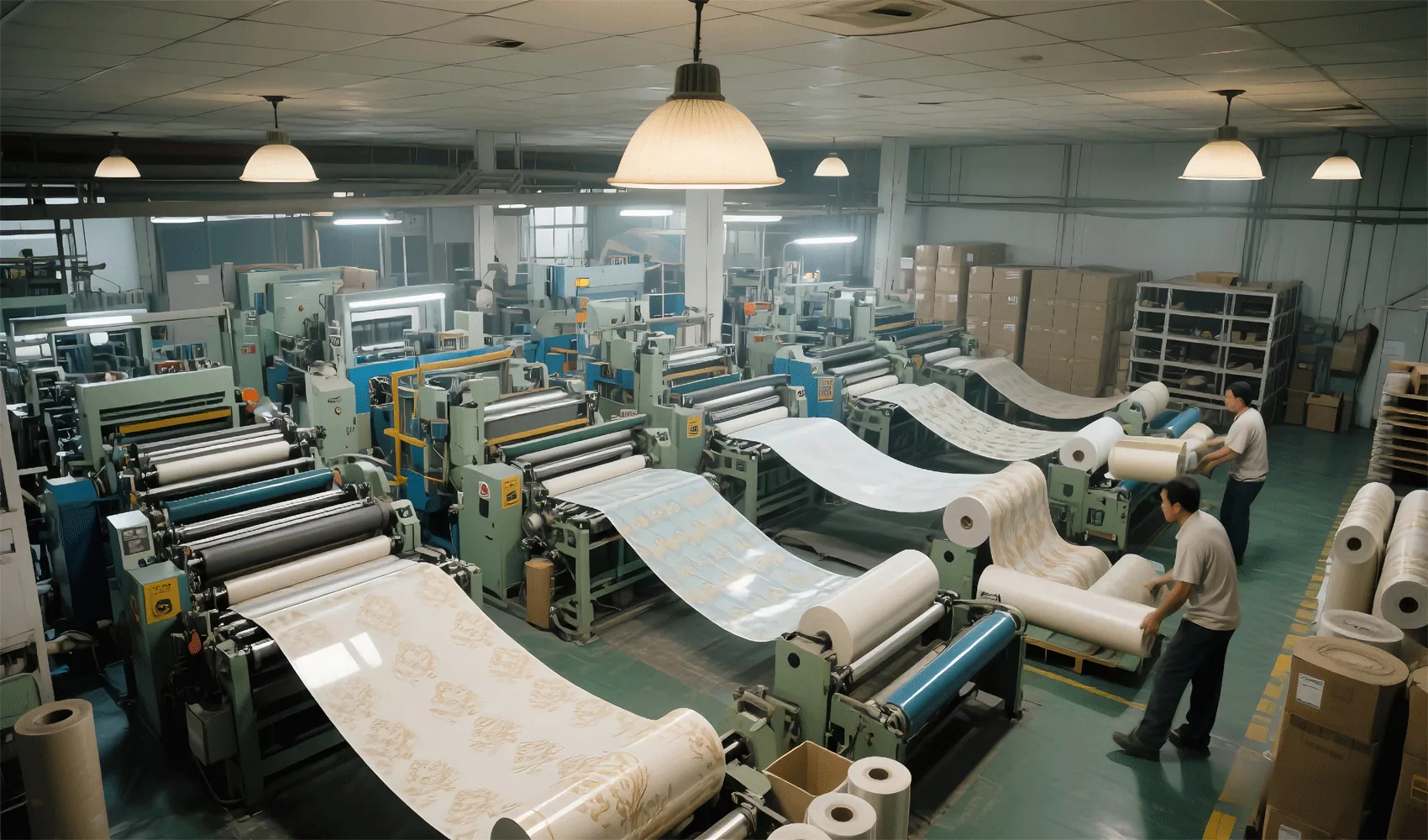
The extrusion of PVC film involves a carefully controlled sequence of operations. Each stage directly influences the final film quality, thickness uniformity, and surface finish. Here is how the process unfolds:
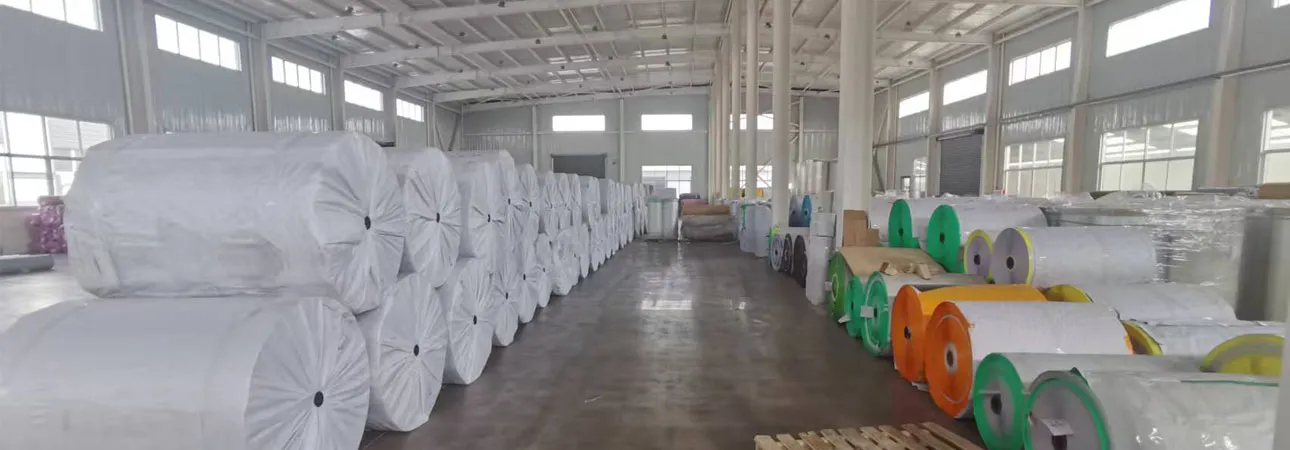
A complete extrusion line consists of several interdependent machines. The table below outlines the core equipment and its primary functions:
| Equipment | Function | Key Considerations |
|---|---|---|
| High-Speed Mixer | Homogeneous blending of PVC resin, plasticizers, and additives | Temperature control to prevent premature gelation |
| Twin-Screw Extruder | Melting, mixing, and pressurizing the PVC compound | Screw design, L/D ratio, wear resistance |
| Flat Die Assembly | Shaping the melt into a uniform thin web | Die gap adjustment, flow channel design |
| Polishing Stack | Thickness calibration and surface finishing | Roll temperature, surface chrome plating quality |
| Cooling Rollers | Rapid solidification and dimensional stabilization | Cooling uniformity, anti-condensation design |
| Winding System | Precision winding with controlled tension | Tension control accuracy, automatic roll change |
Extruded PVC films serve diverse markets due to their versatility, durability, and cost-effectiveness. Below are the primary application sectors:
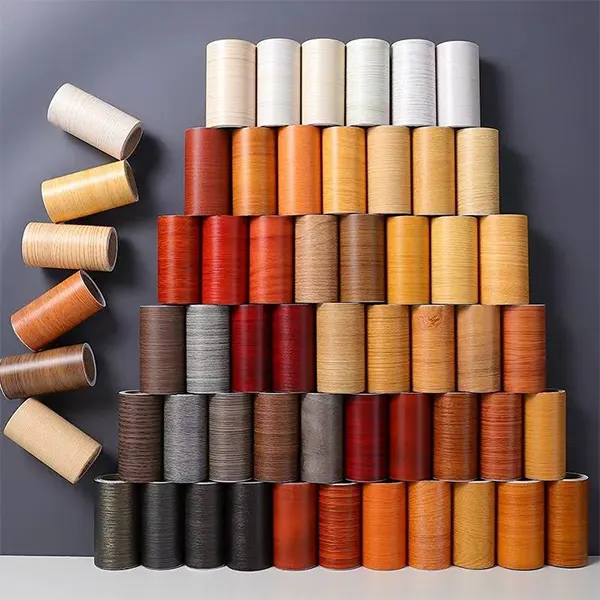
While both extrusion and calendering produce PVC films, the two processes differ significantly in methodology and resulting film characteristics. The comparison below helps clarify which method suits specific applications:
| Feature | Extrusion | Calendering |
|---|---|---|
| Process Type | Continuous melt extrusion through flat die | Roller-based sheet formation from heated compound |
| Thickness Range | Typically 0.02 mm to 0.50 mm | 0.05 mm to 0.80 mm and above |
| Surface Quality | Good; suitable for laminating and printing | Excellent; superior gloss control and embossing precision |
| Production Speed | High for thinner films | Moderate to high; excellent for wide-width films |
| Best For | Packaging, protective films, thin technical films | Decorative films, calendered film for furniture, embossed textures |
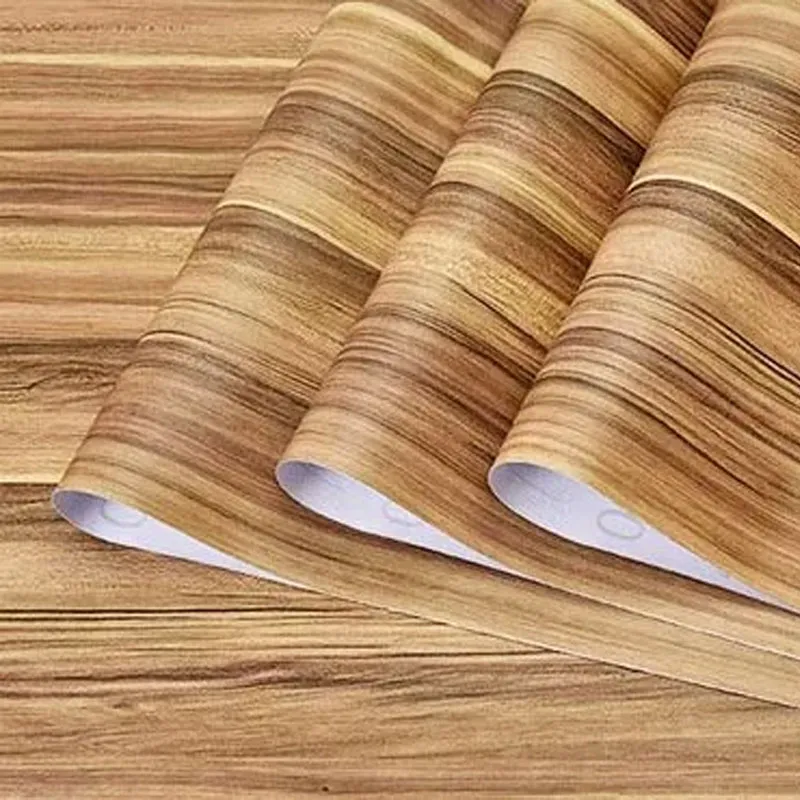
Drawing from decades of industry experience, the following expert recommendations can help manufacturers optimize their extrusion operations and help buyers evaluate supplier quality:
Reputable manufacturers adhere to international testing standards to validate film performance. Key tests include Plastic Film Tensile Testing per ASTM D882 for mechanical strength, ISO Film Thickness Standard ISO 4593 for dimensional accuracy, and tear resistance evaluations. These protocols ensure the film meets end-use requirements in demanding environments.
Environmental considerations are equally important. The PVC Circular Economy framework promoted by VinylPlus encourages recycling and sustainable production practices across the entire PVC value chain. Modern extrusion lines increasingly incorporate regrind capability to minimize material waste.
When evaluating PVC film suppliers, consider the following criteria to ensure consistent quality and reliable supply:
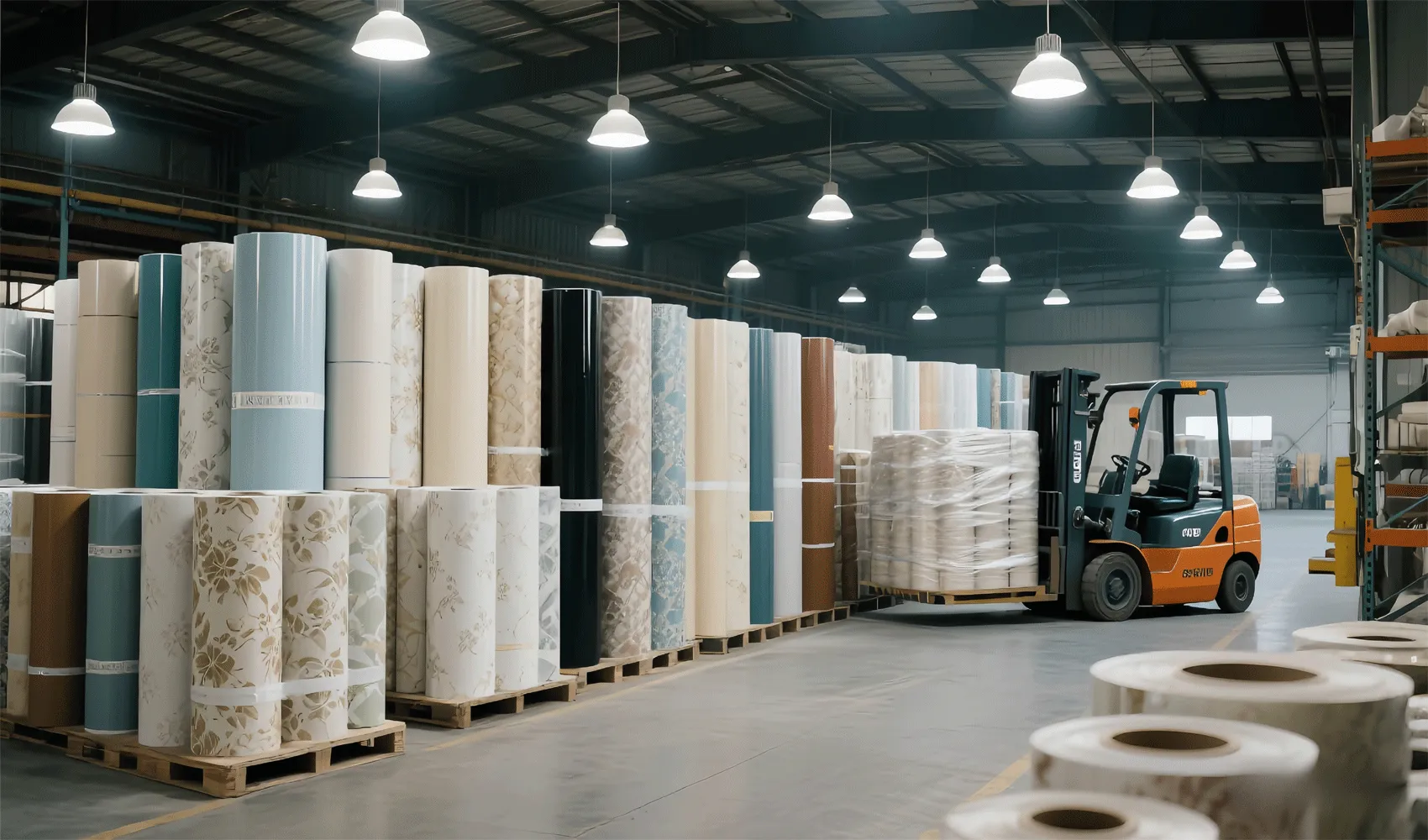
Henan Pulivk New Materials Co., Ltd. operates advanced calendering lines, printing lines, and split-packaging lines under one roof, enabling complete quality oversight from raw material processing to finished product delivery. This integrated approach supports consistent output for applications ranging from decorative furniture films to specialized industrial sheeting.
Discover a range of PVC film solutions suitable for various applications:
| Product | Typical Application |
|---|---|
| Calendered Film | Transparent, frosted, embossed, and pearlescent varieties for multi-industry use |
| 3D Silk Texture Film | Premium decorative surfaces with tactile silk-like finish |
| PVC Skirting Film | Durable baseboard lamination with moisture resistance |
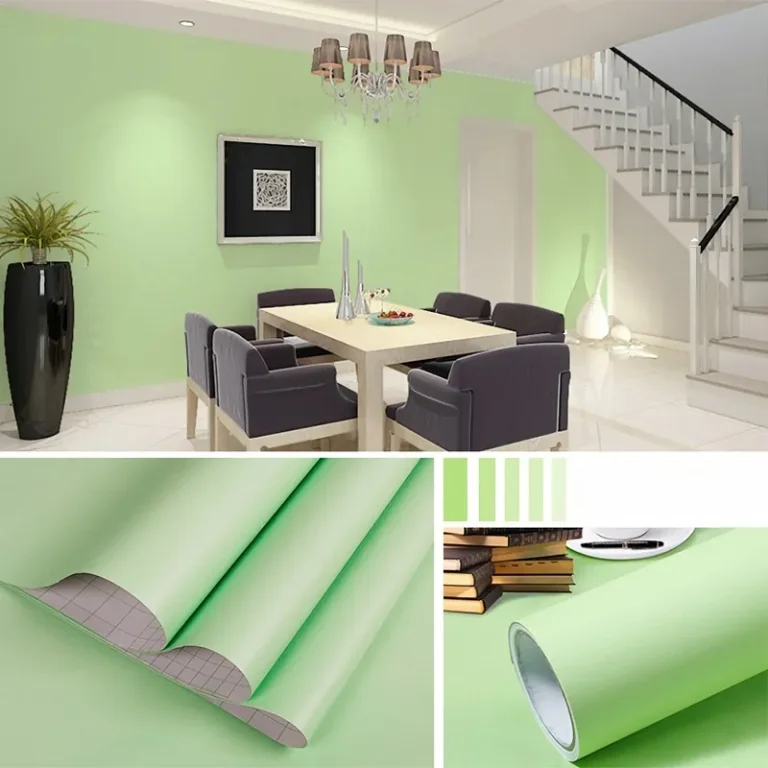
| Solid Color Wallpaper | Uniform color films for modern interior wall decoration |
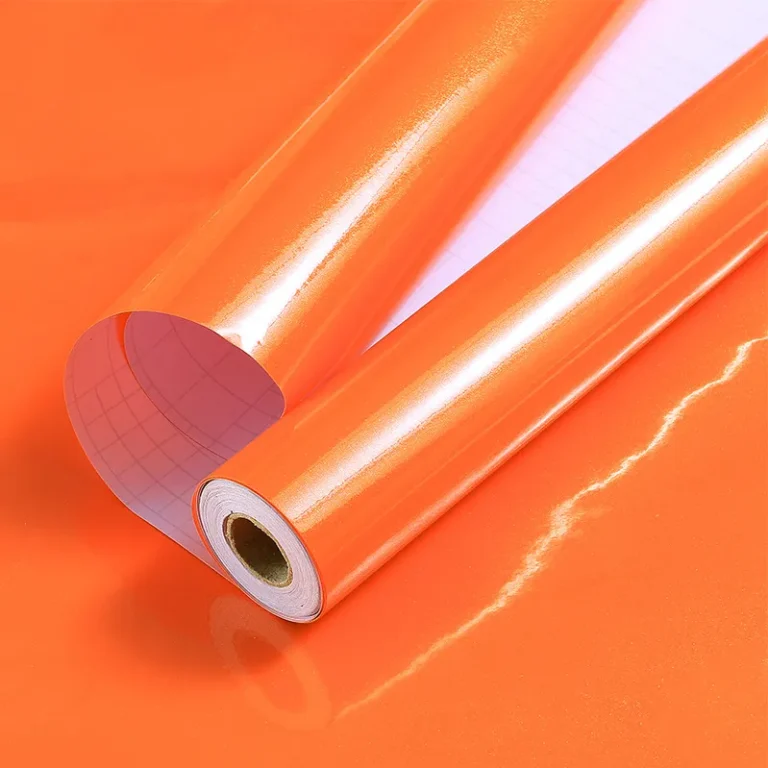
| Glossy Wardrobe Film | High-gloss surface lamination for wardrobe and cabinet doors |