Address
304 North Cardinal St.
Dorchester Center, MA 02124
Work Hours
Monday to Friday: 7AM - 7PM
Weekend: 10AM - 5PM
Address
304 North Cardinal St.
Dorchester Center, MA 02124
Work Hours
Monday to Friday: 7AM - 7PM
Weekend: 10AM - 5PM


 ByPulivk
The identification card industry demands materials that combine exceptional durability with advanced security features. PVC film for ID card manufacturing has become the global standard, offering unmatched printability, long-term stability, and compatibility with various embedded security elements.
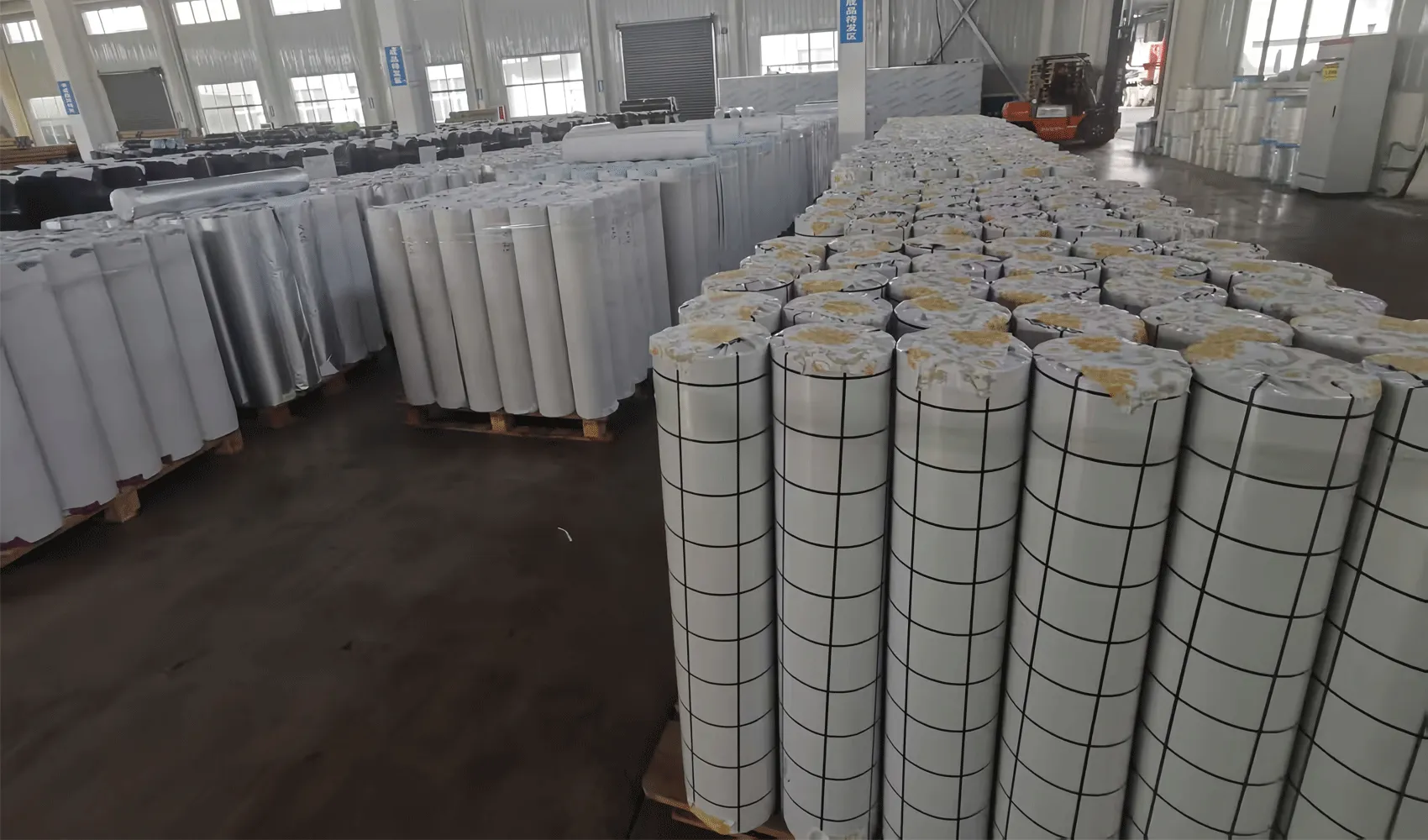
Polyvinyl chloride (PVC) remains the substrate of choice for government IDs, corporate access cards, and financial transaction cards. Its inherent properties allow manufacturers to meet strict ASTM PVC Film Standard specifications while delivering cost-effective production at scale. The material’s polymeric structure enables precise layer fusion during hot lamination, creating a monolithic card body resistant to delamination and tampering.
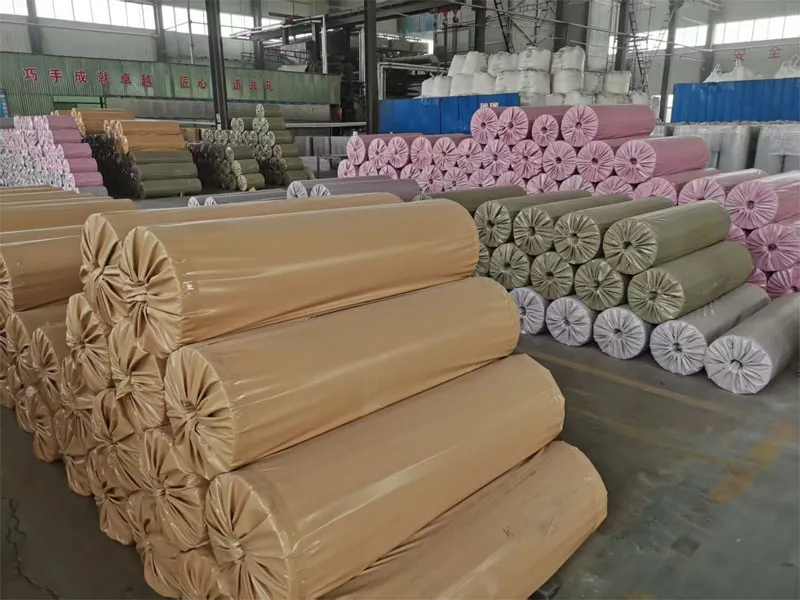
Modern ID cards incorporate multiple layers of protection. PVC film for ID card acts as the carrier for these security elements, which are integrated during the collation and lamination process. The clarity of the film allows for embedded features to be verified easily under standard lighting or UV exposure.
| Security Feature | Integration Method | Protection Level |
|---|---|---|
| Holographic Overlay | Hot roll lamination on PVC film surface | High |
| Micro-Text Printing | High-resolution offset on core layer | Medium-High |
| UV Fluorescent Ink | Screen-printed on PVC overlay | Medium |
| Tactile Laser Engraving | Direct marking on PVC film for ID card | Very High |
Understanding material properties is critical for card manufacturers seeking consistent results. The Plastic Film Tensile Testing standards provide benchmarks for quality assurance. Below are key parameters for typical ID card grade PVC film, which can be customized by experienced suppliers like Henan Pulivk New Materials Co., Ltd. to match specific equipment and end-use requirements.
| Property | Typical Value Range | Relevant Standard |
|---|---|---|
| Thickness (per layer) | 0.06 mm – 0.25 mm | Plastic Film Thickness Testing |
| Tensile Strength | ≥ 45 MPa (Machine Direction) | ISO 527-3 |
| Elongation at Break | ≥ 100% | ISO 527-3 |
| Haze (Transparent Grade) | ≤ 3% | Plastic Film Haze Testing |
| Gloss (@ 60° Angle) | 80 – 95 GU (Glossy), 5 – 15 GU (Matte) | Plastic Film Gloss Testing |
| Dimensional Stability | ≤ 2% shrinkage (at 100°C, 15 min) | PVC Film Dimensional Stability |
Producing high-quality PVC film for ID card involves precise calendering or casting processes. The raw PVC compound, along with plasticizers, stabilizers, and processing aids, is homogenized under controlled heat. The resulting film is then surface-treated to enhance adhesion and printability, a critical step that directly affects lamination bond strength and overall card body durability.
| Feature | Calendered Film | Cast Film |
|---|---|---|
| Production Speed | Very High (cost-effective for bulk orders) | Lower (suited for specialty films) |
| Thickness Tolerance | Good (± 5%) | Excellent (± 2%) |
| Optical Clarity | High | Superior (minimal gels) |
| Typical Application | Standard ID cards, decorative overlays | High-security credentials, optical cards |

Card manufacturers often require specific colors to align with corporate branding or national identity standards. PVC film for ID card production supports precise color matching using masterbatch formulations. Whether a solid white core for contactless smart cards or a translucent tinted overlay for enhanced visual security, custom colors are achievable with minimal minimum order quantities.
Rigorous testing is non-negotiable for secure ID card components. Manufacturers must verify compliance with ASTM Plastics Standards and corresponding ISO specifications to ensure film consistency and performance under stress.
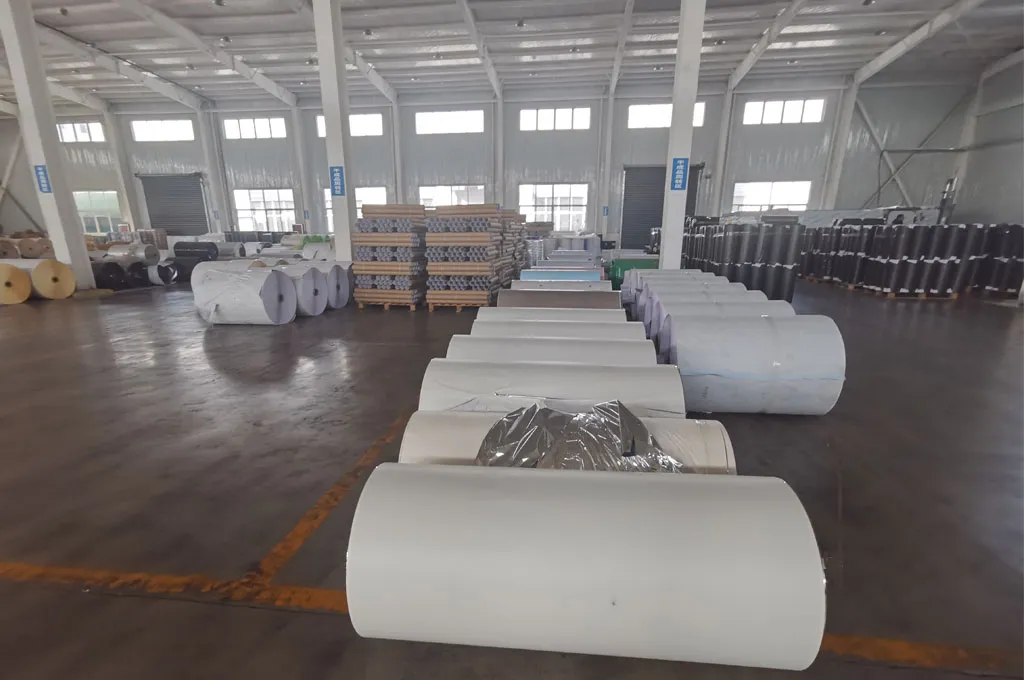
Beyond government and corporate IDs, PVC film technology supports a broad range of secure credentials.
| Card Type | Special Film Requirements | Typical Core Material |
|---|---|---|
| National eID Cards | High-opacity white, laser-engravable layers | Pure PVC, PC/PVC Blends |
| Driver’s Licenses | Tamper-evident laminate, UV fluorescent overlay | PVC Composite |
| Financial EMV Cards | Controlled shrinkage, high bond strength for chip encapsulation | PVC Overlay with PET/PETG Core |
| Access Control Cards | Matte finish with excellent print receptivity | Monolithic PVC |
| Gift and Loyalty Cards | Glossy surface, vibrant solid color options | Calendered PVC |
The ID card industry is progressively adopting circular economy principles. Modern PVC film formulations now include recycled content, and manufacturing processes are optimized to reduce waste. Suppliers adhering to PVC Circular Economy initiatives offer films that maintain performance while supporting environmental goals. Eco-friendly plasticizers and lead-free stabilizers are now standard in compliant films suitable for human contact.
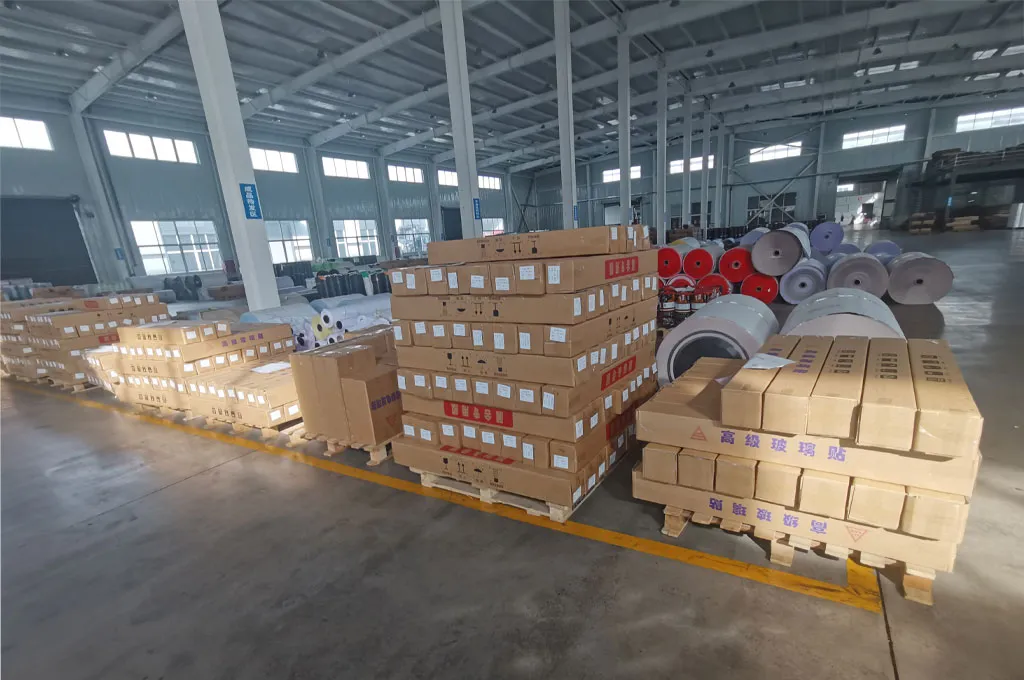
Choosing the right PVC film for ID card partner requires evaluating several factors beyond unit price. Consistency between batches, technical support, and the ability to supply custom widths and finishes are paramount for uninterrupted card production lines.
The right PVC film for ID card transforms a simple plastic sheet into a secure, long-lasting identity credential. By focusing on material quality, security integration capabilities, and supplier reliability, card manufacturers can deliver products that meet the rigorous demands of government agencies, financial institutions, and enterprises worldwide.