Address
304 North Cardinal St.
Dorchester Center, MA 02124
Work Hours
Monday to Friday: 7AM - 7PM
Weekend: 10AM - 5PM
Address
304 North Cardinal St.
Dorchester Center, MA 02124
Work Hours
Monday to Friday: 7AM - 7PM
Weekend: 10AM - 5PM


 ByPulivk
Identification cards serve as the backbone of modern security, loyalty programs, and access control systems worldwide. From government-issued IDs to corporate employee badges, the substrate material directly dictates the card’s longevity and tamper-resistance. Selecting the right PVC film for ID production is not merely a purchasing decision—it’s a foundational element that determines print fidelity, durability, and security compliance.
Unlike standard plastic sheets, specialized calendered PVC film used in card manufacturing undergoes rigorous engineering to meet specific thickness tolerances, surface energy requirements, and co-extrusion profiles. Whether for contactless smart cards, magnetic stripe cards, or basic photo IDs, the film’s formulation impacts everything from lamination peel strength to dye migration resistance.
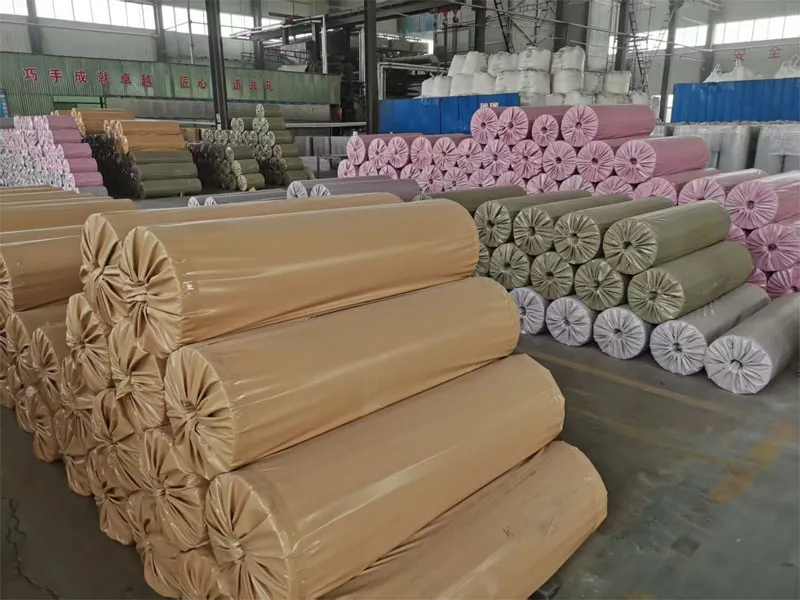
Polyvinyl chloride has dominated the card manufacturing industry for decades, and for good reason. The material offers an unmatched combination of mechanical strength, chemical compatibility with various printing technologies, and cost-efficiency at scale. When evaluating PVC film for ID applications, manufacturers often prioritize the balance between rigidity and flexibility—too brittle and the card snaps under stress; too soft and it deforms in wallet sleeves.
Modern ID cards rarely consist of a single monolithic layer. Instead, they rely on multi-ply construction: a white or translucent core for opacity and printability, sandwiched between transparent overlay films. This configuration demands high-gloss PVC film that bonds seamlessly under heat and pressure without entrapping air bubbles or releasing volatile plasticizers.
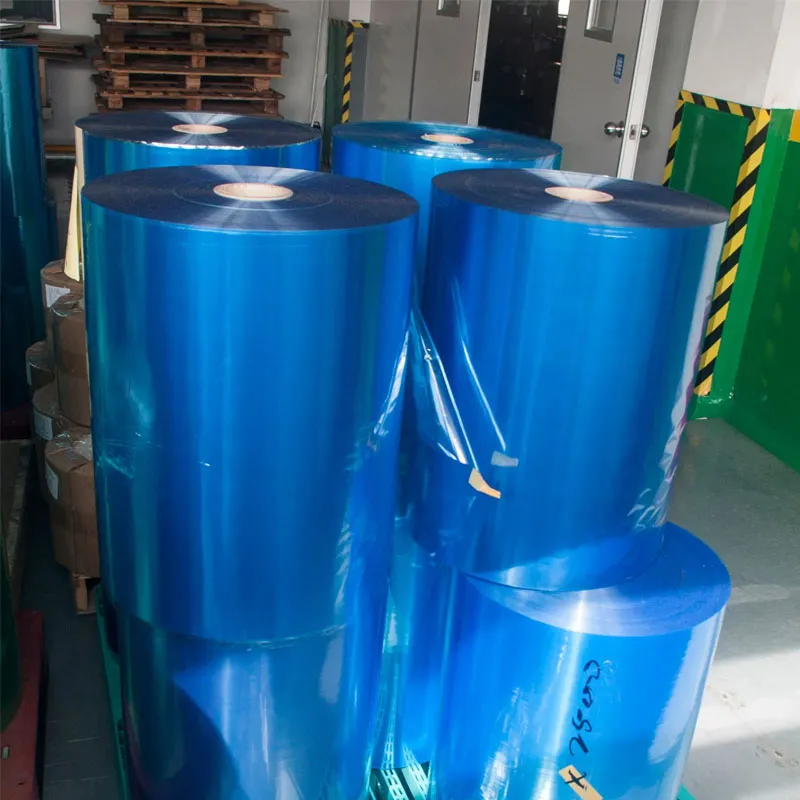
Not all PVC films are engineered identically. Card converters must scrutinize several critical parameters before validating a supplier’s PVC film for ID cards. These properties directly influence both the manufacturing yield and the card’s field performance over its intended lifespan (often 5 to 10 years).
| Property | Relevance to ID Cards | Testing Standard |
|---|---|---|
| Thickness Uniformity | Ensures flat lamination and prevents warping during hot press cycles. | Plastic Film Thickness Testing |
| Tensile Strength | Resists stretching, tearing, and mechanical deformation during daily handling. | Plastic Film Tensile Testing |
| Dimensional Stability | Prevents shrinkage or expansion that could destroy embedded electronics or printed graphics. | PVC Film Dimensional Stability |
| Surface Gloss | Affects aesthetic appeal and the consistency of holographic lamination. | Plastic Film Gloss Testing |
| Tear Resistance | Guards against initiation failure at punch-outs or die-cut corners. | Plastic Film Tear Resistance |
The best ID card films are those that marry perfectly with the chosen printing technology. Direct-to-card dye sublimation, reverse transfer printing, and offset lithography each impose unique demands on the film’s surface chemistry. An optimized PVC film for ID must accept high-resolution images without bleeding or fading, while also allowing for secure, tamper-evident overlay bonding.
Modern security cards often embed holograms, micro-text, and optically variable devices within the film layers. The clarity of the transparent overlay must be flawless—any haze or distortion can obscure these crucial security features. Therefore, strict Plastic Film Haze Testing standards become non-negotiable for security printers.
Partnering with a manufacturer that understands the nuances of card production is critical. Look for suppliers like Henan Pulivk New Materials Co., Ltd., who possess in-house calendering expertise and can custom-formulate films to suit specific lamination press parameters. Consistency batch-over-batch is the single greatest predictor of a smooth card production line.
The final decision on PVC film for ID cards should be informed by real-world aging tests. The best films resist yellowing, embrittlement, and delamination even after prolonged exposure to UV light and varying humidity. By combining robust material science with stringent quality control, manufacturers can produce identification documents that truly stand the test of time.
Explore our comprehensive range of card-grade PVC films designed to meet the exacting standards of the security printing industry. From core stock to holographic overlays, every meter of film is produced with the goal of safeguarding identity and maintaining the integrity of your card program. For detailed technical datasheets or to request a sample for your lamination trials, please contact our product specialists directly.