Address
304 North Cardinal St.
Dorchester Center, MA 02124
Work Hours
Monday to Friday: 7AM - 7PM
Weekend: 10AM - 5PM
Address
304 North Cardinal St.
Dorchester Center, MA 02124
Work Hours
Monday to Friday: 7AM - 7PM
Weekend: 10AM - 5PM



 ByPulivk
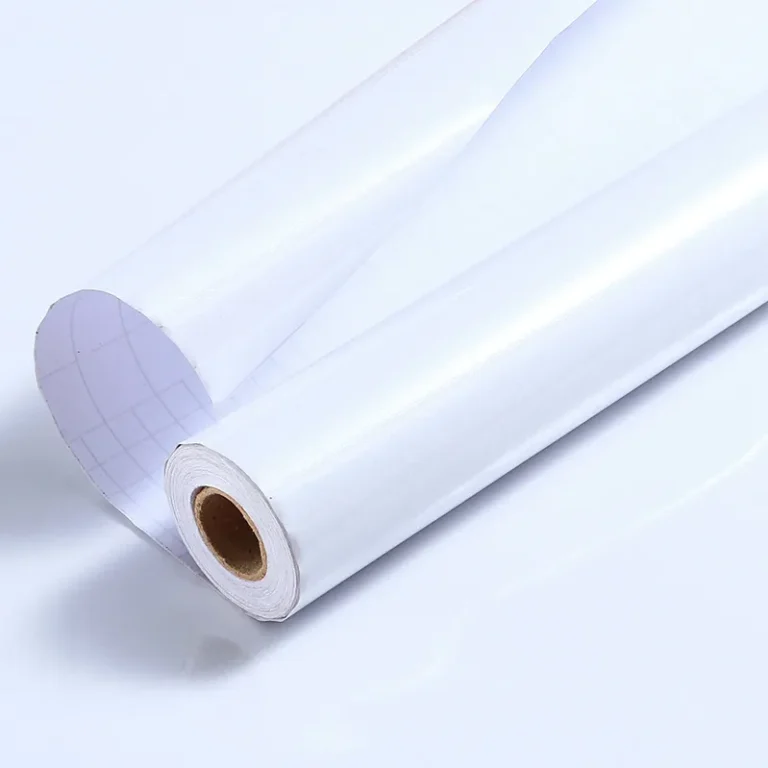
When engaging in global trade, correctly identifying the Harmonized System (HS) code for your products is one of the most critical steps in the import/export process. For businesses dealing with polyvinyl chloride materials, finding the precise hs code for pvc film can be complex due to the material’s versatile properties, whether it is self-adhesive, flexible, or reinforced. Misclassification can lead to significant fines, shipment delays, and incorrect duty payments. This complete guide will walk you through the essential classification logic, current tariff rates, and mandatory import compliance requirements to ensure your global supply chain runs smoothly.
Plastic films fall primarily under Chapter 39 of the Harmonized System. However, the specific subheading depends heavily on the film’s chemical composition, thickness, and whether it is combined with other materials. The broad category for non-self-adhesive, non-reinforced PVC film falls under the heading 3920. Specifically, 3920.43 is designated for polymers of vinyl chloride, containing by weight not less than 6% of plasticizers.
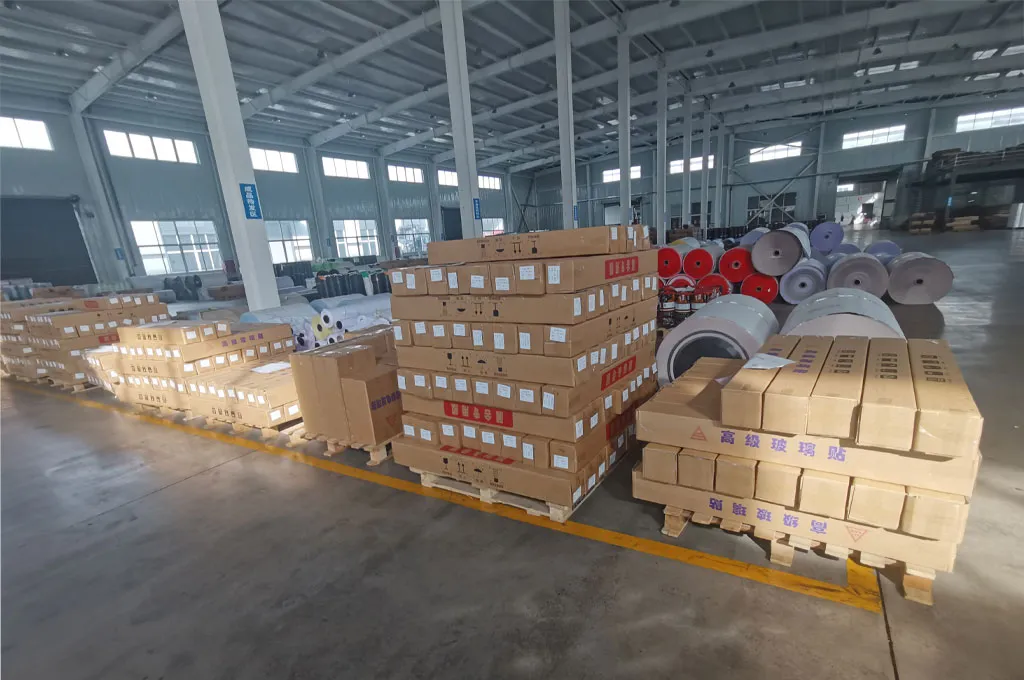
It is crucial to determine the primary function of the film. A decorative calendered film used for furniture surfacing is typically classified differently than a packaging film designed to wrap food, highlighting the importance of precise material specification.
To help you pinpoint your specific product type, here is a detailed breakdown of the most common HS codes associated with PVC films and calendered film products. Understanding these distinctions is vital to avoid customs clearance risks.
| Product Type | HS Code | Key Description |
|---|---|---|
| Non-Adhesive PVC Film | 3920.43 | Containing ≥6% plasticizers; flexible film |
| Rigid PVC Film/Sheet | 3920.49 | Containing <6% plasticizers; often transparent/rigid |
| Self-Adhesive PVC Film | 3919.10 / 3919.90 | Pressure-sensitive rolls; width determines 6-digit |
| PVC Floor Coverings | 3918.10 | Vinyl chloride polymer floor coverings in rolls/tiles |
Tariffs on PVC film vary significantly by importing country and trade agreements. The MFN (Most Favored Nation) duty rate is the baseline for countries without a specific trade deal. Below is a general reference for major markets.
| Region | Product Example | Tariff Rate (Est.) | Notes |
|---|---|---|---|
| United States | Decorative Film (3920.43) | 4.2% | Section 301 tariffs may apply to Chinese origin |
| European Union | General PVC Film (3920.43) | 6.5% | Check for GSP eligibility |
| Canada | Floor Film (3918.10) | 0% | Under CUSMA if origin qualified |
| Southeast Asia | Calendered Film (3920.49) | 0% – 5% | ASEAN-China FTA (ACFTA) rates often apply |
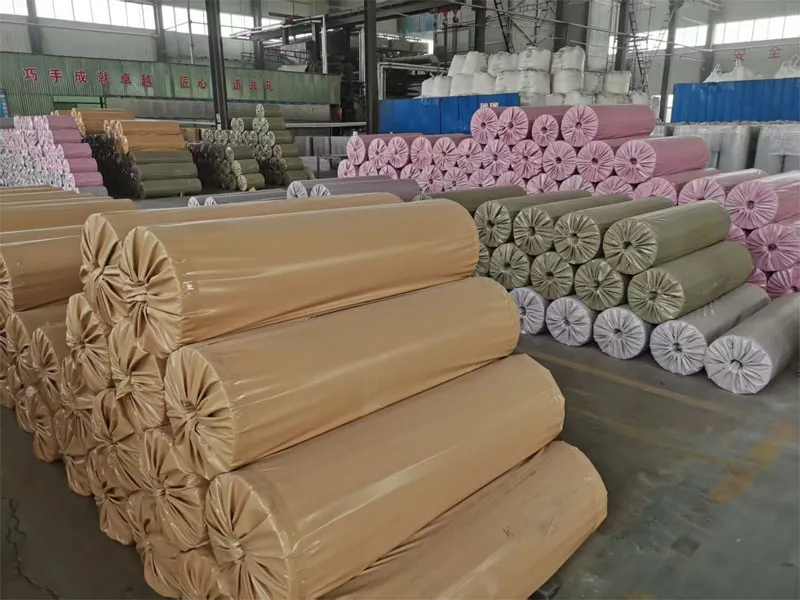
As a leading exporter of high-quality PVC films, we at Henan Pulivk New Materials Co., Ltd. actively help our partners navigate these regional tariff frameworks to minimize landed costs. Staying updated on trade disputes, such as Section 301 investigations, is mandatory because these can instantly add an additional 7.5% to 25% on top of the base rate depending on the precise HS code for pvc film.
Complying with international regulations is non-negotiable. Importers must provide accurate documentation to avoid port seizures. Depending on the diverse catalog of PVC products you are importing, you may need the following:
For the US market, the Customs and Border Protection (CBP) enforces strict rules. PVC films must comply with the Toxic Substances Control Act (TSCA). Additionally, because PVC contains plasticizers, buyers in California must ensure the film is Proposition 65 compliant, meaning it does not expose consumers to harmful levels of listed chemicals like certain phthalates.
Europe imposes some of the strictest standards globally. The EU’s REACH (Registration, Evaluation, Authorisation, and Restriction of Chemicals) regulation heavily restricts the use of lead-based stabilizers and specific phthalates like DEHP in PVC films. Furthermore, the RoHS (Restriction of Hazardous Substances) directive applies if the film is used in electrical and electronic equipment. Suppliers must provide an EU Declaration of Conformity when requested.
Many traders mistakenly classify all PVC rolls under a generic plastic code. Here are the most frequent errors when declaring the hs code for pvc film:
When preparing your import declaration, getting an advance binding ruling from the customs authority of the destination country is a highly recommended strategy. This legally binds customs to accept a specific classification for a specific product for three years. Working with a supplier capable of an detailed FAQ section regarding specifications ensures that you provide the correct technical data—such as exact polymer composition and plasticizer content—necessary for these rulings.

The global regulatory landscape for PVC is shifting toward a PVC Circular Economy model. This means that future HS codes may evolve to include distinct codes for recycled content specifically. Importers should be aware of the VinylPlus 2030 Commitment, which pushes for increased recycling in Europe. Tracking these policy changes is essential for long-term supply chain planning, ensuring that your product classifications remain valid as new environmental codes are introduced.
In conclusion, mastering the hs code for pvc film involves much more than memorizing a number. It requires a deep understanding of your material’s chemical makeup, the latest tariff engineering strategies, and evolving environmental compliance. By utilizing the codes outlined in this guide and securing robust documentation, you can ensure the seamless cross-border movement of your PVC film products. Always consult with a licensed customs broker to validate your product’s classification before shipping to mitigate any legal risks.