Address
304 North Cardinal St.
Dorchester Center, MA 02124
Work Hours
Monday to Friday: 7AM - 7PM
Weekend: 10AM - 5PM
Address
304 North Cardinal St.
Dorchester Center, MA 02124
Work Hours
Monday to Friday: 7AM - 7PM
Weekend: 10AM - 5PM


 ByPulivk
Understanding the HS code for PVC film is essential for any business involved in international trade. Whether you are importing or exporting polyvinyl chloride films, the correct tariff classification directly impacts customs clearance, duty rates, and overall supply chain costs. This guide breaks down the key PVC film HS codes, explains how to determine the right classification, and shares practical tips for smooth customs handling.
The Harmonized System (HS) code is a globally standardized numerical method of classifying traded products. Customs authorities use HS codes to identify goods, apply correct tariff rates, collect trade statistics, and enforce regulations. For calendered film and other PVC-based products, selecting the wrong code can lead to shipment delays, fines, or unexpected duties. The first six digits of an HS code are internationally consistent, while additional digits vary by country for more detailed classification.
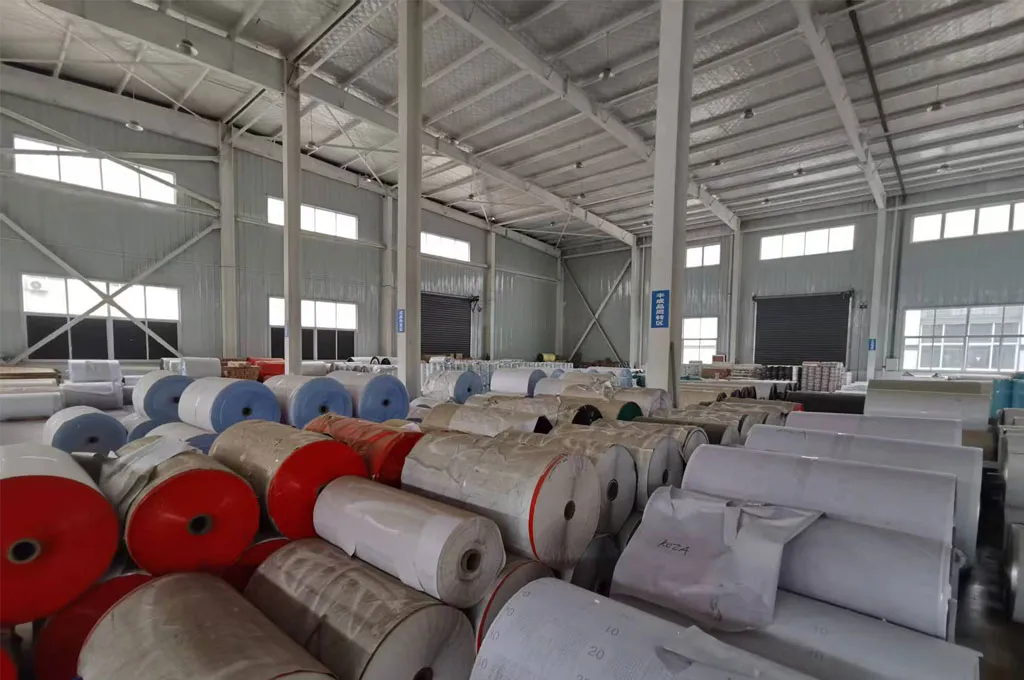
PVC film falls under Chapter 39 of the Harmonized System, which covers plastics and plastic articles. The specific subheading depends on the film’s composition, whether it is rigid or flexible, whether it is combined with other materials, and its intended use. Below is a summary table of the most common HS code for PVC film categories across major jurisdictions.
| HS Code | Product Description | Typical Use |
|---|---|---|
| 3920.43 | Plasticised PVC film, sheet, foil (non-cellular, not reinforced, unlaminated) | Packaging, wood grain film, decorative films |
| 3920.49 | Non-plasticised PVC film, sheet, foil (rigid, non-cellular) | Construction panels, rigid decorative sheets |
| 3921.90 | Other plastic plates, sheets, film combined with textiles or other materials | Laminated floor film, fabric-backed PVC |
| 3918.10 | Floor coverings of polymers of vinyl chloride | PVC flooring, vinyl floor tiles |
| 3921.12 | Cellular PVC film, sheet, strip | Expanded PVC sheets, foam boards |
Note that country-specific statistical suffixes may add two to four more digits after the base six-digit code. For instance, the full 10-digit code for plasticised PVC film entering the United States is often classified under 3920.43.5000, while the European Union may use a different breakdown under its TARIC system. Always verify the exact subheading with your destination country’s customs authority or a licensed customs broker.
Customs rulings on PVC film HS codes frequently hinge on a few critical product characteristics. Understanding these can help you provide accurate documentation and avoid costly reclassification:
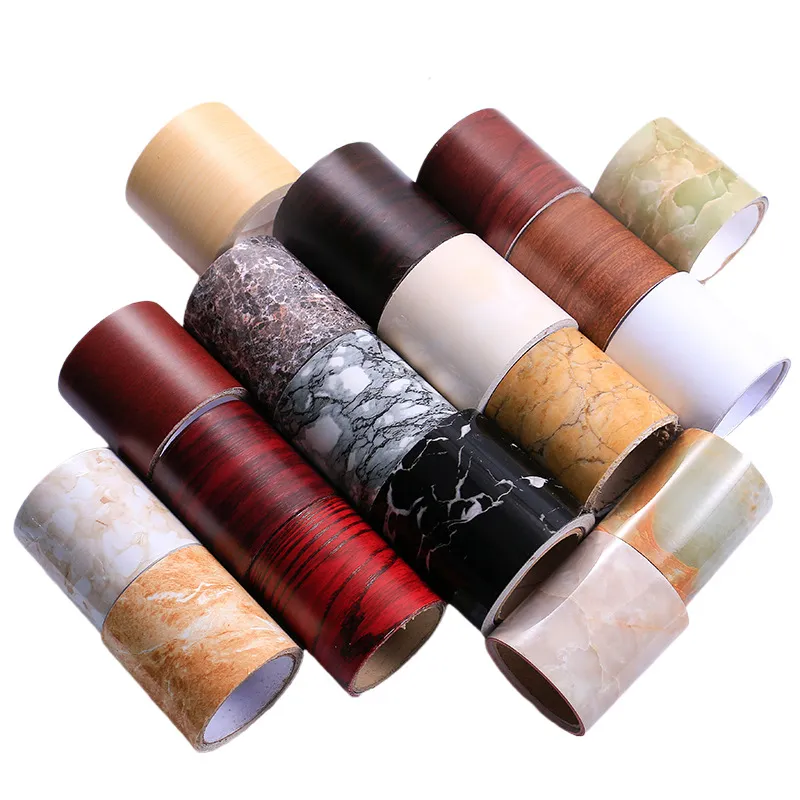
Duty rates for PVC films vary significantly by country and trade agreements. Below is an overview of typical Most Favoured Nation (MFN) tariff rates applicable to PVC film HS codes in key importing regions. Always check current rates as tariff schedules are updated annually.
| Country / Region | HS Code Range | Approximate MFN Duty Rate |
|---|---|---|
| United States | 3920.43 | 4.2% – 5.8% |
| European Union | 3920.43 | 6.5% |
| United Kingdom | 3920.43.00 | 0% – 6.5% (varies by trade agreement) |
| Japan | 3920.43 | 3.3% – 3.9% |
| Australia | 3920.43 | 0% – 5% |
Many countries offer preferential tariff rates under Free Trade Agreements (FTAs) such as the USMCA, EU-Korea FTA, or RCEP. To benefit from reduced duties, you must provide a valid certificate of origin demonstrating that the PVC film meets the applicable rules of origin. Consult your freight forwarder or trade compliance specialist to determine eligibility.
Traders frequently encounter classification disputes and clearance delays due to the nuanced nature of PVC products. Here are some of the most common pain points and how to address them:
Customs laboratories may test the plasticiser content of your film to determine whether it qualifies as plasticised (3920.43) or non-plasticised (3920.49). If your product contains borderline plasticiser levels, consider providing a manufacturer’s technical data sheet upfront that clearly states the formulation. This proactive approach can reduce inspection delays.
When PVC is combined with materials like aluminum foil, PET, or PE in a multi-layer structure, the classification may shift based on which material provides the essential character of the product. For example, a PVC-aluminum laminate might be classified under aluminum foil headings if the metal layer predominates. Seek an advance ruling from customs authorities for complex composite products.
Simply stating a film is decorative does not guarantee classification under a specific heading. Customs officers look at objective criteria such as thickness, surface pattern, and intended use. 3D silk texture films used for furniture lamination, for instance, typically remain under 3920.43 if they consist predominantly of flexible PVC without textile backing. Keeping detailed product specifications and sample records helps justify your chosen code.

In addition to correct tariff classification, PVC film shipments must comply with relevant product standards and environmental regulations in the destination market. Demonstrating compliance not only facilitates customs clearance but also builds trust with buyers.
Beyond knowing the correct HS code for PVC film, a few proactive measures can significantly reduce clearance times and minimize disputes:
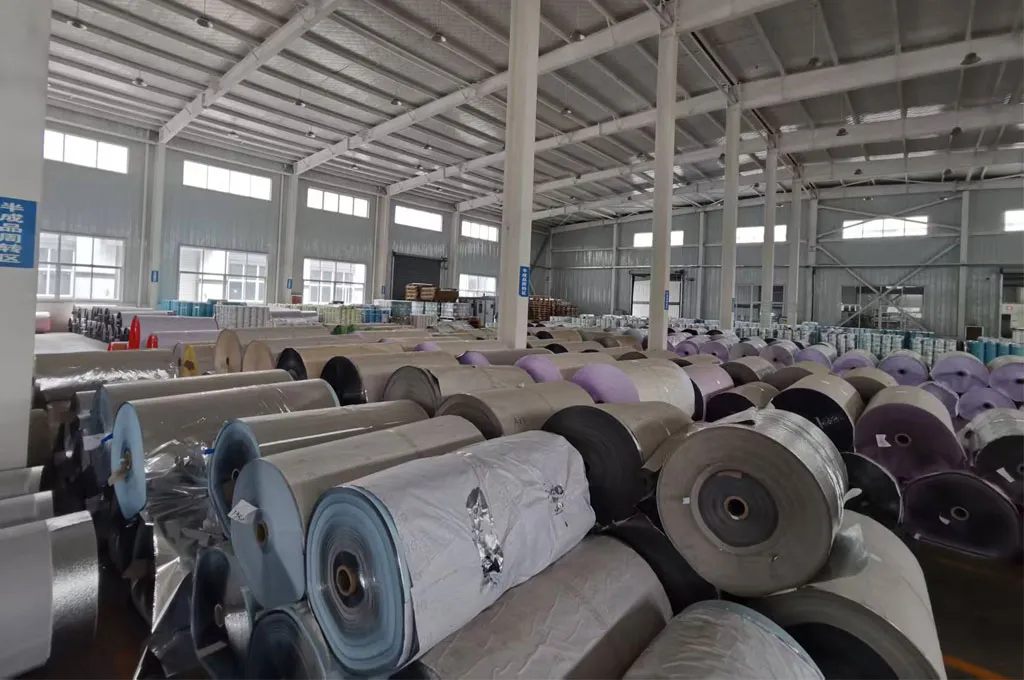
Accurate tariff classification does more than just keep your shipments moving. It directly impacts your landed cost and competitive position. A difference of just one or two percentage points in duty rates can mean thousands of dollars in annual savings for high-volume importers. Furthermore, consistent and correct HS code usage strengthens your importer compliance record, reducing the likelihood of audits, penalties, and intensive inspections. For companies sourcing from trusted manufacturers like Henan Pulivk New Materials Co., Ltd., proper classification ensures that the cost advantages of high-quality PVC films are not eroded by avoidable customs costs.
Self-adhesive PVC films typically move from Chapter 39 to Chapter 39 heading 3919, which covers self-adhesive plates, sheets, film, foil, tape, strip, and other flat shapes of plastics. Confirm the exact subheading based on whether the film is in rolls or cut shapes and whether it exceeds 20 cm in width.
Yes. PVC floor coverings, including sheet and tile forms, are classified under heading 3918 (floor coverings of plastics). Wall coverings made of PVC film may remain under 3920 or 3921, depending on their composition and whether they are combined with a paper or textile backing. Products like PVC skirting film may also follow distinct classification paths depending on their design and application.
Visit the official customs tariff website of your destination country. For the US, use the Harmonized Tariff Schedule (HTS) search tool. For the EU, consult the TARIC database. Provide detailed product specifications to a licensed customs broker who can verify the correct statistical suffix for your specific PVC film product.

Mastering the HS code for PVC film is an investment in smoother international logistics. By understanding the classification logic, staying updated on tariff changes, and preparing robust documentation, you can navigate customs processes with confidence and keep your supply chain running efficiently.