Address
304 North Cardinal St.
Dorchester Center, MA 02124
Work Hours
Monday to Friday: 7AM - 7PM
Weekend: 10AM - 5PM
Address
304 North Cardinal St.
Dorchester Center, MA 02124
Work Hours
Monday to Friday: 7AM - 7PM
Weekend: 10AM - 5PM


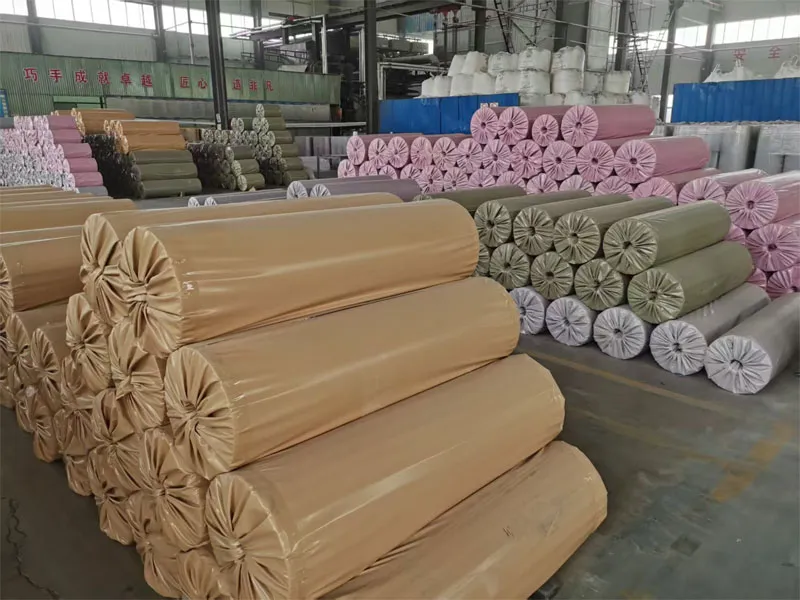
Improving the impact resistance and durability of PVC film requires a combination of material selection, targeted additives, optimized processing, and quality testing. Below are practical methods and real-world tips to increase toughness without sacrificing appearance, printability, or cost-efficiency.
PVC film used in flooring, furniture wrapping, automotive trims, and packaging must withstand mechanical stress, repeated flexing, and sometimes low-temperature impacts. Impact modification helps prevent cracking, tearing, and delamination while maintaining surface gloss, pattern fidelity, and long-term weathering performance.
Successful strategies often combine several techniques: adding impact modifiers, tailoring plasticizers and polymer blends, using nano- or micro-fillers, applying reactive compatibilizers or dynamic vulcanization, and optimizing processing (calendering/extrusion/annealing).
Impact modifiers are the most direct way to boost toughness. Common options for rigid or semi-rigid PVC film include CPE, acrylic core–shell polymers, MBS, and thermoplastic elastomers.
| Modifier | Typical Loading | Effect on Toughness | Processing Notes |
|---|---|---|---|
| Chlorinated Polyethylene (CPE) | 5–15 wt% | Improves low-temp impact & flexibility | Good dispersion; adjust stabilizer package |
| Acrylic Core–Shell (MBS / CSR) | 3–10 wt% | Large gains in impact without major loss of stiffness | Requires good melt mixing; sensitive to shear |
| Thermoplastic Elastomers (SEBS, EVA blends) | 10–30 wt% | Turn rigid PVC into tough, ductile film (TPE-like) | May reduce surface hardness and gloss |
| Molecular-Level Compatibilizers | 1–5 wt% | Enhances adhesion between PVC matrix and modifiers | Often used with CPE or elastomer blends |
Plasticizers increase film flexibility and impact resistance at low temperatures, but high levels lower tensile strength and may affect printability. Use moderate plasticizer dosage and prefer high molecular weight or polymeric plasticizers for migration resistance in film applications.
Not all fillers toughen PVC. Micro-fillers like calcium carbonate or talc can increase stiffness but often reduce impact unless surface-treated and well-dispersed. Nano-silica, nanoclay, or graphene at low loadings (0.5–3%) can boost toughness and thermal stability when thoroughly exfoliated.
Combining a small percentage of nano-fillers with an impact modifier often produces a synergistic improvement: the nano-filler controls crazing propagation while the modifier absorbs energy via rubbery domains.
Reactive compatibilizers improve bonding between PVC and elastomeric modifiers. Dynamic vulcanization (creating finely dispersed cured rubber particles inside the PVC matrix) produces highly toughened thermoplastic vulcanizates (TPVs) with excellent impact performance and heat resistance.
Processing influences residual stresses and film microstructure. Best practices:
For applications requiring both a tough core and a premium finish, use co-extrusion or lamination with a protective peel-resistant outer layer. Surface coatings (UV-resistant and abrasion-resistant) prevent micro-cracking from repeated wear.
Monitor mechanical properties routinely. Relevant tests and example targets for impact-modified PVC film:
Check dispersion, melt flow, surface gloss, adhesion, and migration/staining. Use accelerated aging (UV, heat) to ensure modifiers and plasticizers do not cause discoloration or embrittlement over time.
Higher-performance modifiers and nano-additives increase raw material cost but reduce warranty returns and improve product perception. Aim to match the modifier system to application requirements—flooring film needs different balance than thin packaging film.
If you need:
For OEMs looking for turn-key PVC film solutions—including calendering, printing, and split-packaging—Pulivk can help formulate and produce impact-modified films to meet specific performance and lead-time requirements.
Impact modification is an interplay between chemistry, filler technology, and processing. Start with small pilot batches, measure standardized impact and aging tests, then scale once target performance and surface quality are confirmed.