Address
304 North Cardinal St.
Dorchester Center, MA 02124
Work Hours
Monday to Friday: 7AM - 7PM
Weekend: 10AM - 5PM
Address
304 North Cardinal St.
Dorchester Center, MA 02124
Work Hours
Monday to Friday: 7AM - 7PM
Weekend: 10AM - 5PM


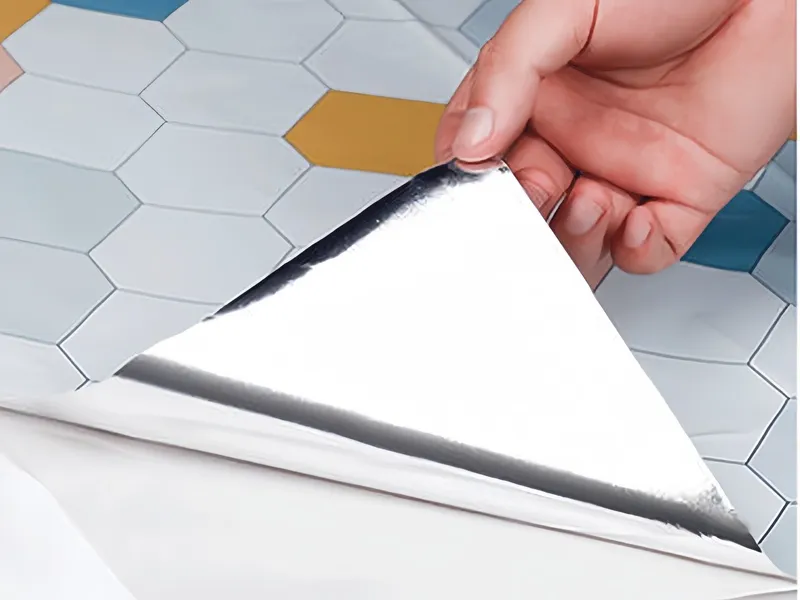
PVC film indoor lifespan depends on product type, thickness, installation quality, and indoor conditions. Homeowners, renovators, and contractors often ask: how long will a decorative or protective PVC film last on walls, floors, kitchens, or furniture? This guide explains realistic lifespan ranges, the key factors that affect durability, maintenance tips, and how to choose a long-lasting PVC film for indoor use.
Expect indoor PVC films to last anywhere from 3 to 15+ years depending on application and care. Use the table below to compare common film types and realistic lifespan ranges for typical indoor environments.
| PVC Film Type | Typical Thickness | Indoor Lifespan (Years) | Key Notes |
|---|---|---|---|
| Decorative wall & wardrobe film (matte/gloss) | 60–200 μm | 5–12 | Durability improves with thicker film & protective topcoat |
| Kitchen anti-oil & backsplash film | 80–250 μm | 4–10 | Resistant to stains but heat and grease affect edges |
| Floor protective film / floor stickers | 150–400 μm | 3–8 | High foot traffic shortens life; choose anti-scratch top layer |
| Skirting & edge membrane | 80–200 μm | 5–10 | Adhesive quality determines edge lift and longevity |
Higher-grade PVC with controlled plasticizer content, proper calendering, and quality printing/coating increases lifespan. Films produced on modern calendering and split-packaging lines generally show more consistent performance. Manufacturing controls like multi-stage QC and UV-stable coatings matter a lot.
Thicker films resist abrasion and punctures better. Anti-scratch or lacquer coatings and UV stabilizers help decorative finishes keep color and gloss longer—especially in kitchens where grease and cleaning agents are frequent.
Poor surface prep or incompatible adhesives lead to peeling and premature failure. For long life, surfaces must be clean, dry, and smooth; adhesives must match the substrate type (wood, MDF, tile, metal).
Humidity, temperature swings, and exposure to cleaning chemicals or direct heat near ovens can degrade PVC film faster. High-traffic areas like floors and entryways typically require more frequent replacement than low-traffic cabinetry.
Proper care can add years to PVC film performance. Key practices include gentle cleaning with mild detergent, avoiding abrasive scrubbers, immediately wiping spills in kitchens, and protecting seams from water infiltration. For floors, use felt pads and area rugs in heavy-use zones.
Look for visible peeling, persistent stains, color fading, or surface cracking. Replacement intervals vary: cosmetic wall films might be replaced after 7–12 years, while protective floor films may need attention every 3–6 years in busy homes.
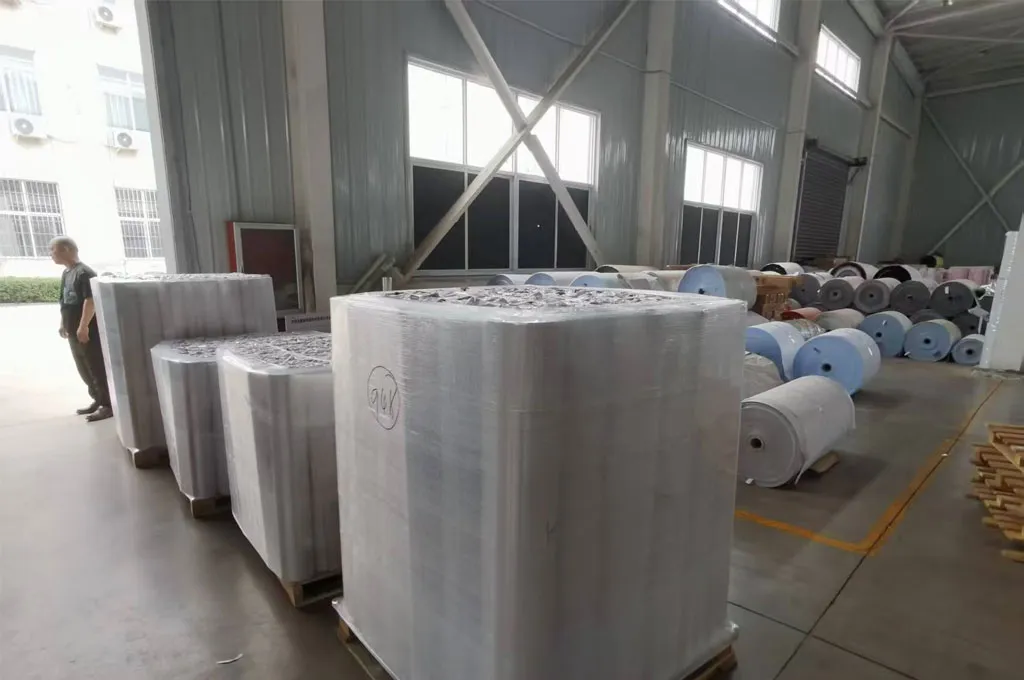
Manufacturers who control production—from raw material processing to printing and packing—tend to offer more reliable warranties and consistent product life. Pulivk maintains full in-house production capabilities and multiple QC checkpoints to ensure product consistency.
Low-quality films or those with unstable plasticizers may yellow over time. Choose products with tested additives and ask for accelerated ageing results if longevity is a priority.
Yes—UV exposure accelerates fading and brittleness. Use UV-stable films or protective window films in sun-exposed rooms to extend lifespan.
Indoor PVC film lifespan ranges widely but can be maximized by choosing the right material, correct thickness, professional installation, and ongoing maintenance. For durable, cost-effective results in residential or commercial interiors, prioritize quality production, tested coatings, and proper adhesive selection.