Address
304 North Cardinal St.
Dorchester Center, MA 02124
Work Hours
Monday to Friday: 7AM - 7PM
Weekend: 10AM - 5PM
Address
304 North Cardinal St.
Dorchester Center, MA 02124
Work Hours
Monday to Friday: 7AM - 7PM
Weekend: 10AM - 5PM



Buying or selling PVC film across borders requires clear steps, dependable partners, and attention to customs, quality, and commercial terms. This guide walks global buyers and suppliers through the international PVC film trade process — from product selection and samples to shipping, delivery and after-sales — with practical tips that help reduce risk and cost while improving timelines.
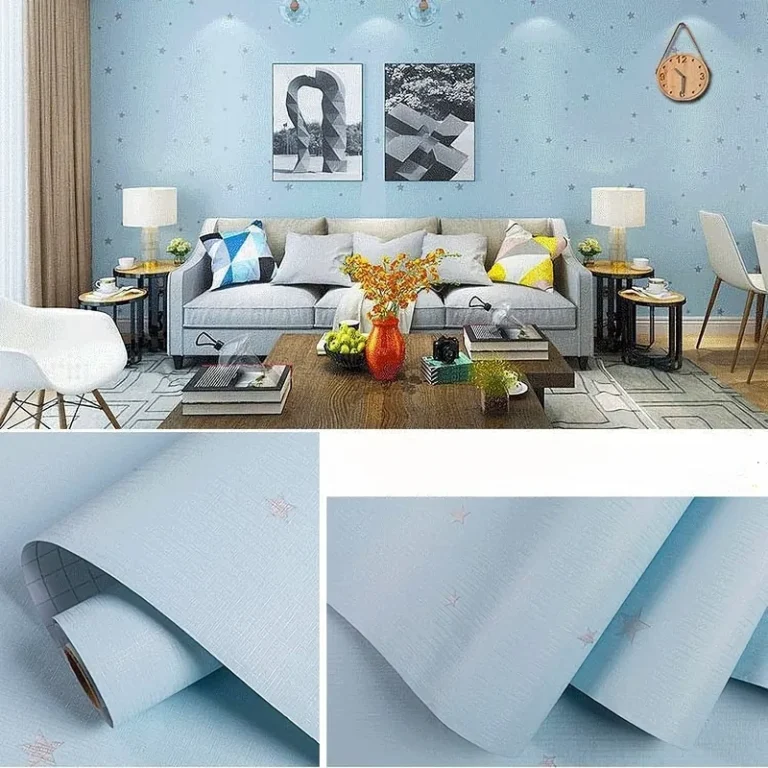
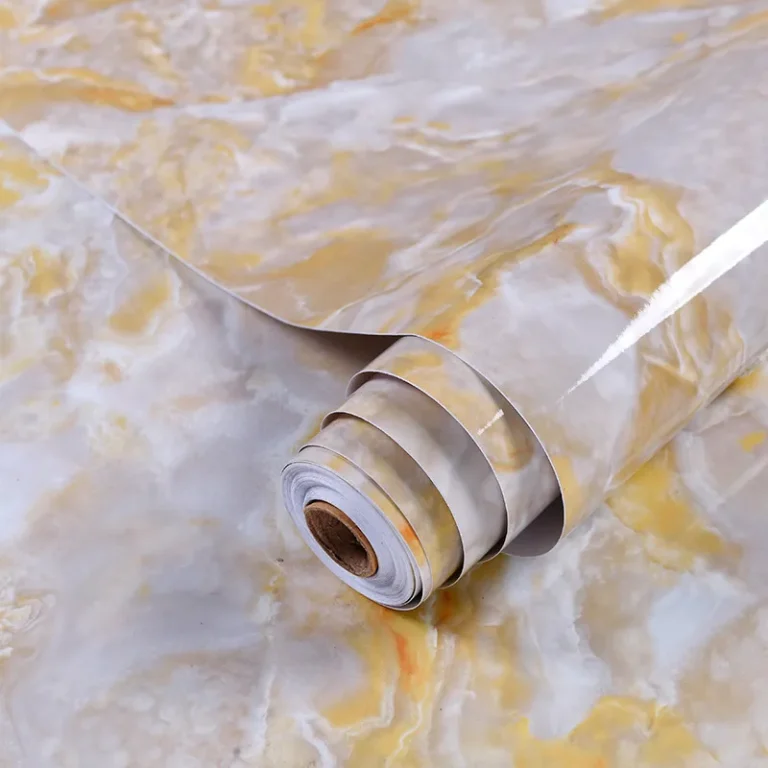
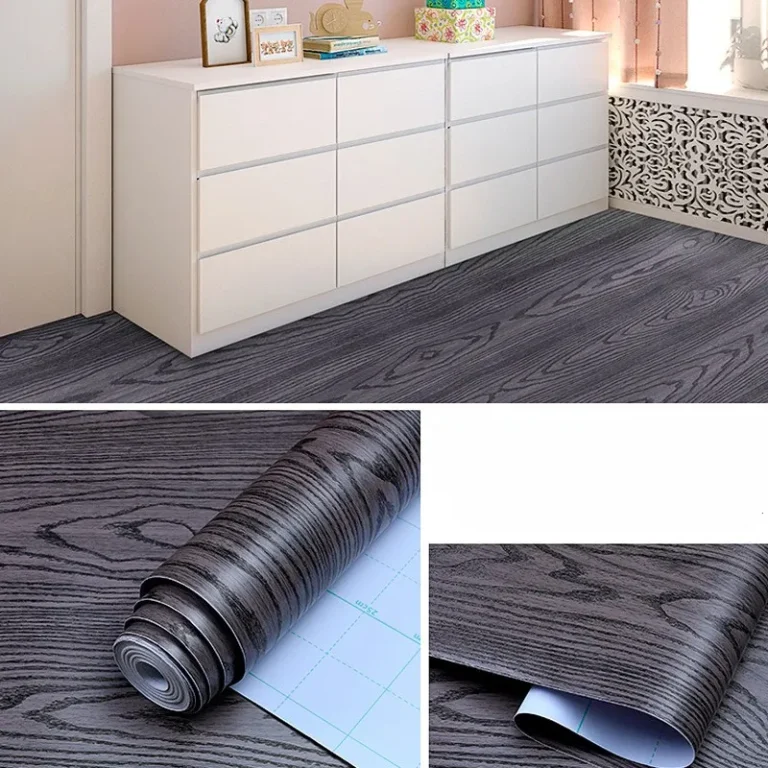
PVC film is widely used in flooring protection, kitchen anti-oil sheets, furniture surface finishes, and packaging. Demand varies by region: European buyers prioritize REACH-compliant raw materials and low-emission finishes; Middle Eastern buyers often demand high-durability finishes for hot climates; Southeast Asian markets favor cost-effective, customizable rolls and fast replenishment. Understanding regional preferences early helps buyers source the right product specifications and avoid costly rework.
Precise specifications shorten the sourcing cycle. Before contacting suppliers, prepare:
– Film type (calendered, embossed, glossy, matte, self-adhesive)
– Thickness (microns or mm), width, roll length
– Surface finish and print/texture requirements
– Temperature/UV resistance and anti-oil or anti-scratch treatments
– Packaging, labeling, and barcode needs
– Target application (floor protection, kitchen anti-oil, decorative film)
Order physical samples and request technical data sheets. For large orders, insist on a production sample or pre-production run to confirm color matching, adhesion, and emboss patterns. Use simple acceptance tests before mass production:
– Visual: color, print alignment and surface defects
– Peel/adherence (for self-adhesive films)
– Flexibility and scratch resistance
– Odor and surface cleanliness
Agree clear Incoterms (FOB, CIF, EXW, DAP) and payment terms. For new trading relationships, many suppliers prefer TT (30% deposit, 70% before shipment) or LC at sight. Consider escrow or trade assurance platforms for initial deals.
Packaging affects customs clearance and damage rates. For retail-ready products, specify inner wrapping, individual roll labeling, and carton/pallet stacking. Split-packaging (cutting full rolls to smaller, fixed-length rolls) is a common value-added service that simplifies distribution to local dealers.

Decide between FCL and LCL based on order size. FCL reduces damage risk and unit freight cost for full container orders; LCL is cost-effective for smaller shipments but increases handling. Consider seasonal port congestion and local holidays when planning shipment dates.
– Commercial invoice and packing list
– Bill of lading / air waybill
– Certificate of origin (if preferential tariff applies)
– Material safety data sheet (MSDS) and test certificates
– Any regulatory certificates (REACH, RoHS, etc.) required by import market
Tariffs, import regulations, and certification requirements differ by country. Work with freight forwarders who know local customs rules. For EU importers, ensure chemical compliance and labeling; for GCC buyers, check documentation for temperature-sensitive cargo. Harmonized System (HS) codes must be accurate to prevent fines or delays.
Implement QC milestones: raw material inspection, in-process checks (thickness, color consistency), and final acceptance. For repeat orders, set up statistical sampling and retain an agreed defect tolerance. Third-party inspections are common for large shipments.
| Stage | Key Checkpoints | Buyer Action |
|---|---|---|
| Pre-production | Sample approval, material specs | Approve sample; confirm order |
| During production | Thickness, print, surface finish | Request in-line photos and test reports |
| Pre-shipment | Final QC, packing inspection | Order third-party inspection if needed |
Lead times depend on product complexity, printing, and current factory schedules. Custom printed or embossed runs take longer than standard solid-color rolls. Price drivers include raw PVC resin costs, additives, printing complexity, and packaging requirements.
| Item | Typical Range | Notes |
|---|---|---|
| MOQ (standard rolls) | 1–5 tons or per-roll minimums | Split-packaging available |
| Lead time (standard) | 2–6 weeks | Print/emboss adds time |
| Price factors | Raw material, printing, packaging | Bulk buying lowers unit cost |
Mislabeling HS codes, vague specs, and ignoring local regulatory requirements cause delays. Avoid disputes by documenting approvals (photos, signed sample confirmations), clarifying tolerances, and using insurance for international shipments.
Agree on warranty terms for defects and the process for returns or replacements. For large volume contracts, include an on-site or remote quality audit clause to protect both parties.
Pulivk (https://pvcfilmtec.com/) is a full in-house PVC film manufacturer with calendering, printing, and split-packaging lines, supporting OEM customization, stable lead times, and global export experience across Southeast Asia, the Middle East and Europe.
Confirm: product specification, sample approval, Incoterm, payment terms, packing & labeling, lead time & shipment plan, QC milestones, and complete export/import documentation. Clear communication and precise documentation are the fastest path to a successful international PVC film transaction.