Address
304 North Cardinal St.
Dorchester Center, MA 02124
Work Hours
Monday to Friday: 7AM - 7PM
Weekend: 10AM - 5PM
Address
304 North Cardinal St.
Dorchester Center, MA 02124
Work Hours
Monday to Friday: 7AM - 7PM
Weekend: 10AM - 5PM


 ByPulivk
In the competitive world of plastic film manufacturing, selecting the right PVC film machine is critical for achieving high-quality output, operational efficiency, and long-term profitability. Whether you are producing decorative films, packaging materials, or industrial-grade sheeting, understanding the different types of equipment available—and how they align with your production goals—can make all the difference. As international demand grows, many buyers search for a reliable machine de film pvc solution that balances performance with cost-effectiveness.
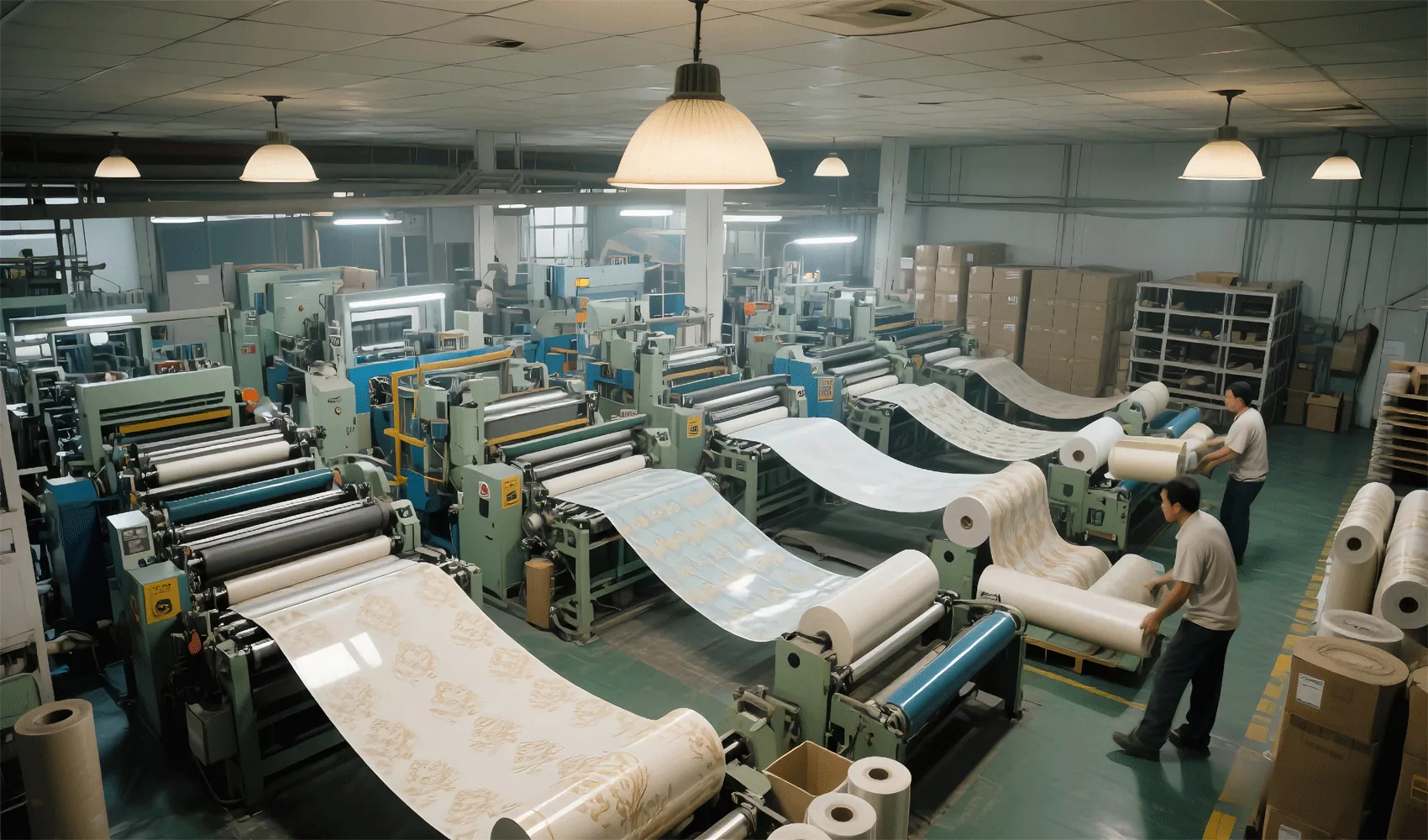
Modern PVC film production relies on several specialized machine types, each serving a distinct function within the manufacturing workflow. The most common categories include calendering lines, printing lines, laminating machines, and slitting or split-packaging equipment. A calendering line is typically the heart of any machine de film pvc operation, processing raw PVC compounds into thin, uniform sheets through a series of heated rollers. These sheets can then be further processed with embossing rollers to create textures such as wood grain, matte, or high-gloss finishes.
Printing lines add decorative patterns and colors, while laminating machines bond multiple layers together to produce composite films with enhanced properties. Finally, slitting and packaging machines cut the finished rolls to precise widths and prepare them for shipment. Understanding these core machine types is the first step in building or upgrading a production facility.
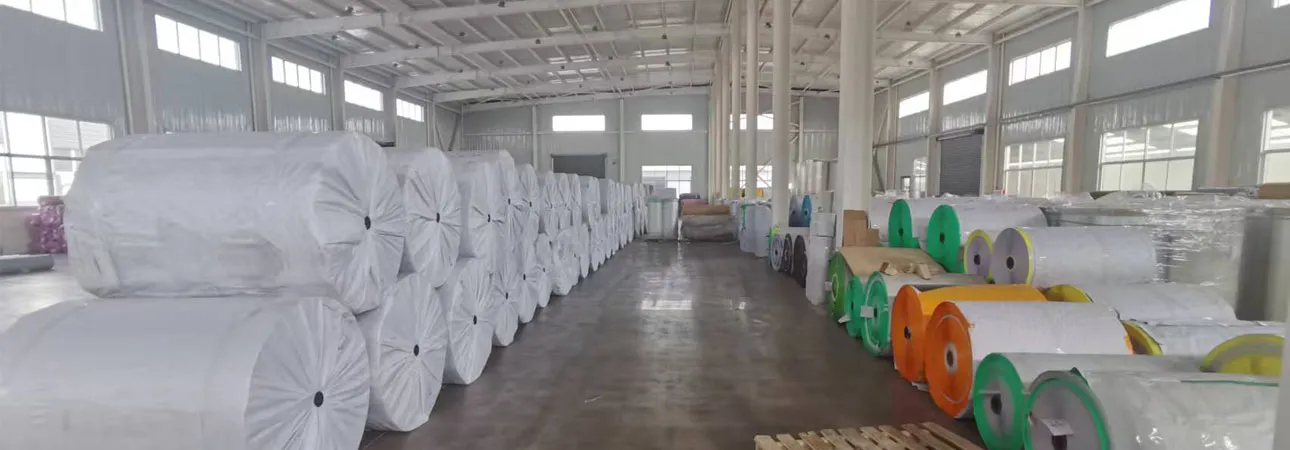
To help you better understand the landscape of PVC film machinery, we have organized the primary equipment types into a clear comparison. Each category plays a vital role in the overall production chain, and choosing the right combination depends heavily on your target product specifications.
| Machine Type | Primary Function | Key Output Characteristics | Typical Applications |
|---|---|---|---|
| Calendering Line | Mixes and rolls PVC compound into flat sheets | Uniform thickness, smooth or embossed surface | Decorative film, packaging film, flooring |
| Printing Line | Applies patterns, colors, and designs to film | High-resolution graphics, color accuracy | Wood grain film, marble film, advertising film |
| Laminating Machine | Bonds multiple film layers together | Enhanced strength, barrier properties | Multi-layer composite films, protective films |
| Slitting & Packaging Line | Cuts master rolls to specific widths and lengths | Precision cutting, dust-proof packaging | All PVC film products for final delivery |
When investing in a machine de film pvc, it is essential to evaluate how these different equipment types integrate into a seamless production flow. A well-designed line minimizes material waste and maximizes throughput.

The versatility of PVC film machines enables manufacturers to serve a wide range of industries. In furniture manufacturing, calendered and printed films are used to decorate surfaces of cabinets, tables, and doors with realistic wood grain or solid color finishes. The building and construction sector relies on durable wall coverings, ceiling films, and floor films produced by these machines. In the packaging industry, transparent and antistatic films are essential for protecting food, electronics, and medical supplies.
Other key sectors include advertising and exhibitions, where lightbox films and display backdrops require precise printing and consistent quality. The ability of a modern machine de film pvc to handle diverse formulations—from rigid to flexible, clear to opaque—determines the breadth of market opportunities a manufacturer can pursue. Meeting international standards such as ASTM PVC Film Standard ensures that your output qualifies for global markets.
Selecting the right machinery requires a thorough assessment of technical parameters. Thickness range is one of the most critical factors—most calendering lines can produce films from 0.03 mm to over 0.50 mm, but the precision across this range varies by machine design. Width capacity is equally important, with modern lines capable of handling widths up to 1500 mm or more. Other key specifications include roller temperature control accuracy, line speed, and embossing pattern changeover time.
Compliance with international quality testing protocols is non-negotiable. Your chosen equipment should be capable of producing film that passes Plastic Film Tensile Testing and Plastic Film Gloss Testing. These standards validate the mechanical and aesthetic properties of your output, giving buyers confidence in your products.
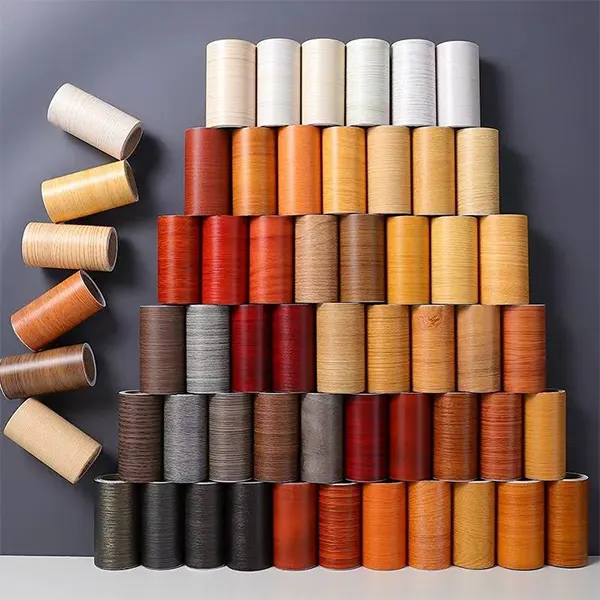
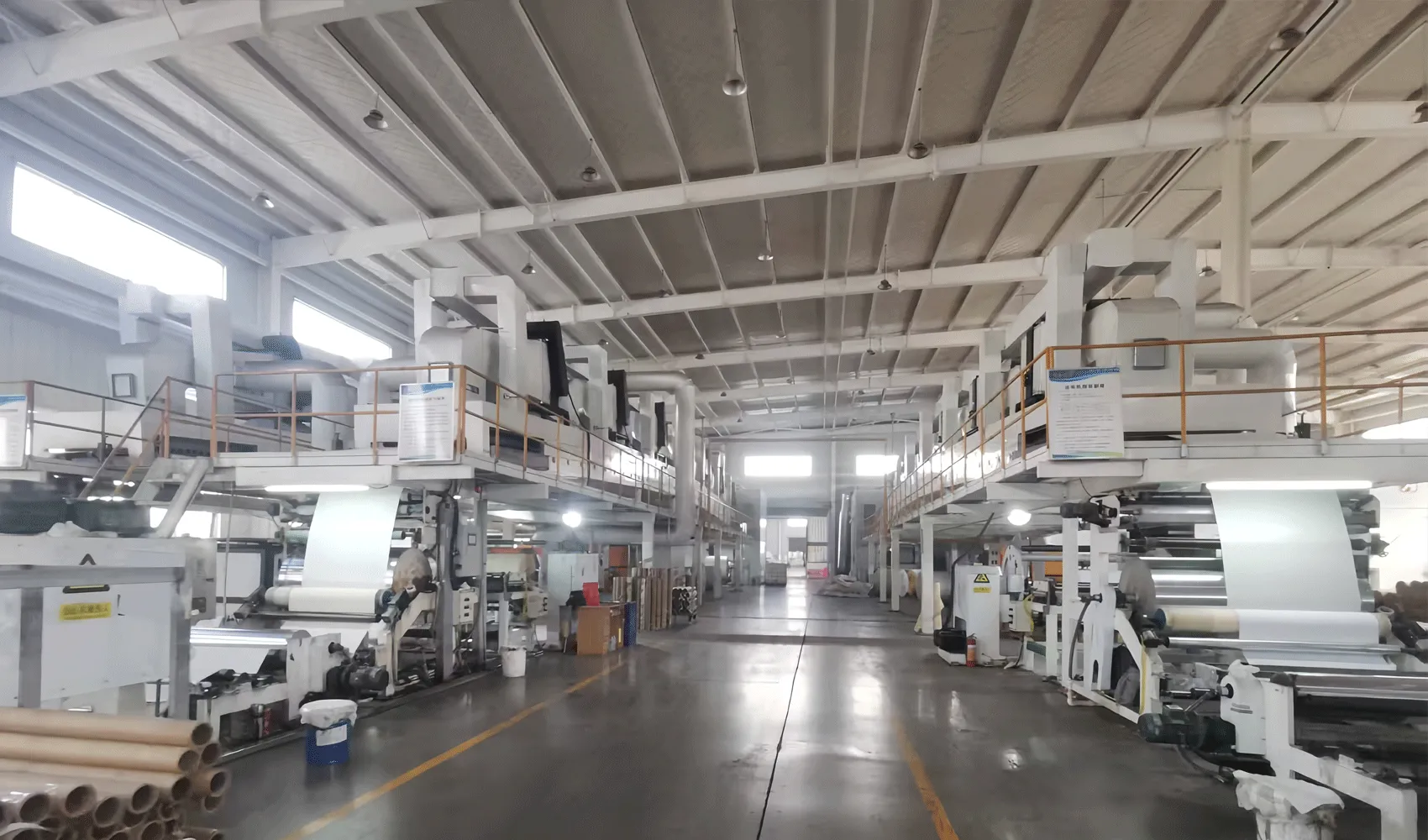
Beyond the machine specifications, the supplier’s manufacturing strength and after-sales support are vital. A supplier with full in-house production capabilities—including calendering, printing, and packaging lines—demonstrates a deeper understanding of the entire process. This integrated approach often translates into better machine design and more responsive technical support. Look for partners who provide OEM and customization services, as this flexibility can be crucial when you need to adapt to new market trends or customer requirements.
Quality control infrastructure is another key indicator. Reliable suppliers implement multiple checkpoints throughout production, using optical inspection systems and precision gauges to monitor film thickness, color consistency, and surface quality. Companies like Henan Pulivk New Materials Co., Ltd. exemplify this integrated model, offering comprehensive production expertise that spans from raw material processing to final packaging, helping partners reduce costs at the source while maintaining strict quality standards.
Making the right choice in a PVC film machine goes beyond the initial purchase price. Consider the total cost of ownership, including energy consumption, maintenance requirements, and the availability of spare parts. Machines designed with energy-efficient heating systems and durable roller bearings can significantly reduce operating costs over time. Additionally, equipment that supports quick changeovers between different film types or patterns increases your production flexibility and responsiveness to customer demands.
Finally, stay informed about industry trends and regulatory developments. The global shift toward sustainable and eco-friendly materials is driving innovation in PVC formulations and machine design. Understanding frameworks like PVC Circular Economy initiatives can help you future-proof your investment and align with evolving market expectations. A strategic approach to selecting your machine de film pvc ensures that your production line remains competitive and profitable for years to come.
Investing in the right PVC film machinery is a decision that shapes your entire production future. By carefully evaluating machine types, technical specifications, supplier capabilities, and long-term operational costs, you can build a production line that delivers consistent quality, adapts to market changes, and drives sustainable growth for your business.