Address
304 North Cardinal St.
Dorchester Center, MA 02124
Work Hours
Monday to Friday: 7AM - 7PM
Weekend: 10AM - 5PM
Address
304 North Cardinal St.
Dorchester Center, MA 02124
Work Hours
Monday to Friday: 7AM - 7PM
Weekend: 10AM - 5PM


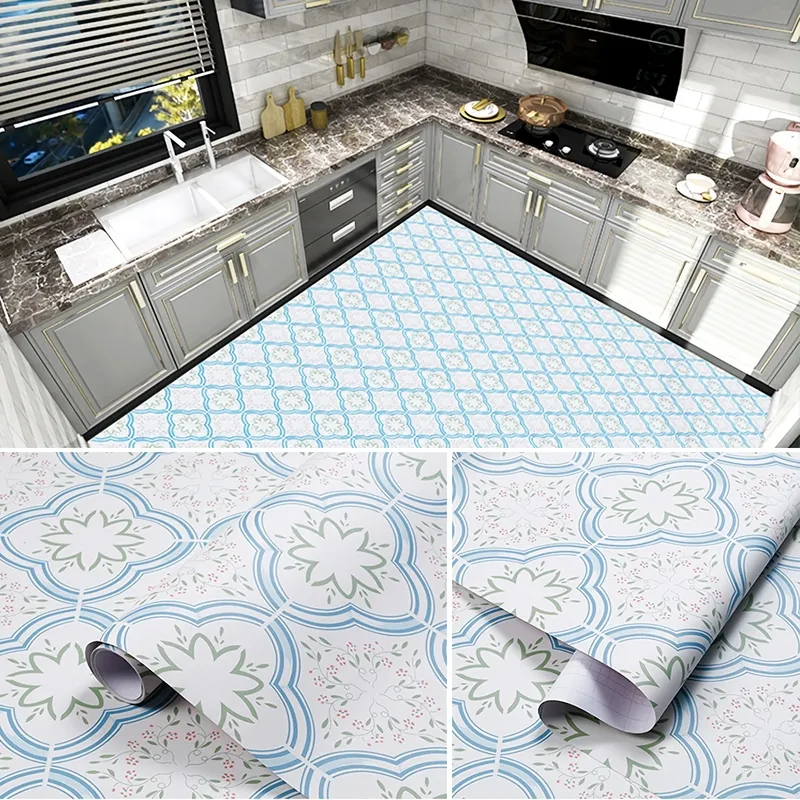
Fresh PVC film often arrives with a noticeable chemical or “new plastic” smell. While this odor usually fades over time, many homeowners and installers want faster, safer ways to remove it. This guide explains practical, low-risk methods to eliminate unpleasant smells from PVC film — from quick home remedies to professional treatments — so you can install or use your film with confidence.
The odor from PVC film comes from volatile organic compounds (VOCs) and residual plasticizers or processing solvents used during production. New films with strong prints, thicker adhesives, or protective liners are more likely to off-gas. Temperature, humidity, and storage conditions affect how long the smell persists.
These methods are simple and effective for light to moderate smells and are suitable for most household situations.
Non-solvent cleaning is safe for surface odors. Use a damp microfiber cloth and a mild detergent to wipe the film surface after installation — this removes dust and VOC residues on the surface. Do not use strong solvents (acetone, paint thinner), which can damage the film or dissolve prints and adhesives.
If simple airing and absorbers are not enough, try these controlled options:
| Method | Speed | Effectiveness | Safety Notes |
|---|---|---|---|
| Air circulation | 1–3 days | Good for light odors | Safe for most films |
| Baking soda / charcoal | 2–7 days | Moderate to high (charcoal best) | Non-invasive |
| Heat-assisted airing | 1–3 days | High | Avoid high heat; monitor adhesives |
| Ozone treatment | Hours (professional) | Very high | Not for occupied spaces; use pros |
| Commercial VOC absorbers | 1–5 days | High | Usually safe; follow product instructions |
For rooms where smell is a priority (kitchens, bedrooms, healthcare settings), select films labeled low-VOC, phthalate-free, or certified for indoor air quality. Films with water-based adhesives off-gas less than solvent-based systems. Ask for product data sheets that list plasticizer content and VOC emissions when sourcing materials.
If odor persists after best-practice airing and cleaning, consult the supplier or a professional installer. Persistent strong odors may indicate incompatible adhesives or off-spec materials; timely communication helps resolve quality issues under warranty.
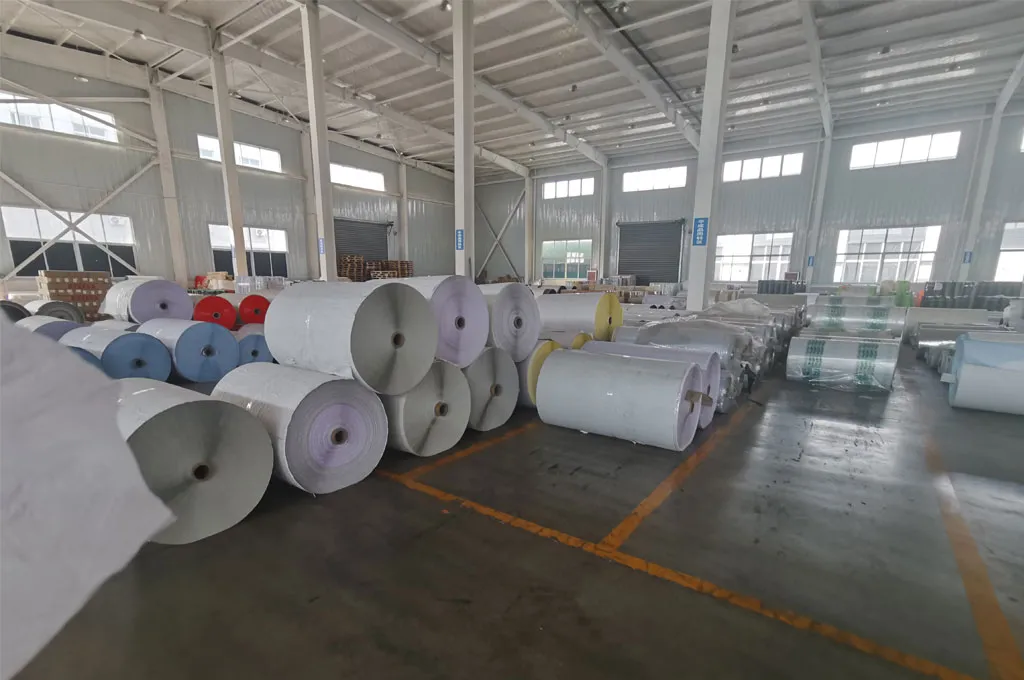
Pulivk is a manufacturer with full in-house production—from calendering to printing and split-packaging—providing strict quality control, flexible OEM options, and global export experience. Their facilities include advanced lines to ensure consistent film quality, helping partners reduce costs and secure stable lead times.
Before installation: Air-rolls for 24–72 hours, choose low-VOC options when possible.
After installation: Ventilate thoroughly, use charcoal or baking soda if needed, and avoid solvents or direct heat.
Following these steps will minimize odors and deliver a cleaner indoor experience with PVC film installations.