Address
304 North Cardinal St.
Dorchester Center, MA 02124
Work Hours
Monday to Friday: 7AM - 7PM
Weekend: 10AM - 5PM
Address
304 North Cardinal St.
Dorchester Center, MA 02124
Work Hours
Monday to Friday: 7AM - 7PM
Weekend: 10AM - 5PM


Understanding the PVC film OEM production process helps buyers and manufacturers reduce costs, improve product quality, and shorten lead times. This guide outlines every step — from raw material selection to finished packaging — and offers practical tips for placing and managing OEM orders.
PVC decorative and functional films are used across furniture, kitchen, flooring, automotive interiors, and packaging. For buyers, OEM production offers brand control, tailored specifications, and consistent quality. For manufacturers, a clear OEM workflow ensures predictable costs and predictable lead times.
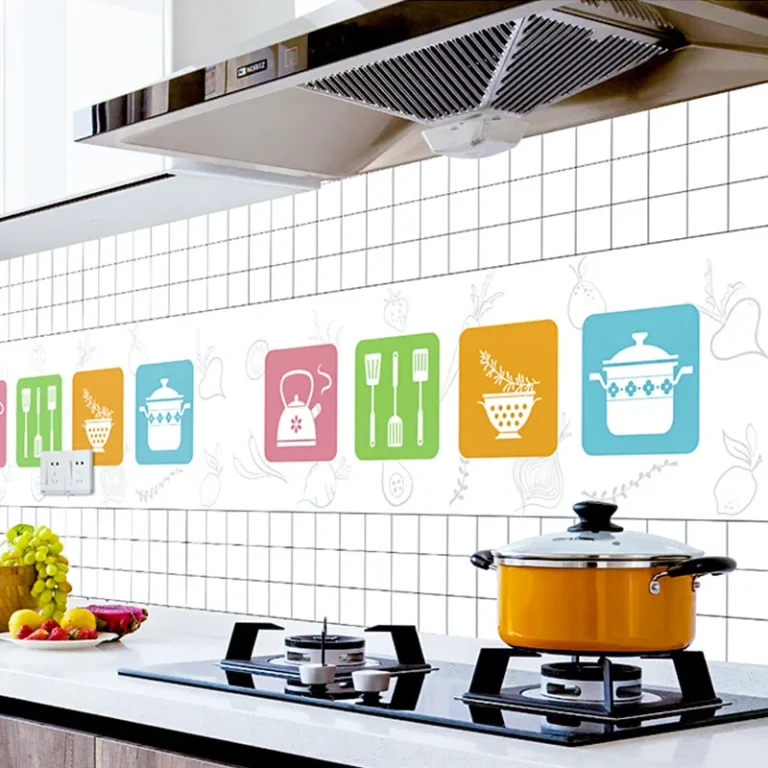
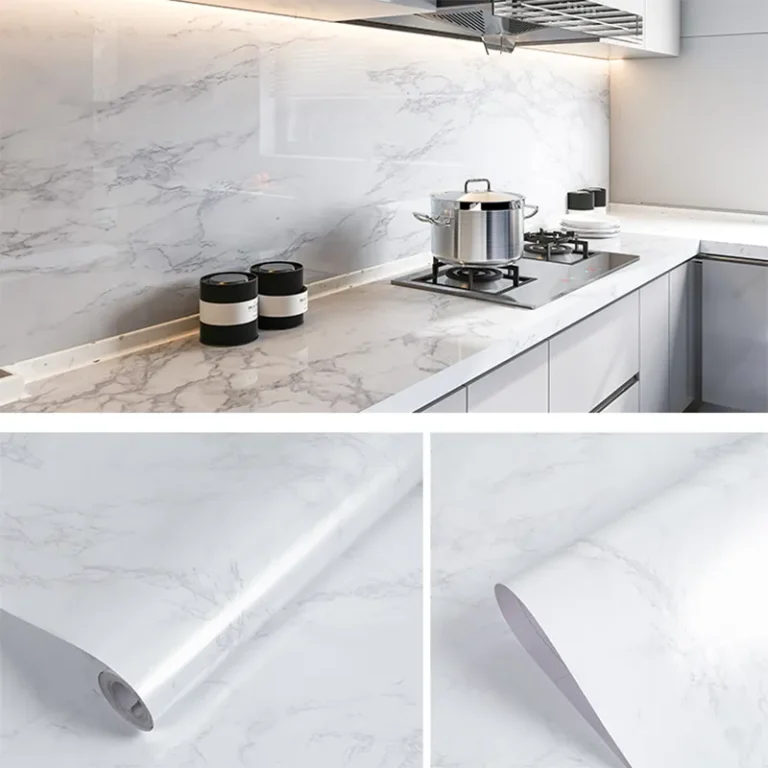
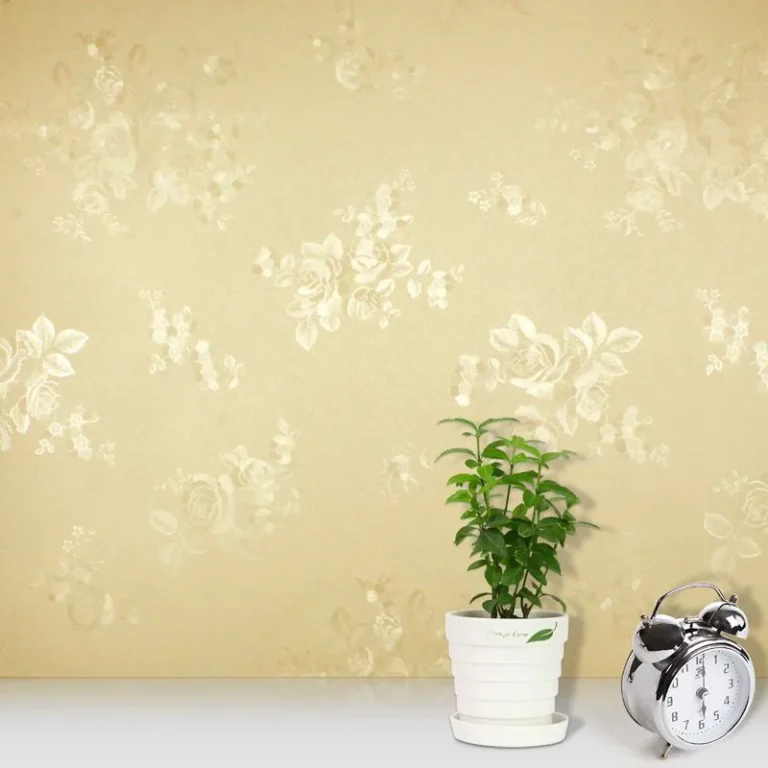
The market requires many film types; understanding each helps set accurate OEM specs:
Buyers submit desired thickness, width, surface finish, color code, and print patterns. A pre-production sample is produced for approval — this is the most critical checkpoint to avoid revision costs later.
Choosing quality PVC resin, plasticizers, stabilizers, and pigments affects durability and finish. Source-level quality control keeps batch-to-batch consistency.
Calendering lines form the base film (single or multi-layer). Precision temperature and roller settings deliver exact thickness and surface textures like glossy, matte, or 3D relief.
Advanced printing lines create high-resolution patterns and metallic effects. Coatings add anti-scratch, anti-fingerprint, or oil-proof properties. Embossing achieves wood grain and stone textures.
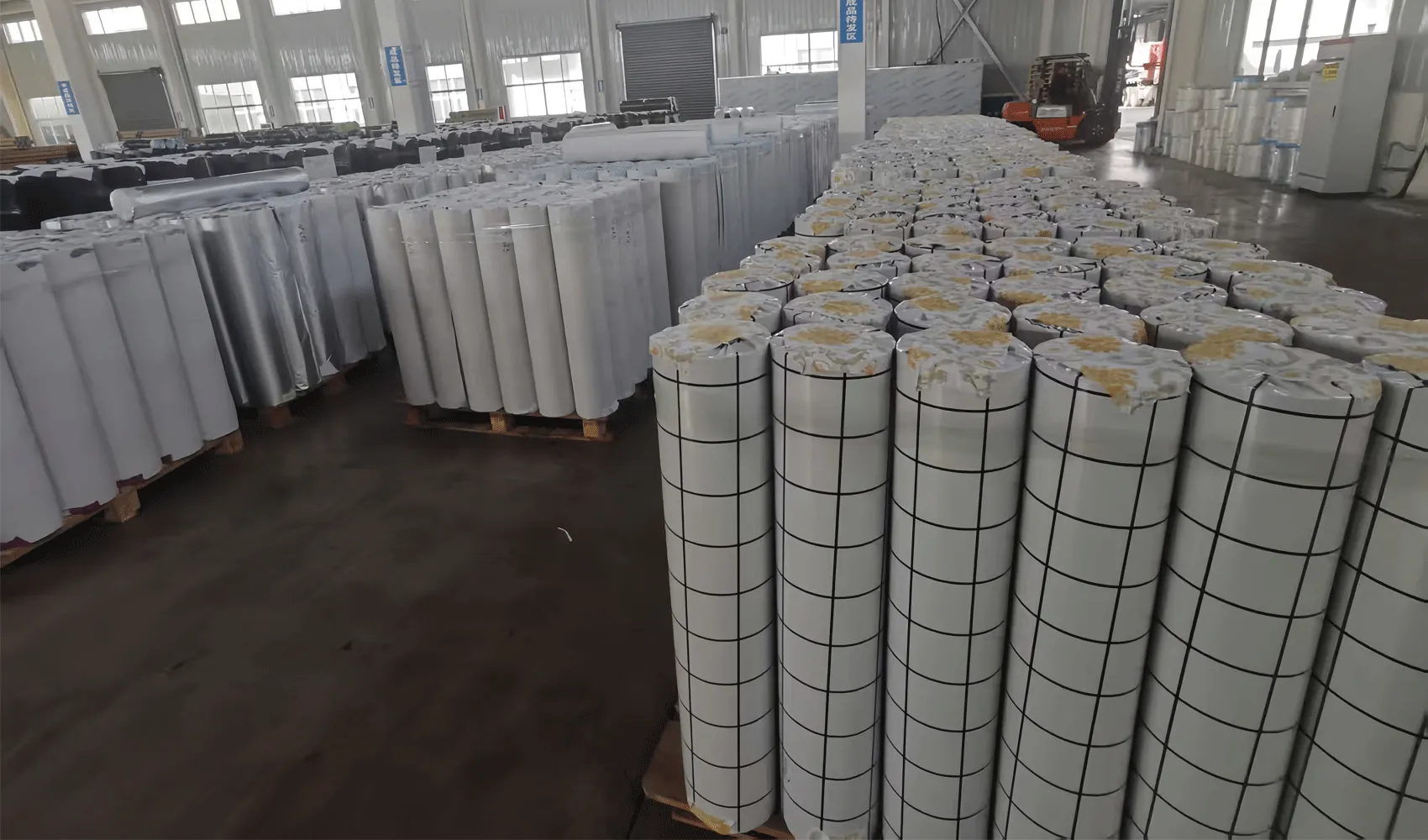
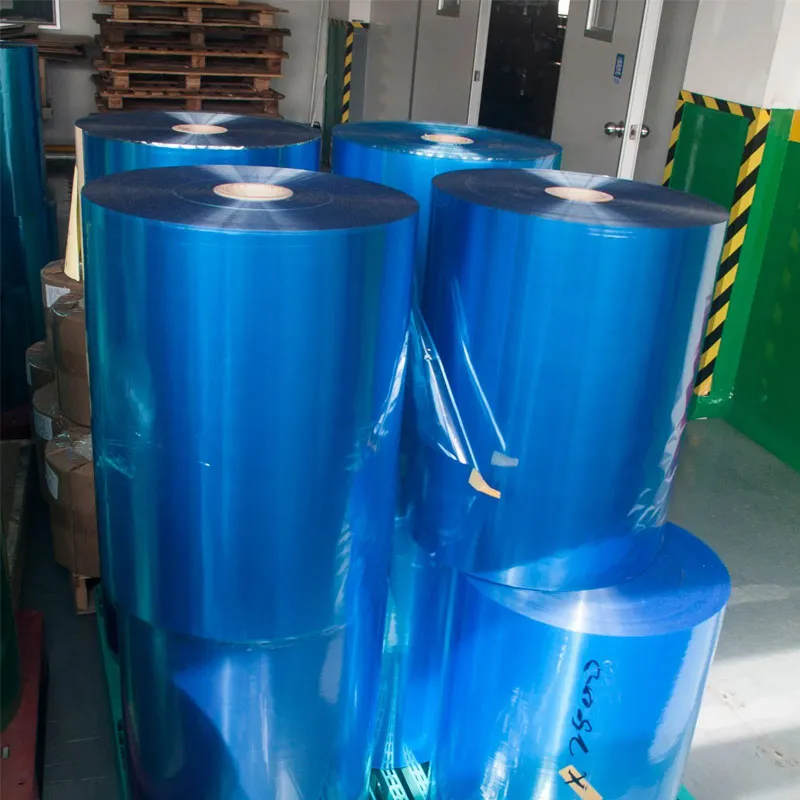
Full rolls are slit to specified widths, inspected, and individually wrapped in dust-proof PE film or kraft paper. Labels list specifications; cartons or pallets are prepared for safe transport.
Multiple QC checkpoints verify thickness, color consistency, adhesion (for adhesive films), and surface defects. Only after passing checks does the batch move to packing and shipment.
Consolidated packing, palletization, and export documentation reduce transit risk and ensure smooth customs clearance for international buyers.
QC is a continuous process from raw materials to final packing. Below is a typical QC table used by manufacturers and OEM buyers:
| Checkpoint | What It Ensures | Typical Method |
|---|---|---|
| Raw Material Incoming | Consistent resin & additives | Certificates + random lab tests |
| Thickness & Width | Meets spec ± tolerance | Calipers + inline gauges |
| Color & Print Accuracy | Visual & color-match | Spectrophotometer + sample approval |
| Surface & Adhesion | No defects; adhesive strength | Peel tests + visual inspection |
Clear specs and realistic expectations make OEM projects successful. Buyers should prepare:
| Stage | Estimated Time |
|---|---|
| Sample development | 7–21 days |
| Mass production | 2–6 weeks (depends on order size) |
| Packaging & shipping prep | 3–10 days |
Major cost factors include raw material grade, film thickness, printing complexity, and order volume. To reduce cost:
Ask suppliers about:
Henan Pulivk New Materials Co., Ltd. operates full in-house production with calendering, printing, and split-packaging lines. This enables strict QC, stable lead times, flexible OEM customization, and cost-effective sourcing — ideal for buyers seeking private label or tailored PVC film solutions for global markets.
Keep communication clear, approve samples before mass runs, agree on acceptance criteria in writing, and schedule periodic quality audits when placing recurring OEM orders.
Prepare your specifications, request a detailed quote that includes sample time, tooling, MOQ, and shipping terms, and ask for a production timeline tied to quality milestones. A well-documented OEM plan saves time and avoids costly reworks.