Address
304 North Cardinal St.
Dorchester Center, MA 02124
Work Hours
Monday to Friday: 7AM - 7PM
Weekend: 10AM - 5PM
Address
304 North Cardinal St.
Dorchester Center, MA 02124
Work Hours
Monday to Friday: 7AM - 7PM
Weekend: 10AM - 5PM


 ByPulivk
Polyvinyl chloride (PVC) film paper has become a cornerstone material in modern interior design, furniture manufacturing, and industrial applications. Its remarkable versatility, cost-effectiveness, and aesthetic adaptability make it a preferred choice for architects, contractors, and DIY enthusiasts across the United States, Europe, and Asia. Whether you are renovating a kitchen, designing commercial flooring, or sourcing durable wall coverings, understanding the intricacies of pvc film paper is essential for making an informed decision. This comprehensive resource explores its primary uses, core benefits, available types, and expert selection criteria, while connecting you to industry-leading standards and premium product lines.
PVC film paper refers to a thin, flexible thermoplastic material manufactured through calendering or casting processes. It combines the durability of polyvinyl chloride with the printability of paper-like substrates, resulting in a material that mimics natural textures like wood grain, marble, leather, and fabric while maintaining superior resistance to moisture, impact, and abrasion. According to ASTM D1593 standards, nonrigid vinyl chloride plastic sheeting must meet specific dimensional stability and tensile strength criteria, ensuring consistent performance across various applications.
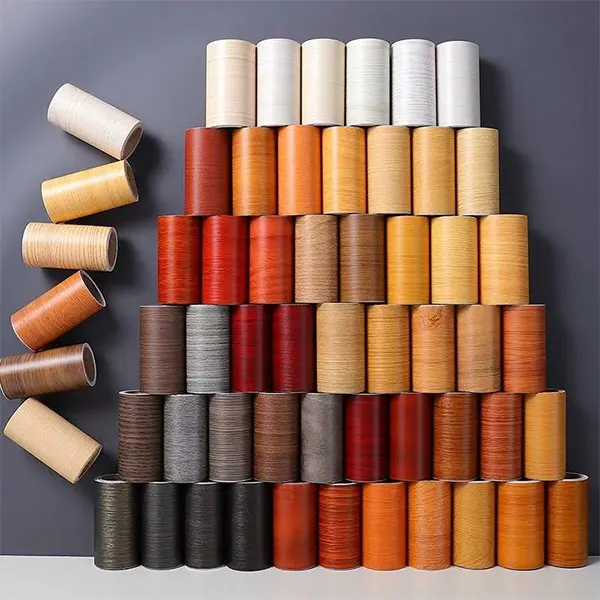
The application spectrum of pvc film paper is extensive, covering residential, commercial, and industrial sectors. Below are the predominant areas where this material excels:
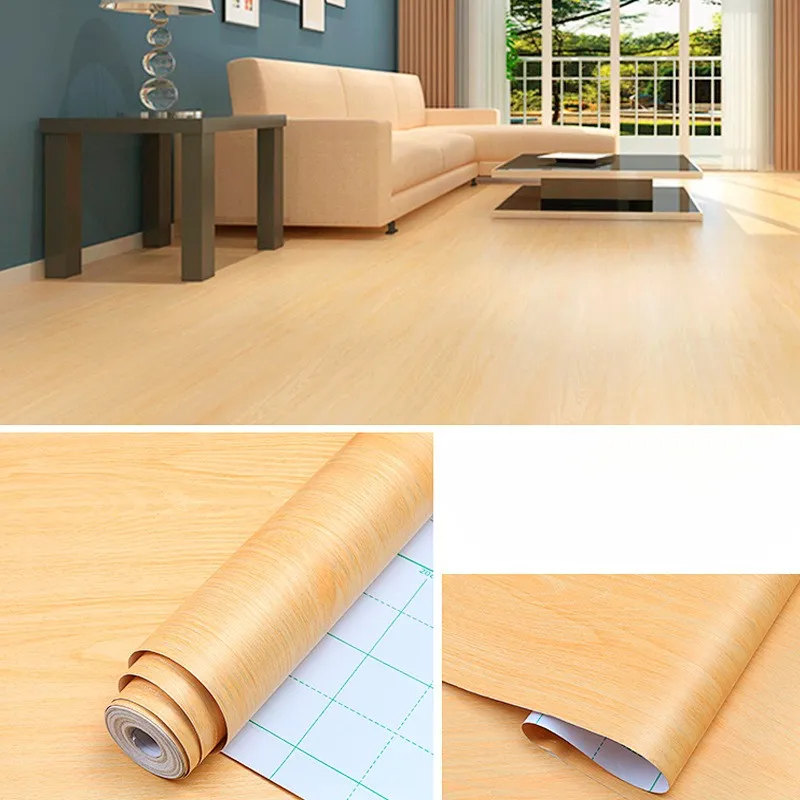
Modern furniture manufacturing relies heavily on PVC films to replicate expensive natural materials. Surfaces on tables, cabinets, wardrobes, and doors benefit from high-definition glossy finishes and textured embossing that resist peeling and daily wear. The lamination process creates a seamless, bubble-free bond on MDF and particleboard substrates, offering an upscale look at a fraction of the cost of solid wood.
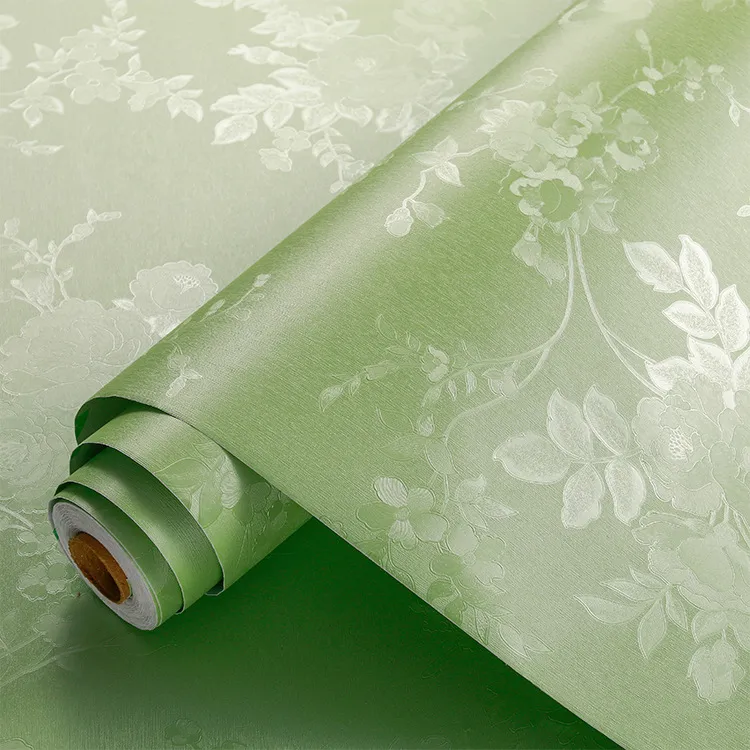
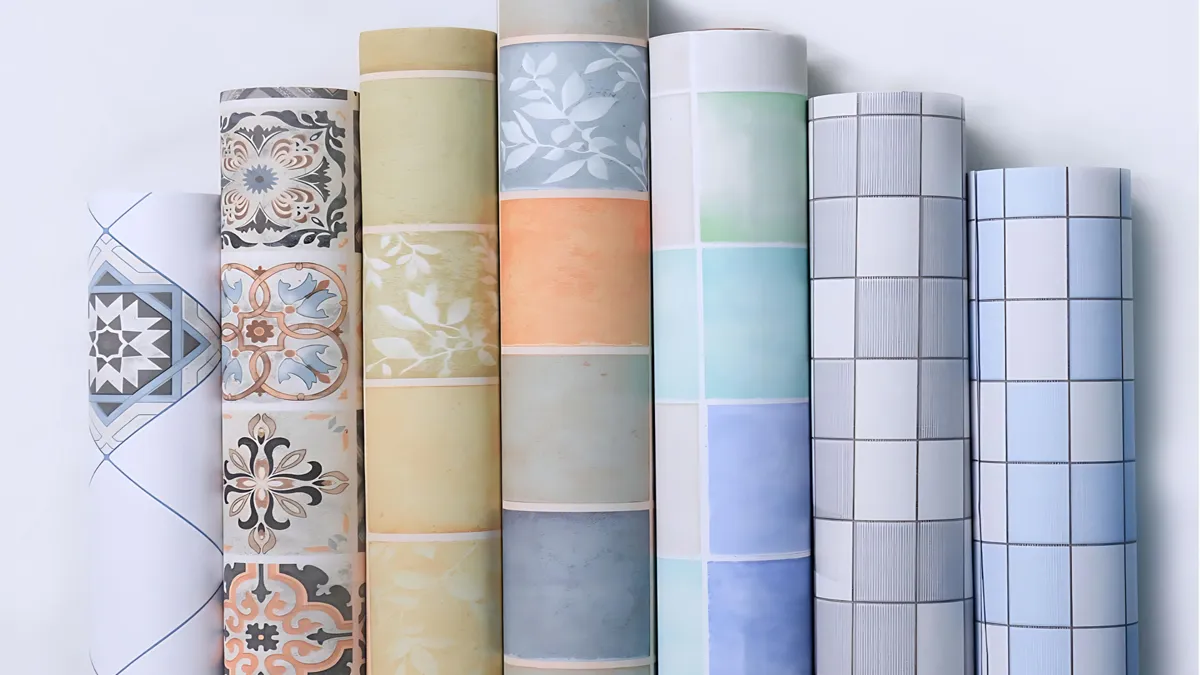
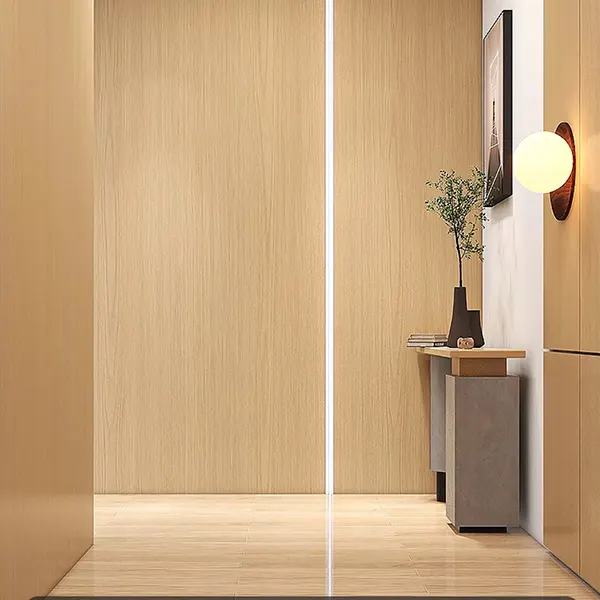
From residential bedrooms to commercial hotel lobbies, PVC wall films provide a washable, durable alternative to traditional wallpaper. Solid color wallpapers and stone-pattern films resist mildew growth—a critical advantage in humid climates. They can be applied over drywall, plaster, or existing tiles with appropriate adhesives, facilitating quick renovation without demolition.

PVC floor films and vinyl stickers are engineered for high-traffic areas. Products like durable floor films incorporate wear layers that protect against scuffs, stains, and fading. They are widely used in retail spaces, healthcare facilities, and residential kitchens due to their effortless maintenance and water-resistant properties. Testing for tear resistance and impact strength ensures these films can withstand heavy furniture loads and dropped objects.
Specialized oil-proof and anti-mold PVC films are designed for splashbacks, countertops, and wet areas. Kitchen anti-oil films provide a heat-resistant barrier that simplifies grease cleaning, while bathroom floor stickers offer anti-slip textures for safety. These niche applications highlight the material’s chemical resistance and suitability for environments with frequent temperature fluctuations.
Beyond decoration, calendered PVC films serve as insulators, protective masks, and anti-static barriers for sensitive electronic components. Their customizable formulations can include UV stabilizers for outdoor equipment shielding or flame-retardant additives for electrical enclosures.
Why do procurement managers and designers consistently choose pvc film paper over alternative materials? The advantages are deeply rooted in performance metrics verified by ISO tensile testing standards.
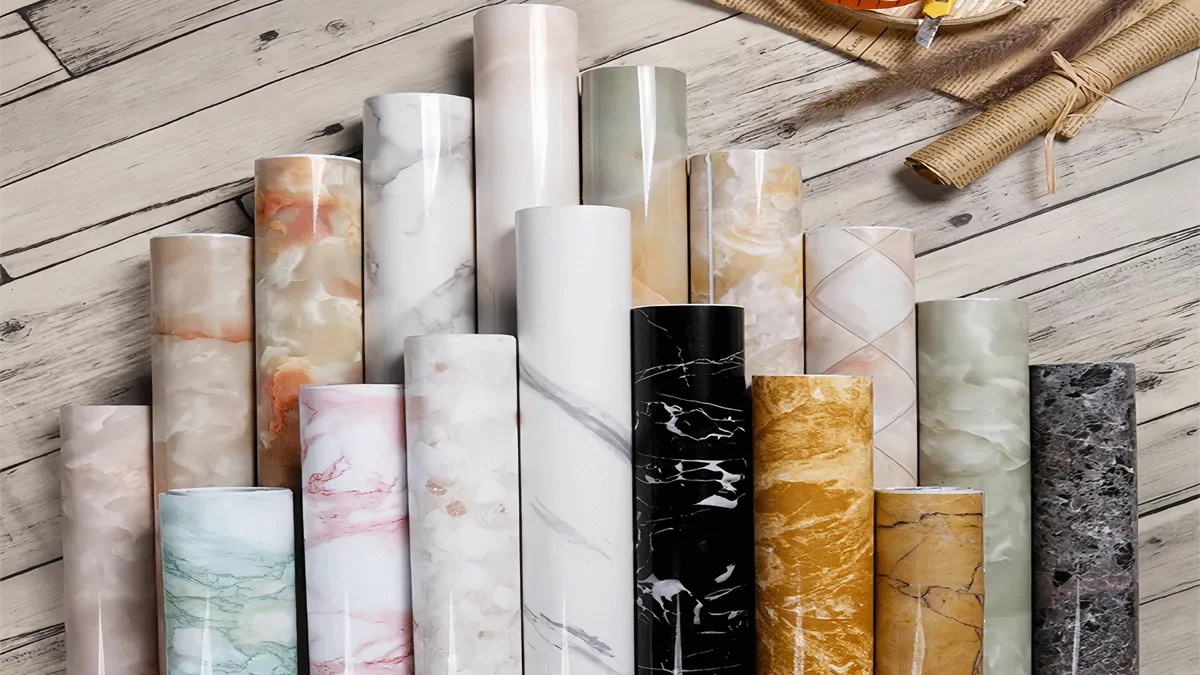
Selecting the right variant requires understanding the distinct categories of pvc film paper available on the market. The table below outlines the primary technical categories and their typical applications.
| Film Type | Surface Texture | Primary Use Case | Key Feature |
|---|---|---|---|
| Wood Grain Film | Embossed synchronous grain | Furniture, Doors, Cabinets | Authentic tactile feel with knot and grain registration |
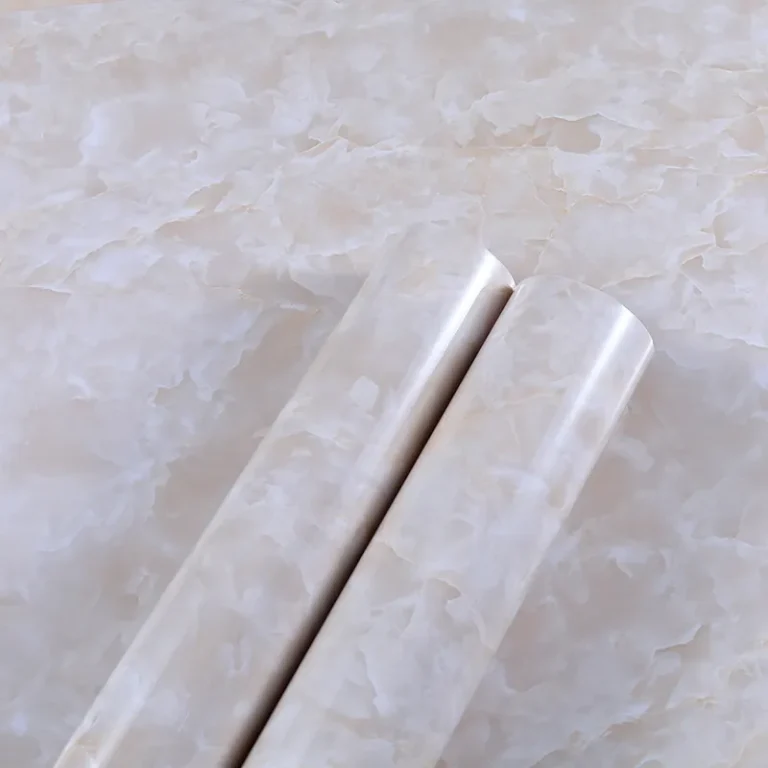
| Marble and Stone Film | High-gloss polished or honed matte | Wall panels, Tabletops, Bathroom vanities | Deep visual depth with reflective crystal particles |
| 3D Silk Texture Film | Dynamic multi-angle light reflection | Luxury wardrobes, Feature walls, Ceilings | Shifts visual appearance based on viewing angle |
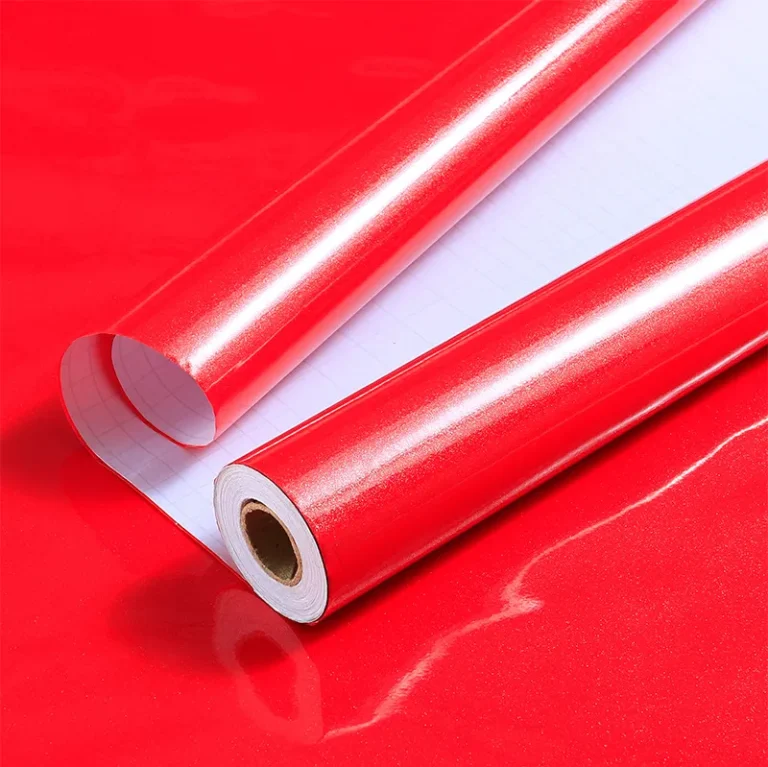
| Glossy and Super-matte Films | Mirror finish or zero-reflectivity | Minimalist interiors, Modern kitchens | Fingerprint resistance and easy smear cleaning |
| Calendered Transparent Film | Clear, tinted, or frosted | Packaging, Window tint, Protective laminates | High clarity and consistent gauge distribution |
| Anti-static and Specialty Films | Smooth or lightly textured | Electronics manufacturing, Cleanrooms | Static dissipative surface resistivity control |
Navigating the vast selection of pvc film paper can seem overwhelming. By systematically evaluating the following five factors, you can ensure the chosen product meets both technical requirements and aesthetic goals while adhering to ISO 23559 testing guidance for thermoplastic films.
The surface you intend to cover dictates the backing type. MDF and wood composites bond well with standard heat-activated adhesives, while metal and glass surfaces require pressure-sensitive adhesive (self-adhesive) backing. Ensure the film’s dimensional stability matches the substrate’s expansion coefficient to prevent warping in temperature-varying environments.
Measured in mils or millimeters, the wear layer dictates longevity. For horizontal surfaces like floors, a thicker wear layer (0.3mm to 0.5mm) is mandatory to resist abrasion. For vertical surfaces like wardrobe doors, a standard thickness of 0.08mm to 0.15mm provides sufficient durability without adding unnecessary cost. Examine the haze measurement specifications if optical clarity is required for a specific design layering.
If the film is near windows or used outdoors, UV inhibitors must be included in the formulation. Standard interior-grade films may yellow within months under direct sunlight, while UV-stabilized variants maintain color fidelity. Refer to the VinylPlus circular economy guidelines for sustainable performance data.
The tactile experience is just as critical as the visual one. Synchronized embossing aligns the grain texture precisely with the printed pattern, creating a hyper-realistic wood feel. Super-matte finishes diffuse light to hide fingerprints and micro-scratches, while high-gloss films make spaces appear larger and brighter.
For commercial projects, verify that the film meets fire rating standards and does not emit volatile organic compounds (VOCs) beyond acceptable limits. Products carrying Plastics Europe eco-profiles offer transparency regarding the product’s life cycle assessment. Request documentation confirming compliance with RoHS and REACH if the film is destined for European markets.
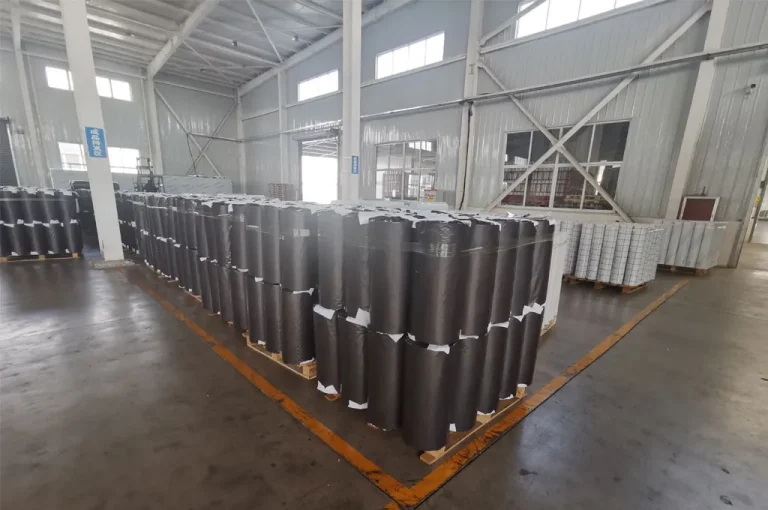
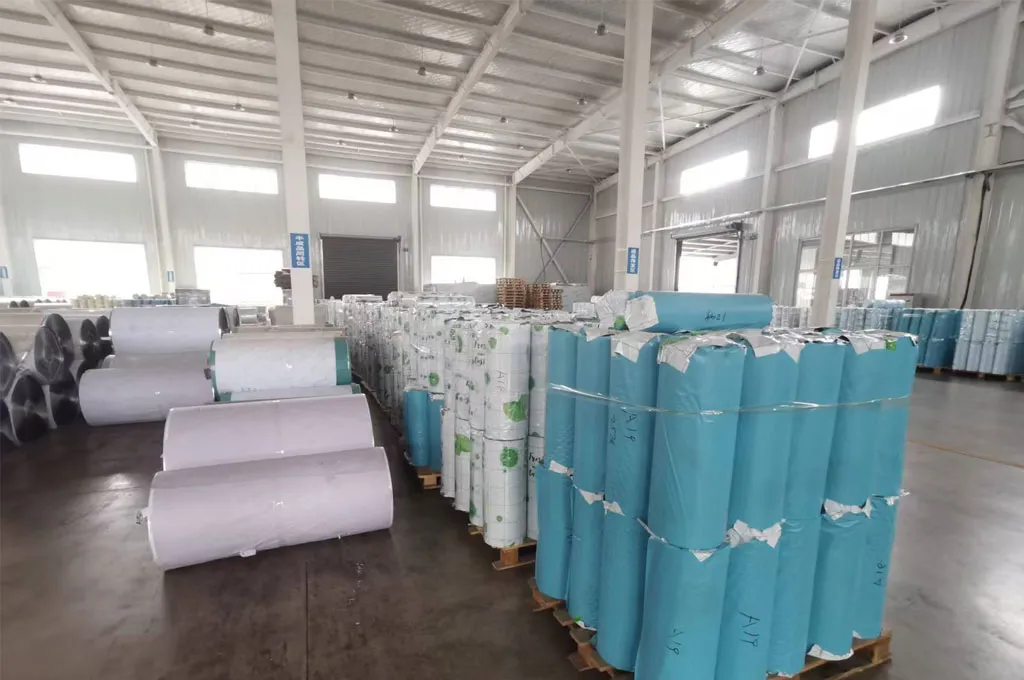
Sourcing from established manufacturers guarantees access to advanced calendering technology, consistent coloration, and reliable split-packaging services. Henan Pulivk New Materials Co., Ltd. exemplifies a vertically integrated supply chain, managing everything from raw compound mixing to precision embossing and final slitting. With in-house calendering, printing, and packaging lines, such factories control quality at every checkpoint—ensuring the pvc film paper you receive exhibits uniform thickness, exact batch-to-batch color matching, and flawless surface finishing. Years of global export experience to Southeast Asia, the Middle East, and Europe ensure the logistics and compliance frameworks are robust.
Whether you need a full container load of PVC skirting film or a custom-printed batch of 3D silk texture film, the selection principles remain the same: validate the technical data against your application stresses, ensure the aesthetic finish matches the ambient lighting, and confirm the film’s chemical resistance suits the cleaning regimen of the space. Mastering these factors transforms pvc film paper from a simple commodity into a strategic asset for building and design projects.