Address
304 North Cardinal St.
Dorchester Center, MA 02124
Work Hours
Monday to Friday: 7AM - 7PM
Weekend: 10AM - 5PM
Address
304 North Cardinal St.
Dorchester Center, MA 02124
Work Hours
Monday to Friday: 7AM - 7PM
Weekend: 10AM - 5PM


 ByPulivk
Polyvinyl chloride film, commonly referred to as pvc film plastic, is one of the most versatile and widely used materials in modern manufacturing and interior design. From furniture surfaces to wall coverings and protective packaging, this adaptable material offers a unique combination of durability, aesthetic flexibility, and cost efficiency. Whether you are sourcing for large-scale production or a custom renovation project, understanding the different types of pvc film plastic is the first step toward making a smart decision.
PVC film plastic is a thermoplastic polymer sheet produced through calendering or extrusion processes. It can be formulated as a rigid or flexible film, available in a vast array of colors, textures, and finishes. Thanks to its excellent chemical resistance, surface hardness, and printability, this material has become a preferred alternative to traditional materials like wood veneer, paint, and metal laminates in many industries.
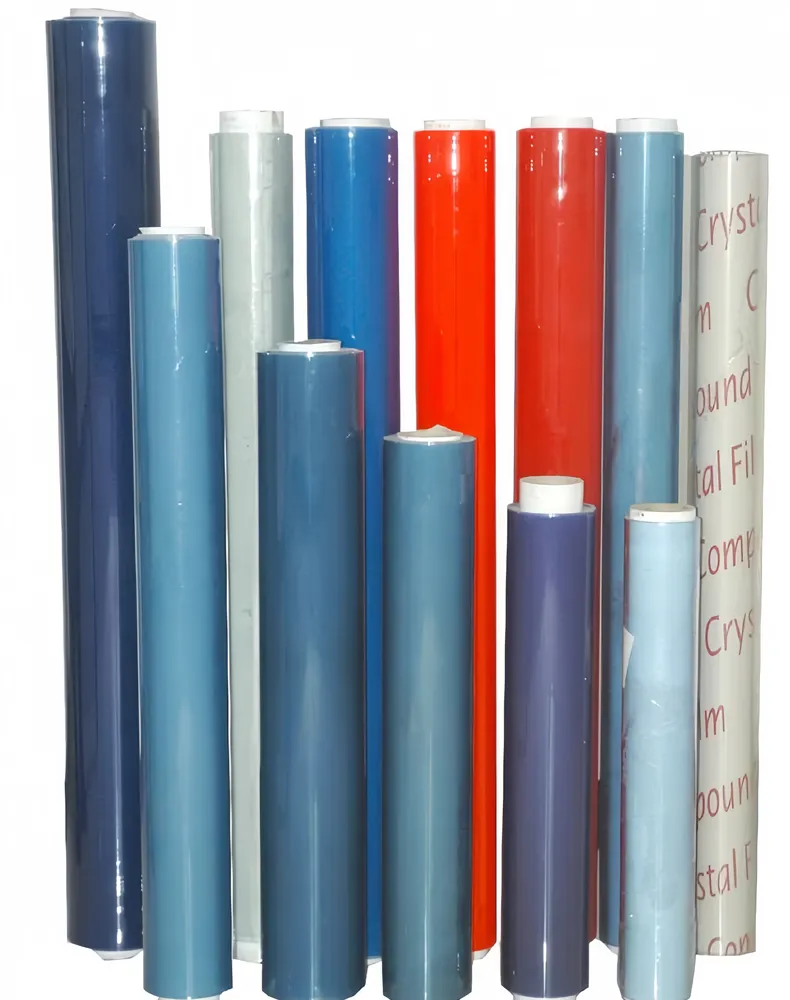
The selection of pvc film plastic primarily depends on the calibration of the manufacturing process and the intended application. Below are the main categories available in the market today.
Calendered calendered pvc film plastic is produced by passing a heated PVC compound through a series of rollers. This method yields a very uniform thickness and a high-quality surface finish. It is often the preferred choice for critical applications requiring optical clarity, such as transparent films, frosted films, and high-definition embossed patterns. The typical thickness ranges from 0.05 mm to 0.50 mm, making it suitable for both packaging and decorative uses.
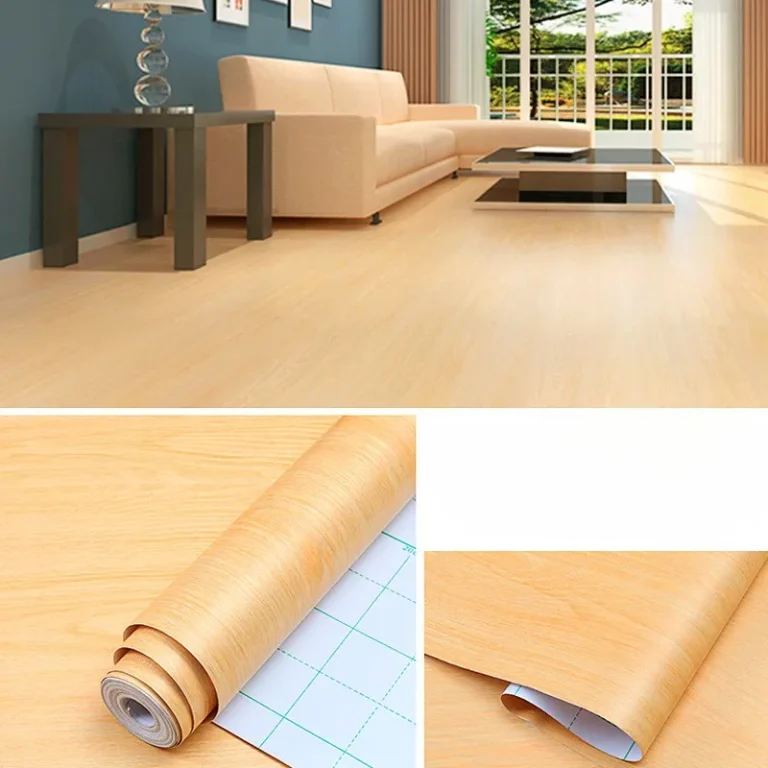
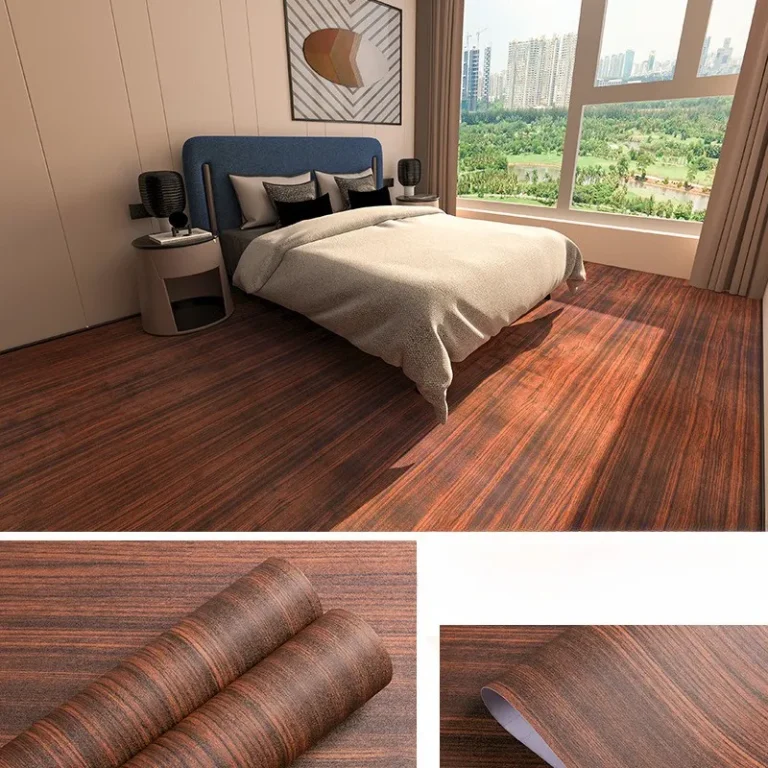
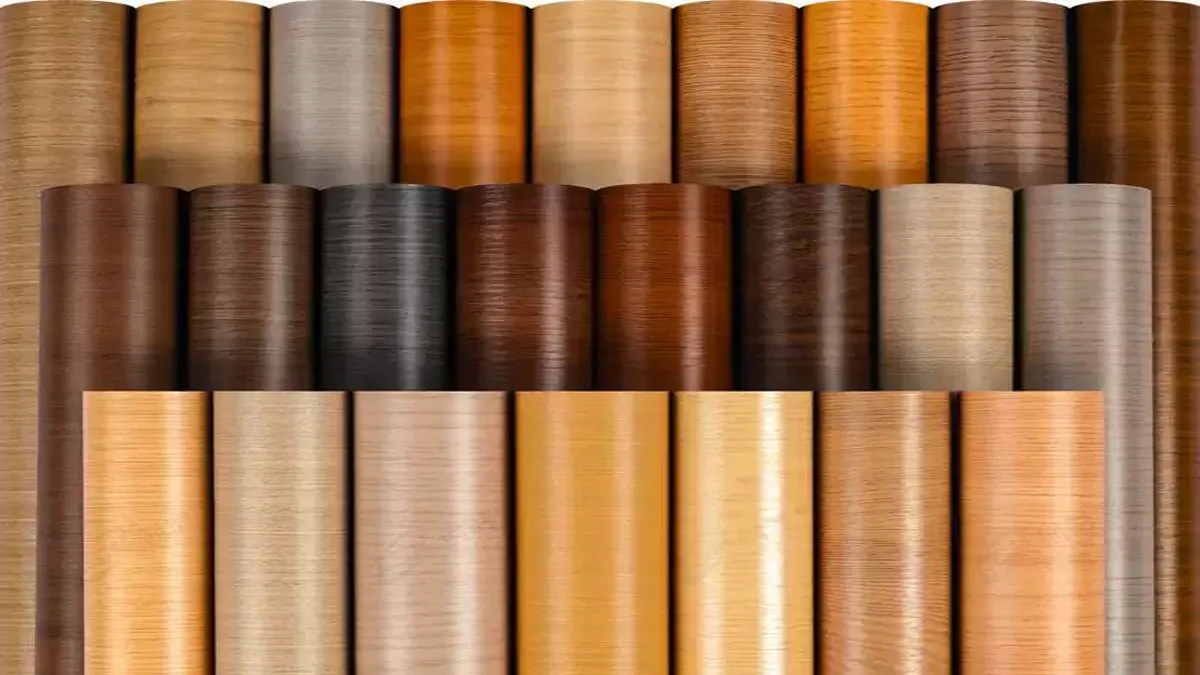
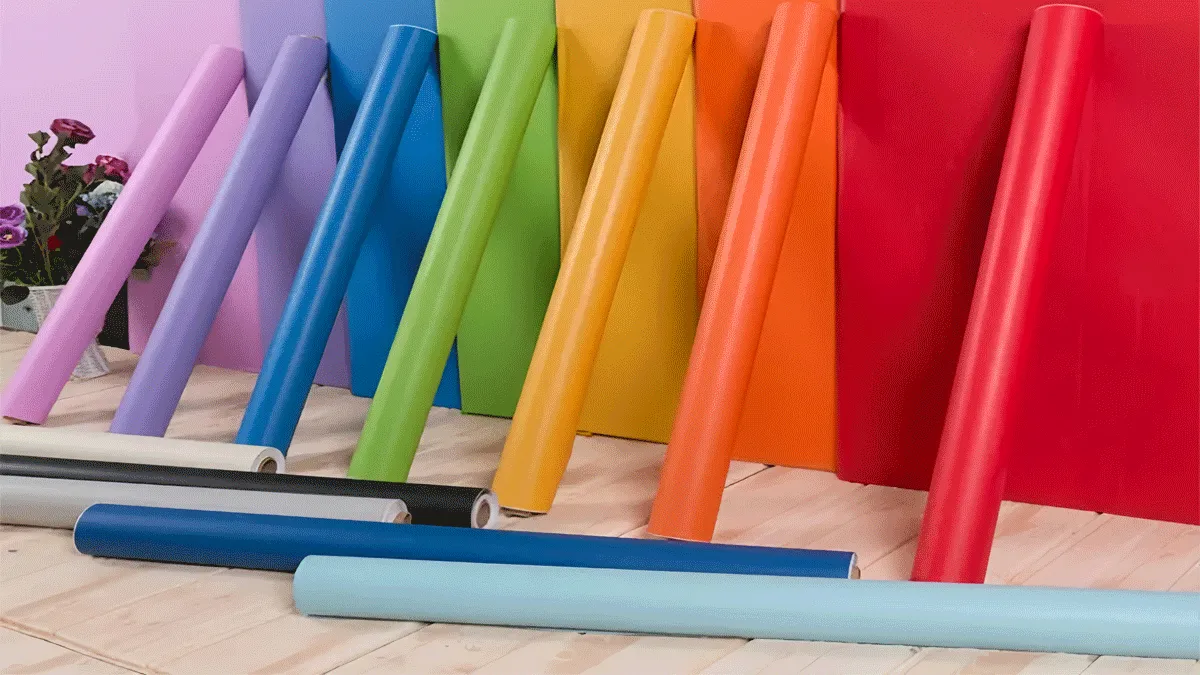
One of the most popular segments of decorative pvc film plastic is the wood grain film. These films replicate the look and texture of natural wood but at a fraction of the cost. They are extensively used in the furniture industry for laminating MDF panels, doors, and cabinets. Other decorative varieties include solid color films, stone grain patterns, and 3D silk texture films that add a tactile dimension to household goods.
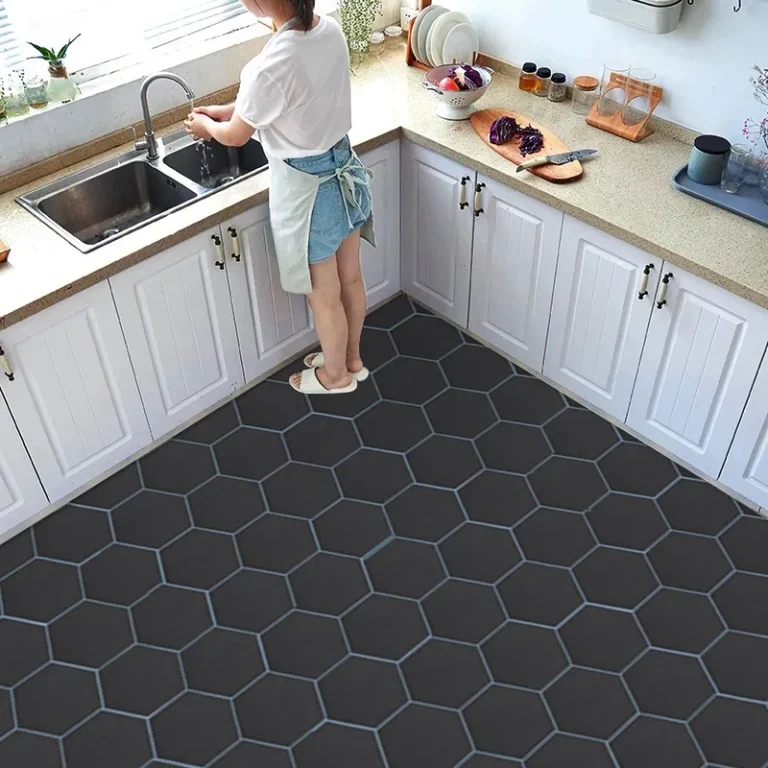
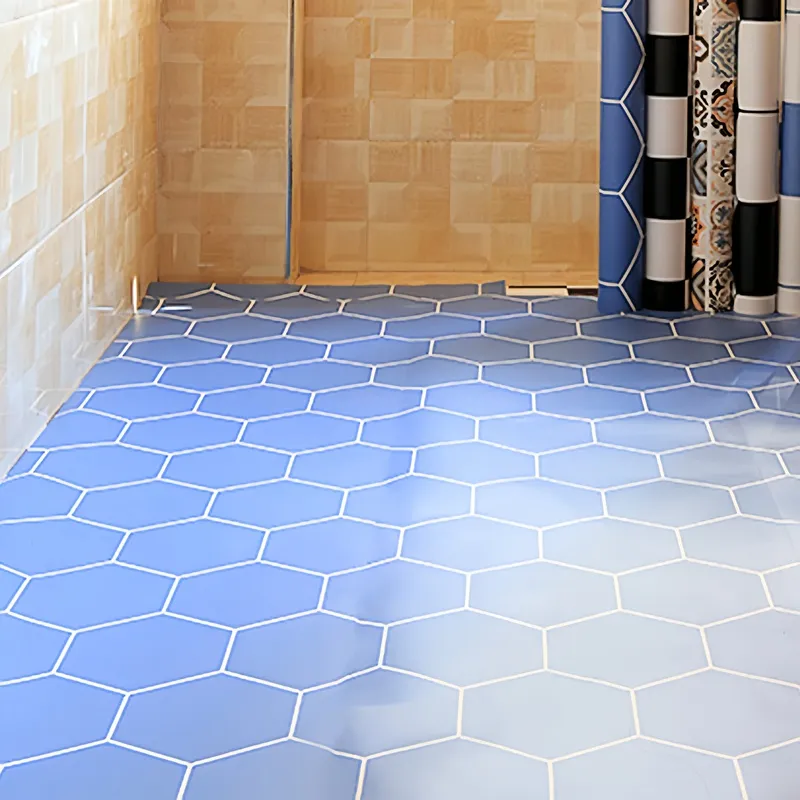
Specialized pvc film plastic designed for flooring offers enhanced wear resistance and slip-proof properties. This category includes options like floor protective film, vinyl kitchen flooring stickers, and skirting board films. These films are engineered to withstand daily foot traffic, moisture, and cleaning chemicals, thus ensuring a long service life.
Marble pvc film plastic provides a luxurious stone-like appearance without the heavy weight or installation difficulty of natural marble. Its lightweight nature makes it ideal for wall panels, bathroom renovations, and commercial display fixtures. The realistic veining patterns are achieved through high-precision printing and embossing techniques.
In kitchen environments, pvc film plastic serves as a hygienic and easy-to-clean barrier. Kitchen anti-oil films and heat-resistant aluminum foil variants protect walls, backgrounds, and countertops from grease stains and cooking steam. Their self-adhesive backing simplifies installation, making them a favorite for residential retrofits.
Beyond decoration, the versatility of pvc film plastic extends to functional products such as anti-static films for electronics, UV-resistant films for outdoor durability, and antibacterial films used in medical and cleanroom settings. These specialty formulations comply with international standards, including the ASTM PVC Film Standard and relevant ISO guidelines for film tensile and tear properties.
Why do manufacturers and designers increasingly choose pvc film plastic? The answer lies in its unique balance of performance and design freedom. Below is a summary of its core advantages.
| Benefit | Description |
|---|---|
| Cost Efficiency | Significantly cheaper than solid wood, metal, or natural stone while providing a comparable aesthetic. |
| Design Flexibility | Available in over 2,000 designs including solid colors, wood grains, metallics, and matte surfaces. |
| Durability | Scratch, sunlight, and moisture resistant, making it suitable for high-traffic and humid areas. |
| Easy Application | Can be applied via cold lamination or vacuum pressing, reducing labor time and equipment costs. |
| Eco-Friendly Options | Lead-free and phthalate-free formulations are available, meeting RoHS and REACH requirements. |
The adaptability of pvc film plastic has led to its widespread adoption across multiple sectors. Here is how different markets utilize this material:
Selecting the correct pvc film plastic involves evaluating several technical and aesthetic parameters. A wrong choice can lead to inadequate bonding, discoloration, or reduced product life. Consider the following aspects before placing an order.
The intended application directly determines the required gauge. Films for surfaces subject to mechanical friction, such as flooring, generally require a thicker profile (0.10 mm to 0.50 mm) compared to decorative closet films (0.05 mm to 0.08 mm). Standard roll widths go up to 1500 mm, but custom slitting is widely available. Verifying these dimensions helps optimize material yield, a factor detailed in standards like the Plastic Film Yield Standard.
From high-gloss mirror finishes to deep matte or soft-touch textures, the surface finish greatly alters the visual perception. Glossy wardrobe films create a sleek, modern look, while textured embossed films effectively hide fingerprints and minor scratches. It is essential to match the gloss level with the practical daily handling the product will experience.
Not all films are suitable for every environment. For outdoor applications or locations with direct sunlight, UV-stabilized pvc film plastic is critical to prevent yellowing and embrittlement. For kitchens and bathrooms, water-resistant and anti-mold properties are mandatory. Always verify the film’s resistance to the specific conditions it will face.
The compatibility of the film with your substrate and adhesive is non-negotiable. Whether you are using pressure-sensitive adhesives on glass or heat-activated glues on MDF, the film backing must bond securely. Some films designed for specific lamination methods are evaluated under protocols similar to the Plastic Film Friction Testing to ensure consistent application on machinery.
For projects in Europe and North America, compliance is key. Suppliers should be able to provide evidence that their pvc film plastic formulations do not contain restricted phthalates. Certifications aligned with EU REACH and FDA standards for food contact materials are increasingly important, as noted in recent EU PVC Chemical Restrictions updates. Selecting a factory that uses eco-friendly, non-toxic inks adds a layer of safety for indoor, human-contact use.
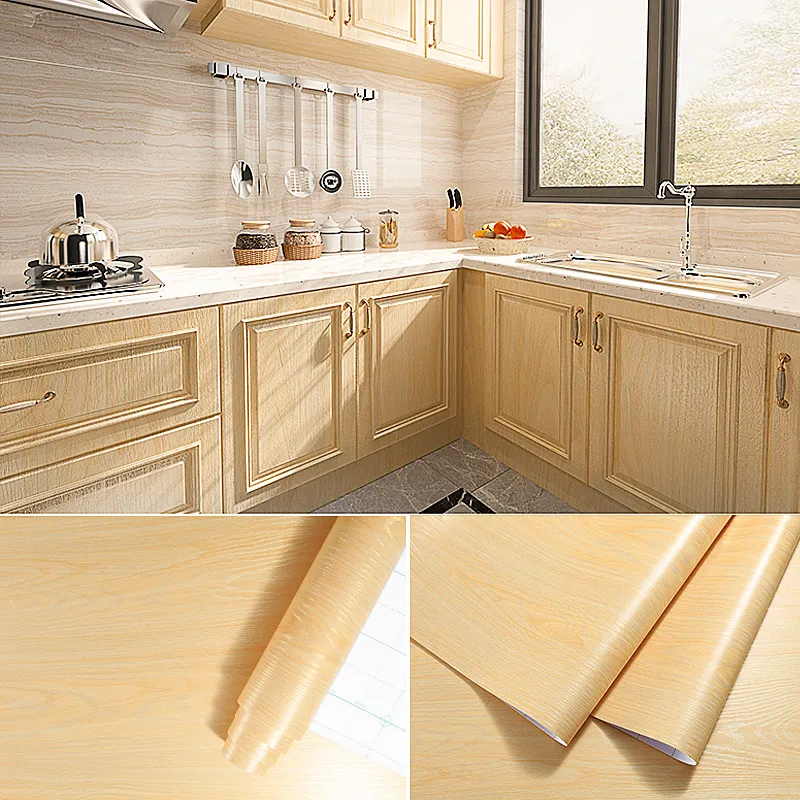
Consistent quality in pvc film plastic comes from a fully integrated production line. Henan Pulivk New Materials Co., Ltd. operates advanced calendering, printing, and split-packaging lines under one roof. This full control over the chain ensures stable quality and shorter lead times. From raw material mixing to final inspection, optical systems and thickness gauges monitor every roll. The facility produces approximately 500,000 tons of PVC film annually, exporting to markets in the United States, Europe, and Southeast Asia while providing flexible OEM services for custom colors and packaging.
Proper packaging preserves the integrity of pvc film plastic during transit. Standard export packaging involves individually wrapping rolls in dust-proof PE film or kraft paper, clearly labeling them with specifications, and stacking them in reinforced cartons or pallets. This attention to split packaging ensures that when the film arrives at your factory, it is ready for immediate use on the lamination machine without contamination or telescoping issues.
To quickly address common concerns, here are concise answers to typical inquiries we receive about pvc film plastic sourcing.
For standard designs, the typical minimum order quantity is around 3,000 square meters per design. Smaller trial orders may be possible through stock programs, while custom colors often require a slightly higher commitment to account for production setup.
Yes, standard product samples are usually available free of charge, although customers typically handle the courier freight. These samples allow you to test the color, texture, and lamination compatibility on your own production lines before a bulk commitment.
The two most common methods are cold lamination using safe, environmentally friendly adhesives and hot lamination via vacuum membrane presses. The ideal method depends on the substrate material, available machinery, and the specific film grade.
Yes, specialized floor-specific grades of pvc film plastic exist that feature a thick wear layer and textured surface. These are distinct from wall or furniture films and are engineered to meet higher traffic and slippage standards, similar to those outlined in PVC Flooring Standards.
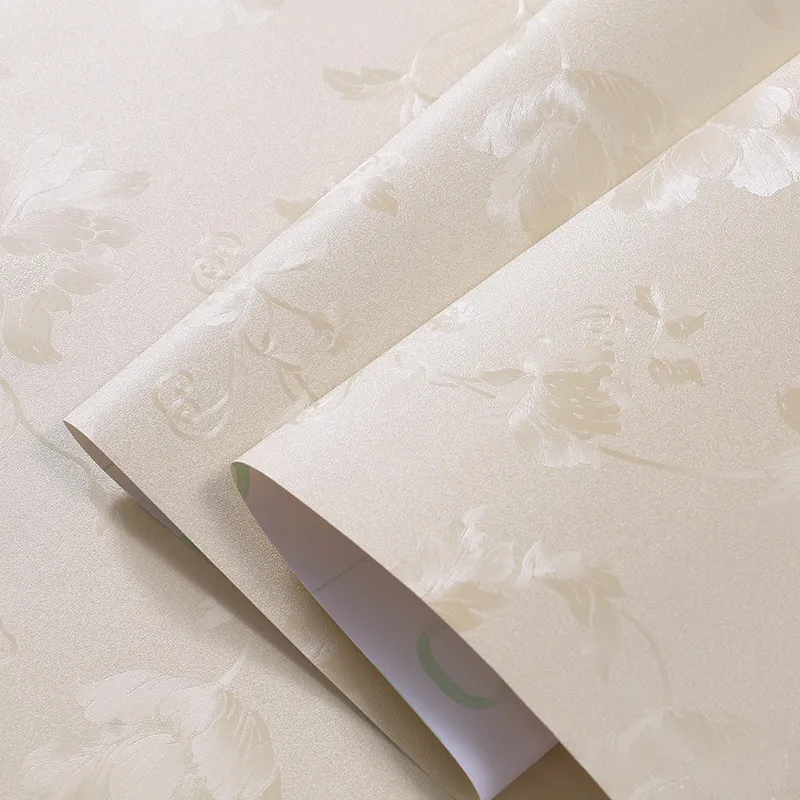
Browse a curated selection of PVC film plastic types available for immediate customization and bulk export:
For further reading on industry specifications, refer to the official ASTM Plastics Standards and the PVC Circular Economy guidelines which outline sustainability practices in the vinyl industry.