Address
304 North Cardinal St.
Dorchester Center, MA 02124
Work Hours
Monday to Friday: 7AM - 7PM
Weekend: 10AM - 5PM
Address
304 North Cardinal St.
Dorchester Center, MA 02124
Work Hours
Monday to Friday: 7AM - 7PM
Weekend: 10AM - 5PM



 ByPulivk
Understanding pvc film prices starts with recognizing that no two projects are exactly alike. The cost you encounter reflects a complex interplay of raw material inputs, manufacturing processes, and specific performance requirements. Whether you are sourcing a wood grain film for furniture or a durable floor film for high-traffic areas, the final price per square meter is shaped by several key levers.
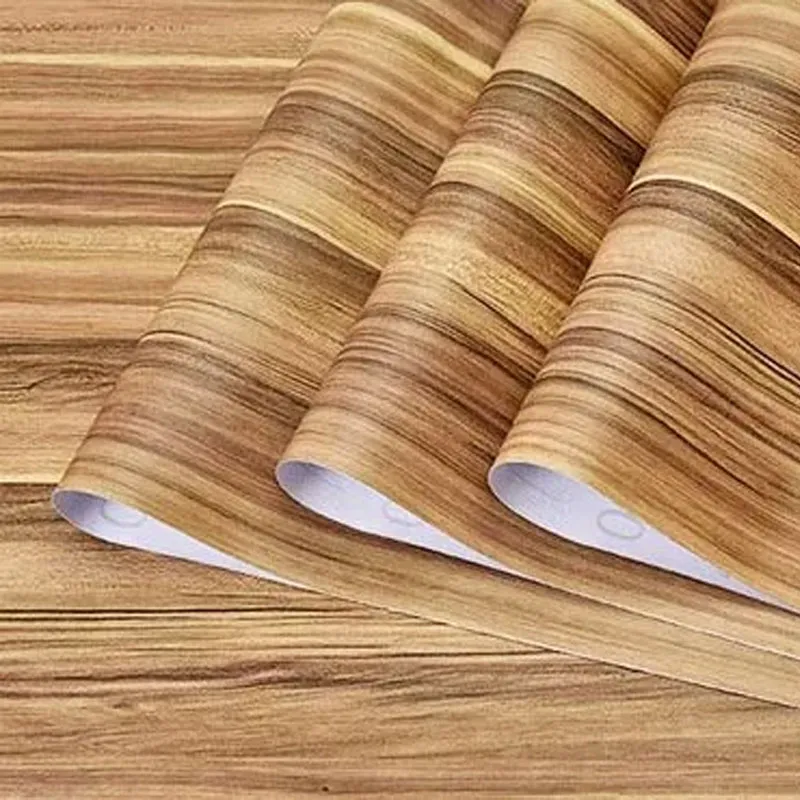
At its core, the primary driver of cost is the formulation of the PVC compound. Base resin prices fluctuate with global petrochemical markets, but the addition of plasticizers, stabilizers, pigments, and processing aids truly differentiates a standard film from a high-performance one. For instance, films requiring ASTM-certified non-rigid properties or specific plasticizer systems for food contact will inherently command a premium due to stringent regulatory compliance and costly raw ingredients.
Thickness is another fundamental variable. Measured in microns or mils, thicker films consume more raw material per unit area. A 0.10 mm decorative skin will naturally cost significantly less than a 0.30 mm commercial-grade flooring laminate. However, the relationship isn’t purely linear; ultra-thin films sometimes carry a processing premium due to the precision required to extrude and emboss them without defects.
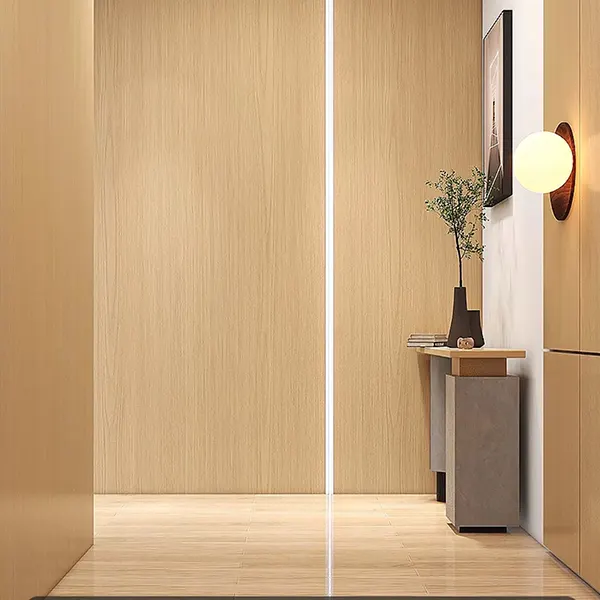
Lastly, surface complexity adds value—and cost. A high-gloss solid color film is relatively straightforward to produce. In contrast, a registered 3D silk texture or a deep embossed wood grain requires sophisticated engraving of calendar rolls, precise temperature controls, and slower line speeds to ensure the pattern transfers perfectly. This manufacturing intricacy translates directly into higher pvc film prices.
To give you a realistic framework for budgeting, we’ve categorized standard PVC film types available in the market and their relative price positioning. Keep in mind that actual figures vary based on volume, width, and geographic region.
| Film Category | Typical Thickness Range | Relative Price Tier | Key Price Influencers |
|---|---|---|---|
| Transparent Calendered Film | 0.05 – 0.20 mm | $ | Base resin clarity; fewer additives |
| Single Color / Solid Film | 0.08 – 0.25 mm | $ – $$ | Pigment quality (inorganic vs. organic); color consistency requirements |
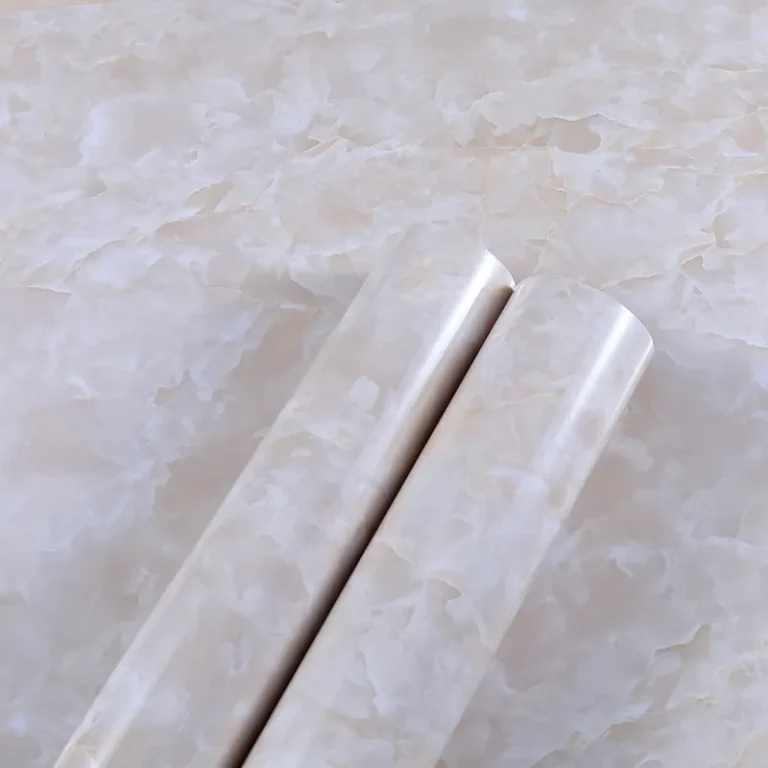
| Wood Grain / Marble Decorative Film | 0.12 – 0.30 mm | $$ | Printing registration; embossing depth; gloss level control |
| Soft Touch / Matte Film | 0.15 – 0.30 mm | $$ – $$$ | Specialty lacquers; anti-fingerprint coatings |
| Functional Films (Anti-static, UV-resistant) | 0.05 – 0.15 mm | $$$ | Specialized additives; regulatory compliance |
| High-Performance Floor Film | 0.20 – 0.50 mm | $$$+ | Wear layer thickness; tensile strength; dimensional stability |
Beyond the basic category, consider that masterbatch costs for vibrant or specialized colors (like metallic finishes) can be exponentially higher than standard whites or beiges. Consequently, a marble film with intricate veining will fall into a higher price bucket than a uniform stone-grain pattern due to the complexity and speed of the printing process.
The machinery behind the film directly impacts its cost structure and final quality. Calendering, the primary method for producing a wide array of these films, involves passing the plasticized compound through a series of heated rollers. The precision of these rollers—and the quality checks surrounding them—determine the film’s gauge uniformity and surface finish.
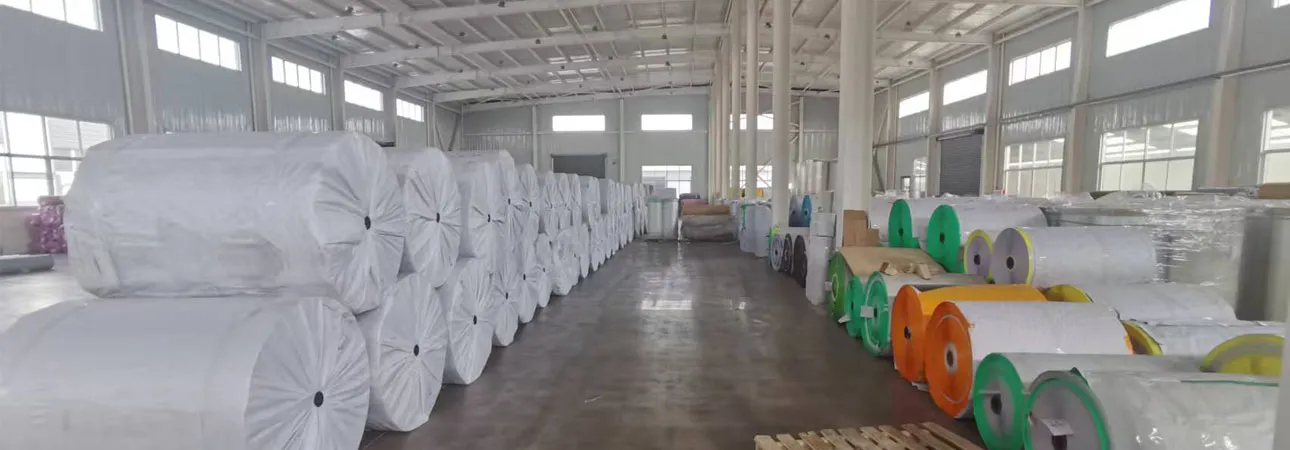
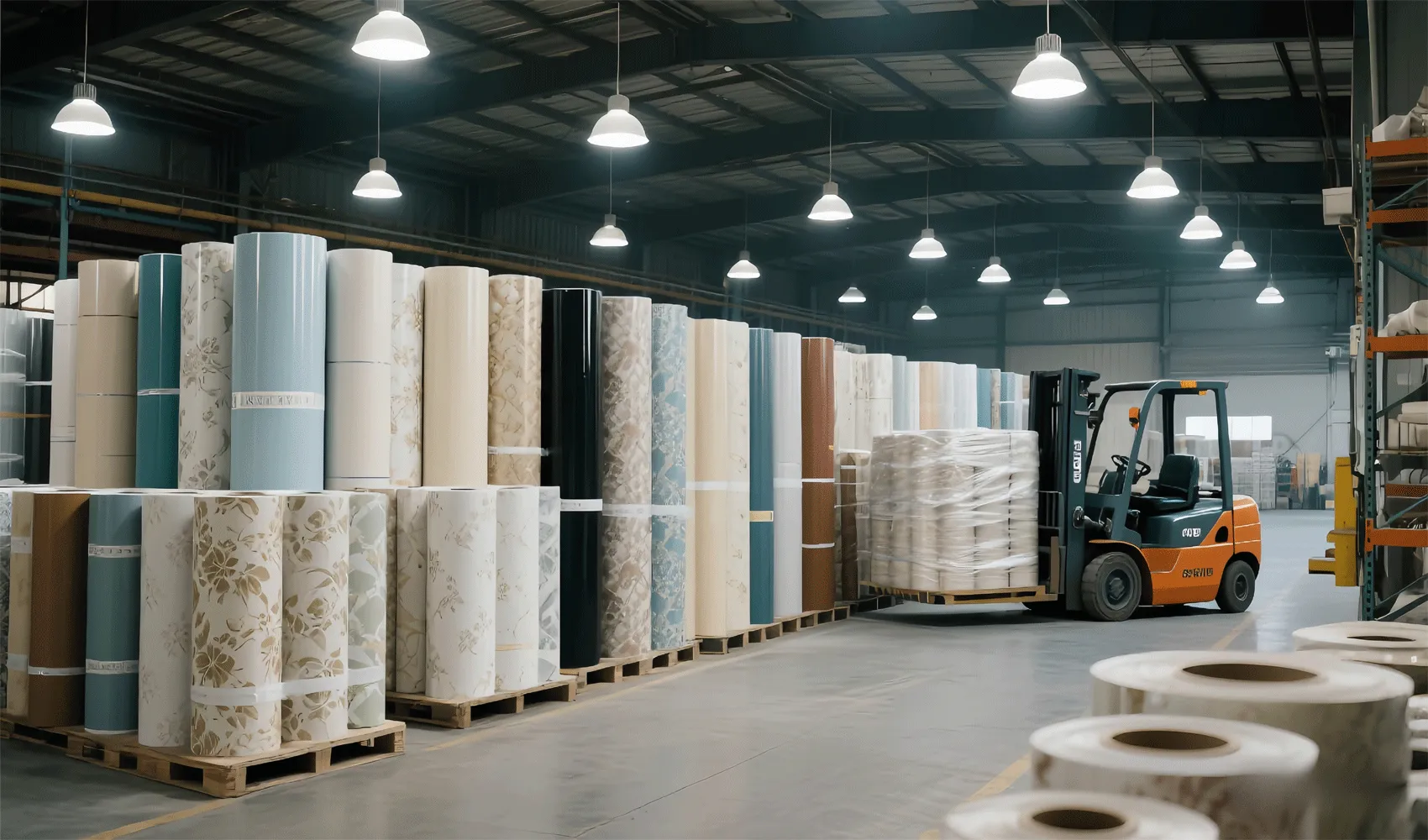
Films manufactured on high-output, automated calendering lines with integrated optical inspection and thickness gauging systems typically exhibit tighter tolerances and fewer pinholes, characteristics essential for high-speed lamination. The investment in these technologies by your supplier has a direct correlation to consistent product quality, yet it also defines the baseline pvc film prices they must charge to maintain such infrastructure.
A key cost distinction lies between single-layer and multi-layer composite films. Multi-layer films, often combining a virgin top layer with a recycled or filled core, optimize material costs while maintaining surface aesthetics. This approach offers a more economical price point for applications where the reverse side is bonded to a substrate, like in furniture panels or interior doors.
Bulk purchasing power is a major determinant of the unit price you’ll negotiate. A full container load (FCL) of a standard solid color film will always result in a significantly lower per-square-meter cost compared to a pallet-level LCL (less-than-container-load) order. This is due to the fixed setup and changeover costs on the production line.
Global standards provide a framework for comparing pvc film prices on a like-for-like quality basis. A low-cost film that fails basic plastic film haze testing or exhibits poor tear resistance can lead to expensive application failures and rejects downstream. The true cost of a film isn’t just its purchase price, but its processability and durability in your specific application environment.
Formulations complying with REACH and RoHS standards, particularly those mandated for export to the European Union, avoid restricted phthalates and heavy metals. The cost of these approved, environmentally preferred plasticizers contributes to a higher raw material bill compared to traditional, but restricted, compounds. You will find that EU PVC chemical restrictions have effectively segmented the market, creating a distinct tier for compliant films.
Similarly, films designed for outdoor applications requiring UV inhibitors to prevent yellowing and embrittlement represent a higher cost tier due to the sophisticated additive packages. Without these, a standard interior decorative film will quickly degrade if installed near a window or in a sunroom. Our facility, Henan Pulivk New Materials Co., Ltd., manages this from source-level integration of raw materials, allowing us to tightly control the additive mix and ensure every batch meets its designated lifecycle requirements without unnecessary markups at intermediary stages.
To secure the best value on your film procurement, engagement with the supplier needs to move beyond a simple request for a price list. The most successful partnerships are built around transparency of application and mutual cost reduction.
First, provide your supplier with a detailed data sheet of your application: the substrate (MDF, glass, metal), the lamination method (hot press, vacuum membrane, cold adhesive), and any critical end-use certifications required. This allows the manufacturer to recommend the most cost-effective formulation that meets, but doesn’t over-engineer, your needs.
Leverage OEM and private label services strategically. While establishing a custom brand and specification requires upfront sampling and sometimes a higher initial MOQ, it ultimately locks in a supply chain cost that is insulated from the spot-market fluctuations facing generic film buyers. Long-term framework agreements with quarterly volume commitments often provide the stability to negotiate favorable annual pvc film prices.
Finally, evaluate the logistics model. Sourcing directly from a factory with an in-house production chain—one that handles compounding, calendering, printing, and split-packaging—eliminates margin stacking. There’s transparency in the cost buildup, and lead times become more predictable, helping you reduce safety stock carrying costs. An integrated supplier can efficiently handle split packaging, converting jumbo rolls into your precise distribution format, which minimizes waste and labor on your warehouse floor.
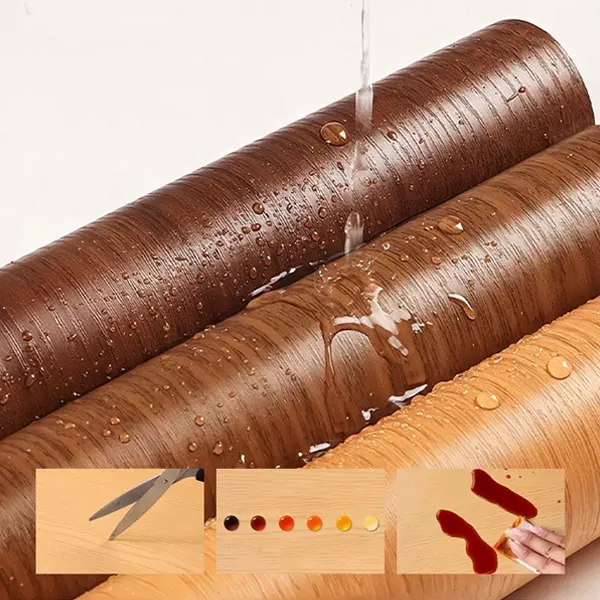
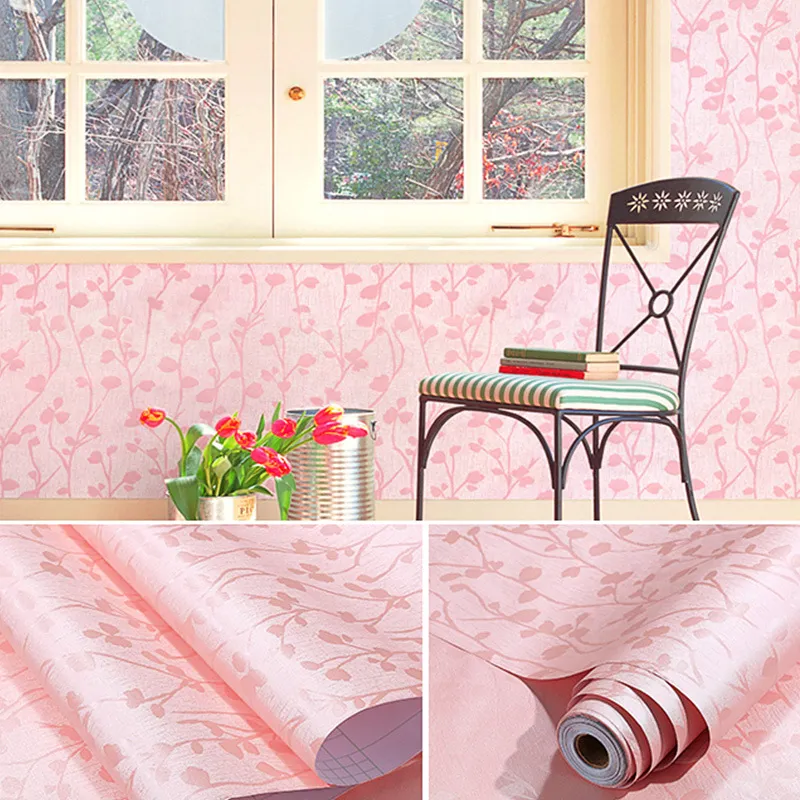
Whether you need a single master batch or a long-term partner for comprehensive PVC film products, focusing on total applied cost—rather than the lowest purchase price alone—is the key to a profitable outcome. Material yield, assembly line speed, appearance consistency, and final product longevity are the metrics that translate a competitive film price into genuine business advantage.