Address
304 North Cardinal St.
Dorchester Center, MA 02124
Work Hours
Monday to Friday: 7AM - 7PM
Weekend: 10AM - 5PM
Address
304 North Cardinal St.
Dorchester Center, MA 02124
Work Hours
Monday to Friday: 7AM - 7PM
Weekend: 10AM - 5PM


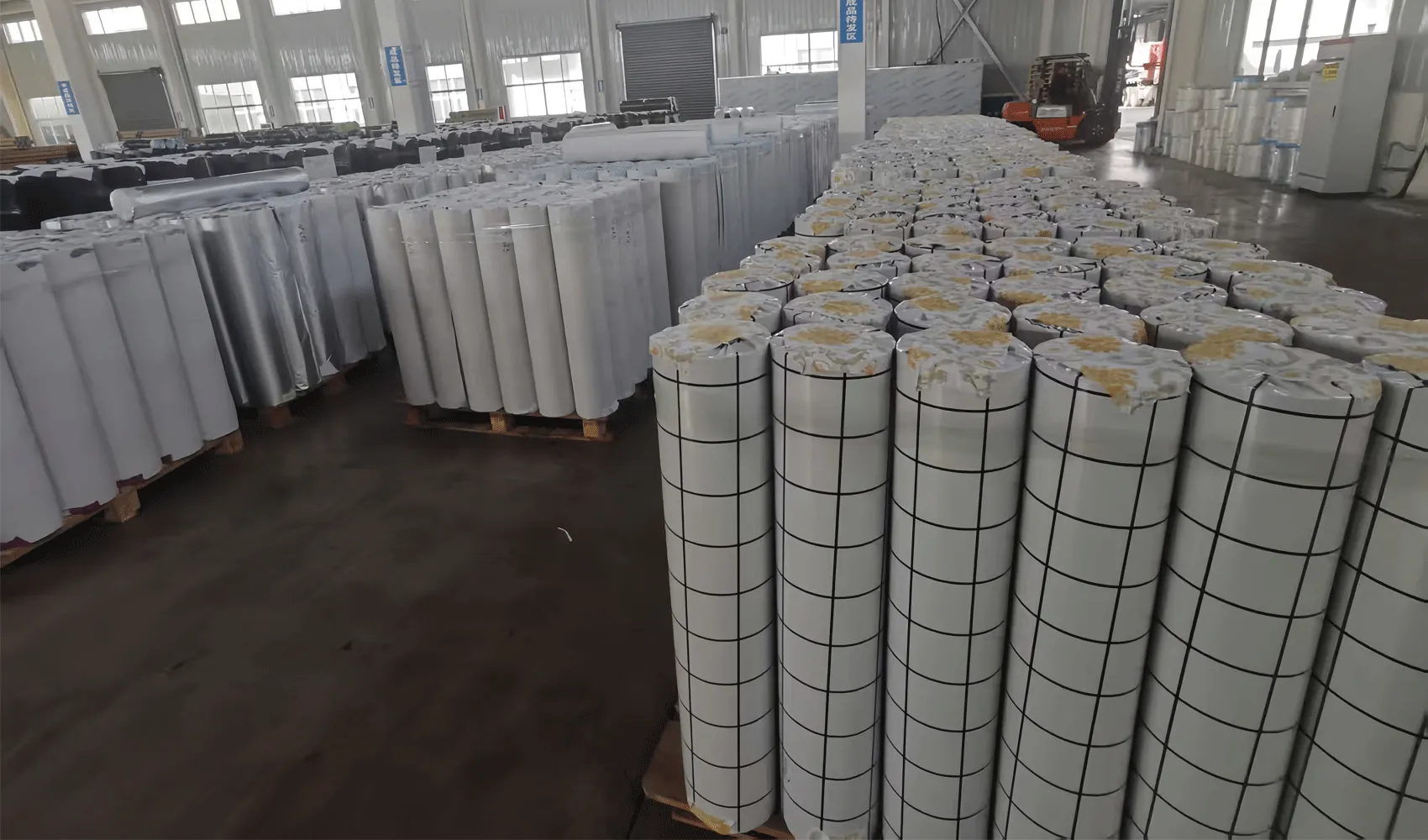
PVC film quality can shift from one production run to the next — affecting appearance, performance, and customer satisfaction. This guide explains the main causes of quality fluctuations, the most common defects you’ll see on the line, and targeted steps to improve consistency for reliable output.
Fluctuations arise when raw materials, process settings, equipment condition, or inspection methods vary. Even small deviations in formulation, temperature, or tension can change thickness, surface finish, or mechanical properties. Identifying the root cause quickly reduces waste and minimizes rework.
Variations in PVC resin grade, plasticizer type, stabilizers, or fillers produce noticeable differences in film clarity, flexibility, and ageing. Inconsistent suppliers or improper blending ratios are frequent culprits.
Calender roll temperatures, line speed, nip pressure, and cooling rates directly affect thickness uniformity and gloss. Changes to printing temperature or drying profiles can shift color density and adhesion performance.
Worn calender rolls, uneven roll surfaces, or misaligned guides generate thickness bands, streaks, or marring. Regular preventive maintenance is essential to stable output.
Ambient humidity and dust in the production area, plus improper roll storage, can introduce contamination, haze, or surface defects. Handling tension differences cause edge curl or telescoping.
| Parameter | Typical Target | Common Cause of Variation |
|---|---|---|
| Thickness (µm) | 50–500 ± tolerance | Roll gap, line speed, die swell |
| Gloss (60°) | Matte to high gloss (specific range) | Roll finish, cooling, additive load |
| Tensile Strength (MPa) | Depends on film type | Resin grade, plasticizer ratio |
| Adhesion / Printability | Pass industry test | Surface energy, contamination |
Lock in raw material specifications, perform incoming QC checks (resin viscosity, additive concentration, moisture), and maintain a qualified supplier roster. Small shifts in plasticizer content or filler particle size cause big differences.
Use fixed process recipes for each SKU: calender temperatures, line speed, nip pressure, and cooling profiles. Implement version-controlled SOPs so operators follow the same steps every run.
Install inline thickness sensors, surface energy meters, and machine logs for temperatures and tensions. Trend data highlights drift before defects appear and supports quick corrective action.
Scheduled roll regrinding, alignment checks, and quick-change maintenance reduce mechanical sources of variation. Keep cleaning logs for calender rolls and printing plates to avoid contamination.
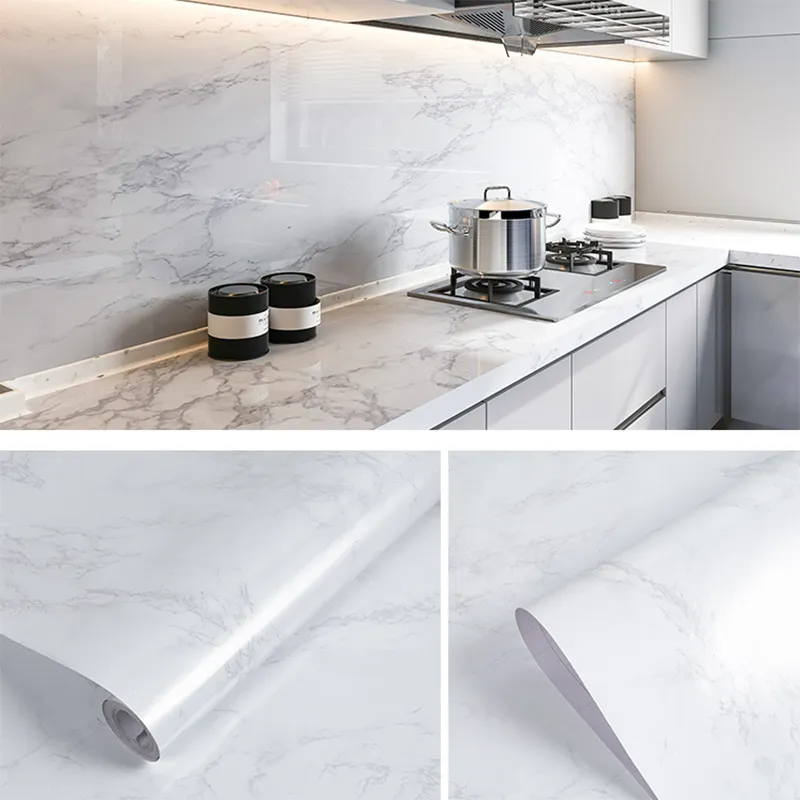
Control humidity in storage and production zones, use dust-minimizing clothing/protocols, and store rolls in sealed packaging. Standardize winding tension and roll core procedures to avoid edge defects.
Implement multiple QC checkpoints, from raw material intake to final packing. Train line operators on symptom-to-cause troubleshooting and create a quick escalation path for quality deviations.
If defects recur after basic corrections, run a formal root cause analysis: collect batch records, compare sensor trends, and test suspect raw material lots. Use cross-functional teams including production, R&D, and QA to implement corrective and preventive actions.
Pulivk — Henan Pulivk New Materials Co., Ltd. operates full in-house calendering, printing, and split-packaging lines, enabling tighter end-to-end control and faster corrective actions. For customers seeking consistent PVC film supply, look for partners who manage the whole chain from raw materials to finished rolls.
Start with data: install basic inline monitoring and a simple SPC program. Small investments in measurement and disciplined SOPs often yield the fastest improvements in film consistency and customer satisfaction.