Address
304 North Cardinal St.
Dorchester Center, MA 02124
Work Hours
Monday to Friday: 7AM - 7PM
Weekend: 10AM - 5PM
Address
304 North Cardinal St.
Dorchester Center, MA 02124
Work Hours
Monday to Friday: 7AM - 7PM
Weekend: 10AM - 5PM


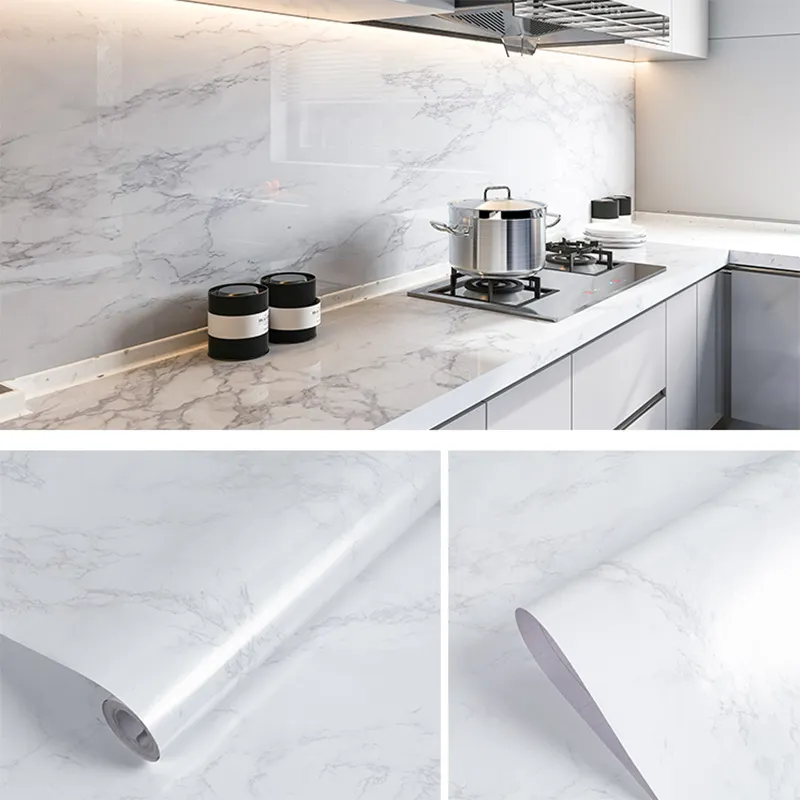
The PVC film rewinding machine is a core piece of converting equipment used in PVC film production lines to turn wide, printed or plain film webs into finished rolls with consistent tension, accurate winding, and clean edges. It plays a critical role in quality control, packaging efficiency, and downstream handling for industries that produce decorative films, protective films, and self-adhesive wraps.
Consistent roll quality – Proper rewinding ensures uniform winding tension, preventing telescoping, wrinkles, and edge damage that can cause waste and customer complaints. Accurate lay-flat and even cores make storage and later converting much easier.
By maintaining precise web tension, using accurate guides, and integrating in-line inspection, a rewinding line reduces rework and material waste. Typical measurable improvements include lower defect rates, faster changeovers, and higher effective throughput—benefiting both large-scale calendering operations and smaller OEM converters.
| Performance Indicator | Benefit |
|---|---|
| Tension accuracy | Reduces wrinkles/telescoping by up to 80% |
| Changeover time | Quick core change saves minutes per roll |
| Inspection integration | Early defect catch lowers customer returns |
| Roll dimensional control | Consistent OD and weight for predictable shipping |
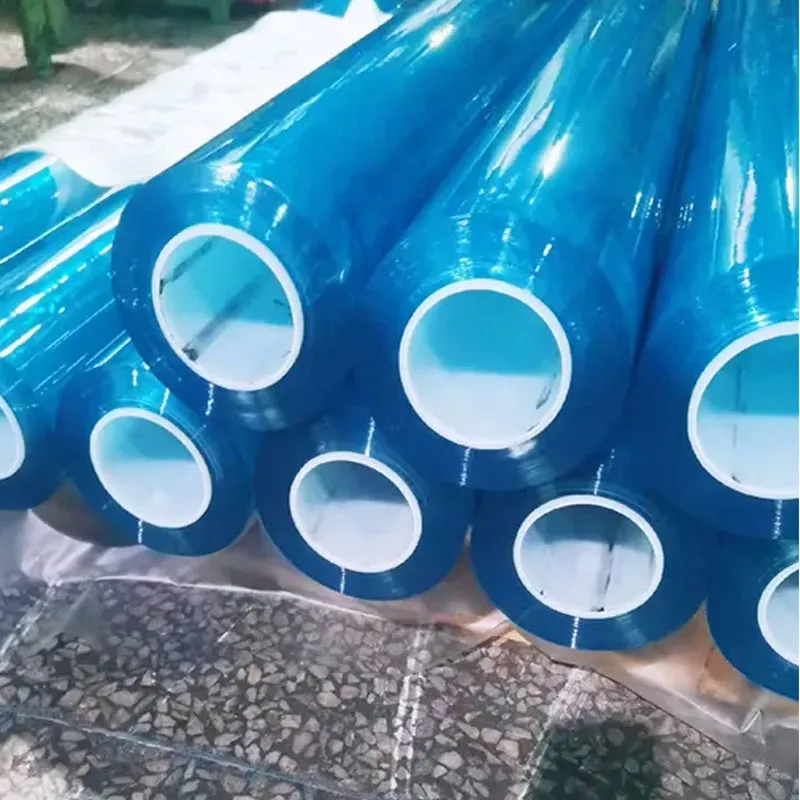
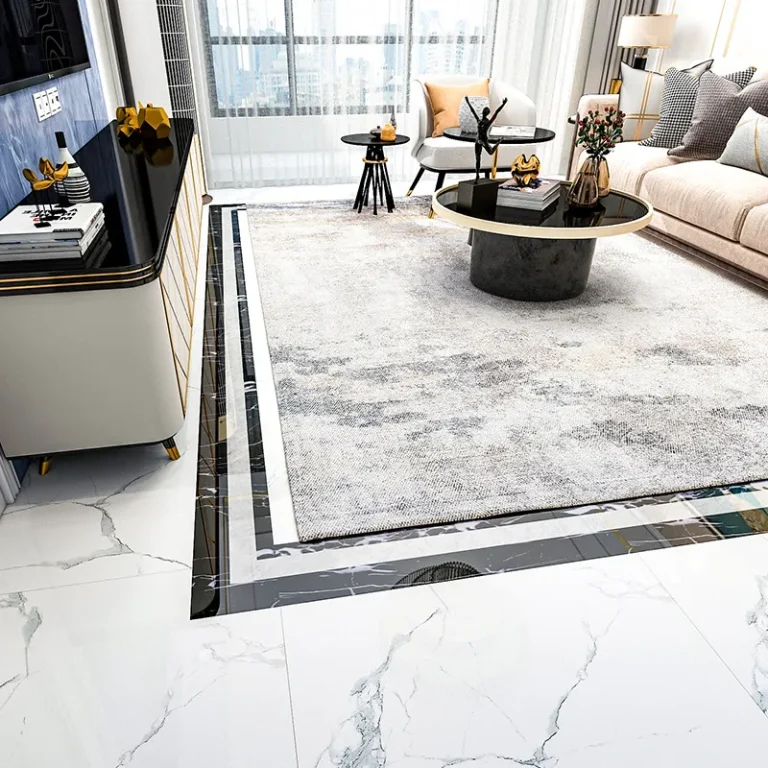
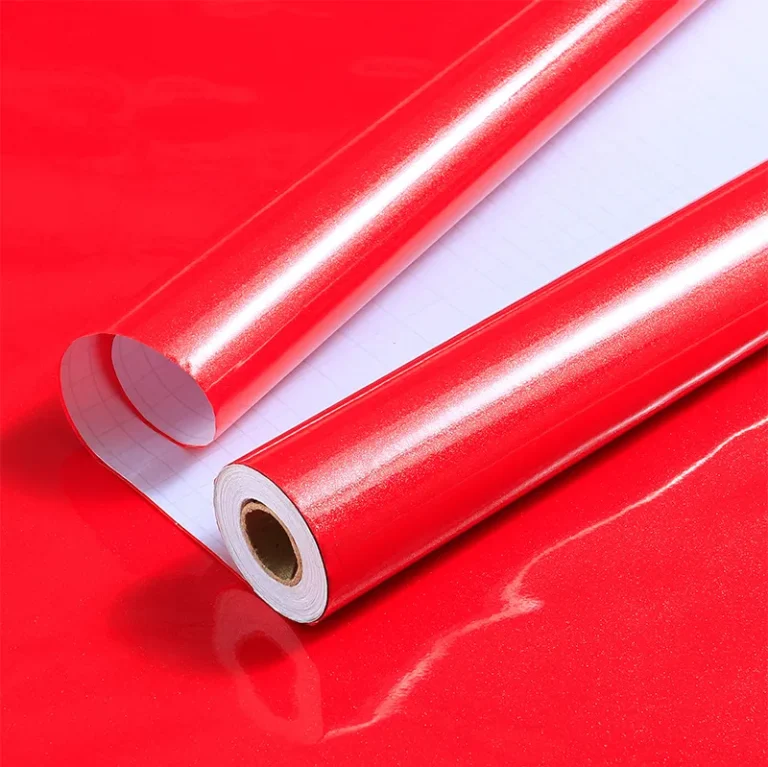
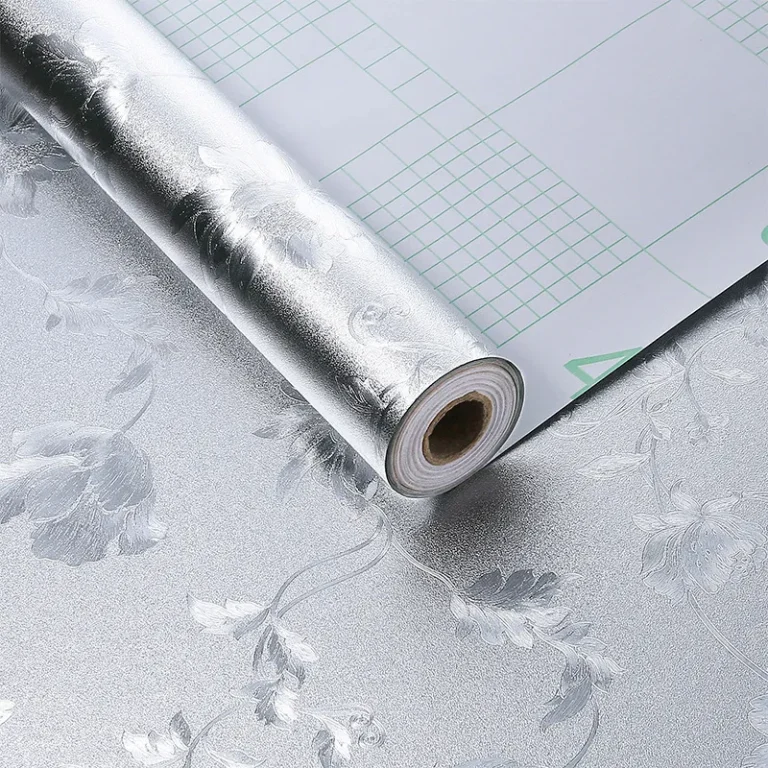
Decorative surface films, floor and wall films, kitchen anti-oil films, and packaging films rely on high-quality rewinding to deliver market-ready rolls. Integrating a robust rewinding machine is especially important for manufacturers focusing on OEM customization and export-grade packing.
Pulivk offers integrated production capabilities from calendering and printing to split-packaging, which makes selection and matching of rewinding equipment simpler for end-to-end control and stable lead times. For converters, the right rewinding solution directly translates into cost savings, improved product appearance, and smoother logistics.