Address
304 North Cardinal St.
Dorchester Center, MA 02124
Work Hours
Monday to Friday: 7AM - 7PM
Weekend: 10AM - 5PM
Address
304 North Cardinal St.
Dorchester Center, MA 02124
Work Hours
Monday to Friday: 7AM - 7PM
Weekend: 10AM - 5PM


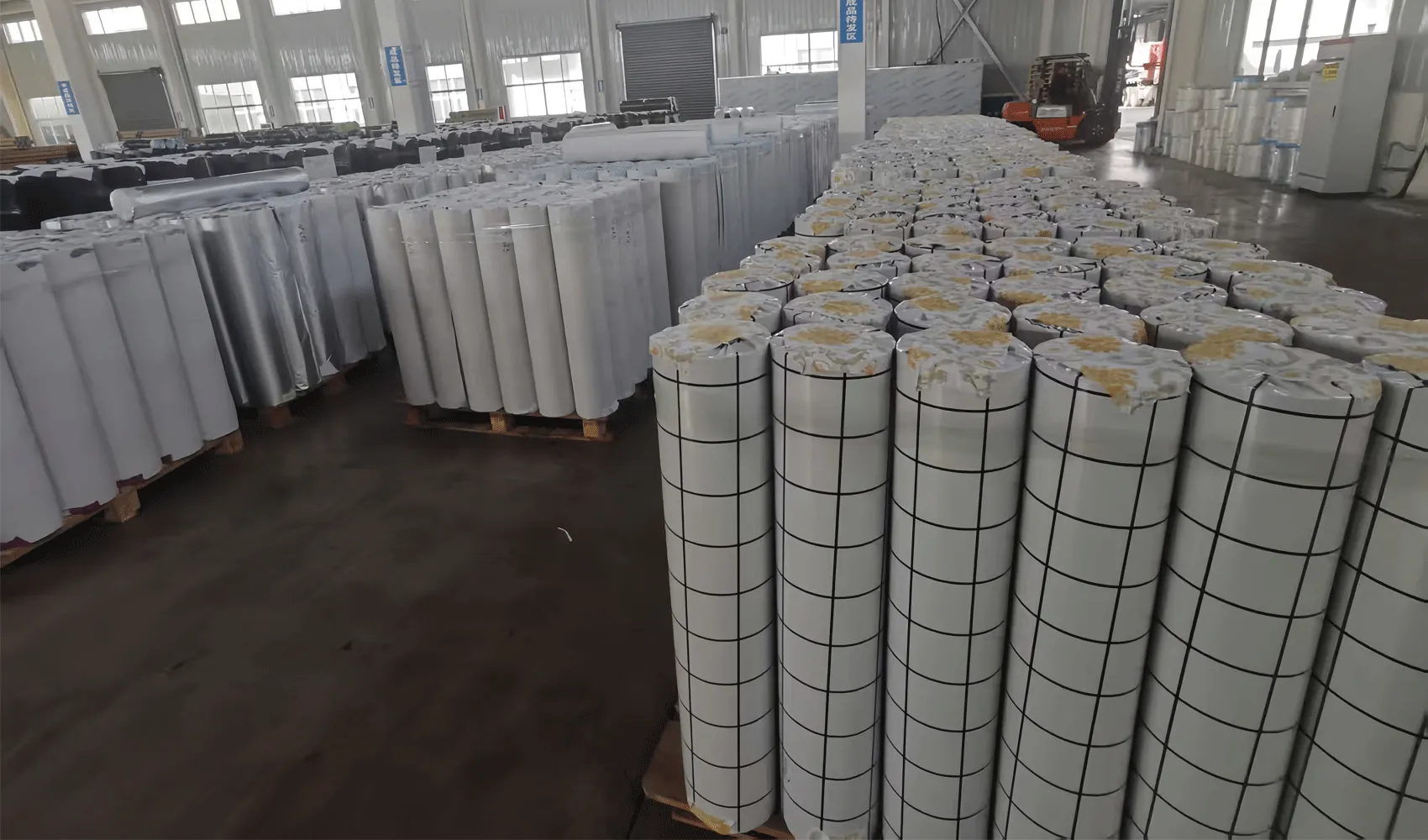
PVC film roll core size affects winding stability, unwinding performance, and compatibility with finishing equipment. This guide explains common core dimensions, how to choose the right core for different machines and applications, measurement tips, and packaging considerations to help you select the most reliable option for PVC film production and converting.
The inner diameter (ID) and core construction determine how the roll mounts on shafts or mandrels, the roll’s dynamic balance, and how the film behaves during printing, slitting, or laminating. Choosing the correct core reduces web breaks, minimizes edge damage, and improves automatic rewinding performance.
| Core ID (mm) | Nominal Core OD / Wall | Typical Roll Widths (mm) | Common Use & Max Roll Weight |
|---|---|---|---|
| 25 mm (1″) | ~30–35 mm OD (thin paper core) | 15–150 mm | Small consumer rolls, labels, light film; up to 5–8 kg |
| 38 mm (1.5″) | ~45–50 mm OD | 50–250 mm | Retail and converting lines; medium weight rolls, 8–20 kg |
| 50 mm (2″) | ~58–65 mm OD | 80–300 mm | Industrial slitting/rewinding; robust for heavier rolls, 15–40 kg |
| 76 mm (3″) | ~82–90 mm OD | 150–800 mm | Large format film, laminating, printing; heavy rolls 40–120+ kg |
| 152 mm (6″) | ~160–170 mm OD | Wide webs 300–1600 mm | Parent rolls for slitting lines, jumbo storage; very heavy rolls, 200+ kg |
Paperboard cores (multi-ply cardboard) are the most cost-effective and common for PVC film. They come in different plies and wall thicknesses for strength. Plastic cores (HDPE/PP) provide better dimensional stability and longevity for repeated use. Metal cores or reinforced cores are used for super-heavy or high-precision rolls where wobble must be minimized.
When ordering, provide: core ID, core wall thickness, core material, overall roll diameter, maximum roll weight, and finished roll width. Always specify tolerance limits for ID and roundness if using automatic high-speed equipment. For custom slitting, include the parent roll specifications and expected production speeds.
Proper chocking, palletizing, and end-cap protection prevent core and film damage. For export shipments, heavy parent rolls on 152 mm cores should be strapped and pallet-blocked. Light consumer rolls can be individually wrapped to protect edges and keep dust out.
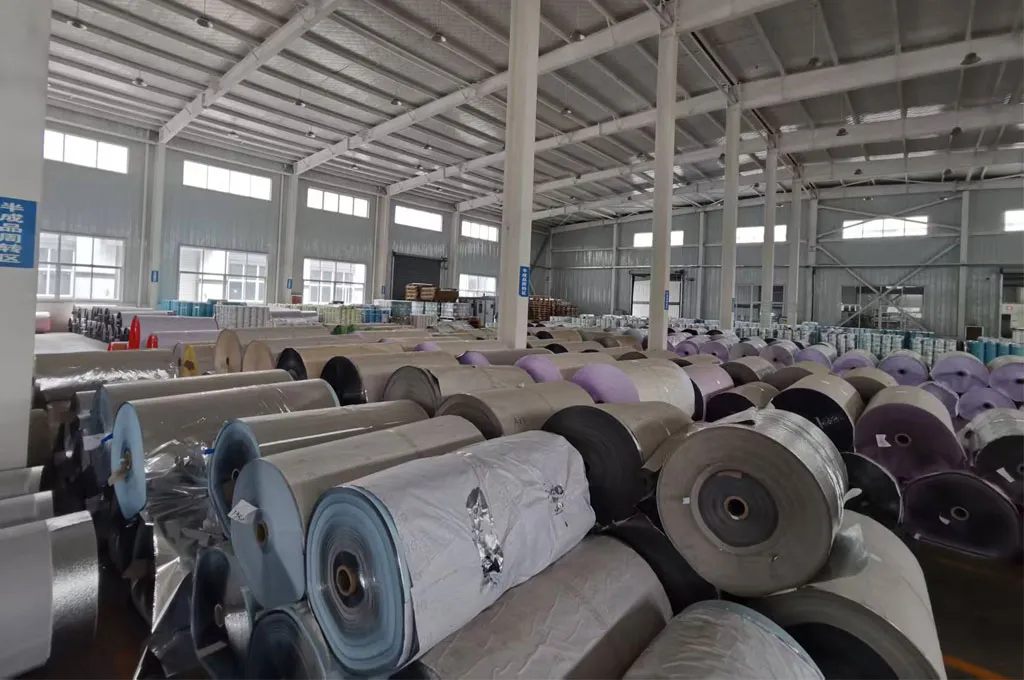
If you need non-standard cores (intermediate IDs, reinforced walls, injection-molded plastic cores, metal-lined ends, or printed labels on the core), many manufacturers and converters offer OEM services to match your machine requirements and branding. Henan Pulivk New Materials Co., Ltd. provides flexible OEM core and roll packaging solutions, leveraging in-house calendering and split-packaging lines to control quality end-to-end.
Q: How do I know if my line accepts 76 mm cores?
A: Check your mandrel or arbor spec; many industrial unwinders accept 3″ (76 mm) cores or use adapters for different IDs.
Q: When should I upgrade from paper to plastic cores?
A: Consider plastic cores if you have high-speed printing/lamination, heavy rolls, or need reusable cores with tight ID tolerances.
Confirm equipment shaft ID, expected roll diameters and weights, film properties, shipping method, and whether the production process requires consistent core OD for high-speed handling. With those details you can specify the correct core ID, material, wall thickness, and any reinforcement or end-cap needs to ensure smooth production and distribution.