Address
304 North Cardinal St.
Dorchester Center, MA 02124
Work Hours
Monday to Friday: 7AM - 7PM
Weekend: 10AM - 5PM
Address
304 North Cardinal St.
Dorchester Center, MA 02124
Work Hours
Monday to Friday: 7AM - 7PM
Weekend: 10AM - 5PM


 ByPulivk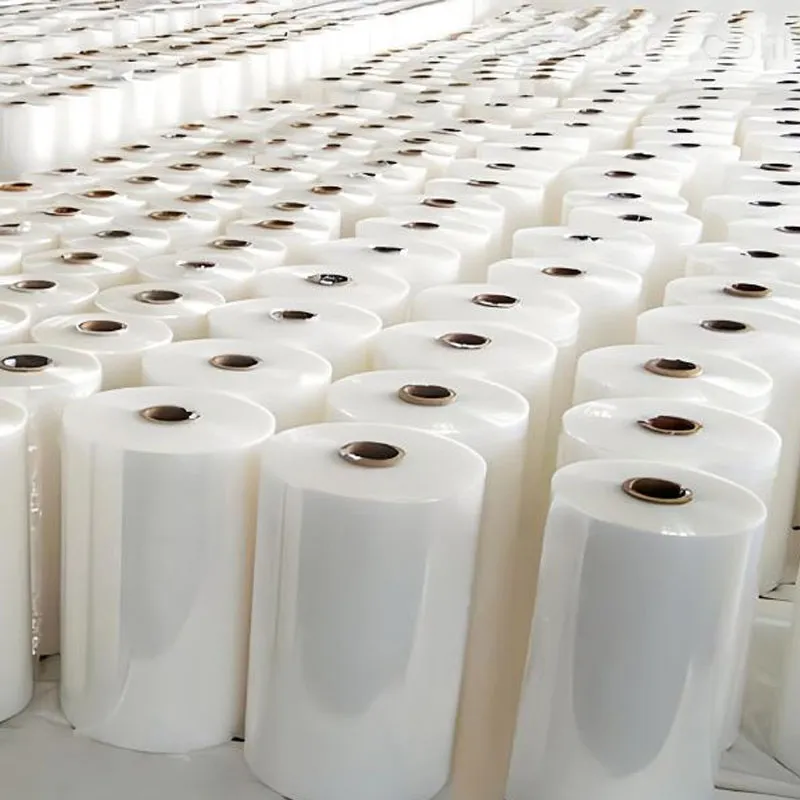
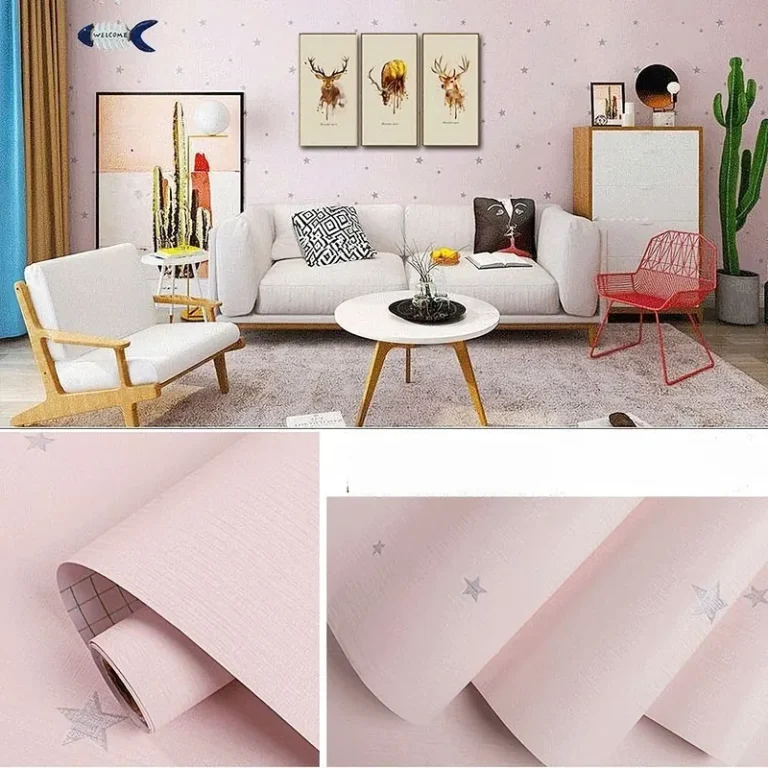
Understanding the pvc film roll price structure is essential for importers, distributors, and manufacturers looking to optimize procurement costs. Prices vary significantly based on raw material formulations, thickness, surface treatment, and order volume. This guide breaks down the key factors influencing pricing, compares common film types, and provides actionable insights to help you make informed purchasing decisions.
Several critical variables affect the final quotation you receive from suppliers. Knowing these can help you negotiate better terms and avoid hidden costs. According to ASTM PVC Film Standard specifications, material composition and physical properties directly influence manufacturing complexity and cost.
| Price Factor | Impact on Cost | Typical Range |
|---|---|---|
| Thickness (mm) | Direct material usage; thicker films require more resin and plasticizers | 0.03mm – 0.50mm |
| Width (mm) | Wider rolls increase production efficiency but may require specialized equipment | Up to 1500mm |
| Surface Finish | Embossed, matte, and 3D textures require additional processing steps | Glossy / Matte / Embossed / Brushed |
| Additives (UV, Antistatic, Anti-fog) | Specialty formulations increase raw material costs significantly | 5% – 30% price premium |
| Order Volume (SQM) | Bulk orders reduce per-unit production and shipping costs | MOQ typically 3,000 SQM per design |
The base resin, primarily PVC powder, alongside plasticizers like DINP or DOTP, represents the most volatile component of pvc film roll price fluctuations. Calcium carbonate fillers, used to adjust stiffness and opacity, can reduce costs but affect Plastic Film Tensile Testing performance. Environmentally friendly lead-free and phthalate-free formulations compliant with EU PVC Chemical Restrictions typically command a 10-20% premium over conventional grades.
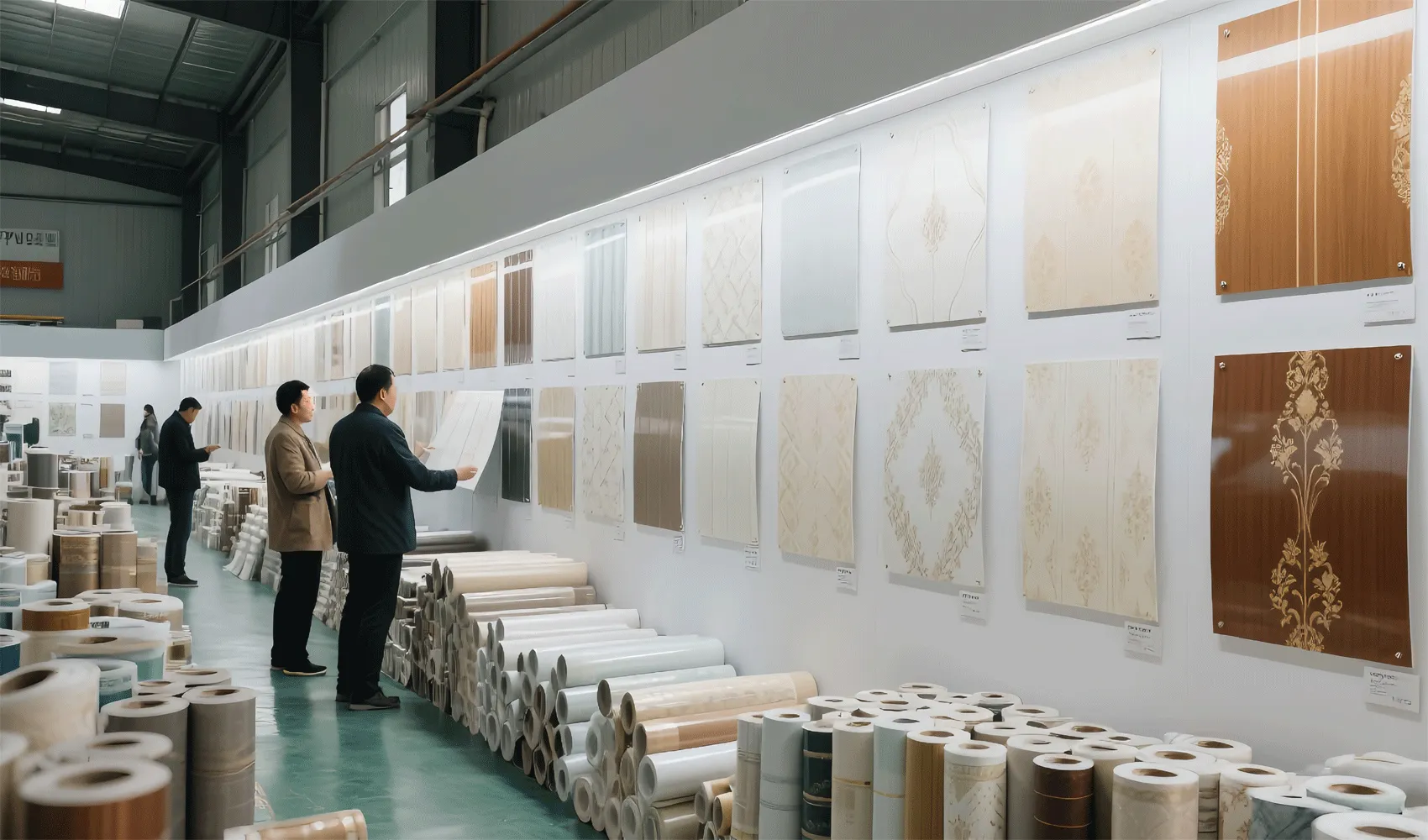
Different application requirements demand specific film constructions. Here is how the pvc film roll price compares across popular categories used in decorative pvc film applications and industrial uses:
| Film Type | Common Applications | Relative Price Level |
|---|---|---|
| Transparent Calendered | Packaging, stationery, protective layers | $ (Lowest) |
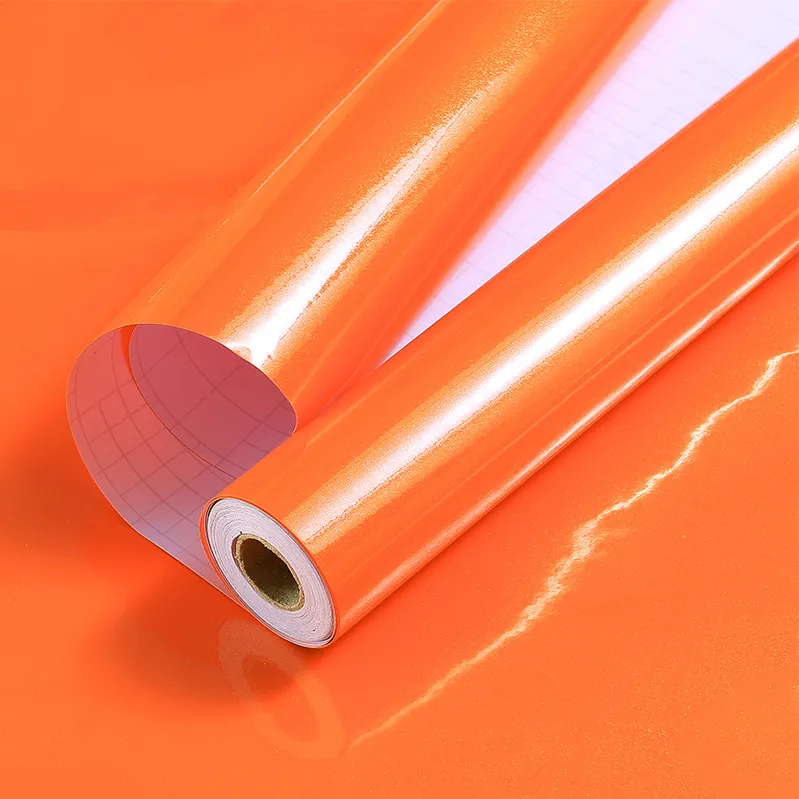
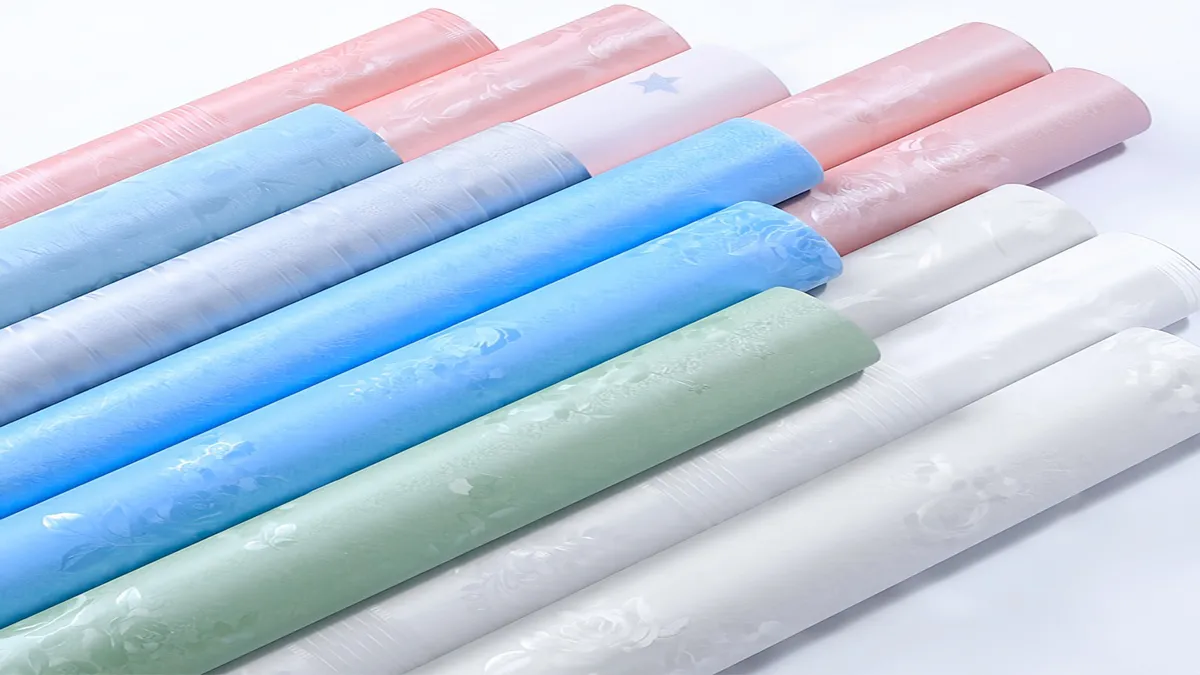
| Solid Color Wallpaper Film | Interior walls, furniture surfaces | $$ |
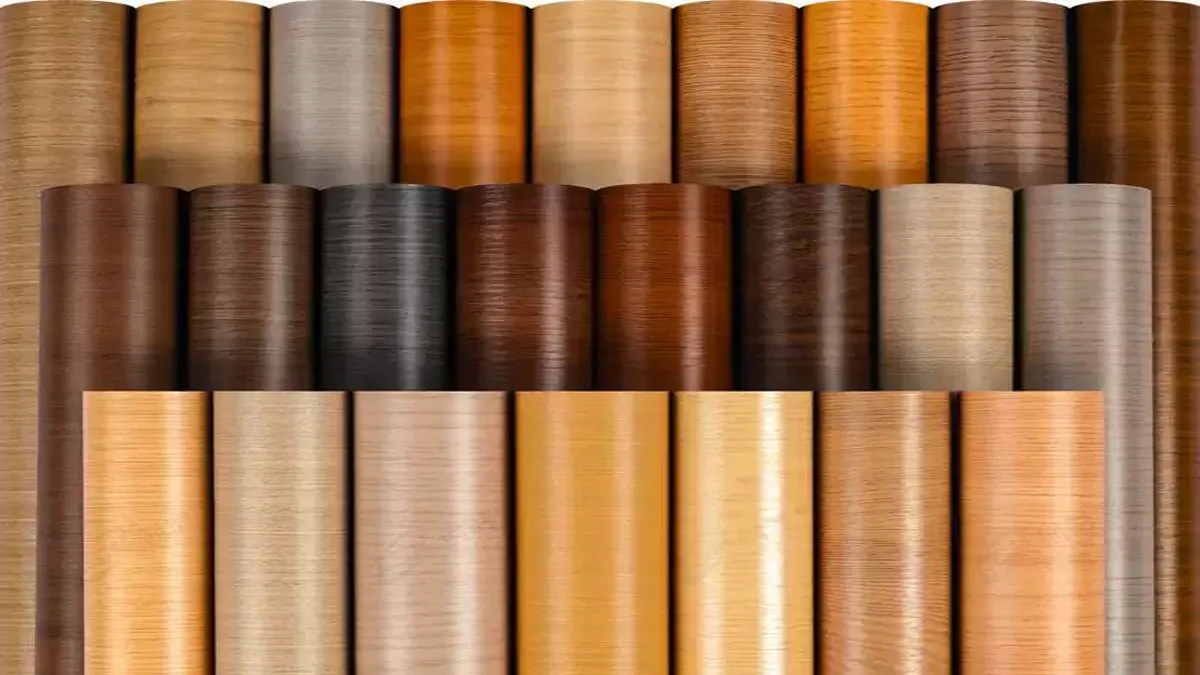
| Wood Grain / Marble Film | Cabinets, doors, decorative panels | $$$ |
| 3D Silk Texture / Embossed | High-end furniture, hotel interiors | $$$$ |
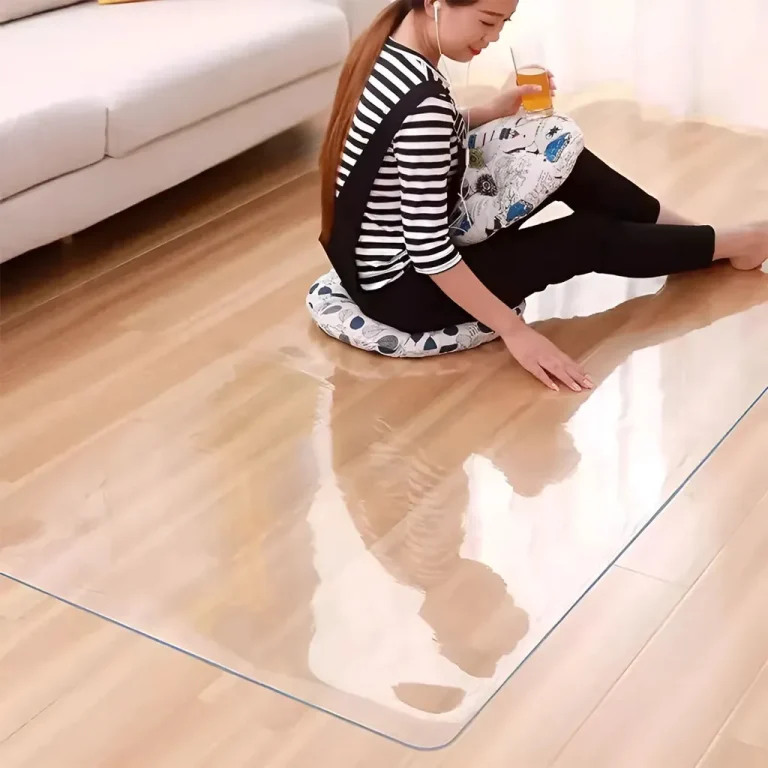
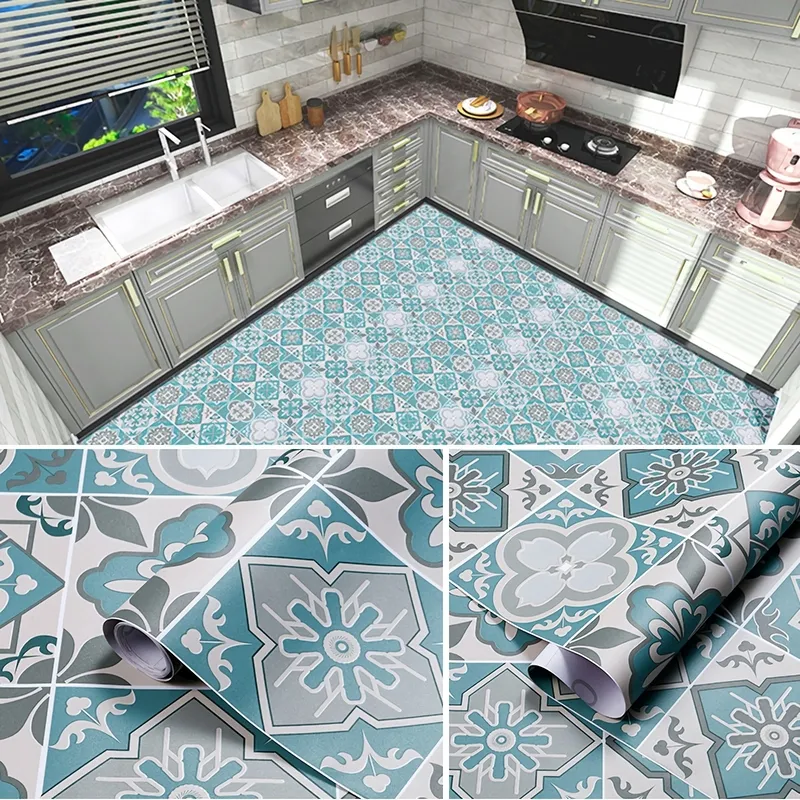
| Floor Film (Wear-Resistant) | Residential and commercial flooring | $$$$$ |
| Antistatic / Specialty | Electronics, cleanrooms, medical | $$$$$ (Highest) |
As a general rule, doubling the film thickness does not simply double the price—it increases exponentially due to slower production line speeds and higher energy consumption. A 0.10mm transparent rigid film might serve as a baseline, while a 0.30mm pvc film roll price for a floor application could be 2.5 to 4 times higher per square meter, factoring in additional coating layers. Standard ISO Film Thickness Standard testing ensures consistency across production batches.
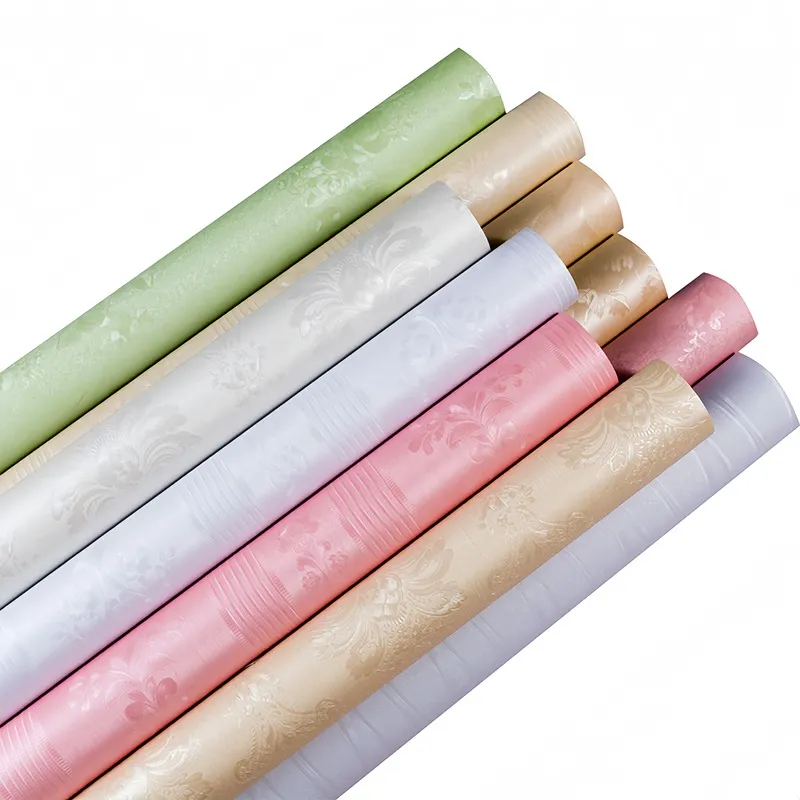
Procurement from direct manufacturers in Asia typically offers significant cost advantages over local distributors in Western markets. Below is a structural cost comparison for a standard 0.12mm decorative pvc film types order:
For businesses consuming over 50,000 square meters annually, direct sourcing from a manufacturer with flexible OEM capabilities usually yields the best total landed cost. Splitting full rolls into smaller slit rolls and custom packaging adds minimal incremental cost when managed by an integrated facility.
The pvc film roll price is not static. Crude oil price fluctuations directly impact resin and plasticizer costs. Additionally, demand peaks before major construction seasons and holiday production cycles can temporarily tighten supply. Monitoring PVC Environmental Profile data and petrochemical market trends helps anticipate price movements. Contract pricing with quarterly adjustment formulas is a common strategy for high-volume buyers to stabilize budgets.

Adherence to international testing standards adds a layer of quality assurance but also influences manufacturing costs. Films undergoing rigorous Plastic Film Tear Resistance and Plastic Film Gloss Testing protocols ensure consistent performance. Compliance with EU REACH, RoHS, and U.S. FDA food contact regulations for specific applications requires certified raw material sourcing, which increases base costs but opens access to regulated markets.
Self-adhesive grades, where a pressure-sensitive adhesive is coated onto the film, add another processing layer. The adhesive type—solvent-based, water-based, or hot-melt—affects both price and end-use suitability. Clarifying these requirements during RFQ stages ensures you compare equivalent specifications rather than just nominal pvc film roll price figures.
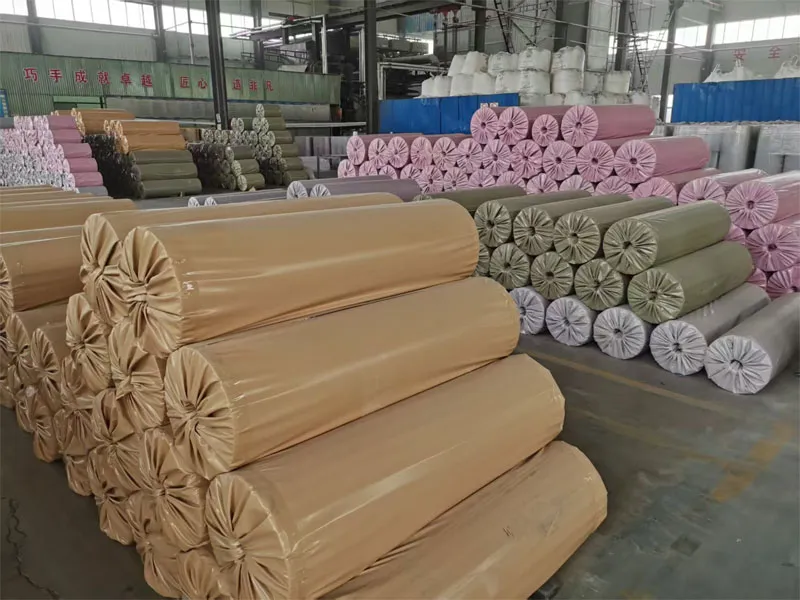
As a direct manufacturer with integrated calendering, printing, and split-packaging lines, Henan Pulivk New Materials Co., Ltd. controls every production stage in-house. This full-chain approach ensures stable quality, flexible OEM customization, and competitive pvc film roll price positioning. With annual production exceeding 500,000 tons and export experience spanning Southeast Asia, Europe, and North America, we provide tailored film solutions for furniture, construction, and packaging industries. Our in-house color matching, custom width slitting, and dust-proof packaging help reduce your downstream processing costs.
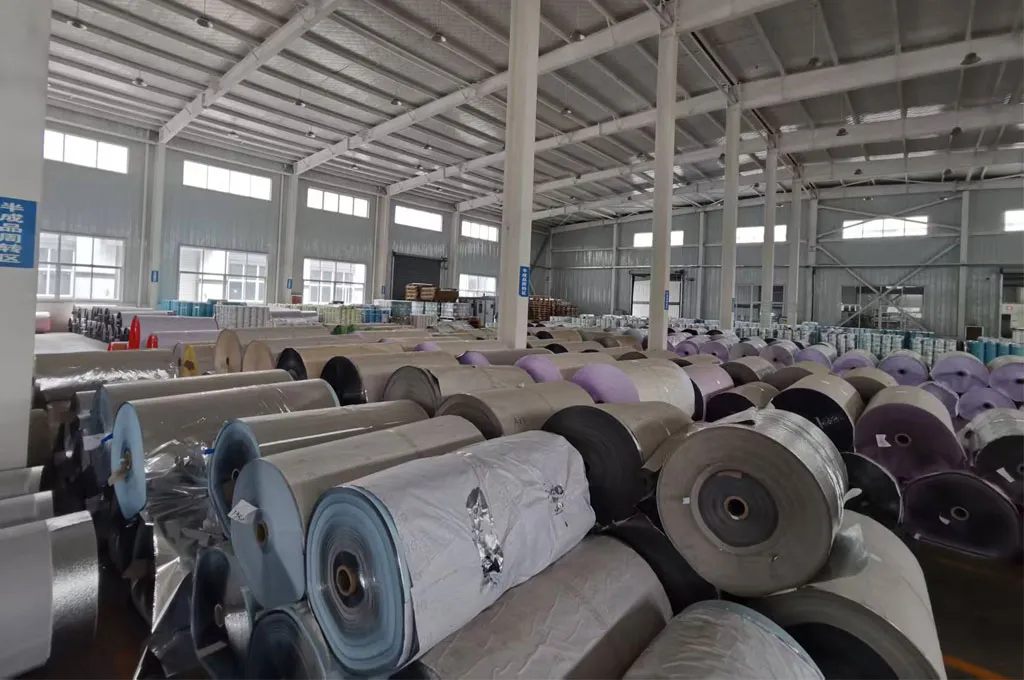
Understanding the interplay between raw materials, manufacturing processes, and supply chain logistics is key to optimizing your pvc film roll price sourcing strategy. Working directly with an experienced manufacturer that offers full production visibility often unlocks better value than trading through intermediaries.