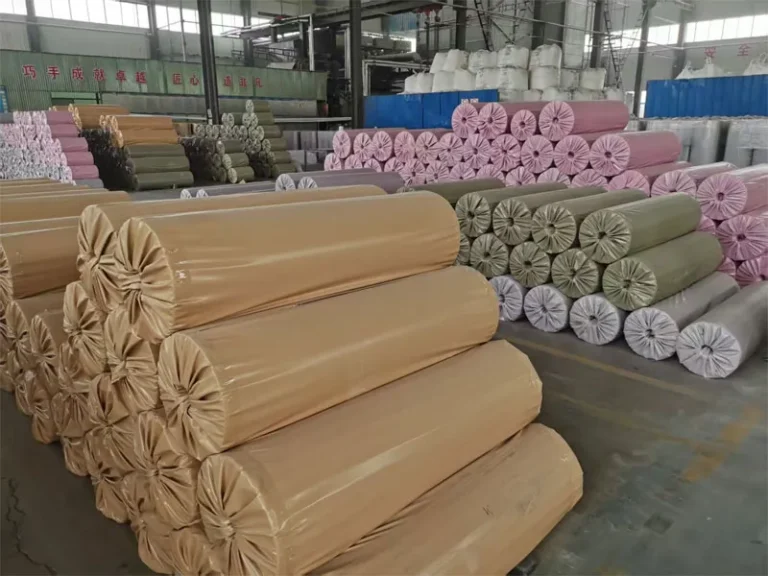
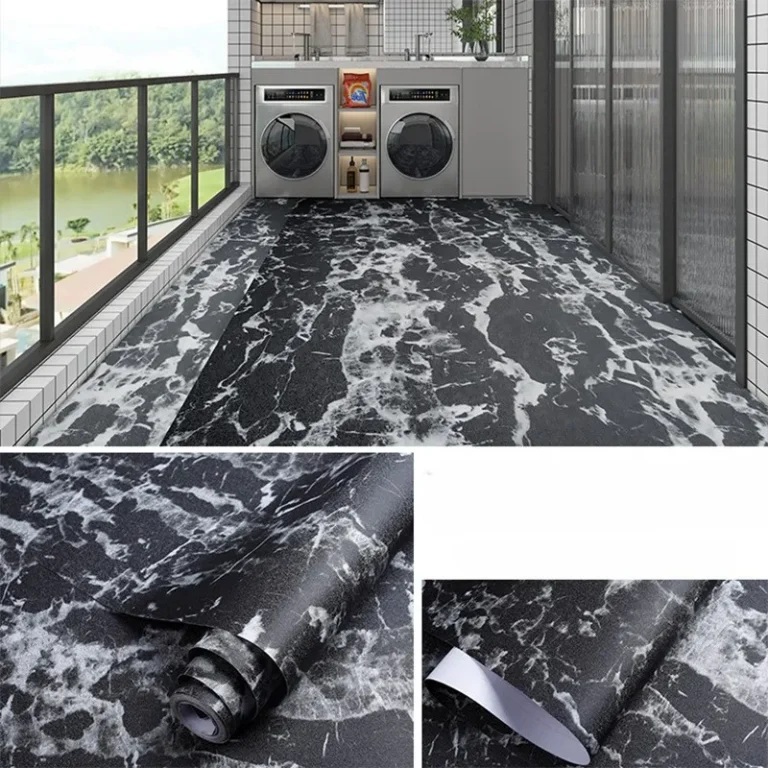
PVC film slitting is a critical conversion step that turns wide calendered rolls into customer-ready widths. Efficient slitting improves yield, reduces waste and ensures consistent edge quality for downstream converting processes like printing, laminating and packaging.
What Is PVC Film Slitting and Why It Matters
PVC film slitting is the process of cutting a large-diameter parent roll into multiple narrower rolls with precise widths and clean edges. Proper slitting preserves surface finish, maintains dimensional stability, and helps meet strict tolerance requirements for packaging, flooring, furniture wrap and protective films.
Key Benefits
- Optimized material utilization — reduces scrap and maximizes roll yield.
- Faster downstream handling — smaller rolls are easier to ship and convert.
- Improved product quality — consistent edge trim and tension control prevent defects.
Core Components of a PVC Film Slitting Line
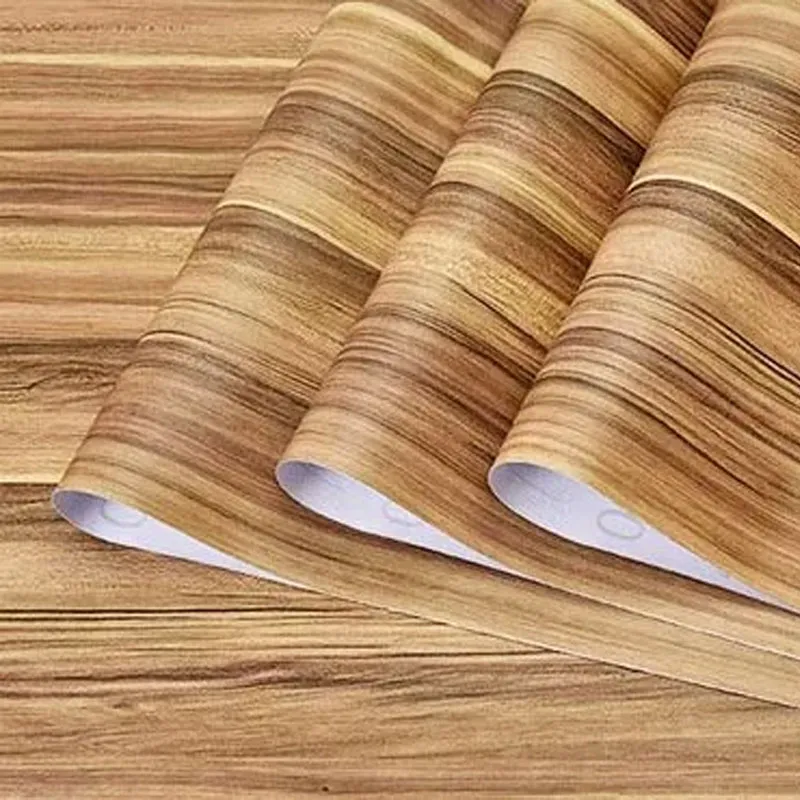
Understanding each component helps you configure the line for different PVC film types (glossy, matte, embossed, wood grain, self-adhesive).
- Unwind stand — supports parent roll, equipped with pneumatic brakes or dancer systems for tension control.
- Edge guide / web aligner — keeps the film centered to prevent telescoping and off-width cuts.
- Slitting unit — rotary blades, razor blades or shear knives depending on film thickness and coatings.
- Rewind stations — multiple shafts for rewinding slit rolls with controlled tension and roll diameter management.
- Waste collection — efficient edge trim removal and vacuum or conveyor scrap handling.

Choosing the Right Blade & Cutting Method
The optimal blade depends on film thickness, surface finish and adhesive layers:
- Rotary slitter blades — best for medium to heavy calendered films, long life and clean cuts.
- Razor slitting — good for ultra-thin, coated or delicate surface films to avoid edge fraying.
- Shear slitting — for thicker laminated films where scissor-like action prevents distortion.
Typical Parameters to Optimize
Monitor these variables closely to improve throughput and reduce rewinds:
- Tension (N/m or lbs) — adjust per film stiffness and width.
- Blade speed (m/min) — match to film gauge and web handling limits.
- Knife overlap / clearance — set to avoid burrs and ensure straight edges.
- Rewind torque and roll diameter setpoints — prevent telescoping and core slippage.
Quick Reference: Recommended Slitting Settings
| Film Type |
Blade Type |
Tension |
Speed (m/min) |
| Thin PVC (20–60 µm) |
Razor |
Low–Medium |
50–150 |
| Standard PVC (60–200 µm) |
Rotary |
Medium |
80–220 |
| Thick / Laminated PVC (>200 µm) |
Shear / Rotary heavy-duty |
Medium–High |
40–120 |
Quality Control Best Practices
Implement a repeatable QC routine to ensure every batch meets spec:
- Edge inspection for frays, burrs and delamination.
- Random width checks across the roll (start, middle, end).
- Adhesion tests for self-adhesive films after slitting.
- Core and winding inspection to avoid telescoping.
Common Troubleshooting & Fixes
- Wavy edges: reduce web tension variance and improve edge guiding.
- Burrs or ragged edges: replace or sharpen blades; check blade overlap.
- Telescoping rolls: rebalance rewind tension and ensure even winding pressure.
- Static-related handling issues: use ionizers or anti-static bars before slitting.
Safety & Operational Tips
Prioritize operator safety with guarded blade housings, lockout/tagout for blade changes, and training on roll handling. Scheduled maintenance on bearings, brakes and blade holders reduces unplanned downtime.
Manufacturer & OEM Support
For turnkey slitting solutions, OEM customization and reliable supply chain support, consider partnering with Pulivk via https://pvcfilmtec.com/.
Final Checklist Before Running a Production Shift
- Verify blade type and sharpness for the film grade.
- Set and calibrate tension across unwind and rewind.
- Confirm edge guide alignment and width program entries.
- Run a short test roll and inspect edges, wound roll geometry and print registration (if applicable).
If you follow these setup, process control and maintenance guidelines, your PVC film slitting operations will run more consistently, reduce material waste and deliver higher-quality slit rolls to your customers.