Address
304 North Cardinal St.
Dorchester Center, MA 02124
Work Hours
Monday to Friday: 7AM - 7PM
Weekend: 10AM - 5PM
Address
304 North Cardinal St.
Dorchester Center, MA 02124
Work Hours
Monday to Friday: 7AM - 7PM
Weekend: 10AM - 5PM


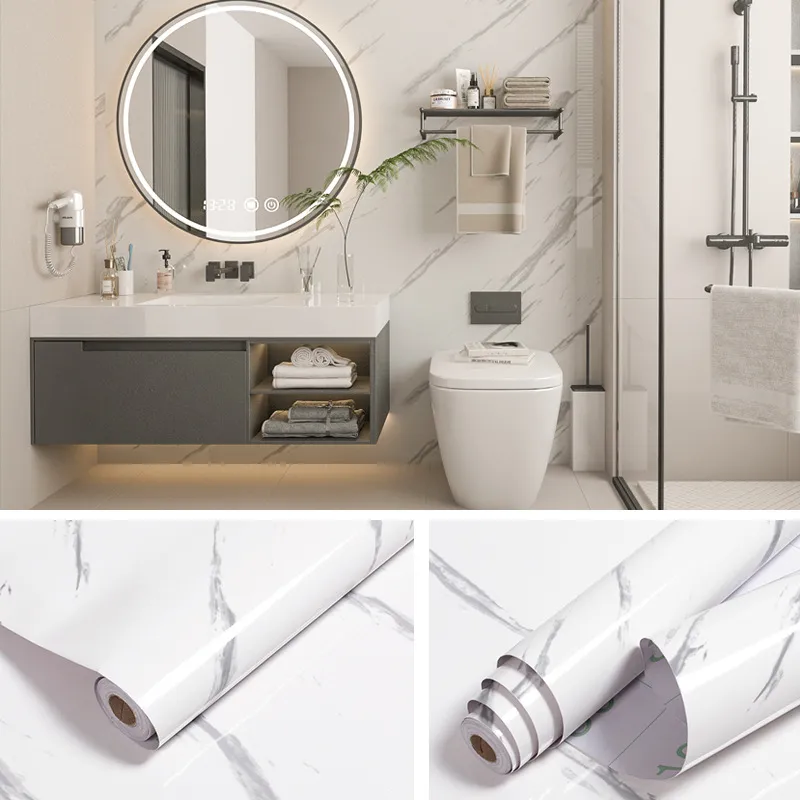
PVC film is a versatile substrate used in packaging, interior decoration, floor and wall applications, and labels. Achieving consistent adhesion and high-quality printing requires the right surface treatment — this guide explains proven methods, practical workflows, and quick testing tips to help converters, printers, and OEMs get repeatable results.
PVC film often presents adhesion problems due to low surface energy, glossy finishes, plasticizers, or protective release liners. Understanding the root cause helps you choose the most effective treatment:
Below are the most widely used treatments for improving adhesion and printability on calendered and cast PVC films.
Corona is a fast, cost-effective method that increases surface energy by creating polar sites on the film surface. Typical gains: from ~28–32 dynes/cm untreated to 42–56+ dynes/cm after treatment depending on power and dwell time.
Low-pressure or atmospheric plasma provides more uniform, controllable activation, with minimal heat. Great for specialty finishes and sensitive films—useful where corrosion or thermal damage is a concern.
Flame raises surface energy by brief oxidation. It is effective for some PVC grades but requires skilled operators and strict safety and process controls to avoid scorching or uneven treatment.
Primers are solvent or water-based formulations applied before printing or lamination. They work well when plasma/corona alone is insufficient, especially for flexographic inks, digital coatings, or laminated constructions.
Light abrasion increases micro-roughness for mechanical adhesion. Use fine abrasive pads and clean thoroughly afterward. Best as a complement to chemical priming for pressure-sensitive adhesives.
Simple, essential step: remove oils, dust, and release agents with isopropyl alcohol or mild solvent wipes. Always allow full evaporation before subsequent treatments or printing.
Ozone (often generated during corona/plasma) and UV exposure can enhance surface polarity and cure specialty primers or inks — useful in integrated printing lines.
| Method | Typical Surface Energy | Best For | Pros / Cons |
|---|---|---|---|
| Corona | +10–25 dynes/cm | Roll-to-roll printing, adhesives | Fast, inline; may lose effect over time if contaminants present. |
| Plasma | Variable, precise control | High-value, specialty films | Uniform activation; equipment cost higher. |
| Flame | Moderate increase | Robust films where heat safe | Effective but requires safety controls; uneven on textured surfaces. |
| Primer / Coating | Depends on formulation | Adhesive bonding, digital inks | Tailored chemistry; adds process step and cost. |
| Abrasion / Cleaning | Improves mechanical interlock | PSA, laminates, small-batch prep | Low tech; manual variance possible. |
Use corona or plasma to ensure ink wetting. Select inks formulated for PVC and consider a primer for high-speed runs. Maintain proper anilox and doctor settings to avoid poor laydown on glossy films.
Screen inks often tolerate slightly lower surface energy but benefit from abrasion + primer for long-term adhesion. Curing (oven or UV) must be adequate for plasticizers.
UV-curable inks require very good wetting and cure control. Corona or plasma plus a compatible primer usually yields the best adhesion and scratch resistance for rigid and flexible PVC films.
Adhesion is strongly affected by surface energy and contamination. Combine solvent wipe, corona treatment, then allow minimal shelf time before lamination. For flexible PVC with plasticizers, use primers designed for migration resistance.
Treatments such as flame and solvents require proper ventilation, exhaust control, and operator PPE. Ensure your line has spark/ignition safeguards for flame systems and handle primers and solvents according to their safety data sheets.
For manufacturers and brands sourcing PVC film, Pulivk offers full in-house production capabilities including calendering, printing, split-packaging, and OEM customization to help achieve consistent surface quality and faster lead times. Learn more at https://pvcfilmtec.com/.