Address
304 North Cardinal St.
Dorchester Center, MA 02124
Work Hours
Monday to Friday: 7AM - 7PM
Weekend: 10AM - 5PM
Address
304 North Cardinal St.
Dorchester Center, MA 02124
Work Hours
Monday to Friday: 7AM - 7PM
Weekend: 10AM - 5PM


 ByPulivk
Polyvinyl chloride (PVC) film has become an indispensable material across countless industries, offering a unique combination of durability, versatility, and cost-effectiveness. From transforming interior spaces with decorative surfaces to providing robust protective layers in industrial settings, PVC films deliver performance that meets both aesthetic and functional demands. Understanding the different types available, their specific applications, and the tangible benefits they offer is the first step toward making an informed procurement decision. Whether you are sourcing for furniture manufacturing, construction projects, or specialized industrial uses, selecting the right film can significantly impact product quality, longevity, and overall project cost.
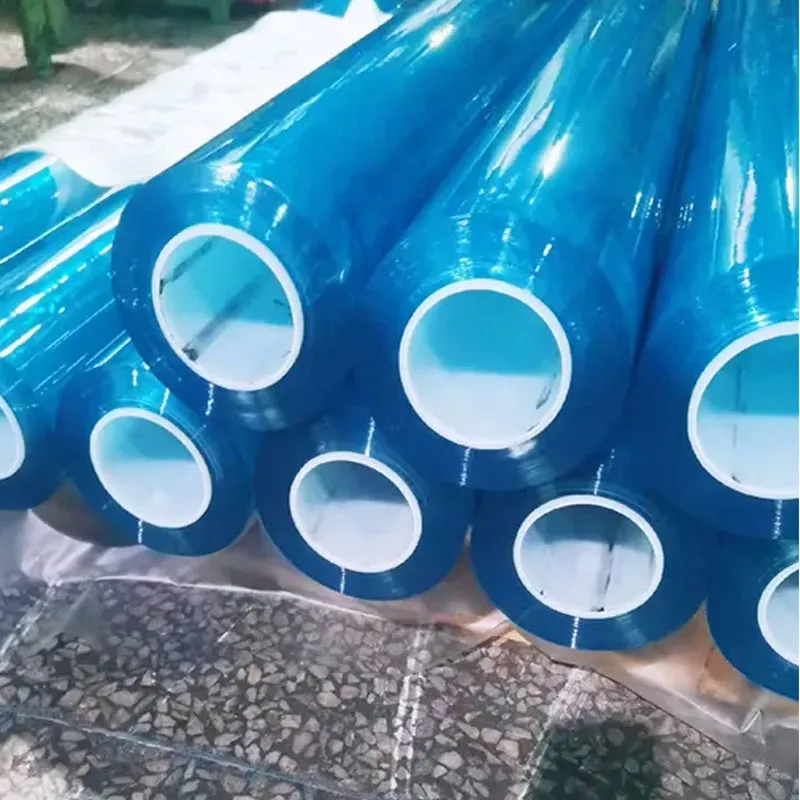
PVC films are not a one-size-fits-all solution. The manufacturing process, formulation, and surface treatment define their characteristics, making certain types better suited for specific environments. Broadly, the industry categorizes PVC film based on production method and end-use performance. Calendered film is produced through a process that involves passing heated PVC compounds through a series of rollers, resulting in a consistent thickness and smooth surface finish. This type excels in applications requiring uniformity, such as transparent packaging, medical barriers, and decorative overlays. Within the calendered category, you will find transparent films, frosted films, pearlescent films, and antistatic variants, each engineered for specific functional requirements.
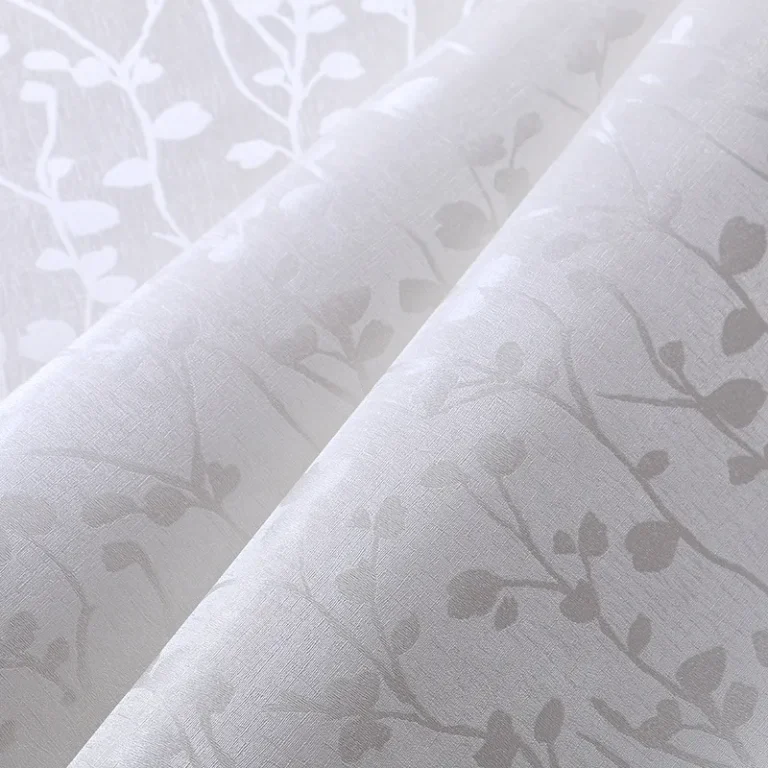
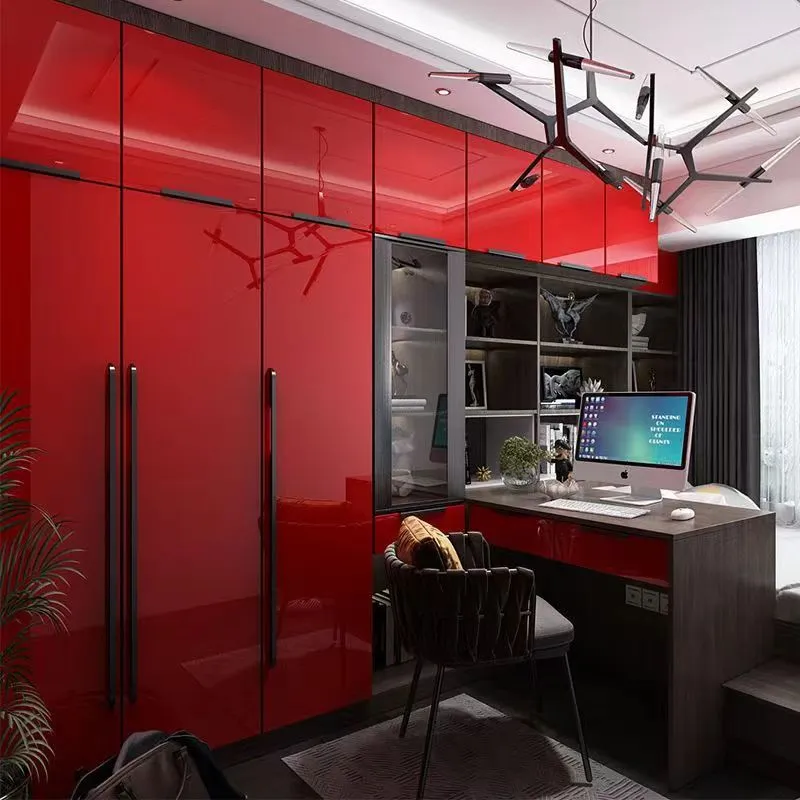
Another significant category includes specialty decorative films. These are designed primarily for visual appeal and surface protection. Wood grain film replicates the look of natural timber, while stone grain and metal films offer realistic alternatives to expensive materials. Surface textures range from high-gloss to matte, soft-touch, and deeply embossed 3D relief patterns. Films in this category often incorporate advanced coatings for scratch resistance, UV stability, and anti-fingerprint properties, making them ideal for furniture surfaces, interior doors, and wall panels. The table below outlines some common PVC film types and their primary characteristics.
| Film Type | Key Characteristics | Common Applications |
|---|---|---|
| Calendered Transparent Film | High clarity, uniform thickness, flexible | Packaging, medical barriers, stationery |
| Wood Grain Decorative Film | Realistic wood texture, scratch-resistant, UV-stable | Furniture surfaces, interior doors, cabinets |
| Marble and Stone Grain Film | Authentic stone appearance, lightweight, easy to install | Wall panels, columns, architectural decoration |
| Antistatic Film | Dissipates static electricity, protects sensitive components | Electronics packaging, cleanroom environments |
| 3D Embossed Texture Film | Deep tactile patterns, premium visual depth, durable | High-end furniture, decorative panels, retail displays |
| Floor Protection Film | Wear-resistant, waterproof, slip-resistant options | Residential and commercial flooring, temporary protection |
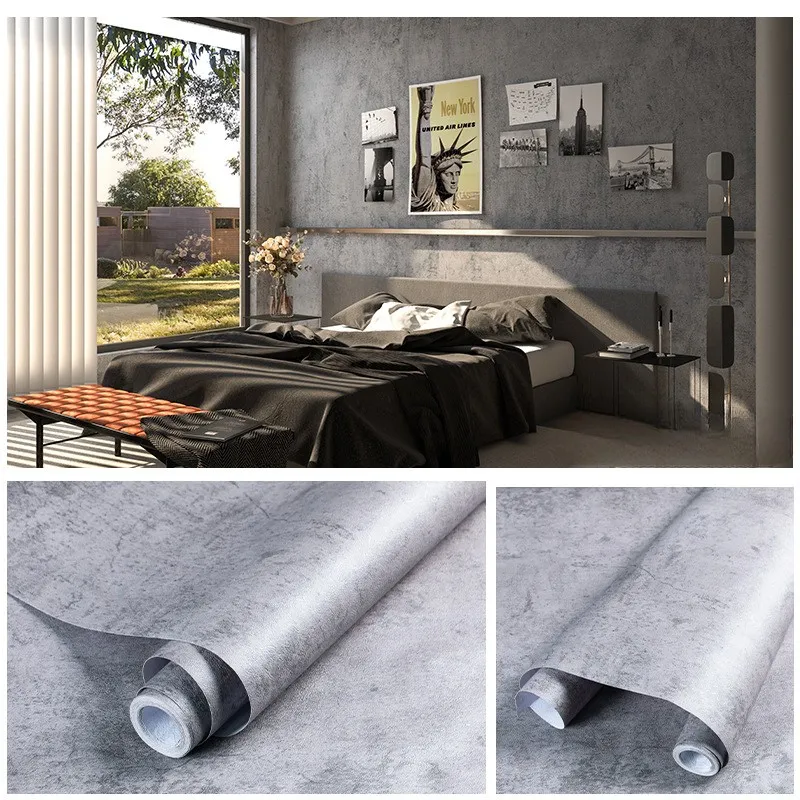
The adaptability of PVC film is evident in its widespread use across diverse sectors. In the furniture manufacturing industry, decorative PVC films have revolutionized surface finishing by providing a cost-effective alternative to solid wood, veneer, and high-pressure laminates. Cabinets, wardrobes, shelves, and tabletops benefit from films that offer consistent color, pattern repeatability, and resistance to daily wear. The floor film segment addresses both permanent flooring solutions and temporary protective coverings during construction or renovation.
In the building and construction sector, PVC films serve as decorative wall coverings, ceiling materials, and partition surfaces. Stone pattern and solid color films allow architects and interior designers to achieve high-end aesthetics without the structural load or cost of natural materials. The electronics industry relies on antistatic and protective films to safeguard sensitive components during manufacturing and transport. Furthermore, the advertising and exhibition industries utilize printable PVC films for lightboxes, banners, and promotional displays. Medical and cleanroom environments demand films with antibacterial properties and easy sterilization, while household goods such as tablecloths, shower curtains, and shelf liners benefit from waterproof and easy-to-clean PVC surfaces.
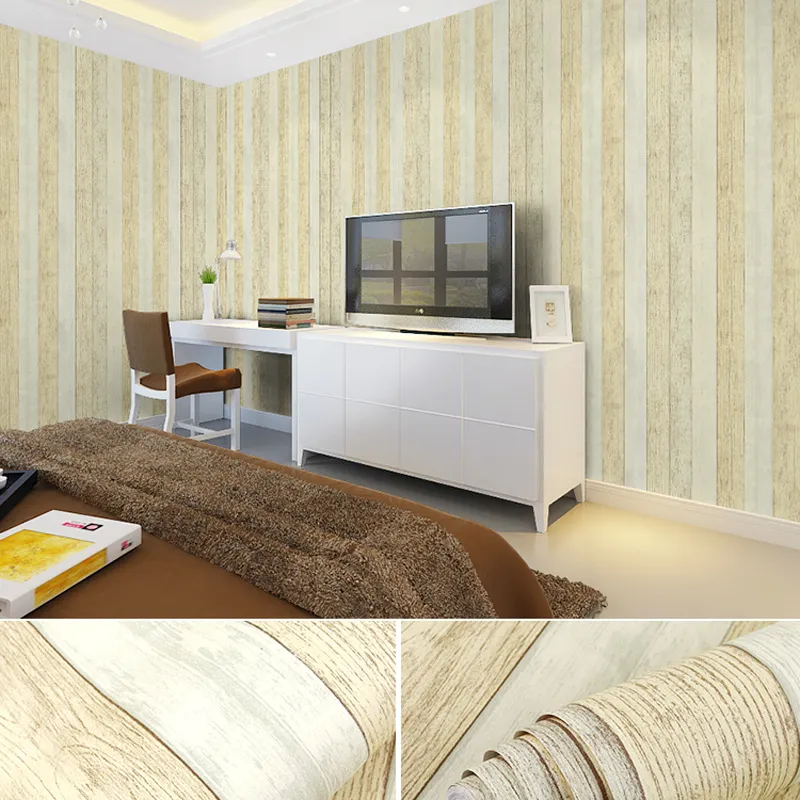
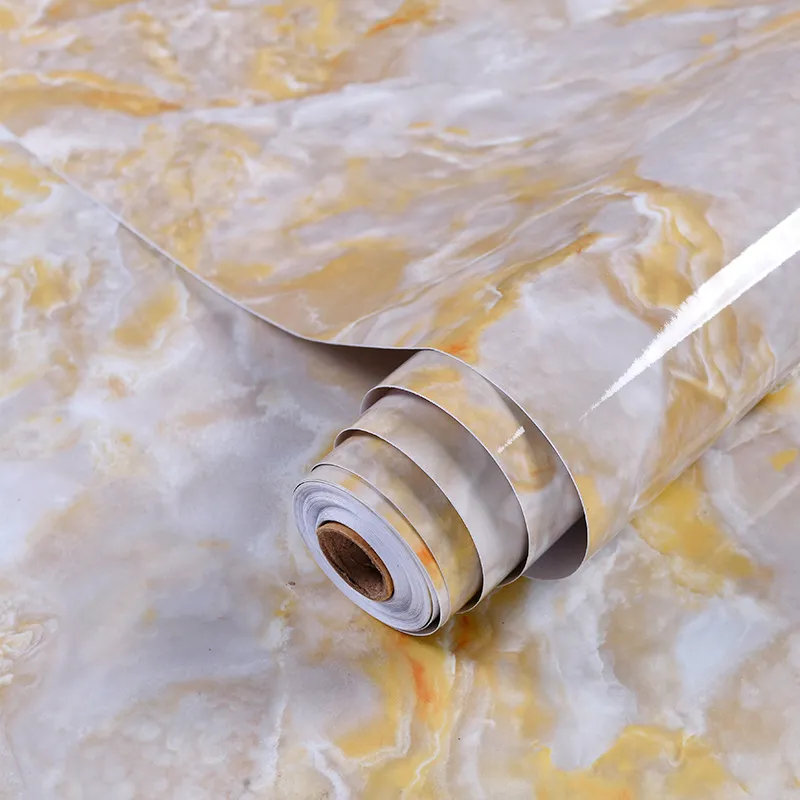
The widespread adoption of PVC films is driven by clear, measurable advantages that directly impact both manufacturing efficiency and end-user satisfaction. One of the most compelling benefits is cost efficiency. Compared to natural materials like solid wood, stone, or metal, PVC decorative films provide a nearly identical visual appearance at a fraction of the cost. This allows manufacturers to offer premium-looking products at competitive price points without compromising on perceived quality. Beyond material savings, the lightweight nature of PVC films reduces shipping costs and simplifies handling during installation.
Durability and longevity are equally significant. Modern PVC films are engineered with advanced additives that enhance resistance to UV radiation, preventing yellowing and gloss loss over time. Scratch-resistant and abrasion-resistant coatings ensure that surfaces maintain their appearance even under heavy use in commercial environments. For applications in humid areas such as bathrooms and kitchens, waterproof and moisture-resistant formulations prevent delamination and swelling, extending the lifespan of furniture and interior finishes. The ease of cleaning and maintenance—typically requiring only a damp cloth and mild detergent—further adds to the practical value for end users.
Design flexibility is another standout advantage. With thousands of patterns, colors, and textures available, PVC films can replicate virtually any material or create entirely unique aesthetics. From realistic marble film veining to intricate 3D silk textures, the design possibilities are nearly limitless. Custom color matching and pattern development enable brands to create signature looks that differentiate their products in the market. Additionally, many PVC films today are formulated to meet international environmental standards such as RoHS and REACH, with lead-free and phthalate-free options available for manufacturers committed to sustainability.
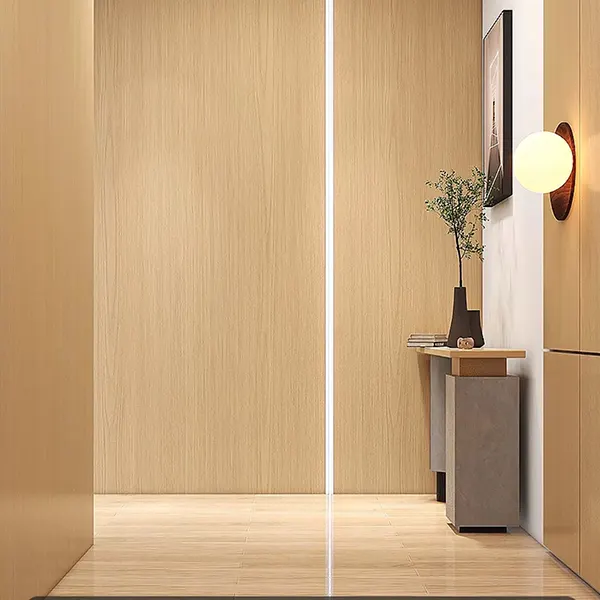
Selecting the optimal PVC film requires a systematic evaluation of your specific application requirements, environmental conditions, and performance expectations. The decision-making process should begin with a clear understanding of the substrate material to which the film will be applied. PVC films adhere well to MDF, particleboard, plywood, glass, metal, and certain plastics, but the surface preparation and recommended lamination method—whether cold lamination with adhesive or hot lamination using vacuum pressing—may vary depending on the combination of film and substrate.
Next, consider the environmental exposure the finished product will face. For indoor furniture in climate-controlled spaces, standard decorative films with good scratch resistance may suffice. However, for applications exposed to direct sunlight, high humidity, or temperature fluctuations, films with enhanced UV stabilizers and moisture barriers become essential. Outdoor applications demand formulations specifically designed to resist weathering, thermal expansion, and prolonged UV exposure. Similarly, high-traffic floor areas require films with superior abrasion resistance and, in some cases, slip-resistant surface textures.
Evaluate the aesthetic and tactile requirements of your project. The choice between high-gloss, matte, soft-touch, or deeply embossed finishes will influence not only the visual impact but also the perceived quality and user experience. Sample evaluation is strongly recommended before committing to a bulk order, as it allows you to assess color accuracy, texture feel, and how the film performs under your specific processing conditions. Pay close attention to technical specifications such as film thickness, width availability, and the relevant ASTM PVC Film Standard testing data that confirms tensile strength, tear resistance, and dimensional stability. Partnering with a manufacturer that offers flexible OEM services and consistent quality control across the entire production chain can significantly reduce sourcing risks.
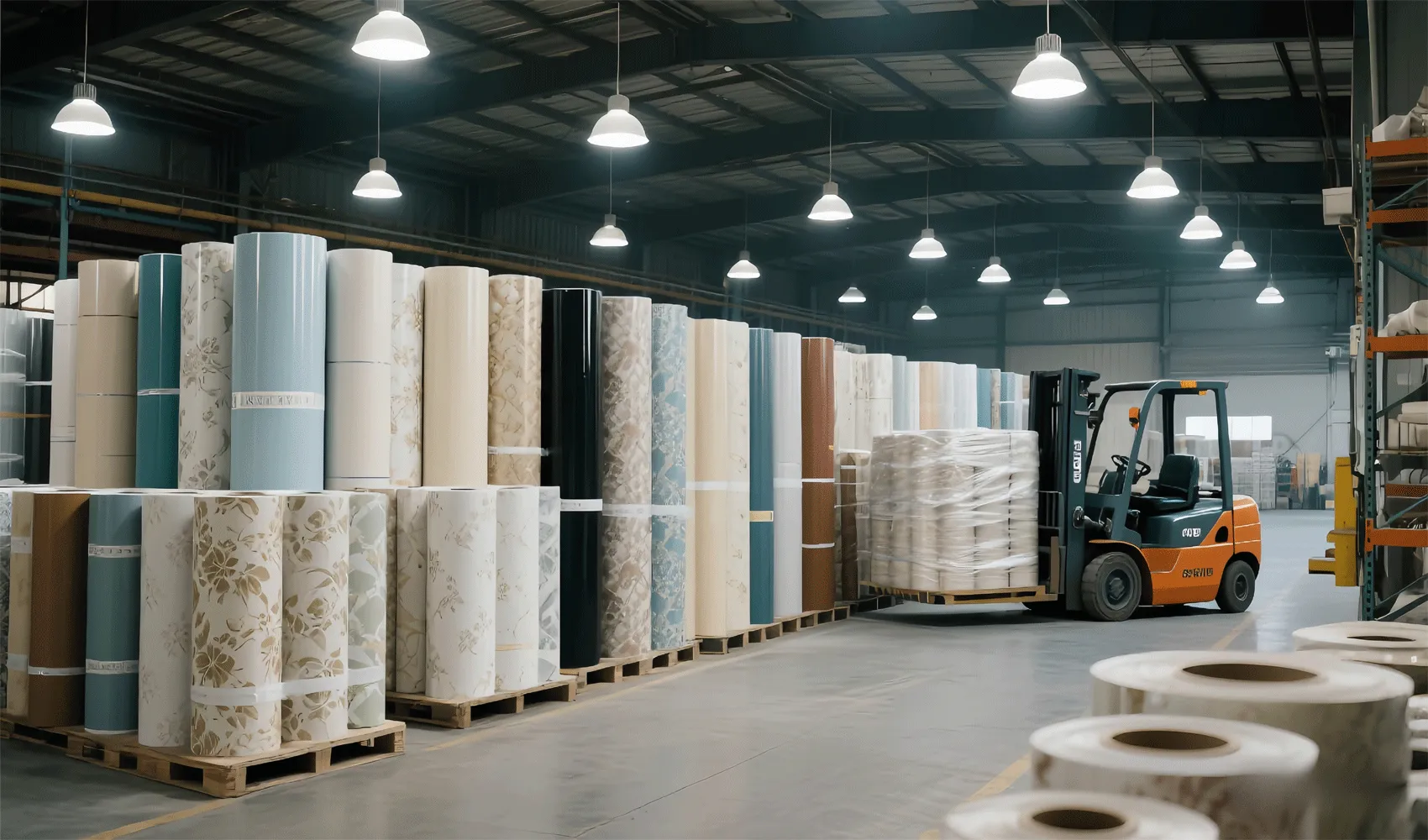
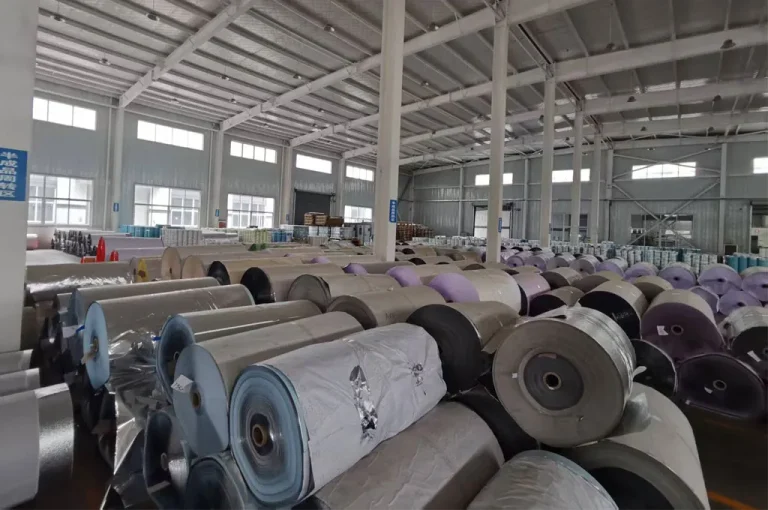
Henan Pulivk New Materials Co., Ltd. operates a fully integrated production facility equipped with advanced calendering lines, printing lines, and split-packaging lines, ensuring complete quality control from raw material processing to finished packaging. With years of experience supplying diverse markets across Southeast Asia, the Middle East, Europe, and beyond, the company supports flexible OEM and customization requirements, offering tailored sizes, colors, prints, and packaging options for private label and custom orders.
| Criterion | Questions to Ask | Recommended Specification |
|---|---|---|
| Substrate Compatibility | What material will the film be applied to? | MDF, plywood, glass, metal, or plastic |
| Environmental Resistance | Indoor or outdoor? Humid or dry conditions? | UV-stabilized, moisture-resistant formulations |
| Surface Durability | What level of wear and tear is expected? | Scratch-resistant coating, abrasion rating |
| Aesthetic Finish | Glossy, matte, textured, or embossed? | Matching gloss level and texture sample |
| Thickness and Width | What dimensions does your application require? | 0.03mm to 0.50mm thickness, up to 1500mm width |
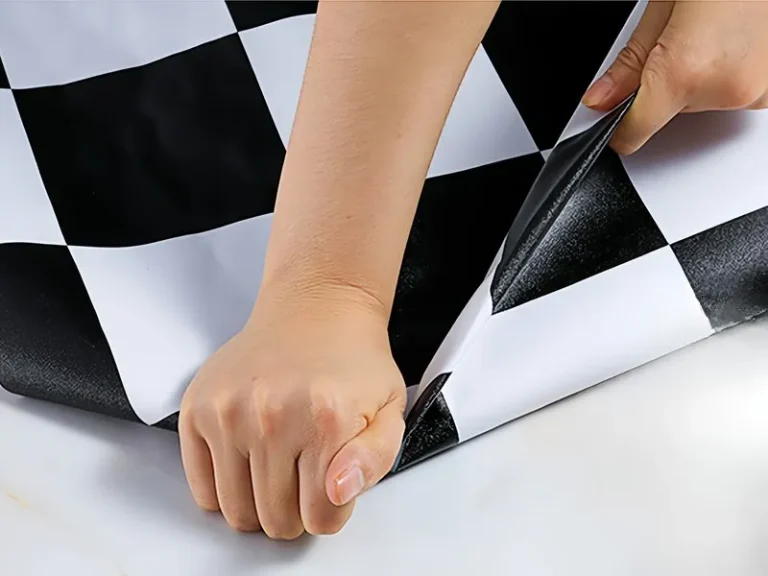
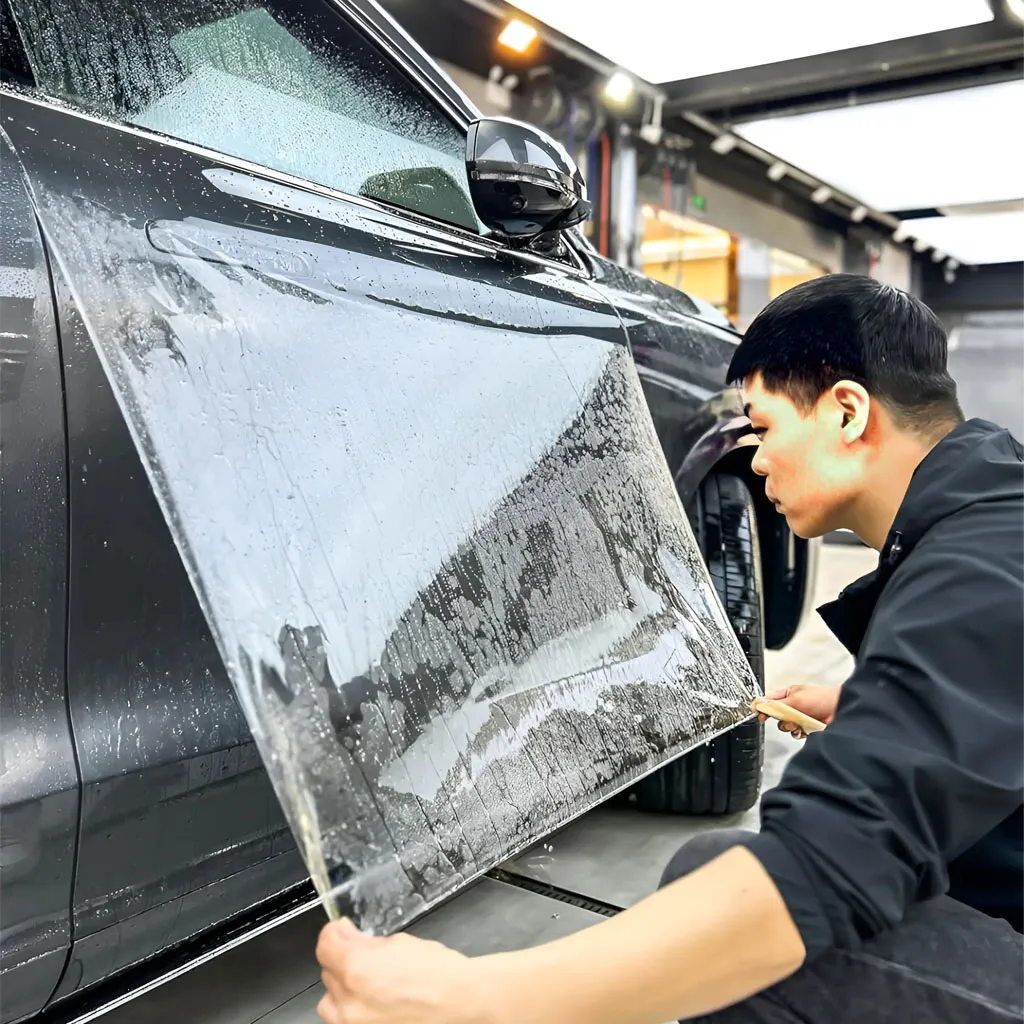
Proper application and maintenance are critical to maximizing the lifespan of PVC film surfaces. For lamination, manufacturers typically recommend either cold lamination with an environmentally friendly adhesive or hot lamination using a vacuum laminator with controlled heat and pressure. The chosen method should align with the film type and the substrate material. Post-installation, routine cleaning with a soft, damp cloth and a neutral detergent helps preserve the surface appearance. Avoid abrasive cleaners, steel wool, strong acids, and alkaline solutions, as these can scratch or chemically damage the film surface. When sourced from a reputable manufacturer with rigorous quality control, PVC films can deliver years of reliable service while maintaining their visual appeal and functional integrity.
The information provided in this guide is intended to serve as a practical reference for professionals seeking reliable PVC film solutions. For specific technical data, sample requests, or consultation on custom requirements, reaching out directly to a qualified manufacturer is always the best course of action.