Address
304 North Cardinal St.
Dorchester Center, MA 02124
Work Hours
Monday to Friday: 7AM - 7PM
Weekend: 10AM - 5PM
Address
304 North Cardinal St.
Dorchester Center, MA 02124
Work Hours
Monday to Friday: 7AM - 7PM
Weekend: 10AM - 5PM


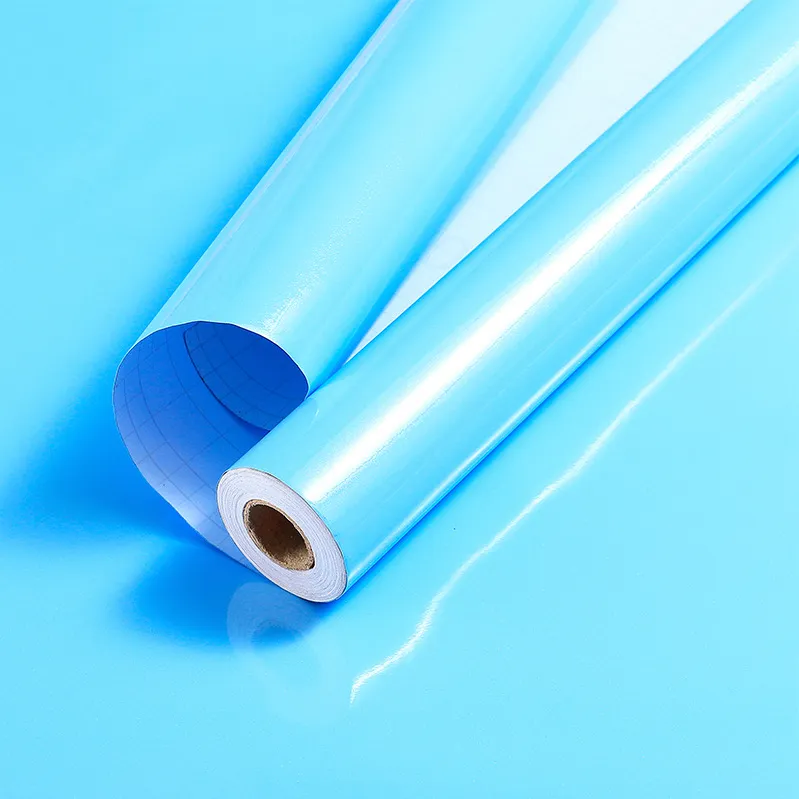
PVC film is a versatile, cost-effective plastic sheet used in decoration, packaging, and industrial applications. This guide explains common types, uses, benefits, and how to choose the right PVC film for your project—helpful whether you’re a manufacturer, interior designer, or DIY homeowner.
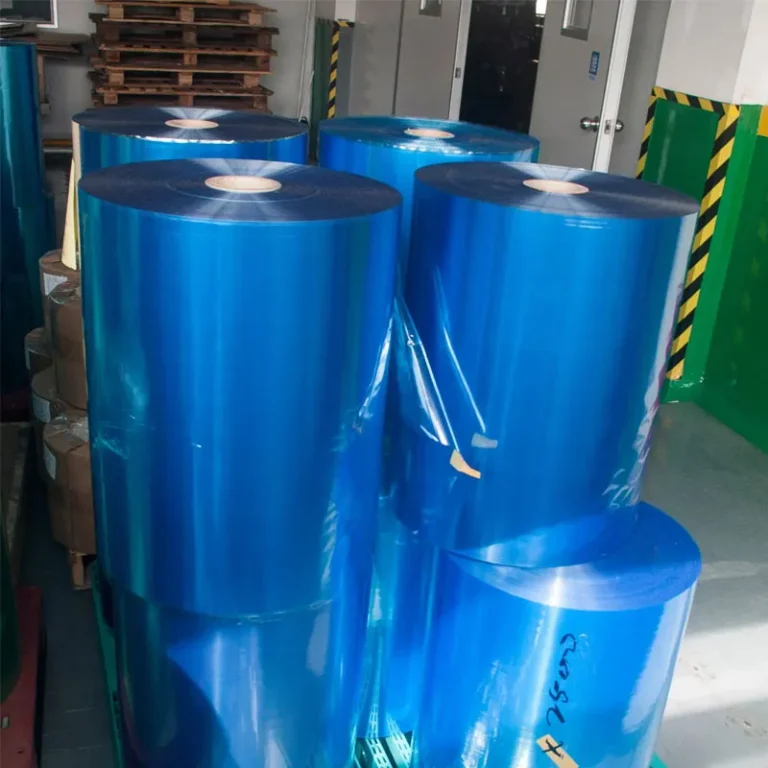
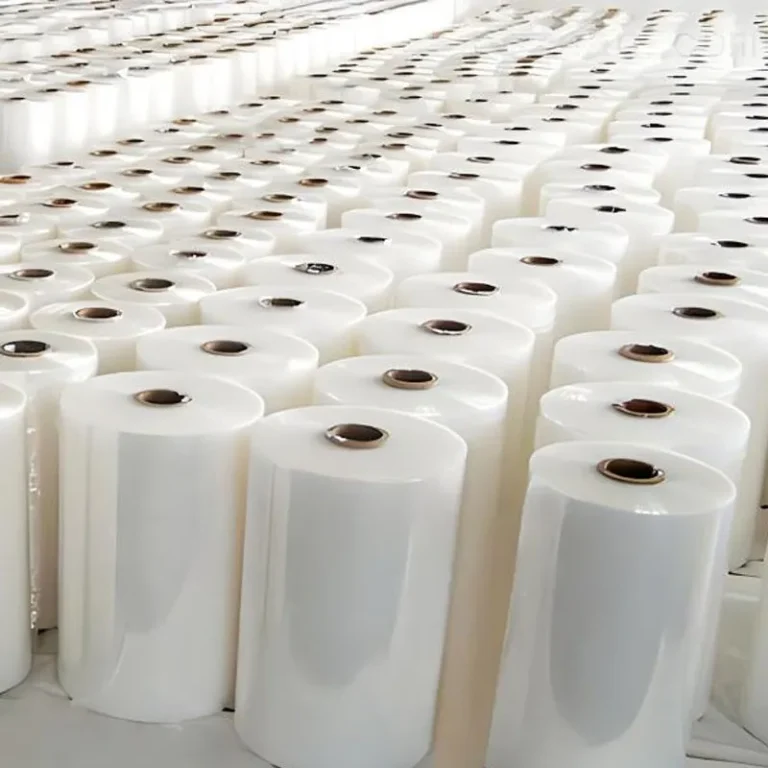
PVC (polyvinyl chloride) film is a thin, flexible plastic produced by calendering or casting. It comes in plain, printed, embossed, self-adhesive, and multi-layer varieties. Manufacturers value PVC film for its durability, wide range of finishes, and excellent printability.
Made by calendering, this film is suitable for decorative surfaces like furniture veneers and wall coverings. It offers consistent thickness and is cost-effective for large runs.
Cast film is smoother and has better dimensional stability—ideal for high-end cabinetry and applications requiring ultra-flat finishes.
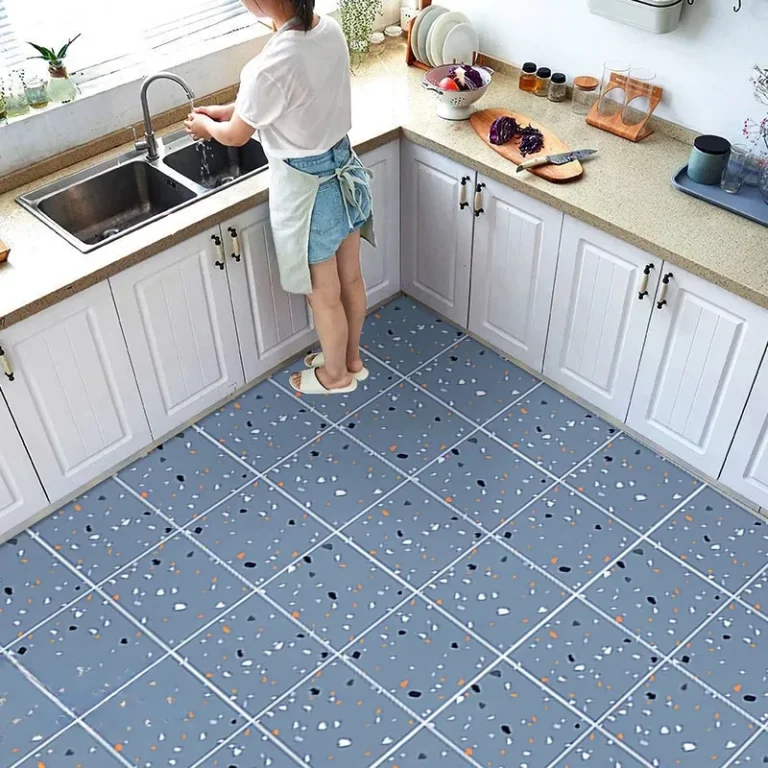
Pre-coated with adhesive for easy application on walls, doors, and DIY projects. Available in peel-and-stick forms for quick refurbishment.
Wood-grain, stone, brushed, and silk textures give surfaces realistic appearances without the weight or cost of natural materials.
Includes anti-oil (kitchen), anti-static (electronics), protective peel-off films, and multi-layer composite films used in packaging and industrial protection.
| Benefit | Why it matters |
|---|---|
| Affordability | Lower cost than natural materials while providing similar aesthetics. |
| Durability | Resistant to scratches, moisture, and wear—suitable for high-traffic areas. |
| Customization | Available in countless colors, patterns, and textures; easy to print and emboss. |
| Easy application | Self-adhesive and peel-off options reduce labor and installation time. |
| Lightweight & flexible | Suitable for curved surfaces and simple retrofits without heavy structural changes. |
Different uses require different properties. For kitchens and bathrooms choose anti-oil or waterproof finishes; for furniture facings prefer calendered or cast films.
Film thickness (measured in microns or mils) affects durability. Thicker films resist wear better; protective peel-off films are usually thinner to be removed after installation.
Glossy, matte, satin, or textured finishes change the look and maintenance profile. Gloss hides less but is easier to wipe; matte hides fingerprints.
Permanent adhesive for long-term installations; removable adhesives for temporary or rental-friendly renovations.
If you need custom patterns or private labels, confirm the supplier supports printing, embossing, and tailored colors.
For furniture and interiors, ask about formaldehyde, phthalate limits, flame retardant ratings, and other regional safety standards.
Confirm minimum order quantities and whether split-roll packaging is available for smaller orders. Also verify protective wrapping for overseas shipping.

PVC can present recycling challenges; choose suppliers offering take-back programs or recyclable film grades where available. For indoor use, ask about low-VOC formulations and phthalate-free options to reduce indoor air concerns. For high-risk environments, select certified flame-retardant grades.
Pulivk — Henan Pulivk New Materials Co., Ltd. operates a full in-house production line with calendering, printing, and split-packaging capabilities, offering OEM support, stable lead times, cost-effective sourcing, and multiple quality control checkpoints. Visit https://pvcfilmtec.com/ for product details and custom inquiries.
Choosing the right PVC film means balancing aesthetics, durability, and budget. Prioritize samples, discuss customization options, and select a reliable supplier to ensure consistent results across your projects.