Address
304 North Cardinal St.
Dorchester Center, MA 02124
Work Hours
Monday to Friday: 7AM - 7PM
Weekend: 10AM - 5PM
Address
304 North Cardinal St.
Dorchester Center, MA 02124
Work Hours
Monday to Friday: 7AM - 7PM
Weekend: 10AM - 5PM


PVC film and ABS are two widely used materials in decoration, packaging, and manufacturing. Understanding their differences helps designers, buyers, and installers choose the right material for durability, cost, and appearance. This guide compares PVC film vs ABS material, explains typical uses, and gives practical recommendations so you can pick the best option for your project.
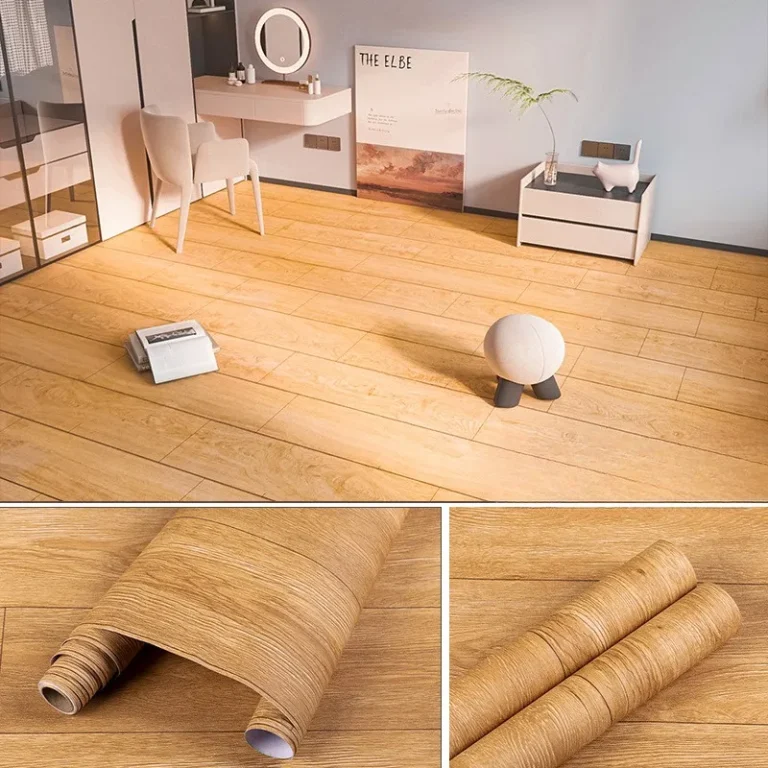
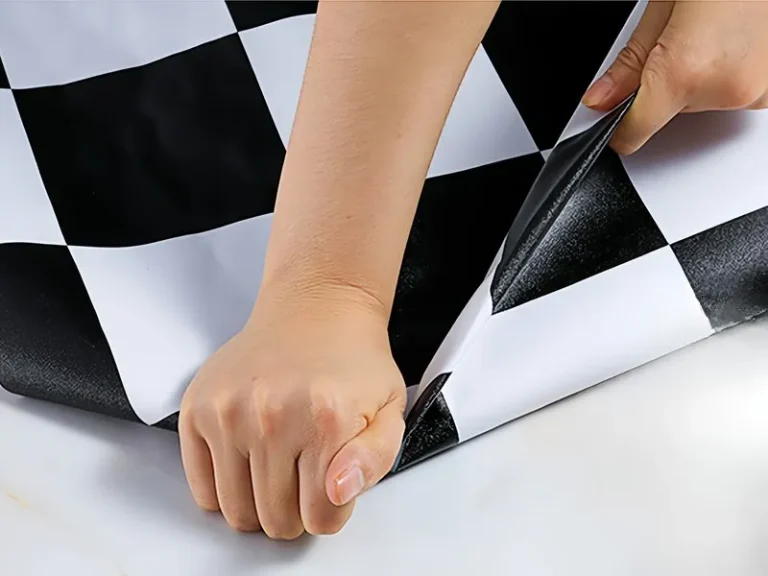
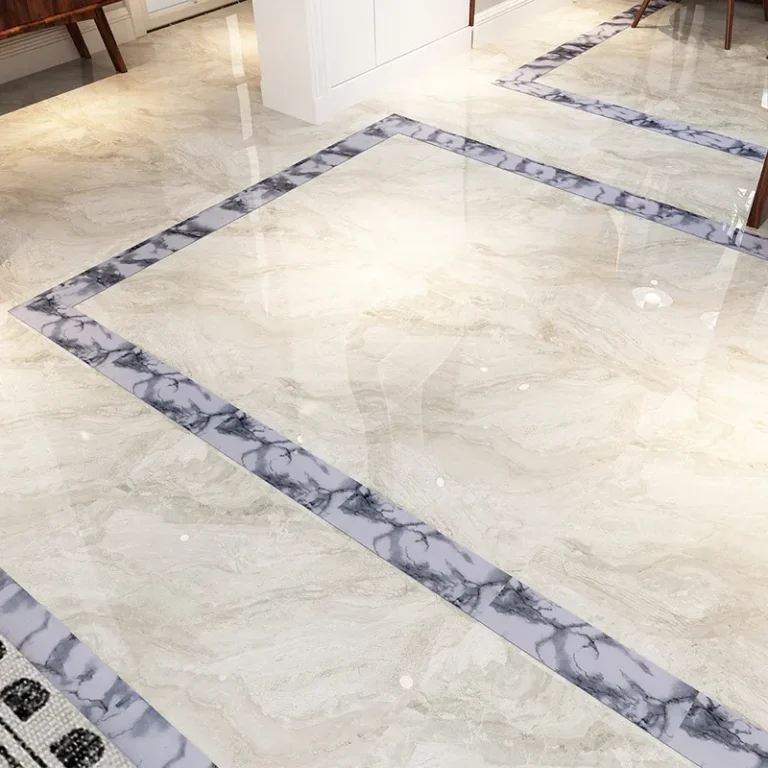
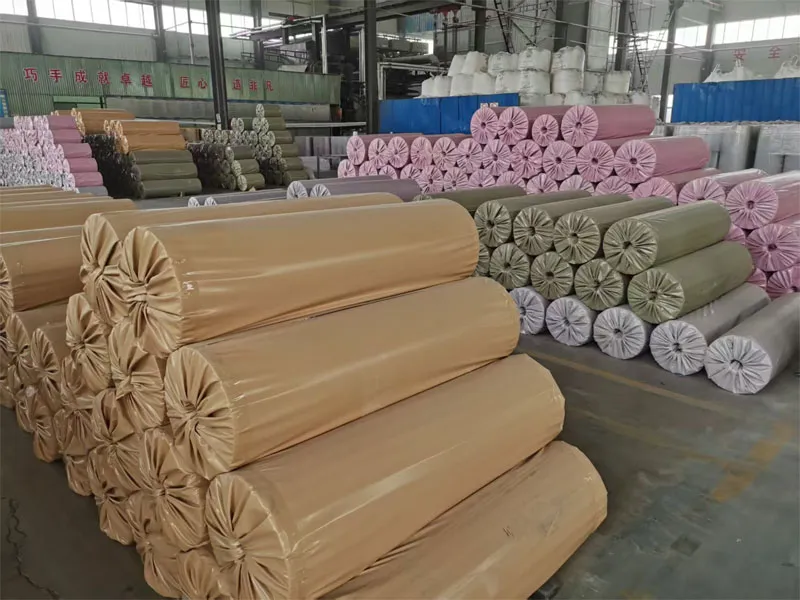
PVC (polyvinyl chloride) film is a thin, flexible sheet often produced by calendaring or extrusion. It comes in many finishes—glossy, matte, embossed (wood grain, stone, silk texture), self-adhesive, and more. PVC film is designed mainly for surface decoration and protection rather than structural applications.
ABS (Acrylonitrile Butadiene Styrene) is a rigid thermoplastic known for impact resistance, dimensional stability, and heat tolerance. ABS is commonly used for molded parts, automotive components, electronics housings, and consumer goods where mechanical strength matters.
| Feature | PVC Film | ABS |
|---|---|---|
| Flexibility | Very flexible — wraps surfaces | Rigid — not suitable for wrapping |
| Appearance options | Extensive prints/textures/finishes | Limited patterns; painted/coated |
| Durability | Good for surfaces; moderate wear resistance | High impact and wear resistance |
| Cost | Generally lower | Higher material & processing cost |
| Typical use | Surface decoration, protective films, furniture wrap | Structural parts, housings, durable goods |
There is no universal “better” material — it depends on your priorities:
Pulivk (Henan Pulivk New Materials Co., Ltd., https://pvcfilmtec.com/) provides full in-house production of PVC films—including calendaring, printing, and split-packaging—so customers benefit from stable quality, flexible OEM options, and cost-effective manufacturing. For projects needing large volumes or custom prints, Pulivk supports tailored sizes, textures, and reliable lead times.
Can PVC film be used over ABS parts? Yes — PVC film can be laminated or adhered to ABS surfaces when the right adhesive and surface preparation are used, offering both durability and decorative variety.
Is PVC film heat-resistant? Standard decorative PVC film withstands normal indoor temperatures; for high-heat environments check specialized high-temperature grades or use ABS instead.
Which material has better longevity? ABS generally outlasts PVC film in structural applications; however, properly applied high-quality PVC film can maintain appearance for many years in decorative uses.