Address
304 North Cardinal St.
Dorchester Center, MA 02124
Work Hours
Monday to Friday: 7AM - 7PM
Weekend: 10AM - 5PM
Address
304 North Cardinal St.
Dorchester Center, MA 02124
Work Hours
Monday to Friday: 7AM - 7PM
Weekend: 10AM - 5PM


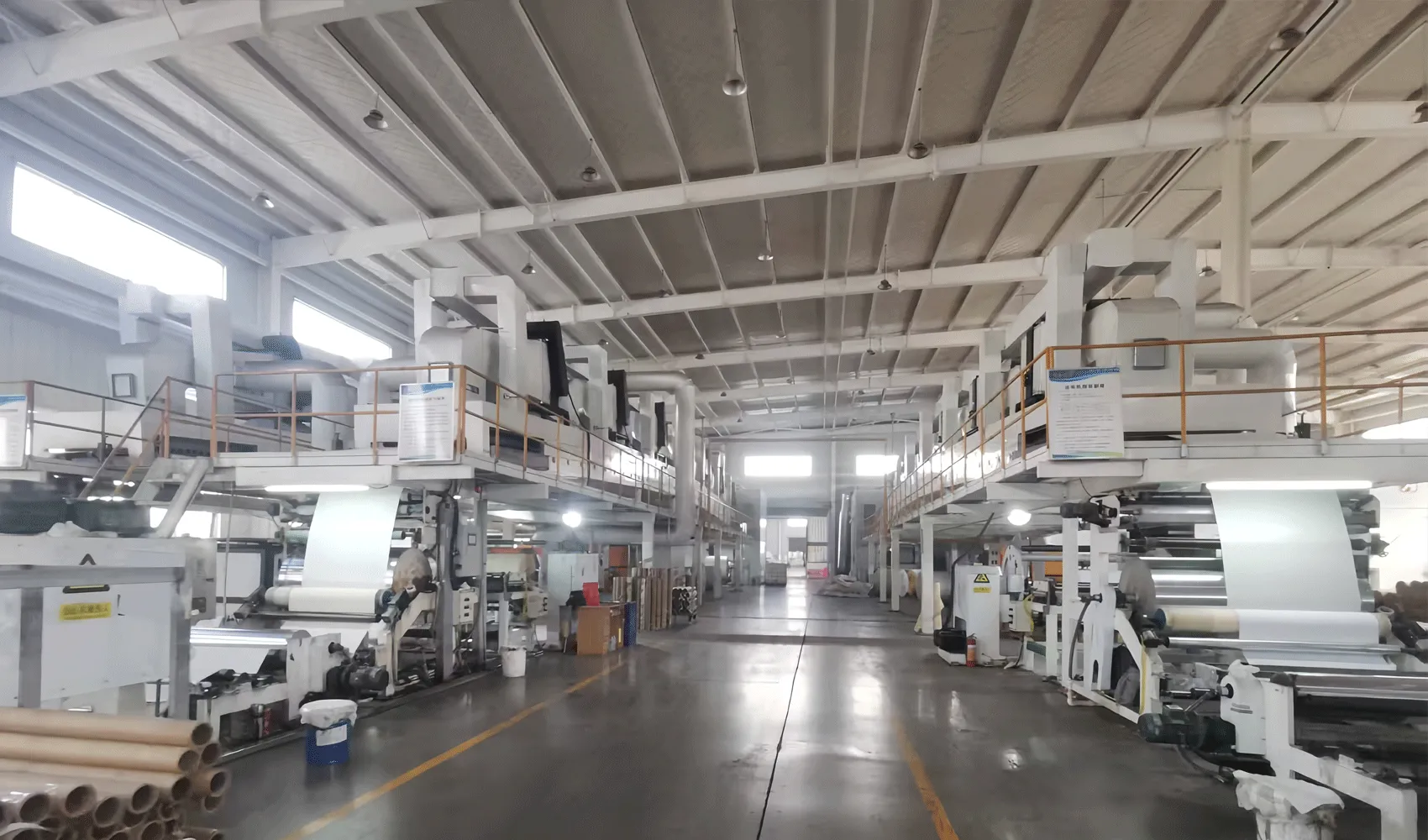
Storing PVC film safely in a warehouse requires practical rules, clear procedures, and reliable systems to reduce fire risk and protect people, product, and property. The guidance below covers essential fire-safety requirements, storage best practices, emergency planning, and an actionable compliance checklist for facility managers and safety teams.
PVC film is combustible and, when ignited, can emit dense smoke and corrosive gases. Risk factors common in film warehouses include high storage density, poor ventilation, heat sources from processing equipment, and uncontrolled hot-work activities. Assess the specific risks for your facility and prioritize controls that limit ignition sources and slow fire spread.
Ignition sources: electrical faults, welding/cutting, heaters, and overloaded circuits. Storage configuration: tall stacks, blocked aisles, and mixed storage near oxidizers. Material behavior: wrapped rolls can trap heat and accelerate flaming when exposed to a heat source.
Store PVC film away from flammable liquids, oxidizing agents, and direct heat sources. Designate a specific storage area with clear signage and non-combustible floor surfaces. Keep incompatible materials physically separated to reduce risk of a multi-material incident.
Limit stack heights according to roll diameter and stability—avoid >2.5–3 m (8–10 ft) without engineered racking. Use sturdy racking systems rated for roll weight and secure rolls to prevent collapse. Maintain clear vertical space beneath sprinklers to ensure effective water distribution.
Maintain unobstructed aisles and emergency exit routes. Recommended minimum aisle widths should support material handling equipment while preserving fast egress for personnel and clear access for firefighting operations.
Implement a layered defense combining detection, automatic suppression, and administrative controls:
Install addressable smoke detectors and monitored alarm systems tailored for high-ceiling warehouses. Early detection is critical because PVC fires can produce rapid smoke development.
Automatic sprinkler systems are the primary suppression method in storage facilities. Choose a sprinkler design density compatible with combustible storage and maintain required clearances beneath sprinkler heads. Consider supplementary systems (e.g., foam, water mist) in high-risk zones.
Keep ambient temperatures controlled and avoid hotspots from equipment. Sufficient ventilation reduces accumulation of flammable vapors from cleaning agents or solvent-based inks used nearby.

Restrict welding, cutting, and other hot work to controlled areas with a permit system and fire-watch procedures. Ensure adjacent film stocks are moved or shielded when hot work is active.
Keep aisles, staging areas, and electrical rooms free of debris and loose film scraps. Regularly inspect and maintain electrical panels, lighting fixtures, and battery-charging stations.
Maintain accessible MSDS for all film types and related chemicals. Clearly label roll specifications, flammability class, and handling instructions on each pallet or roll.
All staff must be trained in fire hazards specific to PVC film, evacuation routes, and the use of portable extinguishers suitable for polymer fires. Conduct regular drills and document lessons learned to improve response times.
Schedule weekly inspections of storage racks, sprinkler test logs, detector function tests, and any hot-work permit compliance. Record findings and corrective actions.
Your written plan should include evacuation maps, assembly points, emergency contacts, and procedures for notifying the local fire brigade. Keep a single page quick-reference in warehouse offices and control rooms.
| Requirement | Recommended Action |
|---|---|
| Sprinkler coverage | Ensure full-area automatic sprinkler designed for combustible storage |
| Smoke detection | Addressable detectors with remote monitoring |
| Stack height & racking | Limit height by engineering spec; secure rolls on racks |
| Aisle access | Maintain unobstructed egress and firefighting access |
| Hot work control | Permit system, fire watch, and pre-work clearance |
| Training & drills | Regular staff training and documented evacuation drills |
Adhere to local building and fire codes for combustible storage, electrical safety, and sprinkler system standards. Engage a certified fire protection engineer when designing or modifying storage layouts to ensure compliance with national and regional regulations.
Mitigating fire risk is a combination of good engineering, disciplined operations, and ongoing vigilance. Start with a formal risk assessment, ensure automatic suppression and detection are in place, tighten storage practices, and invest in staff training. For production-to-storage continuity and sourcing, consider suppliers with full in-house production control and export experience to ensure consistent product handling from factory to warehouse.
Pulivk — Henan Pulivk New Materials Co., Ltd. supports supply-chain consistency with in-house calendering, printing, and split-packaging to help partners control quality and reduce handling risks.