Address
304 North Cardinal St.
Dorchester Center, MA 02124
Work Hours
Monday to Friday: 7AM - 7PM
Weekend: 10AM - 5PM
Address
304 North Cardinal St.
Dorchester Center, MA 02124
Work Hours
Monday to Friday: 7AM - 7PM
Weekend: 10AM - 5PM


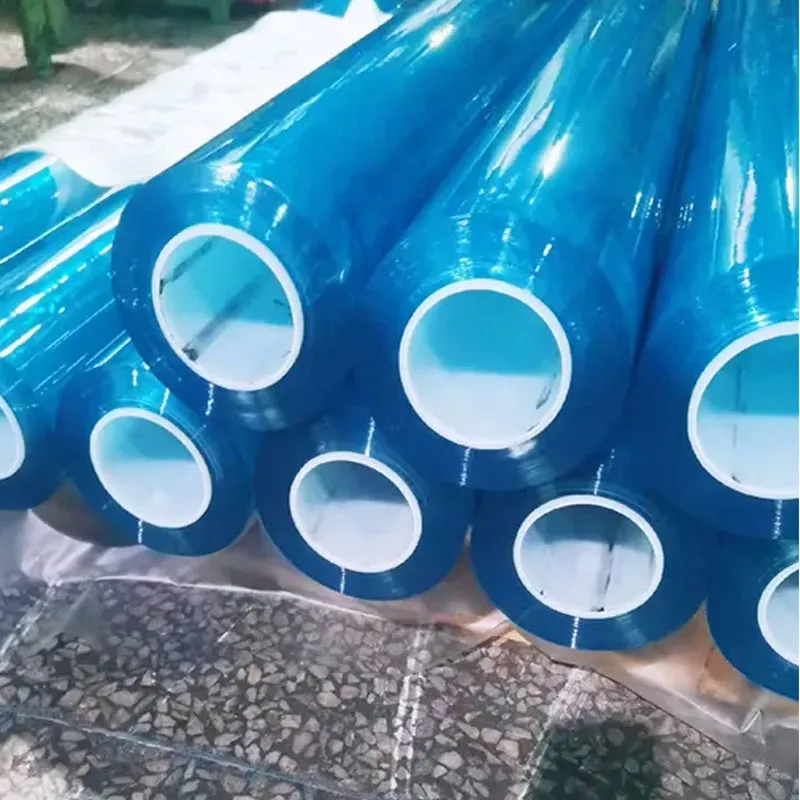
Managing waste gas from PVC film production is essential for worker safety, community health, and regulatory compliance. This guide explains practical treatment processes, proven technologies, and operational tips to reduce VOCs, HCl, chlorinated by-products, and particulate emissions from calendering, printing, and lamination lines.
PVC film manufacturing can release a mix of acidic gases (like HCl), volatile organic compounds (VOCs), and fine particulates during compounding, heating, printing, and extrusion. Without proper control, these emissions pose corrosion risks to equipment, odor nuisance, and regulatory non-compliance. Effective treatment protects staff, improves community relations, and ensures continuous factory operation.
Common pollutants include hydrogen chloride (HCl), chlorinated organic compounds, solvent-based VOCs from inks and coatings, and dust or filler particulates. The concentrations vary by process and raw materials, so a site-specific assessment is the first step.
Most high-performance systems use a multi-stage approach that combines physical capture, chemical neutralization, and final polishing:
Integrate control systems with production layout to minimize duct length and avoid negative pressure zones that can lead to leaks. Use corrosion-resistant materials (FRP, lined steel) where acid gases are present, and install access points for routine inspection and maintenance.
Choice depends on pollutant mix, concentrations, and site constraints:
Monitoring ensures systems meet emission limits and operate efficiently. Typical KPIs include removal efficiency, outlet concentration, pressure drop, and sorbent life. Below is a quick reference table for common targets and technologies:
| Pollutant | Typical Control Tech | Target Outlet | Notes |
|---|---|---|---|
| HCl | Wet alkaline scrubber | < 10 mg/Nm3 | pH control and proper packing prevent carryover |
| VOCs (solvent inks) | Activated carbon / thermal oxidizer | < 20 mg/Nm3 (site-specific) | Regenerate carbon on a schedule or use oxidation |
| Chlorinated organics | Catalytic oxidation / high-temp incineration | Non-detect to low ppm | Avoid chlorinated dioxins by controlling temps & residence time |
| Particulates | Baghouse / cyclone | < 5 mg/Nm3 | Frequent filter checks extend life |
Maintain consistent combustion or reaction temperatures to prevent by-product formation. Implement a preventive maintenance schedule for pumps, fans, and sorbent carbon changeouts. Real-time monitoring with automated alarms helps catch deviations early and supports compliance reporting.
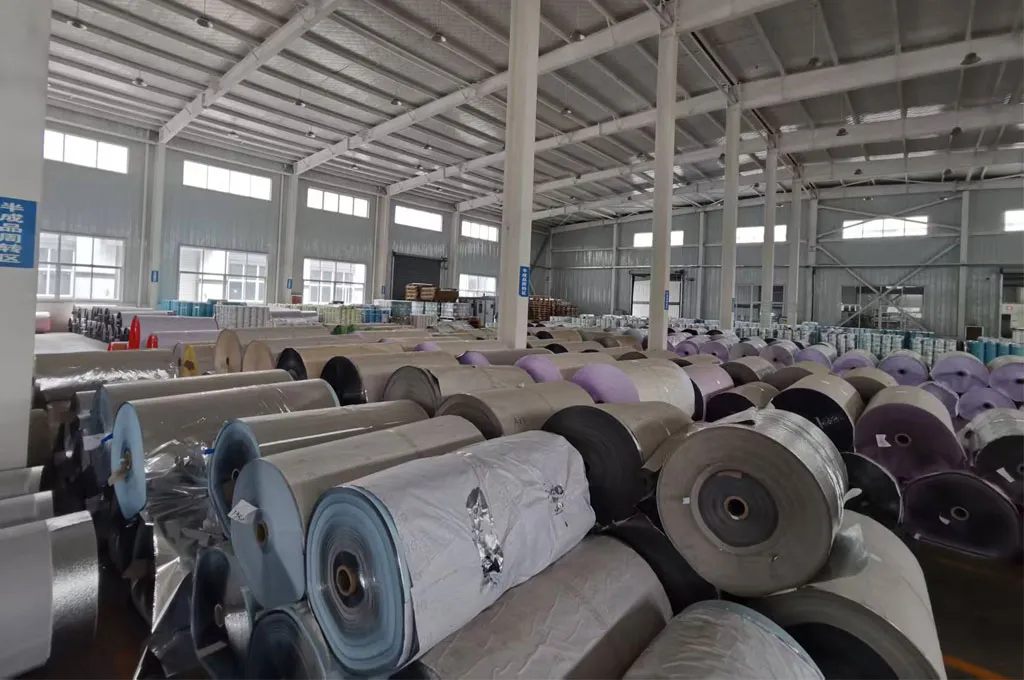
Energy-efficient options like heat recovery from oxidizers, and regenerable sorbents reduce operating costs. Life-cycle thinking — selecting durable, low-maintenance materials and recycling scrubber blowdown where safe — improves sustainability and long-term compliance.
Document design assumptions, emission inventories, monitoring data, and maintenance logs. Regulatory agencies typically require source testing and continuous monitoring for critical parameters — prepare clear records to demonstrate ongoing compliance.
Working with a supplier that understands both film production and emissions control improves outcomes. Pulivk (https://pvcfilmtec.com/) combines in-house calendering and coating expertise with practical knowledge of production emissions — simplifying troubleshooting and optimizing process-integrated control strategies.
– Conduct a stack and process survey to quantify pollutants.
– Choose a multi-stage control train (particulate → acid gas → VOCs).
– Specify corrosion-resistant materials and access for maintenance.
– Install continuous monitoring and train operators on alarms.
– Schedule regular performance audits and source tests.
Adopting a tailored, multi-stage waste gas treatment system ensures cleaner air, protects equipment, and secures compliance — enabling PVC film manufacturers to run efficiently and sustainably.