Address
304 North Cardinal St.
Dorchester Center, MA 02124
Work Hours
Monday to Friday: 7AM - 7PM
Weekend: 10AM - 5PM
Address
304 North Cardinal St.
Dorchester Center, MA 02124
Work Hours
Monday to Friday: 7AM - 7PM
Weekend: 10AM - 5PM


In the world of interior design and home improvement, privacy and light control are often top priorities. While traditional solutions like curtains or blinds are common, they can be bulky, collect dust, and block natural light entirely. Enter PVC frosted glass window film – a sleek, modern, and highly versatile alternative that is transforming windows and glass surfaces in homes and offices worldwide. This innovative material offers the perfect balance between privacy and illumination, creating a soft, diffused light effect that enhances any space.
At its core, PVC frosted glass window film is a thin, adhesive-backed sheet made from polyvinyl chloride. It is designed to mimic the appearance of acid-etched or sandblasted glass but at a fraction of the cost and with far greater ease of installation. The film features a translucent, matte finish that scatters light, preventing clear visibility through the glass while still allowing a generous amount of daylight to filter through. This makes it an ideal solution for bathroom windows, office partitions, front doors, and any glass surface where privacy is desired without sacrificing brightness.
The versatility of frosted window film is one of its greatest strengths. Its applications extend far beyond simple window coverings.
In homes, it is extensively used on bathroom windows and shower doors to provide essential privacy. It’s also popular for front door sidelights, basement windows, and glass cabinet doors in kitchens or living rooms. For those in open-plan living spaces, applying film to glass room dividers can define areas without making them feel closed off.
In commercial settings, frosted film is a cost-effective way to create professional-looking office partitions and conference room walls. It fosters a sense of privacy for meetings and focused work while maintaining an open, airy feel. Retail stores use it on display windows or glass doors for branding and decorative effects.
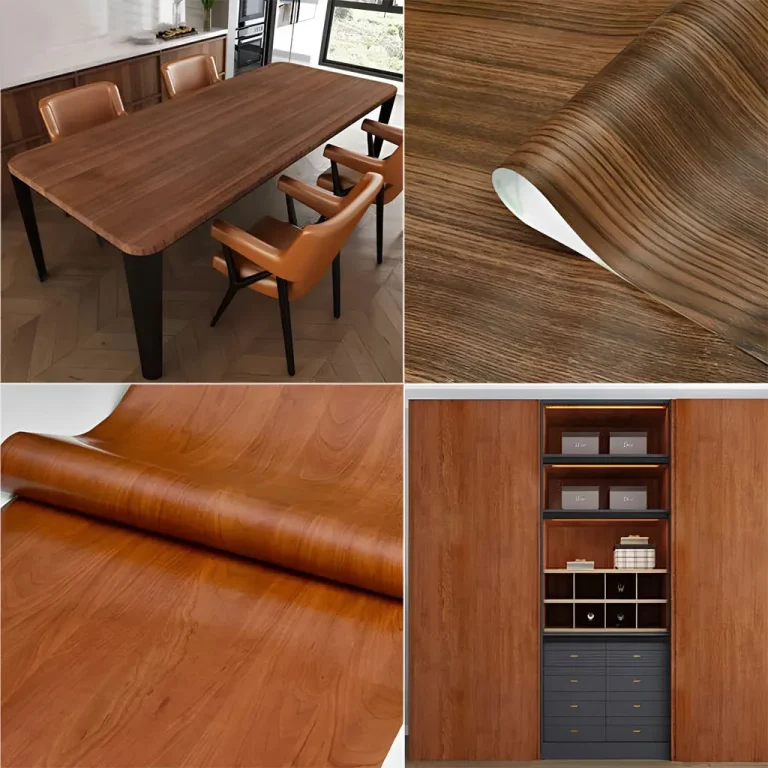
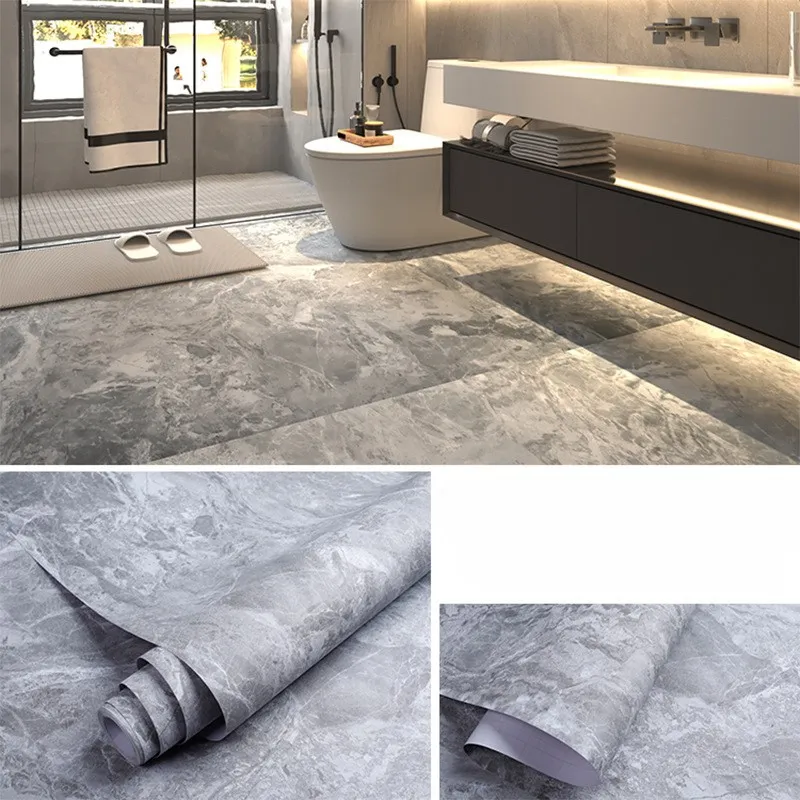
Pro Tip: For a cohesive interior design, consider matching your frosted film with other decorative films. For instance, a Wood Grain Film can be used on furniture or doors to create a natural theme, while a Marble Film on a kitchen backsplash can complement the frosted look on cabinet doors.
Why has this product become so popular? The benefits are numerous and impactful for both DIY enthusiasts and professional contractors.
Enhanced Privacy: This is the foremost benefit. The film obscures views from the outside, protecting your personal space and belongings from prying eyes, all while letting in natural light.
Natural Light Optimization: Unlike heavy drapes, frosted film diffuses sunlight, eliminating harsh glare and hotspots. This creates a soft, evenly lit environment that can reduce eye strain and the need for artificial lighting during the day.
UV Protection: High-quality PVC films block a significant percentage of the sun’s harmful ultraviolet rays. This helps protect your skin and prevents interior furnishings, artwork, and flooring from fading and deteriorating over time.
Energy Efficiency: By diffusing sunlight and providing an additional insulating layer on the glass, frosted film can help moderate indoor temperatures. It can keep rooms slightly cooler in summer and reduce heat loss in winter, contributing to lower energy bills.
Cost-Effective Solution: Installing permanent frosted glass is expensive and irreversible. Window film offers the same aesthetic and functional benefits at a much lower cost and is typically removable, making it perfect for renters or those who like to change their decor.
Easy Maintenance: The smooth, non-porous surface of PVC film is incredibly easy to clean. A simple wipe with a damp cloth or a standard glass cleaner is all it takes to keep it looking new, unlike fabric blinds that trap dust.
Safety & Security: In the unlikely event of glass breakage, the adhesive film can help hold the shattered pieces together, reducing the risk of injury from flying glass shards.
One of the most appealing aspects of frosted window film is that it’s a project well within the reach of a confident DIYer. With the right tools, preparation, and patience, you can achieve professional-looking results.
1. Clean the Glass Thoroughly: This is the most critical step. Any dust, grease, or streaks trapped under the film will be permanently visible. Use a glass cleaner and a microfiber cloth to clean the entire surface. Go over it a second time with an isopropyl alcohol solution to ensure it’s completely degreased and streak-free. Let it dry completely.
2. Measure and Cut the Film: Measure the height and width of your glass pane. Unroll your film on a clean, flat surface with the protective liner facing down. Using a ruler and a sharp knife, cut the film to size, adding an extra 1-2 inches (2-5 cm) on all sides. This overage will be trimmed off after application.
The installation method described is for standard static-cling or water-application adhesive films. Some decorative films, like heavy-duty Floor Film or textured 3D Silk Texture Film, may have different adhesive systems or require professional installation for large, complex areas. Always check the manufacturer’s instructions.
3. Peel and Spray: Carefully peel back a few inches of the protective liner from the top of the film. Liberally spray the exposed adhesive side of the film with your soapy water solution. Also, generously spray the entire surface of the clean glass.
4. Position the Film: With the wet adhesive side facing the glass, gently position the top of the film onto the top of the glass pane. The soapy water will allow you to slide and adjust the film’s position easily.
5. Squeegee Out the Liquid: Once the film is perfectly aligned, use your squeegee to press the film onto the glass. Start from the center and work your way outwards towards the edges, pushing the soapy water out as you go. Apply firm, even pressure to eliminate air bubbles and ensure a strong bond.
6. Trim the Edges: After the film is fully adhered and smooth, use your sharp utility knife to carefully trim off the excess film around the edges. A metal ruler can help you get a perfectly straight cut.
7. Final Drying: Use a clean, dry cloth to wipe away any remaining moisture from the edges. Small water bubbles may remain for 24-48 hours as the film fully cures and adheres; these should disappear on their own.
Frosted film is not just a plain matte sheet. Modern manufacturing, like that at Pulivk Film, offers a range of design options to match any decor. You can find films with elegant etched patterns, geometric designs, nature motifs (like bamboo or leaves), or even custom logos for commercial use. The level of opacity can also vary, from lightly translucent to fully opaque.
With proper care, high-quality PVC frosted film can last for many years. Avoid using abrasive cleaners or scrubbers, as they can scratch the surface. For stubborn stains, a soft cloth with a mild soap solution is sufficient. The film is also generally resistant to moisture and humidity, making it durable in bathrooms and kitchens. If you ever wish to remove it, heating the film gently with a hairdryer can soften the adhesive, allowing you to peel it off slowly. Any residual glue can be removed with a commercial adhesive remover.
Yes, most water-application adhesive films are designed to be removable. However, the ease of removal depends on the film quality, the glass surface, and how long it has been installed. Using heat (like a hairdryer) during removal helps soften the adhesive. It’s always recommended to test a small corner first.
Absolutely. Frosted film can be applied to most types of glass, including double-pane windows and tempered safety glass. The application process is the same. There is no risk of damaging the glass or affecting its structural integrity.
High-quality films from reputable manufacturers like Pulivk Film use adhesives that are designed to be residue-free or leave minimal residue that can be easily cleaned. Cheaper, low-quality films are more likely to leave a sticky mess behind. For more insights on material quality, you can explore our Knowledge Center.
While primarily designed for interior use, some high-grade exterior-rated frosted films are available. Standard interior film may not withstand prolonged exposure to extreme weather, direct UV degradation on the adhesive side, and constant temperature fluctuations. Always check the product specifications for exterior suitability.
For bulk orders, custom patterns, or specific technical requirements, working directly with a manufacturer is best. Companies like Pulivk Film offer extensive OEM/ODM services, allowing you to customize the opacity, design, size, and adhesive type to fit your exact project needs, whether for residential, commercial, or architectural use.