Address
304 North Cardinal St.
Dorchester Center, MA 02124
Work Hours
Monday to Friday: 7AM - 7PM
Weekend: 10AM - 5PM
Address
304 North Cardinal St.
Dorchester Center, MA 02124
Work Hours
Monday to Friday: 7AM - 7PM
Weekend: 10AM - 5PM


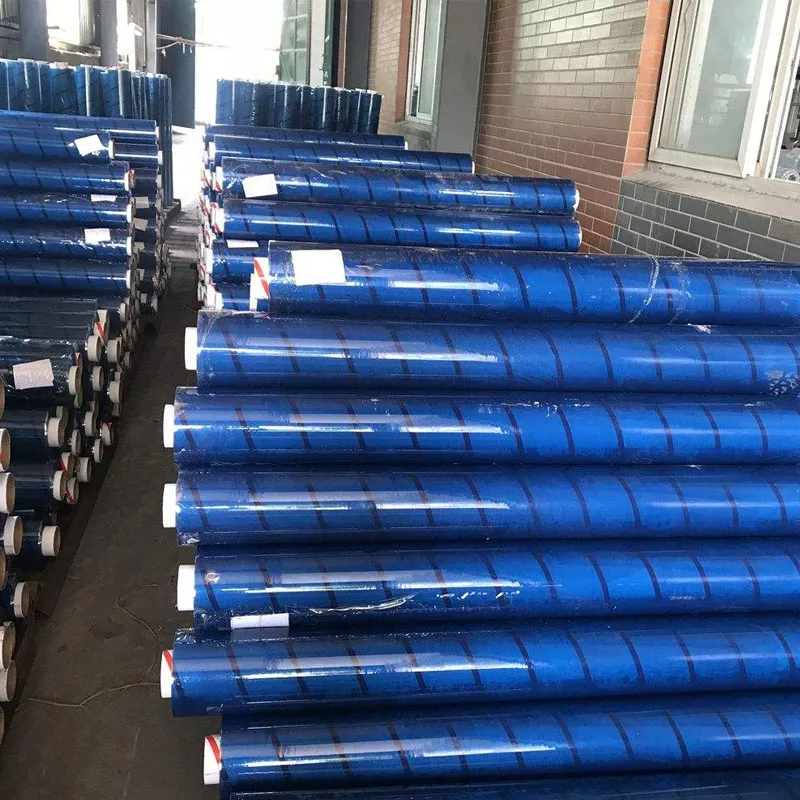
PVC heat-resistant film is a versatile material engineered to withstand elevated temperatures while preserving flexibility, appearance, and protective performance. This guide explains the key properties, benefits, testing considerations, and common applications—helpful for specifiers, buyers, and designers seeking reliable decorative or protective films.
Thermal stability: High-quality PVC films are formulated to resist softening, discoloration, or deformation when exposed to heat in normal service conditions. Typical service ranges depend on plasticizer and stabilizer systems, with many products designed for continuous use at moderate elevated temperatures.
Temperature limits: Typical product families support continuous service from around -20°C up to +90°C; specialized heat-resistant grades can handle short-term exposures up to about +120°C. Always confirm with the manufacturer for continuous vs. short-term limits.
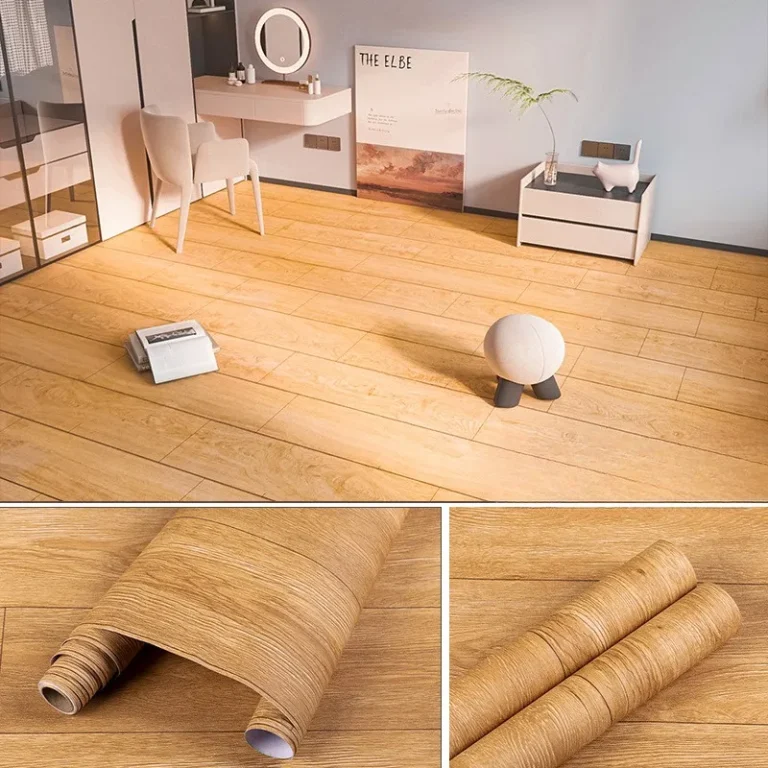
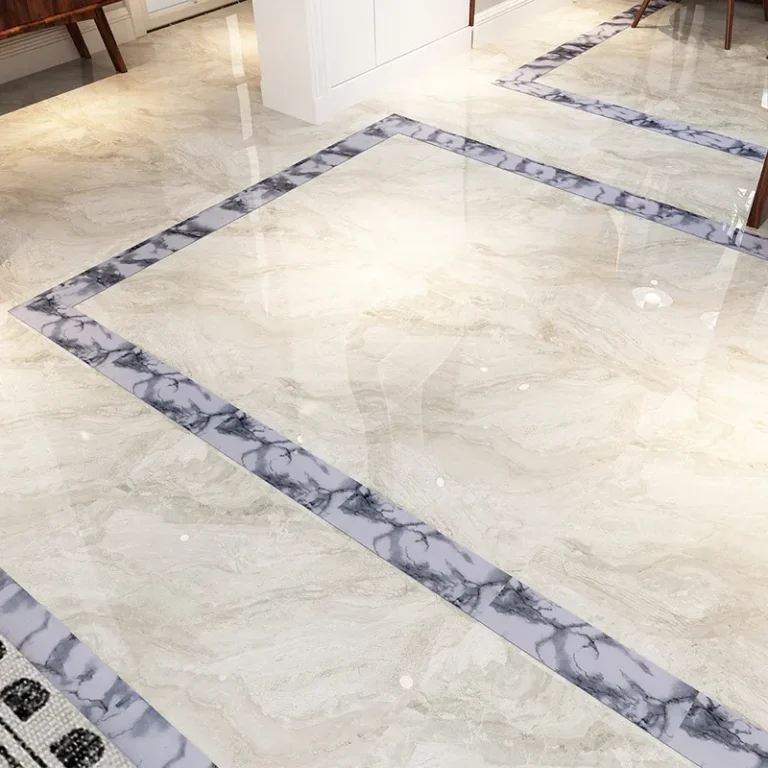
Durability: PVC films combine good tensile strength and tear resistance with a degree of flexibility that helps them perform under thermal cycling. Surface finishes—glossy, matte, woodgrain, marble, and textured—are available to meet aesthetic needs without compromising heat performance.
PVC heat-resistant films often include stabilizers and coatings to improve resistance to oils, household chemicals, UV exposure, and moisture. For outdoor or high-UV environments, choose films with UV-stable additives to reduce color fade and embrittlement over time.
| Property | Typical Range / Notes |
|---|---|
| Service Temperature | -20°C to +90°C (continuous); up to ~+120°C (short-term/high-temp grades) |
| Thickness | 30–200 µm (customizable by calendering) |
| Surface Finishes | Glossy, matte, woodgrain, marble, 3D textures, anti-scratch coatings |
| Resistance | Good to oils, moisture, and mild chemicals; UV-stabilized variants available |
| Customization | Colors, prints, adhesive systems, split-packaging and OEM options |
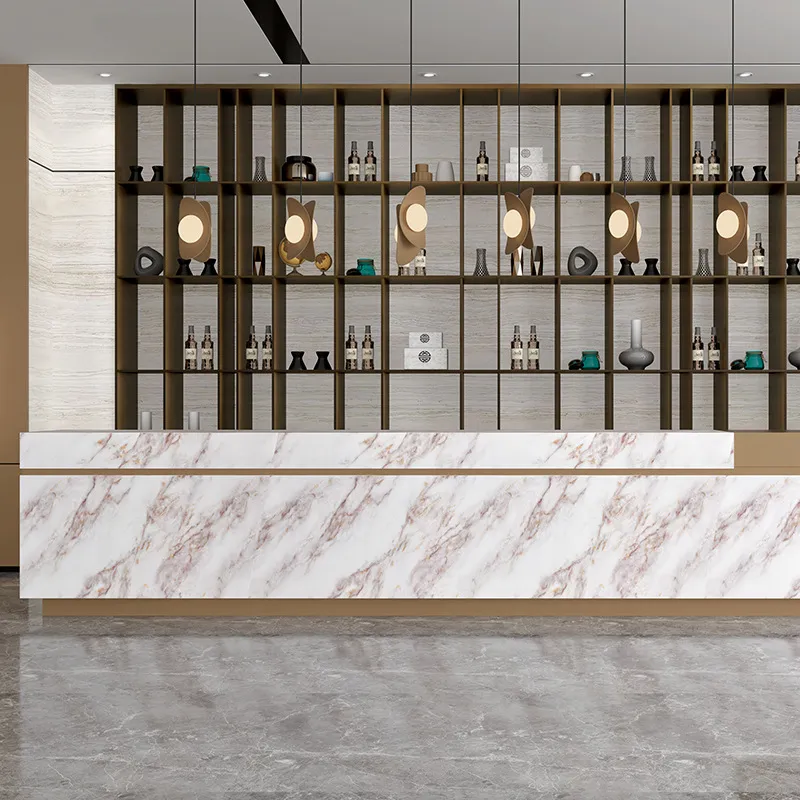
PVC heat-resistant films are widely used in sectors that require surface protection plus aesthetic appeal:
When specifying PVC heat-resistant film, verify these points with suppliers:
Request typical laboratory test reports for heat aging, colorfastness, tensile strength, and peel adhesion. Compliance with industry standards or customer-specific test protocols adds confidence in long-term performance.
Apply films in controlled temperature and humidity conditions whenever possible. Follow recommended annealing or post-heat treatments if specified, and avoid prolonged exposure to heat sources beyond the rated limits to prevent softening or discoloration.
Many manufacturers support custom colors, printed patterns, and split-packaging for easy roll handling. For private-label projects or tailored orders, confirm minimum order quantities, lead times, and QC checkpoints.
Pulivk — Henan Pulivk New Materials Co., Ltd. provides full in-house production, calendering, printing, and split-packaging capabilities to deliver stable, customizable PVC film solutions: https://pvcfilmtec.com/
Choose PVC heat-resistant film grades that match your thermal exposure scenario, aesthetic goals, and substrate compatibility. With the right specification and quality control, these films offer a balance of thermal resilience, visual design, and cost-effectiveness for many industrial and commercial uses.