Address
304 North Cardinal St.
Dorchester Center, MA 02124
Work Hours
Monday to Friday: 7AM - 7PM
Weekend: 10AM - 5PM
Address
304 North Cardinal St.
Dorchester Center, MA 02124
Work Hours
Monday to Friday: 7AM - 7PM
Weekend: 10AM - 5PM


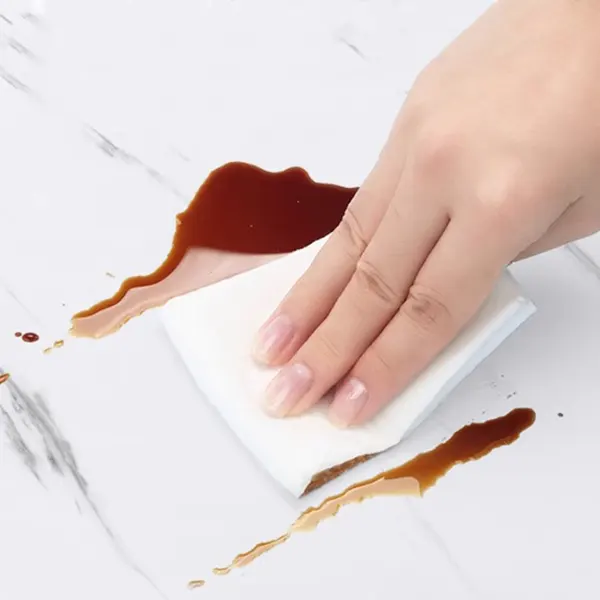
PVC heat shrink film is a versatile and indispensable material in modern packaging and industrial applications. Made from polyvinyl chloride, this film shrinks tightly around a product when heat is applied, creating a secure, protective, and visually appealing seal. Its journey from a simple plastic sheet to a tailored packaging solution involves various types, specialized uses, and advanced custom manufacturing processes.
The functionality of PVC shrink film begins with its formulation. Manufacturers like Pulivk Film produce several core types, each designed for specific performance criteria.
This is the most common type, offering excellent transparency to showcase product details and branding. It provides a basic, cost-effective protective layer against dust and minor abrasion.
Formulated for greater durability, this film offers enhanced puncture and tear resistance. It’s ideal for protecting products with sharp edges or those requiring robust transit security.
Key Property: Shrink Ratio
The shrink ratio (e.g., 50% or 70%) determines how much the film contracts. A higher ratio allows one film size to conform to a wider variety of product shapes, simplifying inventory for businesses.
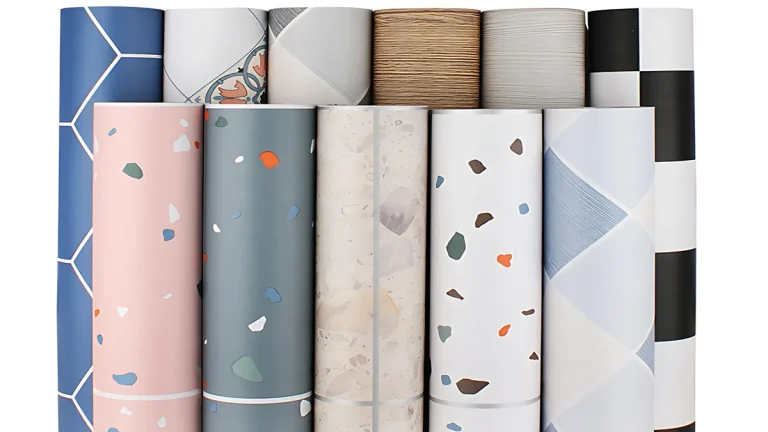
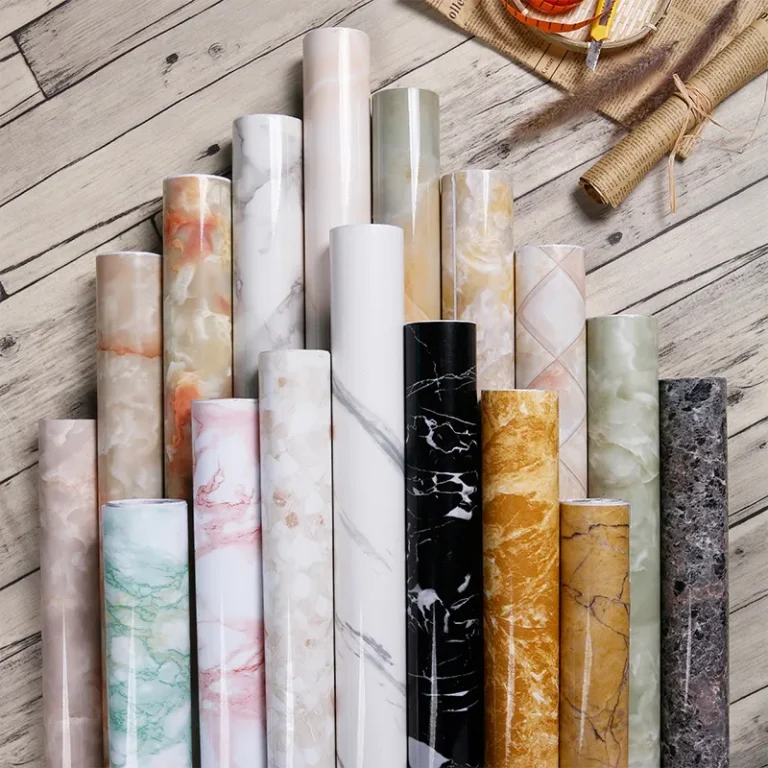
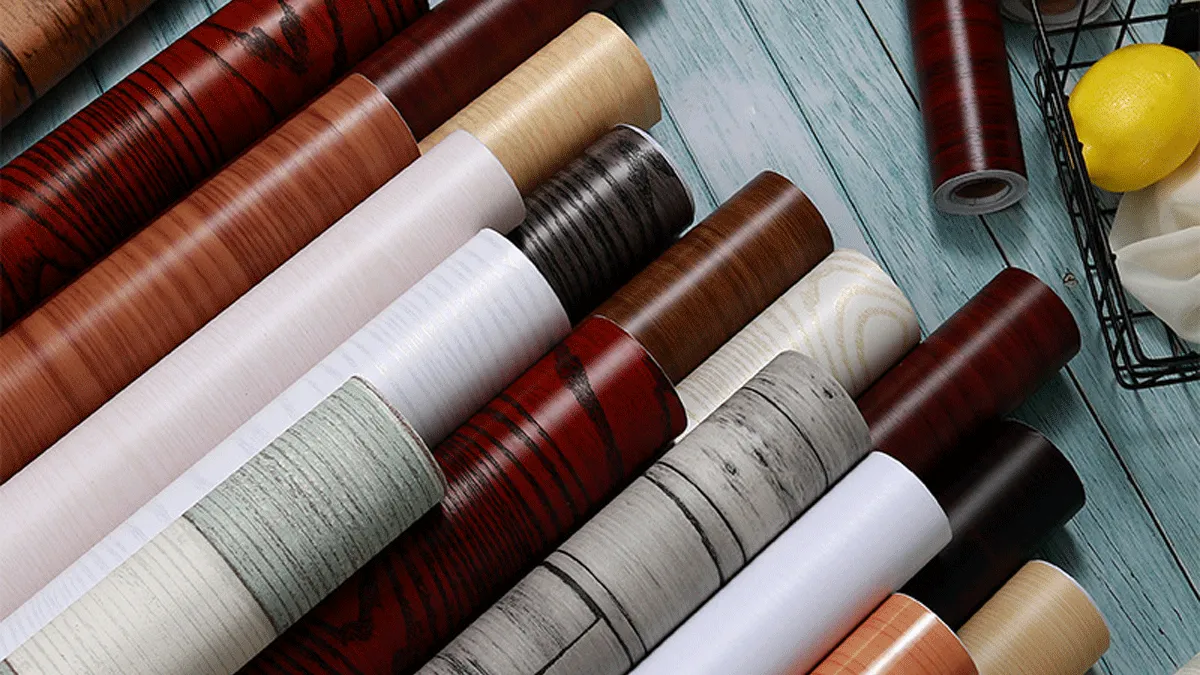
This type moves beyond simple protection into active marketing. Logos, instructions, barcodes, and vibrant designs can be printed directly onto the film, eliminating the need for secondary labels. For intricate decorative needs, such as mimicking luxurious materials for furniture or interior surfaces, specialized films like 3D texture films represent the high end of this category.
The utility of PVC heat shrink film spans countless sectors, proving its adaptability and value.
From bundling software boxes and toy kits to securing cosmetic gift sets, shrink film creates a tamper-evident seal that enhances shelf appeal and product integrity.
While specific food-grade formulations are required, PVC shrink film is excellent for bundling bottles, cans, and multi-packs. It stabilizes the items for transport and allows for promotional labeling.
Here, the film protects metal parts, machinery components, and palletized goods from corrosion, moisture, and contamination during storage and shipping.
In construction and furniture making, materials like profiles, panels, and finished products are wrapped to prevent scratches and damage. This application often intersects with the broader world of PVC decorative films used for surfaces.
The principles of protective wrapping are closely related to decorative surfacing. For instance, a wood grain film might be applied to a cabinet door for aesthetics, while a heat shrink film might later wrap that finished cabinet for delivery. Similarly, films for flooring or skirting protection during installation use similar PVC technology bases.
Off-the-shelf film solves many problems, but specialized challenges demand custom solutions. Leading producers offer comprehensive OEM/ODM services to meet exact specifications.
Thickness & Gauge: Tailored for the right balance of strength, clarity, and cost.
Width & Roll Size: Made to fit specific machinery or manual application processes.
Shrink Characteristics: Engineered for specific heat tunnel temperatures and final tension.
Surface Treatment: Options include anti-fog, anti-static, or high-slip properties for automated lines.
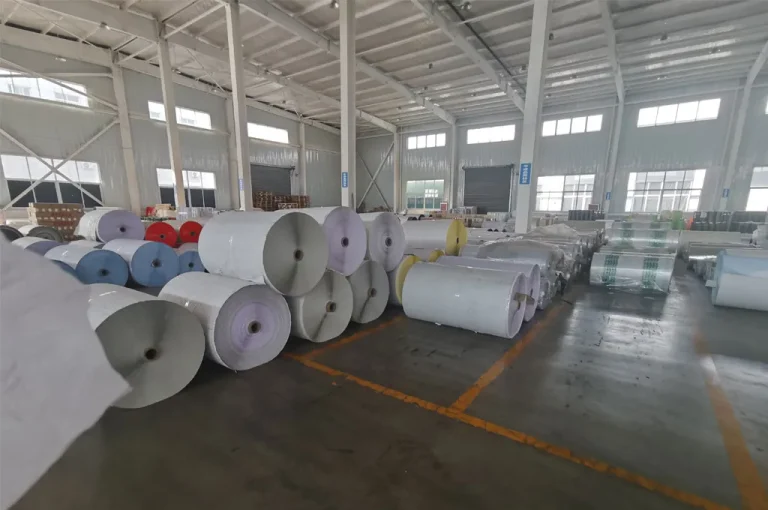
Companies with integrated control over the entire production chain—from calendering the base film to printing and precision slitting—offer significant benefits. This vertical integration ensures stringent quality control at every stage, reduces lead times by eliminating third-party dependencies, and often results in cost savings passed on to the client. It allows for agile responses to custom requests, whether for a unique color match for a retail package or a specific performance grade for an industrial part.
A reputable custom manufacturer will prioritize consistent quality. This is achieved through raw material vetting, in-process inspections, and final batch testing for metrics like tensile strength and shrinkage force. Compliance with international standards (ISO, REACH, RoHS) and the ability to provide relevant certifications are non-negotiable for global export and sensitive applications.
PVC shrink film offers an excellent balance of clarity, strength, and cost-effectiveness. It has a wide sealing temperature range, shrinks rapidly with good consistency, and provides strong, durable seals. Its versatility in customization (thickness, print, treatment) is also a key advantage.
Yes, but only specific food-grade formulations that comply with regulations like FDA standards should be used. These films are manufactured with approved additives to ensure they are safe for direct or indirect food contact. Always verify certifications with your supplier.
The choice depends on your product’s shape and fragility. Irregular shapes benefit from a higher shrink ratio (e.g., 70%). Heavy or sharp items require a thicker gauge for puncture resistance, while lightweight goods can use a thinner, more economical film. Your supplier’s technical team can best advise based on your specific needs.
Custom printing typically uses flexographic or rotogravure presses. It requires creating printing plates/cylinders for each color. Effective design considers the film’s shrinkage to prevent distortion. For complex graphics, working closely with the manufacturer’s design team is recommended to ensure a perfect final result.
The PVC recycling stream is well-established in many regions. Some manufacturers offer films with recycled content or optimized formulations for easier recycling. For applications where recyclability is a top priority, it’s crucial to discuss alternative material options like PETG or OPS with your supplier, though performance and cost factors may differ.