Address
304 North Cardinal St.
Dorchester Center, MA 02124
Work Hours
Monday to Friday: 7AM - 7PM
Weekend: 10AM - 5PM
Address
304 North Cardinal St.
Dorchester Center, MA 02124
Work Hours
Monday to Friday: 7AM - 7PM
Weekend: 10AM - 5PM


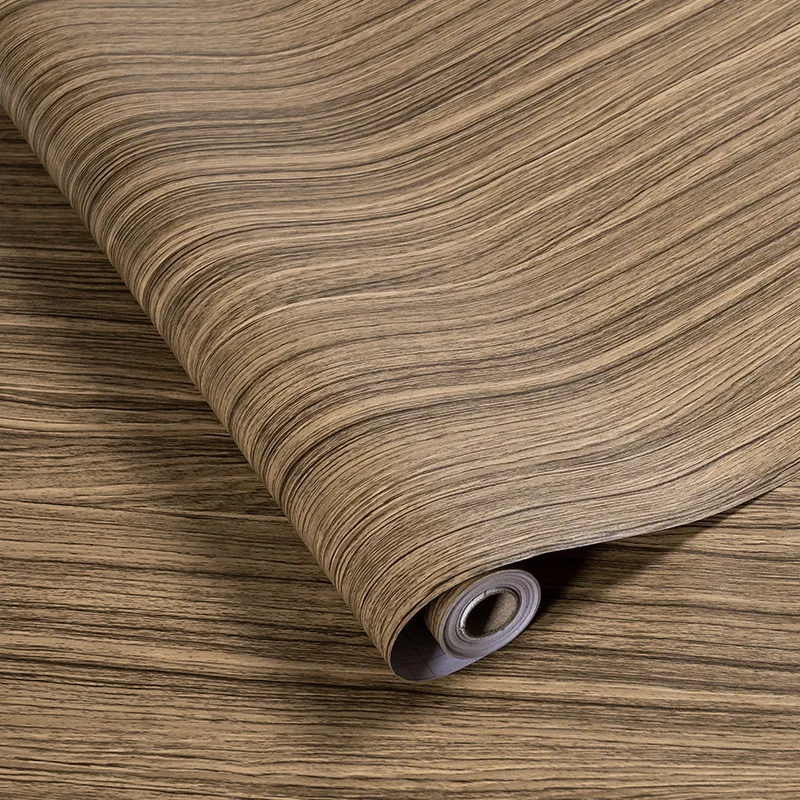
PVC heat shrink film is a versatile and indispensable material in modern manufacturing and packaging. Made from polyvinyl chloride, this film shrinks tightly around an object when heat is applied, creating a secure, protective, and often decorative layer. Its applications span from simple product bundling to complex industrial insulation and branding solutions. The material’s adaptability, durability, and cost-effectiveness make it a preferred choice for businesses worldwide seeking reliable packaging and surface protection.
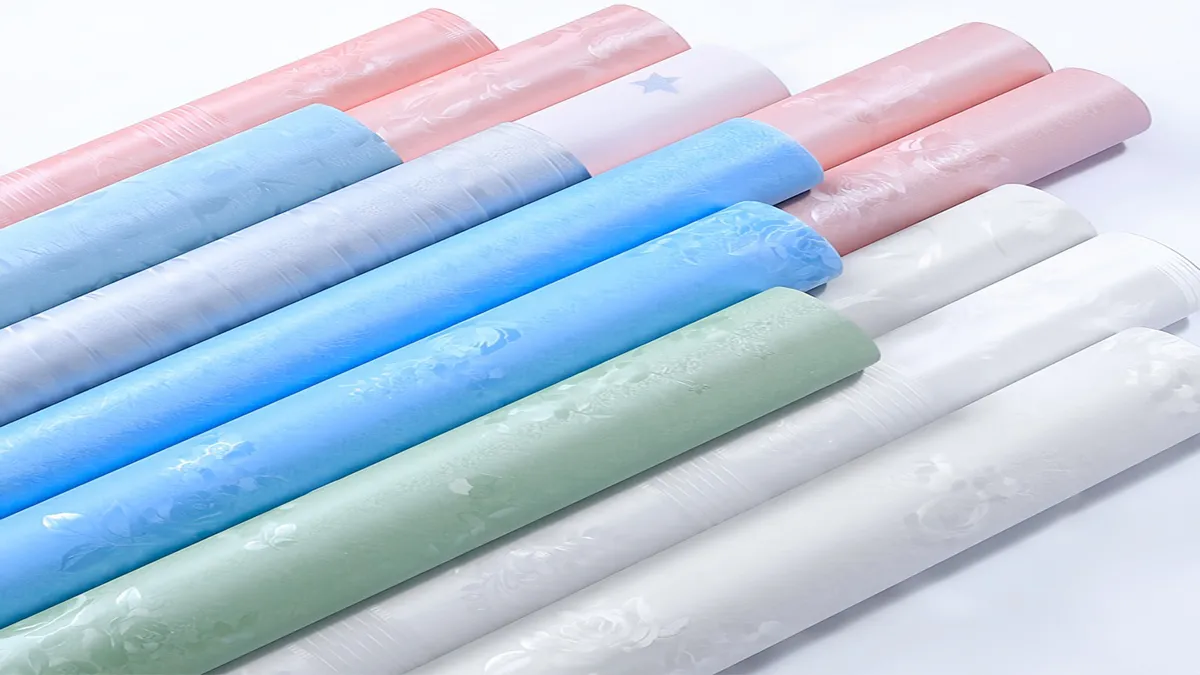
The utility of PVC heat shrink film is vast, touching numerous sectors. In packaging, it is the go-to solution for bundling consumer goods, securing multi-packs of bottles, and creating tamper-evident seals. Its clarity allows for excellent product visibility, while its strength ensures items remain grouped and protected during transit.
Industrial Applications: Beyond packaging, PVC shrink film is critical in the electrical industry for insulating wires and cables. It provides a protective barrier against moisture, abrasion, and chemicals. In construction and furniture, it is used as a protective layer for surfaces during manufacturing, shipping, and installation, preventing scratches and damage.
For the furniture and interior design sectors, specialized decorative PVC films can be engineered with heat-shrink properties for complex 3D surfaces, offering both protection and aesthetic enhancement. This aligns with the growing demand for customized, durable finishes in home and office environments.
Choosing PVC for heat shrink applications brings a host of advantages that contribute to operational efficiency and product quality.
PVC shrink film forms a second skin around products. It offers excellent resistance to dust, moisture, and minor impacts. This protective quality is paramount for electronics, medical devices, and high-value industrial components that must arrive in pristine condition. The film’s stability ensures it maintains its protective properties across a range of temperatures and humidities.
Compared to other packaging methods like rigid clamshells or boxes, PVC shrink film is often more material and cost-efficient. The application process can be highly automated with shrink tunnels and guns, leading to faster production lines and lower labor costs. Its lightweight nature also reduces shipping expenses for the packaged goods.
Visual Appeal & Branding: One of the standout benefits is its printability. Companies can print high-quality graphics, logos, and instructions directly onto the film, turning simple packaging into a powerful marketing and branding tool. This is especially valuable in retail, where shelf appeal directly influences consumer decisions.
Off-the-shelf solutions don’t always fit unique challenges. This is where the power of customization becomes critical. Leading manufacturers like Pulivk Film offer comprehensive OEM/ODM services to tailor PVC heat shrink film to specific project requirements.
Virtually every aspect of the film can be customized:
For instance, a manufacturer of high-end wood grain film-finished furniture might need a heat shrink film that not only protects but also has a non-abrasive, soft-touch inner layer to prevent marking the delicate surface. This level of specific solution is the hallmark of a true custom partnership.
Partnering with a manufacturer that controls the entire production process—from calendering the base film to printing and slitting—ensures consistency, quality, and faster turnaround. This integrated approach allows for tighter quality control at every stage, from raw material selection to the final roll. It also facilitates more responsive communication and problem-solving during the development of custom solutions, ensuring the final product perfectly matches the client’s vision and functional requirements.
Whether for creating a protective sleeve for a new electronic device or a branded overwrap for a retail product, custom PVC shrink film provides a tailored, high-performance solution that standard options cannot match.
PVC is known for its excellent clarity, high shrink force, and low cost, making it ideal for general packaging and tamper-evident bands. PET (Polyethylene Terephthalate) offers higher strength and durability with a crisper feel, often used for durable goods. Polyolefin films are popular for their food-safe properties, wide temperature tolerance, and cleaner burning (lower chloride content). The choice depends on the application’s specific needs for strength, clarity, safety, and environmental factors.
Standard PVC shrink film is not typically recommended for direct food contact. However, specialized food-grade PVC formulations are available that comply with relevant safety standards (like FDA regulations). For most food packaging, polyolefin films are the preferred choice due to their inherent food safety and sealing properties. Always verify the film’s specifications and certifications with your supplier for food-related applications.
The shrink ratio (like 50% or 70%) indicates how much the film contracts when heated. A higher ratio is better for irregularly shaped items. Film thickness (measured in microns or gauge) affects durability and puncture resistance. The best practice is to consult with your film supplier or manufacturer. Providing a sample of your product and details about your packaging process allows them to recommend the optimal film specifications and even produce test samples for evaluation.
Recycling PVC film can be challenging due to the presence of chlorine and plasticizers. While technical recycling methods exist, the infrastructure is not as widespread as for polymers like PET or PE. The industry is actively working on more sustainable solutions, including bio-based plasticizers and dedicated recycling programs. For companies prioritizing sustainability, discussing options like reduced material usage (down-gauging) or alternative film types with your supplier is recommended.
The basic equipment is a heat source. For low-volume or manual applications, a handheld heat gun is sufficient. For production lines, automated systems like L-sealers (to create a sealed bag) combined with a heat shrink tunnel (an oven that evenly applies heat) are used. The choice of equipment depends on your production speed, product size, and desired seal quality. Many film suppliers can offer guidance on compatible machinery for their products.