Address
304 North Cardinal St.
Dorchester Center, MA 02124
Work Hours
Monday to Friday: 7AM - 7PM
Weekend: 10AM - 5PM
Address
304 North Cardinal St.
Dorchester Center, MA 02124
Work Hours
Monday to Friday: 7AM - 7PM
Weekend: 10AM - 5PM


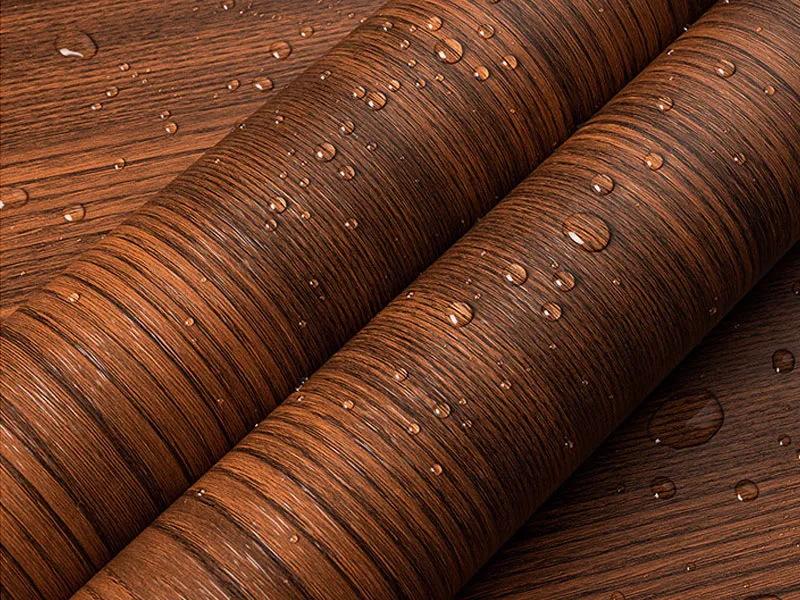
PVC lamination film is a versatile and widely used material that serves as a protective and decorative layer for various surfaces. Made from polyvinyl chloride, this film is applied through a lamination process to enhance durability, aesthetics, and functionality. From furniture manufacturing to interior design, PVC films offer a cost-effective solution for achieving high-end finishes without the expense of solid materials.
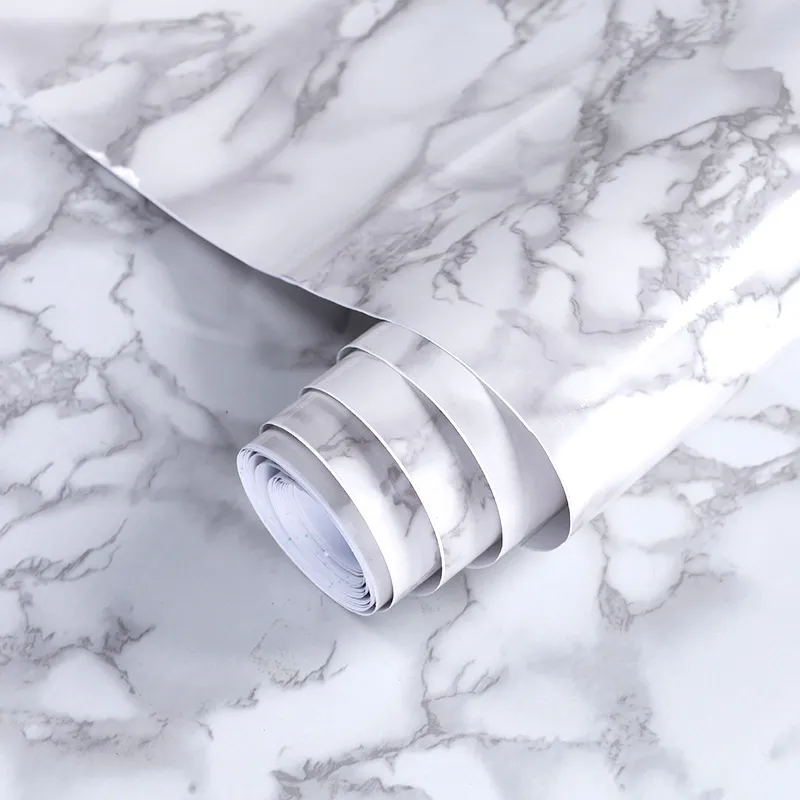
The world of PVC film is diverse, with each type engineered for specific applications and visual effects. Knowing the differences is key to selecting the right material for your project.
This categorization focuses on the final look and feel of the film, which directly impacts the aesthetic outcome.
Glossy Film: Provides a high-shine, reflective surface that is easy to clean and adds a modern, sleek appearance. It is popular for kitchen cabinets, wardrobe doors, and appliances where a bright, clean look is desired.
Matte Film: Offers a non-reflective, smooth finish that is resistant to fingerprints and scratches. It creates a sophisticated, understated look ideal for office furniture, wall panels, and electronic devices.
Textured Films: This category includes films that mimic natural materials or add tactile dimension. Wood Grain Film replicates the look of oak, walnut, or maple. Marble Film offers the luxurious veining of stone without the weight or cost. Other textures include 3D Silk Texture, cloth, leather, and geometric patterns.
Beyond aesthetics, some films are designed with enhanced performance characteristics for demanding environments.
Anti-Static Film: Essential for electronics manufacturing and cleanrooms, this film prevents the buildup of static electricity, protecting sensitive components.
Self-Adhesive Film: Comes with a pre-applied adhesive backing, allowing for easy DIY application on walls, furniture, and floors. Bathroom Floor Stickers are a prime example of this user-friendly format.
Protective & Functional Films: Includes Kitchen Anti-oil Film for splashbacks, waterproof films for bathrooms, and heavy-duty Floor Film designed to withstand high foot traffic.
The adaptability of PVC lamination film makes it a cornerstone material in numerous sectors, revolutionizing both manufacturing processes and end-user experiences.
This is one of the largest application areas. PVC films are laminated onto substrates like MDF, particleboard, or plywood to create finished panels for:
The film provides a seamless, durable surface that is resistant to moisture, stains, and daily wear, offering a superior alternative to traditional paint or veneer.
Architects and designers use PVC film to create stunning interiors with remarkable efficiency.
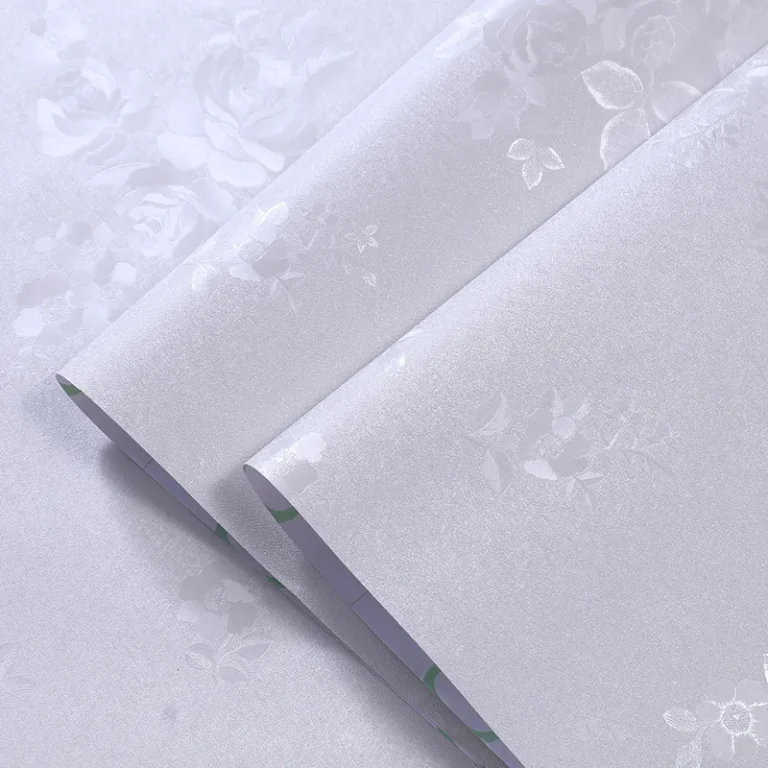
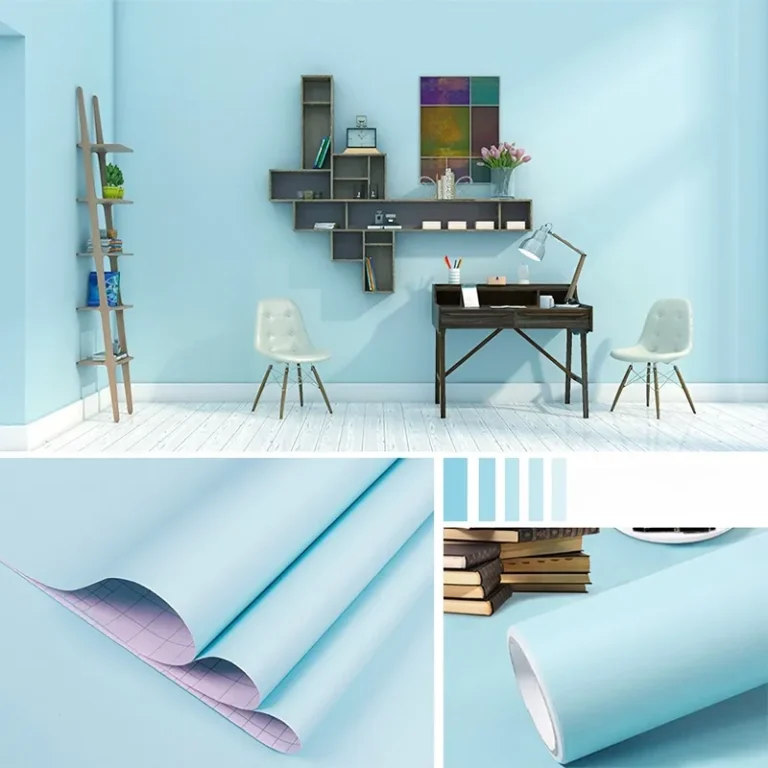
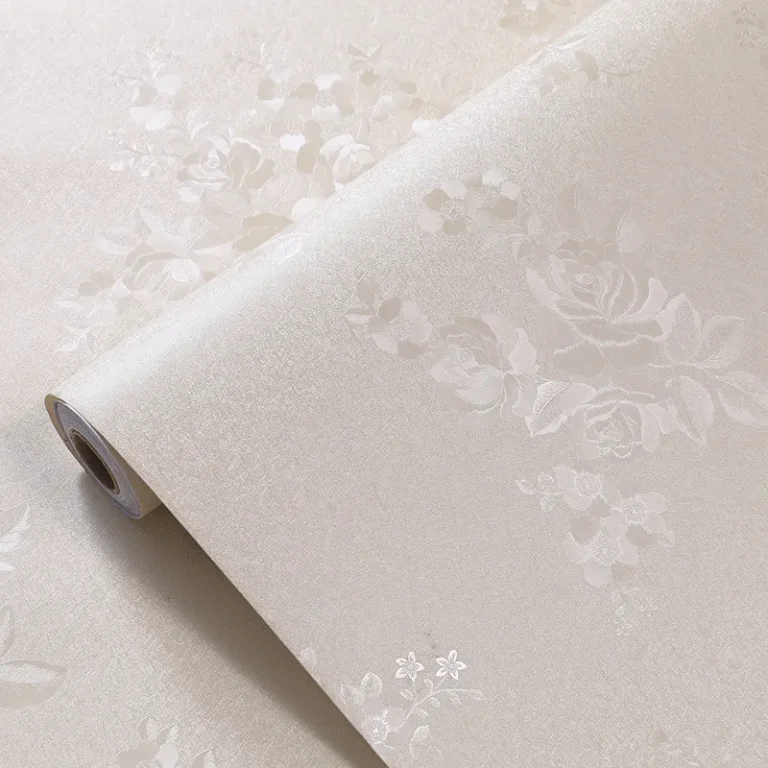
Wall Coverings: Films like Solid Color Wallpaper or textured films offer an easy-to-install, washable alternative to traditional wallpaper or paint, perfect for feature walls, commercial spaces, and residential accents.
Doors & Windows: Laminating film onto interior doors and window frames provides color consistency and scratch resistance.
Decorative Elements: Used for column wraps, ceiling panels, and PVC skirting film, creating cohesive design themes throughout a space.
The utility of PVC film extends into highly specific industrial applications.
Transportation: Used for interior paneling in automobiles, buses, trains, and aircraft, providing lightweight, durable, and easy-to-clean surfaces.
Signage & Advertising: Printed and laminated for outdoor signs, vehicle wraps, point-of-sale displays, and exhibition stands due to its weather resistance and printability.
Appliances & Electronics: Acts as a protective and decorative outer layer for white goods, control panels, and electronic housings.
Choosing PVC film over alternative materials brings a host of advantages that impact cost, design, and performance.
PVC films form a tough, resilient layer that shields the underlying substrate from scratches, impacts, chemicals, and UV radiation. This significantly extends the lifespan of the finished product, making it ideal for high-traffic commercial and residential areas.
The range of available colors, patterns, and textures is virtually limitless. Manufacturers like Pulivk Film offer extensive OEM/ODM services, allowing for custom color matching, unique embossing, and proprietary designs. This enables brands to create distinctive products that stand out in the market.
Compared to solid wood, stone, or high-pressure laminates, PVC film offers a much more economical way to achieve a premium look. The lamination process itself is fast and efficient, allowing for high-volume production with minimal waste, which translates to lower overall project costs.
Most PVC films feature non-porous surfaces that resist staining and are incredibly easy to clean with just a damp cloth. This hygienic property is crucial for applications in kitchens, hospitals, schools, and food service environments.
PVC film adds negligible weight to substrates, which is beneficial for furniture that needs to be moved or for applications in vehicles and aircraft where weight savings are critical. Its flexibility allows it to be applied to curved and complex shapes that rigid materials cannot accommodate.
While both contain PVC, PVC lamination film is typically thicker, more durable, and designed to be permanently bonded to a rigid substrate (like furniture or wall panels) using adhesives and heat/pressure. Vinyl wallpaper is generally thinner, more flexible, and designed for temporary or semi-permanent application directly onto walls with paste.
Standard PVC films are not recommended for prolonged, full outdoor exposure as UV rays can cause fading and degradation over time. However, specific grades of PVC film are manufactured with enhanced UV stabilizers and weather-resistant properties for outdoor signage, marine interiors, or sheltered exterior applications. Always consult with your supplier, like Pulivk Film, for the correct product specification.
The substrate must be clean, dry, smooth, and free of dust, grease, or old loose finishes. For best results, surfaces like MDF should be primed or sealed. Proper surface preparation is the most critical step for ensuring strong adhesion and a bubble-free, professional finish.
Modern PVC films can be produced to meet strict environmental and safety standards. Reputable manufacturers ensure their products comply with regulations like REACH and RoHS, using non-toxic, phthalate-free formulations. Furthermore, the durability of PVC film reduces the need for frequent replacements, contributing to long-term resource conservation.
Lead time depends on the order quantity, complexity of customization (e.g., new color development, special embossing), and current production schedule. For standard products, lead times can be as short as 2-3 weeks. For new custom developments, it may take 4-8 weeks to produce samples and finalize production. Reliable suppliers provide clear timelines based on your specific requirements.